


Thyroid Disorder Treatment

Thyroid Disorder Treatment

Back view of a swimmer in a blue suit adjusting a red swim cap at an indoor lap pool.

You were tested. TSH came back normal. But you are still exhausted, still gaining weight, still cold when no one else is, still losing hair, and still not feeling like yourself.

A normal TSH does not mean a normal thyroid. It means one marker came back within a population reference range. It says nothing about whether your thyroid is converting hormones efficiently, whether your immune system is attacking your thyroid, or whether your cells are actually responding to the thyroid hormone in circulation.

At Balance Atlanta, Dr. Caroline von Fluegge-Chen evaluates thyroid function with a comprehensive panel that measures what a standard TSH misses. From those findings, alongside gut health, nutrient status, and adrenal function, she builds a personalized plan to address thyroid imbalance at its root rather than adjusting medication based on a single number.


Request Appointment

Why So Many Thyroid Problems Go Undetected or Undertreated

Thyroid disease is among the most common endocrine conditions in the United States, affecting an estimated 20 million Americans. Women are five to eight times more likely to develop thyroid dysfunction than men. Despite this prevalence, thyroid conditions are persistently underdiagnosed and undertreated.

The primary reason is the standard of care for thyroid evaluation. Most primary care workups measure TSH alone. TSH, thyroid-stimulating hormone, is produced by the pituitary gland. It measures the pituitary’s output in response to thyroid hormone levels, not the thyroid’s actual function. TSH can appear normal while the thyroid is producing insufficient amounts of active T3, while conversion of T4 to T3 is impaired, or while thyroid antibodies indicating autoimmune attack are actively elevated.

Patients with significant thyroid dysfunction, confirmed by comprehensive testing, are often told their thyroid is fine based on a single TSH reading. They leave without answers and continue to accumulate the compounding effects of a thyroid system that is not functioning optimally.

Request Appointment

How the Thyroid Works

The thyroid is a butterfly-shaped gland at the base of the throat that produces two primary hormones: T4 (thyroxine) and T3 (triiodothyronine). T4 is produced in larger quantities but is relatively inactive. The majority of T4 is converted into T3 in the liver, gut, and peripheral tissues. T3 is the biologically active form that enters cells and regulates metabolism.This conversion step is critical and frequently overlooked. Many patients produce adequate T4 but convert it inefficiently into T3, either because of nutrient deficiencies, gut dysfunction, chronic stress, or elevated reverse T3 that competes with active T3 at the receptor level. These patients will have a normal TSH and a normal T4 but insufficient T3 activity at the cellular level.The thyroid also requires specific nutrients to function: iodine and tyrosine for hormone synthesis, selenium for conversion, zinc for receptor function, and iron for the enzyme that activates hormone production. Deficiencies in any of these impair thyroid function independently of TSH levels.And in the case of Hashimoto’s thyroiditis, the immune system is producing antibodies against thyroid tissue. Standard care measures TSH and adjusts levothyroxine. Functional medicine asks why the immune system is attacking the thyroid and addresses those triggers directly.
Person placing a foot on a bathroom scale beside a yellow measuring tape, illustrating weight monitoring often associated with thyroid health.

Common Causes and Contributors to Thyroid Dysfunction

Thyroid dysfunction develops from a combination of factors. Identifying which are active in your specific case is the foundation of an effective treatment plan.

Hashimoto's Thyroiditis (Autoimmune Thyroid Disease)

Hashimoto's is the most common cause of hypothyroidism in the United States. It is an autoimmune condition in which the immune system produces antibodies against thyroid tissue, progressively damaging the gland. It is diagnosed through TPO and thyroglobulin antibody testing, which are not included in a standard TSH panel. Many patients with Hashimoto's are treated for hypothyroidism without ever being tested for the autoimmune process driving it.

Impaired T4-to-T3 Conversion

Even when T4 production is adequate, the conversion of inactive T4 to active T3 can be impaired by chronic stress and elevated cortisol, gut dysfunction, nutrient deficiencies including selenium and zinc, certain medications, and elevated reverse T3 that blocks T3 receptors. A comprehensive thyroid panel measures both free T3 and reverse T3 to identify whether conversion impairment is present.

Nutrient Deficiencies

Iodine is required for thyroid hormone synthesis. Selenium is essential for the enzyme that converts T4 to T3 and for the antioxidant protection of thyroid tissue. Zinc is required for thyroid hormone receptor function. Iron is necessary for thyroid peroxidase, the enzyme that incorporates iodine into thyroid hormone. Vitamin D deficiency is strongly associated with Hashimoto's and other autoimmune thyroid conditions. Any of these deficiencies impairs thyroid function independently.

Gut Dysfunction

Leaky gut is strongly associated with autoimmune thyroid disease. When the gut barrier is compromised, the resulting systemic immune activation can trigger or worsen autoimmune processes including Hashimoto's. The gut also produces approximately 20 percent of T3 conversion and is essential for the absorption of thyroid-supporting nutrients. Gut health is not peripheral to thyroid care. It is central to it.

Chronic Stress and Adrenal Dysfunction

Chronically elevated cortisol directly suppresses TSH secretion, inhibits T4-to-T3 conversion, and increases reverse T3. The adrenal and thyroid systems are tightly linked. Patients with significant adrenal dysfunction often have secondary thyroid symptoms that do not resolve with thyroid treatment alone until adrenal function is addressed.

Environmental Toxins

Certain toxins directly impair thyroid function. Fluoride and bromine compete with iodine for thyroid uptake. PCBs, dioxins, and certain plasticizers are thyroid-disrupting endocrine disruptors. Heavy metal exposure, particularly mercury, is associated with autoimmune thyroid disease. Toxin burden is assessed when clinical history suggests significant exposure.

Food Triggers and Gluten

Gluten sensitivity is particularly relevant in Hashimoto's. The gliadin protein in gluten shares molecular similarities with thyroid tissue, a phenomenon called molecular mimicry, and immune reactions to gluten may cross-react with the thyroid. Multiple studies show that a strict gluten-free diet reduces thyroid antibody levels in Hashimoto's patients.

Graves' Disease (Autoimmune Hyperthyroidism)

Graves' disease involves stimulating antibodies that drive excessive thyroid hormone production. Like Hashimoto's, it is an autoimmune condition with identifiable gut, nutrient, and lifestyle triggers. Functional medicine evaluation for Graves' addresses the autoimmune drivers alongside conventional management.

Request Appointment

Biological Contributors to Anxiety and Depression

Mood disorders rarely develop from a single cause. The following biological factors are among the most common and most consistently overlooked contributors.

Fatigue and Low Energy

The most consistent symptom of hypothyroidism. The thyroid regulates the metabolic rate at the cellular level. When thyroid hormone activity is insufficient, energy production across all tissues slows. The fatigue is often profound and disproportionate to activity level.

Weight Changes

Weight gain that is resistant to diet and exercise is characteristic of hypothyroidism. The metabolic slowdown produced by insufficient T3 activity reduces caloric expenditure and impairs the hormonal signals that regulate appetite and fat metabolism. Hyperthyroidism produces the reverse: unexplained weight loss despite adequate intake.

Close-up of hands gripping a knee through mauve workout leggings, smartwatch visible on wrist

Cold Intolerance

Feeling cold when others are comfortable, having chronically cold hands and feet, and a low basal body temperature all reflect reduced metabolic heat production from hypothyroidism.

Glass jars and a small bowl holding assorted dried herbs and flowers on a wooden surface, displayed as natural remedies used in functional medicine for thyroid support

Hair Loss and Skin Changes

Thinning hair, loss of the outer third of the eyebrow, dry skin, and brittle nails are characteristic findings in hypothyroidism, reflecting the thyroid’s role in maintaining epithelial cell turnover and follicle function.

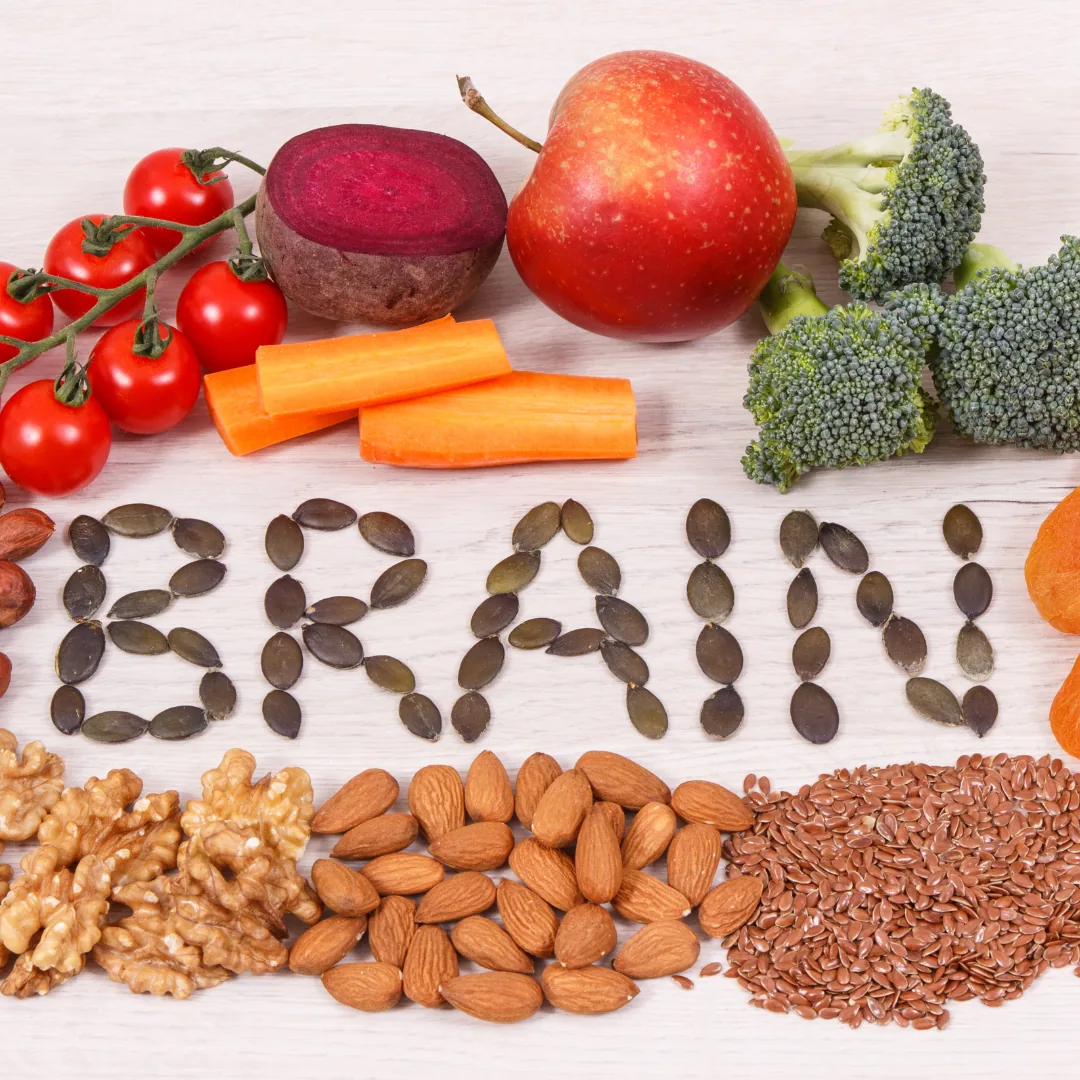
Almonds, walnuts, flax and pumpkin seeds, broccoli, beet, carrot sticks and cherry tomatoes arranged around seeds spelling "BRAIN".

Brain Fog and Memory Changes

The thyroid regulates brain metabolism. Insufficient T3 slows neural processing, impairs memory consolidation, and produces the mental fog and cognitive sluggishness that many hypothyroid patients describe. These symptoms are often dismissed as depression or aging.

Mood Disturbances

Depression is strongly associated with hypothyroidism. The thyroid influences serotonin production and brain metabolism. Many patients with persistent depression that has not responded to antidepressants have underlying thyroid dysfunction that has not been identified through a comprehensive panel.

Digestive Changes

Hypothyroidism slows gut motility, producing constipation and bloating. Hyperthyroidism accelerates motility, producing loose stools and urgency. Digestive symptoms from thyroid dysfunction are often treated as primary GI conditions without the thyroid connection being evaluated.

Stethoscope chestpiece resting beside a red heart model on a wooden surface, illustrating cardiovascular checks related to thyroid health.

Heart Rate and Cardiovascular Changes

The thyroid regulates heart rate and cardiac output. Hypothyroidism typically produces a slow heart rate, elevated cholesterol, and reduced cardiovascular output. Hyperthyroidism produces rapid heart rate, palpitations, and elevated blood pressure.

Woman rubbing her eyes and holding eyeglasses while seated at a laptop, appearing tired.

Anxiety and Nervousness

Hyperthyroidism and even some patterns of Hashimoto’s can produce significant anxiety, heart palpitations, tremor, and a general feeling of agitation that is often treated as primary anxiety without the thyroid component being investigated.

How Balance Atlanta Evaluates and Treats Thyroid Disorders

The evaluation at Balance Atlanta begins with a comprehensive thyroid panel and extends into all the biological systems that thyroid function depends on.

Comprehensive Thyroid Panel

Testing goes well beyond TSH. The panel includes free T3, free T4, reverse T3, and thyroid antibodies (TPO and thyroglobulin). Free T3 and reverse T3 reveal whether conversion is occurring optimally. Antibody testing identifies autoimmune thyroid disease that standard panels miss entirely. This level of evaluation reveals what is actually happening in the thyroid system rather than just what the pituitary is doing in response to it.

Nutrient Status Assessment

Selenium, zinc, iodine, iron, ferritin, and vitamin D are assessed because deficiencies in any of these directly impair thyroid function. These deficiencies are common, frequently missed on basic panels, and correctable. Addressing them is often the most straightforward first step in thyroid optimization.

Gut Health Evaluation

Because gut health is central to both T3 conversion and autoimmune thyroid activity, gut assessment is a core component of the thyroid workup. Stool testing examines microbiome composition and gut lining integrity. Food sensitivity testing identifies gluten and other dietary triggers that may be driving or worsening autoimmune thyroid processes.

Adrenal and Hormonal Assessment

A four-point cortisol panel reveals adrenal patterns that may be suppressing thyroid function or impairing T4-to-T3 conversion. A full sex hormone panel identifies concurrent hormonal imbalances that frequently accompany thyroid dysfunction and that need to be addressed alongside the thyroid to achieve full resolution of symptoms.

Autoimmune Trigger Investigation

When Hashimoto’s is confirmed or suspected, the plan addresses the autoimmune process, not only the hormone levels it produces. Gut restoration, food trigger removal, vitamin D optimization, stress reduction, and toxin exposure reduction are all components of reducing the immune burden driving the autoimmune attack on the thyroid.

Personalized Thyroid Optimization Plans

The plan is built from your specific findings. It may include targeted nutritional supplementation addressing confirmed deficiencies, dietary modifications including gluten removal where appropriate, gut-healing protocols, adrenal support, an anti-inflammatory framework, and coordination with the prescribing physician where thyroid medication is part of the care plan. Every recommendation connects to a specific finding.

Request Appointment

Why Choose Balance Atlanta for Thyroid Treatment?

Thyroid care at most practices begins and ends with TSH and levothyroxine. Balance Atlanta starts where standard care stops.

Testing That Reveals What Standard Panels Miss

Free T3, reverse T3, thyroid antibodies, and the full nutrient and hormonal assessment surrounding the thyroid provide a complete picture of thyroid function that a single TSH reading cannot. Patients who have been told their thyroid is normal frequently have identifiable thyroid dysfunction when evaluated comprehensively.

Hashimoto's Treated as an Autoimmune Condition, Not Just a Hormone Problem

Managing Hashimoto’s with levothyroxine alone addresses the hormone deficiency without addressing the autoimmune process causing it. Balance Atlanta investigates and targets the gut, dietary, nutritional, and inflammatory drivers of the autoimmune process, which reduces antibody levels and often stabilizes the thyroid over time.

Gut Health as a Thyroid Priority

Most thyroid care does not address gut health. Balance Atlanta places gut evaluation and gut healing at the center of thyroid care because T3 conversion, nutrient absorption, and autoimmune regulation all depend on it.

The Full Hormonal Picture

Adrenal function, sex hormones, and thyroid health interact directly. Treating the thyroid in isolation while cortisol dysregulation impairs conversion, or while sex hormone imbalances compound symptoms, produces incomplete results. Balance Atlanta evaluates all of these together.

Functional Medicine and Chiropractic Together

The nervous system’s regulation of metabolism and organ function directly involves the thyroid. Cervical spine health and autonomic nervous system function influence the regulatory environment in which the thyroid operates. Balance Atlanta addresses structural contributors alongside the biochemical ones.

How Thyroid Imbalance Affects the Rest of the Body

The thyroid regulates metabolism in every cell. When it is imbalanced, the effects extend into virtually every system.

Brain Function and Mood

T3 regulates serotonin production and brain metabolism. Insufficient T3 activity slows neural processing, impairs memory, and drives depression that is frequently misattributed to primary psychiatric causes. Hyperthyroid patterns produce anxiety and agitation through the same mechanism in reverse.

Cardiovascular Health

The thyroid regulates heart rate, cardiac output, and cholesterol metabolism. Hypothyroidism elevates LDL cholesterol and reduces cardiovascular efficiency. These cardiovascular effects often go unexplained when the thyroid connection is not investigated.

Gut Motility

Thyroid hormones regulate the speed at which the gut moves. Hypothyroidism slows motility and produces constipation, bloating, and bacterial overgrowth risk. This creates a circular problem: gut dysfunction impairs thyroid function, and thyroid dysfunction worsens gut health.

Adrenal and Hormonal Balance

The thyroid and adrenal systems are deeply interconnected. Thyroid dysfunction stresses the adrenals. Adrenal dysfunction impairs thyroid conversion. Sex hormones, particularly estrogen and progesterone, directly affect thyroid-binding globulin levels and thyroid hormone availability to tissues.

Metabolic Rate and Weight

Every calorie-burning process in the body depends on adequate thyroid hormone signaling. When that signaling is insufficient, basal metabolic rate drops, fat storage increases, and weight becomes resistant to dietary intervention regardless of how restricted the intake is.

Immune Regulation

In Hashimoto’s, the immune dysfunction driving thyroid destruction also produces broader immune dysregulation. Patients with Hashimoto’s have elevated rates of other autoimmune conditions. The immune pattern requires attention in its own right, not only as it affects the thyroid.

What Correcting Thyroid Imbalance Makes Possible

When thyroid function is genuinely optimized, the improvements reach every system that suboptimal thyroid activity has been slowing down.

Restored Energy

The deep, unrelenting fatigue of hypothyroidism is one of the first symptoms to improve when thyroid function is genuinely optimized. As cellular metabolism normalizes, energy becomes consistent, proportionate to activity, and present without stimulant support.

Weight and Metabolism Recovery

As metabolic rate normalizes and the hormonal signals regulating appetite and fat storage are restored, weight becomes more responsive to diet and activity. The metabolic resistance that made every effort feel futile begins to lift.

Mental Clarity and Mood

Cognitive function and mood improve significantly when T3 activity is restored. The brain fog, slow processing, and depression that characterize hypothyroidism are driven by metabolic deficits in brain tissue. When those deficits are corrected, the symptoms often resolve in ways that antidepressant treatment alone cannot achieve.

Hair, Skin, and Nail Recovery

As cell turnover normalizes, the hair loss, dry skin, and brittle nails characteristic of hypothyroidism improve. These changes take time, reflecting the pace of new cell generation, but they are among the most meaningful quality-of-life improvements patients report.

Normal Tolerance for Cold

As metabolic heat production is restored, the constant sensation of cold that hypothyroid patients carry, being cold when no one else is, cold hands, cold feet, low basal body temperature, normalizes.

Better Digestive Function

As gut motility normalizes, constipation and the bloating associated with sluggish digestion improve. Addressing the gut-thyroid relationship simultaneously accelerates recovery on both fronts.

Reduced Autoimmune Activity in Hashimoto's

When the gut triggers, food sensitivities, nutrient deficiencies, and inflammatory drivers of the autoimmune process are addressed, thyroid antibody levels often decrease. The immune system attacks the thyroid less aggressively. In some patients, antibody levels normalize completely. This does not happen with TSH management and levothyroxine alone.

Hormonal and Cardiovascular Improvement

As thyroid function normalizes, the downstream effects on cholesterol, heart rate, adrenal function, and sex hormone balance improve in parallel. The thyroid is the central metabolic regulator. When it is functioning optimally, the systems it governs function more optimally as well.

Common Questions

Have questions? We have honest answers.

We understand you’ve already been through the system—appointments, mixed answers, and limited results.That’s why Balance Atlanta takes a different approach, focusing on root causes, not just symptoms


Every plan is personalized, with clear guidance and honest communication at every step. The goal is simple: real, lasting improvements in how you feel and function every day.

Request Appointment
  • What does the thyroid do?

    The thyroid is a small, butterfly-shaped gland in the neck. It produces two hormones, T3 and T4, that influence nearly every cell in the body. These hormones regulate metabolism, energy production, body temperature, heart rate, mood, digestive function, reproductive health, and cognitive function. When thyroid output is too low, the body slows. Fatigue, weight gain, cold intolerance, and brain fog follow. When output is too high, the body accelerates. Anxiety, palpitations, heat intolerance, and unexplained weight loss are common. What makes thyroid dysfunction complicated is that symptoms can be present even when the standard TSH test looks normal. That happens because TSH reflects the signal sent to the thyroid, not how well the thyroid is actually performing, or how well the hormones it produces are being converted and used at the cellular level.
  • What are common symptoms of thyroid imbalance?

    Thyroid dysfunction presents differently depending on whether the gland is underactive or overactive, and symptoms can be subtle, especially in early stages. Hypothyroidism commonly causes fatigue that does not resolve with rest, unexplained weight gain, difficulty losing weight despite effort, cold intolerance, constipation, hair thinning, dry skin, brain fog, slow heart rate, depression, low libido, and menstrual irregularities. Hyperthyroidism more commonly produces anxiety, heart palpitations, heat intolerance, unexplained weight loss, loose stools, insomnia, shakiness, and increased appetite. Because these symptoms overlap with many other conditions, thyroid problems are often missed or misattributed. Functional medicine uses a detailed health history combined with comprehensive lab testing to identify patterns that standard evaluation overlooks.
  • How does functional medicine evaluate thyroid health?

    The evaluation starts with a comprehensive thyroid panel that goes well beyond a standard TSH test. At Balance Atlanta, this includes TSH, free T3, free T4, reverse T3, and thyroid antibodies, specifically TPO and anti-thyroglobulin antibodies. Free T3 and free T4 show how much active and inactive thyroid hormone is available in circulation. Reverse T3 indicates whether the body is blocking the active hormone from reaching cells, a pattern that can produce hypothyroid symptoms even when total hormone levels appear adequate. Thyroid antibody tests detect autoimmune activity, such as Hashimoto’s thyroiditis, that standard testing often misses. This is combined with a broader assessment of over 80 biomarkers covering gut health, adrenal function, nutrient status, inflammatory markers, liver function, and immune health. Thyroid symptoms do not arise in isolation. The full panel shows what is driving them.
  • What role does nutrition play in thyroid health?

    Nutrition is foundational for thyroid function. The thyroid requires specific nutrients to produce hormones, and the body requires others to convert them. Iodine is required for the synthesis of T3 and T4. Selenium is critical for the conversion of T4 into the active T3 form. Zinc and iron support hormone production. B vitamins support the broader metabolic processes that thyroid hormones regulate. Deficiencies in any of these are common, particularly in people under chronic stress, and directly impair thyroid performance. Diet quality matters beyond individual nutrients. Inflammatory diets drive systemic inflammation that interferes with thyroid hormone signaling. Blood sugar instability stresses the adrenal system, which indirectly impairs thyroid function. For some patients, gluten sensitivity or other food reactions contribute to gut inflammation that triggers or worsens autoimmune thyroid activity. Functional medicine uses lab testing to identify specific deficiencies, then builds nutritional support around what your body actually needs.
  • Can stress affect thyroid function?

    Yes, significantly. Chronic stress elevates cortisol, which suppresses thyroid hormone production and directly impairs the conversion of inactive T4 to active T3. High cortisol also promotes systemic inflammation, which can trigger or worsen autoimmune thyroid conditions, including Hashimoto’s. The adrenal and thyroid systems are closely connected. When the adrenal glands are under chronic demand, thyroid function suffers as a downstream consequence. This is why many patients with thyroid symptoms also show signs of adrenal dysregulation, and why treating the thyroid alone without addressing adrenal health often produces incomplete improvement. Functional medicine evaluates cortisol patterns through a four-point cortisol panel. When adrenal dysregulation is confirmed, targeted lifestyle strategies, adaptogenic support, and stress management tools are used to restore balance and reduce the stress load on the thyroid system.
  • How does gut health influence the thyroid?

    The gut and thyroid are more connected than most people realize. About 20 percent of the conversion from inactive T4 to active T3 happens in the gut. When the gut microbiome is imbalanced, when leaky gut is present, or when food sensitivities are driving chronic inflammation, that conversion is disrupted. The result can be hypothyroid symptoms even when the thyroid gland itself is producing adequate T4. Gut dysfunction is also a primary driver of autoimmune activity. The gut lining plays a key role in immune regulation. When it is compromised, the immune system becomes more likely to misidentify the body’s own tissue as a threat. This is a significant pathway through which gut problems can trigger or worsen Hashimoto’s. Functional medicine evaluates gut health with stool testing, food sensitivity panels, and nutrient absorption assessment where indicated. Restoring gut balance through dietary changes, targeted probiotics, and elimination protocols often leads to improvements in thyroid function alongside improved digestion.
  • What is Hashimoto's thyroiditis, and how does functional medicine help?

    Hashimoto’s thyroiditis is an autoimmune condition in which the immune system produces antibodies that attack thyroid tissue. It is the most common cause of hypothyroidism in developed countries. Over time, immune attacks damage the gland and reduce its ability to produce adequate hormones. Standard medicine typically diagnoses Hashimoto’s only when TSH becomes abnormal. Because thyroid antibody levels can remain elevated for years before TSH shifts, many patients with active autoimmune thyroid disease are told their thyroid is normal. Antibody testing is required to identify it. Functional medicine helps by identifying and addressing the triggers driving immune activity. These commonly include gut dysfunction, food sensitivities such as gluten reactivity, nutrient deficiencies, chronic stress, and environmental exposures. Medication may still be appropriate to support hormone levels, but addressing the triggers of immune dysregulation can reduce antibody activity, slow tissue damage, and produce meaningful symptom improvements that medication alone cannot achieve.
  • What lifestyle changes support thyroid health?

    Lifestyle has a significant impact on thyroid function, and changes in this area often produce faster early improvements than supplements or medication adjustments alone. Sleep quality directly affects both cortisol regulation and thyroid hormone conversion. Poor sleep raises cortisol levels, which suppress thyroid function. Prioritizing consistent, restorative sleep is one of the most impactful things a thyroid patient can do. Blood sugar stability reduces the adrenal burden that suppresses thyroid function. Eating balanced meals with adequate protein and healthy fats, avoiding long gaps between meals, and limiting refined sugar all support this. Regular physical activity supports metabolism and reduces inflammation. Intense overexercise, however, can raise cortisol levels and worsen thyroid function in patients with depletion. Moderate, consistent movement is more beneficial than high-intensity training for most people recovering from thyroid dysfunction. Reducing toxin exposure, including filtering drinking water and minimizing plastic use, reduces the endocrine-disrupting chemical load that interferes with thyroid hormone production.
  • How long does it take to see improvements in thyroid symptoms?

    The timeline depends on what is driving the dysfunction and how long it has been present. Some patients notice improvements in energy and mood within a few weeks of nutritional and lifestyle changes. These are often the most responsive early indicators. Symptoms related to hair, skin, metabolism, and cognitive function tend to take longer. These systems respond to sustained hormone balance over weeks to months, not days. For patients with Hashimoto’s or significant adrenal or gut dysfunction, meaningful improvement typically requires several months of consistent care. Autoimmune patterns and systemic imbalances do not resolve quickly, and attempts to accelerate the process often lead to setbacks. Labs are retested at appropriate intervals to track progress and adjust the plan. The goal is sustained improvement in both symptoms and the underlying markers, not a short-term fix that fades.
  • Should functional medicine replace thyroid medication?

    No. Functional medicine does not replace thyroid medication when it is needed. For patients with hypothyroidism or Hashimoto’s, medication may be essential to stabilize hormone levels, particularly while the underlying contributors are being addressed. What functional medicine adds is the investigation and treatment of the factors that medication does not reach. Medication replaces what the thyroid is not producing. It does not address why the thyroid is struggling, why conversion is impaired, or why the immune system is attacking the gland. Patients on thyroid medication who are still symptomatic are often in this gap. Their hormone levels appear managed on paper, but the root causes remain active. Functional medicine is designed to work in exactly this space. The most effective approach for most patients combines appropriate conventional management with the root cause investigation and systemic support that functional medicine provides. Both have a role. Neither is sufficient alone for most people with complex thyroid dysfunction.

Disclaimer

BrainCore Therapy and neurofeedback services are intended to support overall wellness, brain health, stress management, focus, relaxation, and quality of life. While some individuals may experience improvement in symptoms or functioning, results vary from person to person, and no specific outcome or cure can be guaranteed.

BrainCore Therapy is not intended to diagnose, treat, cure, or prevent any medical or mental health condition. Information provided on this website, during consultations, or throughout care is for educational and wellness purposes only and should not be considered medical advice.

BrainCore Therapy is not a substitute for medical care, psychiatric care, psychological counseling, or treatment provided by a licensed physician, psychiatrist, psychologist, or other qualified healthcare professional. Patients should continue taking prescribed medications unless otherwise directed by their prescribing physician.

If you are experiencing a medical emergency, severe psychiatric symptoms, suicidal thoughts, or any urgent health concern, seek immediate medical attention or contact emergency services.

Always consult your physician or qualified healthcare provider regarding any medical or mental health concerns, diagnoses, medications, or treatment decisions before beginning or changing any healthcare program, including neurofeedback therapy.