PMS & Chiropractic Care

Cramps that stop you in your tracks. Bloating that makes you feel like a different person. Mood shifts that feel disproportionate and exhausting. Headaches, back pain, and fatigue that arrive like clockwork every month.

PMS is real. It is not in your head. But how severely you experience it is not fixed. It depends on more than just your hormones.

The physical and neurological load your body is carrying every month shapes how hard those hormonal shifts hit. When the nervous system is under stress, when the pelvis and lower spine are out of alignment, when inflammation and nutritional gaps are quietly making everything harder, the same hormonal fluctuations that some women barely notice become genuinely debilitating.

At Balance Atlanta, Dr. Caroline von Fluegge-Chen addresses that physical and neurological load. Chiropractic care, craniosacral therapy, lab testing, and nutritional support do not change your hormones. They change what your body has to work with when those hormones shift.

Request Appointment

Why PMS Varies So Much from Person to Person

Premenstrual syndrome affects an estimated 75 percent of women at some point in their reproductive years. For roughly 20 to 40 percent, symptoms are significant enough to interfere with daily life. For a smaller group, they are severe enough to meet the criteria for premenstrual dysphoric disorder.

The hormonal fluctuations of the menstrual cycle are essentially the same in all women. What differs is how the body handles them.

Women with well-regulated nervous systems, good nutritional status, low inflammation, and a structurally balanced pelvis and spine tend to experience PMS mildly if at all. Women carrying chronic physical stress, nervous system dysregulation, nutritional deficiencies, and elevated inflammation often experience the same hormonal fluctuations far more intensely.

This matters because it means PMS is not entirely fixed by biology. The load you carry is something that can be assessed and addressed. Reducing it changes the experience.

Most treatment focuses on the hormones, with birth control, anti-inflammatories, or antidepressants. Those approaches work for some women. For others, they manage symptoms without resolving the underlying physical picture that amplifies them.

Request Appointment

Common Contributors to Severe PMS Symptoms

PMS symptoms are driven by hormonal fluctuations. But the factors below determine how much those fluctuations affect the body each month.

Nervous System Stress from Spinal Misalignment

The nervous system regulates pain sensitivity, inflammation, mood, and the body’s ability to adapt to change. Spinal misalignment creates mechanical stress on the nervous system that runs continuously. When the body is already managing that background stress, the additional demands of hormonal fluctuation are harder to absorb.

Pelvic and Lumbar Misalignment

The pelvis and lower spine house the nerves that supply the uterus, ovaries, and surrounding structures. Misalignment in these regions can increase cramping intensity, restrict blood flow to pelvic organs, and heighten pain sensitivity in the lower abdomen and back. Many women with severe menstrual cramps have significant pelvic restriction they are not aware of.

Elevated Inflammation

Prostaglandins, the compounds responsible for uterine contractions and cramping, are inflammatory mediators. Women with higher baseline inflammation produce more prostaglandins and experience more intense cramps. Diet, gut health, and nutritional deficiencies all affect how much background inflammation the body is carrying into each cycle.

Nutritional Deficiencies

Magnesium, vitamin B6, vitamin D, omega-3 fatty acids, and iron all play direct roles in hormonal regulation, mood stability, inflammation control, and energy. Deficiencies in these nutrients are common and frequently unidentified. They amplify PMS symptoms in ways that are measurable and correctable.

Hormonal Imbalance

Estrogen dominance, where estrogen is high relative to progesterone, is one of the most common hormonal patterns underlying severe PMS. It drives mood symptoms, bloating, breast tenderness, and heavy cycles. Lab testing identifies this pattern specifically and allows for targeted nutritional and lifestyle support.

Chronic Stress and Cortisol Elevation

Chronic stress elevates cortisol, which competes with progesterone and disrupts the hormonal balance of the luteal phase. Women under significant ongoing stress often notice their PMS symptoms worsen during high-stress periods. This is not coincidence, it is a direct hormonal consequence of the stress response.

Poor Posture and Thoracic Restriction

Forward head posture and thoracic restriction affect breathing, circulation, and the overall tension level in the body. They maintain nervous system activation and increase the physical load that compounds PMS symptoms. Many women with chronic PMS have significant postural patterns that have never been addressed.


The Nervous System, Hormones, and the Menstrual Cycle

The nervous system and the hormonal system are not separate. They communicate constantly, and the state of one directly affects the function of the other.

The hypothalamus and pituitary gland, both part of the central nervous system, control the hormonal signals that drive the menstrual cycle. They regulate the release of FSH and LH, which trigger ovulation and govern estrogen and progesterone production. When the nervous system is under chronic stress, these regulatory signals become less precise. Hormonal fluctuations become less smooth and more disruptive.

The nerves that supply the uterus and ovaries exit through the lumbar and sacral spine. Restriction or misalignment in those regions can increase pain sensitivity in the pelvic organs and intensify uterine cramping during menstruation. This is not a theory, it is a documented anatomical relationship that explains why pelvic alignment affects menstrual symptoms.

The autonomic nervous system, the part that governs stress and recovery, also influences how the body experiences the premenstrual phase. In sympathetic dominance, pain is amplified, mood regulation is harder, and inflammation is more difficult to resolve. Shifting toward parasympathetic balance supports more comfortable cycles.

Lumbar and Sacral Nerve Supply

Adjustments to the lumbar and sacral spine reduce nerve irritation in the region that supplies the uterus and pelvic organs. This is one of the most direct mechanisms by which chiropractic care affects menstrual cramps.

Pelvic Alignment and Circulation

Proper pelvic alignment supports blood flow to the uterus and reduces the muscular tension that amplifies cramping. Misalignment creates asymmetrical tension in the muscles and ligaments of the pelvis that persists through every menstrual cycle.

Nervous System Regulation and Pain Sensitivity

Chiropractic adjustments and craniosacral therapy help shift the nervous system toward parasympathetic dominance. In that state, pain sensitivity decreases. The body is better positioned to handle the inflammatory mediators that drive cramping.

Stress Response and Hormonal Balance

Reducing physical stress on the nervous system supports more stable cortisol patterns. Stable cortisol supports progesterone production and the hormonal balance that makes the luteal phase more manageable.

Request Appointment

Biological Contributors to Anxiety and Depression

Mood disorders rarely develop from a single cause. The following biological factors are among the most common and most consistently overlooked contributors.

Menstrual Cramps

Cramping driven by pelvic restriction, lumbar nerve irritation, and elevated prostaglandins is directly addressable through spinal and pelvic adjustments, nutritional support, and inflammation reduction.

Lower Back and Hip Pain

Pain in the lower back, hips, and sacrum during the premenstrual phase often reflects both hormonal inflammation and physical misalignment. Addressing the structural component reduces this pain independently of the hormonal one.

Headaches and Migraines

Premenstrual headaches are frequently triggered by hormonal shifts but worsened by cervical tension and nervous system stress. Adjustments to the cervical spine and craniosacral work reduce the physical triggers that make hormonal headaches more severe.

Bloating and Digestive Discomfort

Bloating during PMS involves both hormonal effects on the gut and the influence of the nervous system on digestion. Reducing nervous system stress and addressing nutritional and gut health factors through functional medicine support may reduce bloating frequency and intensity.

Mood Swings and Irritability

Emotional symptoms during PMS reflect both hormonal changes and the body’s overall stress state. Physical pain amplifies irritability. Poor sleep compounds mood dysregulation. Reducing the physical burden the body is carrying can make emotional symptoms noticeably more manageable.

Fatigue

Premenstrual fatigue is driven by hormonal changes, iron status, nutritional deficiencies, and sleep disruption. Lab testing identifies the specific contributors. Nutritional support and improved sleep quality through nervous system care address them directly.

Breast Tenderness

Breast tenderness during PMS is strongly associated with estrogen dominance. Lab testing identifies this pattern. Nutritional and lifestyle support to promote healthy estrogen metabolism can reduce this symptom over time.

How We Support Women with PMS

Chiropractic Adjustments

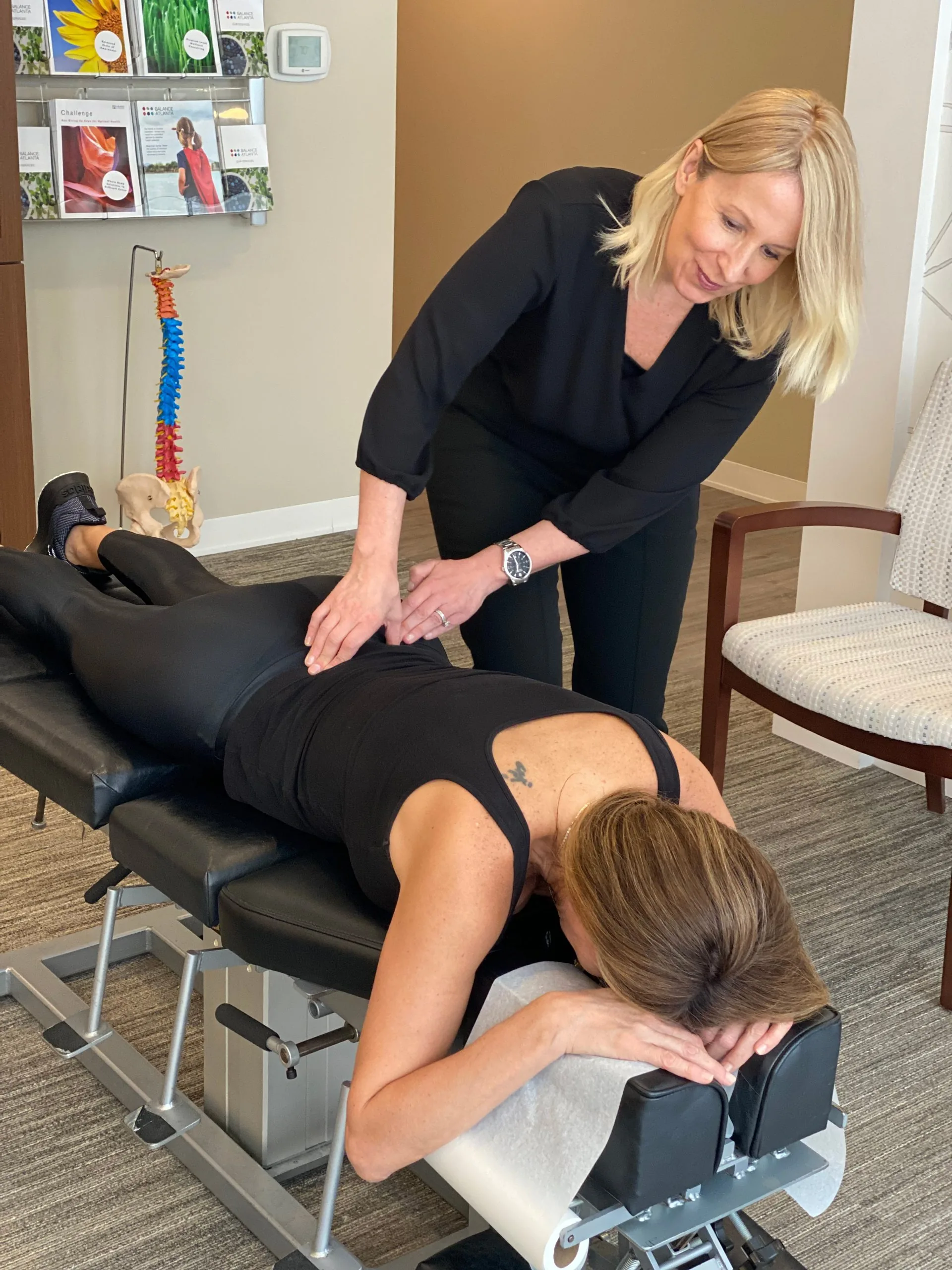
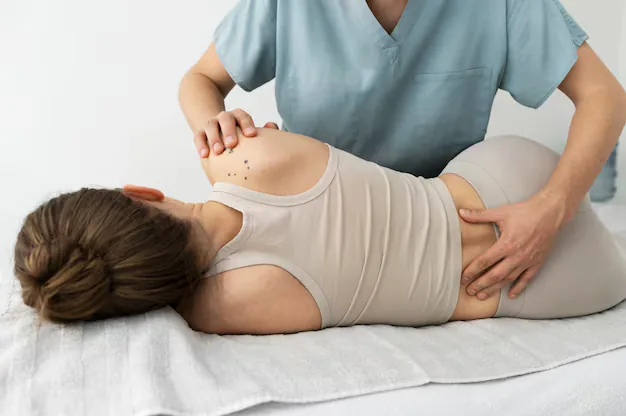
Focused adjustments to the lumbar spine, sacrum, and pelvis restore alignment in the region that directly affects nerve supply and circulation to the uterus and pelvic organs. For women with menstrual cramps and premenstrual back pain, this is often the most immediate and tangible area of improvement. Cervical and thoracic adjustments reduce the nervous system stress and headache patterns that compound PMS symptoms.

Craniosacral Therapy

Craniosacral work uses extremely light touch to release tension in the membranes surrounding the brain and spinal cord and to address restrictions at the sacrum that affect pelvic organ function. For women whose PMS includes significant nervous system dysregulation, anxiety, mood instability, sleep disruption, craniosacral therapy is one of the most effective tools for shifting toward the parasympathetic state where those symptoms ease.

Functional Medicine and Lab Testing

Lab testing takes the guesswork out of understanding what is driving PMS severity. Testing may include hormone panels to identify estrogen dominance or progesterone insufficiency, nutritional assessment for magnesium, B6, vitamin D, and iron, inflammatory markers, and thyroid function. Understanding the biochemical picture allows for targeted nutritional and lifestyle recommendations rather than generic advice.

[FLAG FOR CAROLINE TO CONFIRM] If you use DUTCH testing or a specific hormone panel for your women’s health patients, naming it here would make this section significantly more specific and credible. Let me know and I can update it.

Nutritional and Lifestyle Guidance

Specific nutritional support for PMS is well documented. Magnesium reduces cramping and mood symptoms. Vitamin B6 supports progesterone production. Omega-3 fatty acids reduce prostaglandin-driven inflammation. Dietary strategies to support healthy estrogen metabolism, including cruciferous vegetables and fiber, are practical and meaningful. Dr. Caroline provides guidance based on what lab findings show, not a generic hormone-balancing protocol.

Request Appointment

Why Choose This Approach for PMS?

A Complete Picture

Most PMS treatment addresses either the hormones or the pain separately. This approach looks at the structural, neurological, nutritional, and hormonal factors simultaneously. That is the difference between managing symptoms and reducing what drives them.

Non-Hormonal Support

For women who do not want to use hormonal birth control or who have not found adequate relief from it, addressing the physical and nutritional contributors to PMS provides a meaningful alternative path.

Care That Changes Month to Month

As spinal alignment improves, nervous system regulation improves, and nutritional deficiencies are corrected, most women notice their symptoms shifting over several cycles. The goal is not symptom management each month. It is a body that handles the hormonal demands of the cycle with less disruption.

Honest Expectations

Chiropractic care, craniosacral therapy, and functional medicine support do not eliminate PMS or change the hormonal fluctuations of the menstrual cycle. They reduce the physical and neurological load that determines how severely those fluctuations affect the body. Most women notice meaningful improvement over consistent care. Some notice dramatic improvement. Dr. Caroline will give you an honest picture of what is realistic for your situation.

Common Questions

Have questions? We have honest answers.

We understand you’ve already been through the system—appointments, mixed answers, and limited results.That’s why Balance Atlanta takes a different approach, focusing on root causes, not just symptoms


Every plan is personalized, with clear guidance and honest communication at every step. The goal is simple: real, lasting improvements in how you feel and function every day.

Request Appointment
  • What is PMS?

    Premenstrual syndrome is a pattern of physical, emotional, and behavioral symptoms that occur in the days or weeks before menstruation and resolve when the period begins. Common symptoms include cramping, bloating, lower back pain, headaches, fatigue, breast tenderness, irritability, mood swings, and difficulty concentrating. PMS is caused by the hormonal fluctuations of the luteal phase, the two weeks between ovulation and menstruation. Estrogen and progesterone shift significantly during this period. In women with well-regulated nervous systems and good nutritional status, these shifts are manageable. In women carrying physical stress, nutritional deficiencies, or hormonal imbalances, the same fluctuations can be significantly disruptive. PMS is common. It is not, however, inevitable in its severity. The physical and neurological load a woman carries directly influences how hard the luteal phase hits.
  • How does the nervous system relate to PMS?

    The nervous system regulates pain sensitivity, inflammation, mood, and the body’s ability to adapt to hormonal changes. When the nervous system is under chronic physical stress, from spinal misalignment, poor posture, or accumulated tension, its capacity to buffer the demands of the luteal phase is reduced. The nerves that supply the uterus and ovaries exit through the lumbar and sacral spine. Restriction in those regions increases pain sensitivity in the pelvic organs and can intensify cramping directly. Chiropractic adjustments reduce that restriction and the nerve irritation it produces. More broadly, shifting the nervous system toward parasympathetic dominance, the state of rest and recovery, reduces pain amplification, supports mood regulation, and makes the luteal phase easier to move through. Chiropractic care and craniosacral therapy both contribute to that shift.
  • Can chiropractic care help with menstrual cramps?

    For many women, yes, particularly when cramps have a pelvic alignment and nerve irritation component. Menstrual cramps are driven by prostaglandins, which cause uterine contractions. But how intensely those contractions are felt depends partly on the nerve supply to the uterus. When the lumbar and sacral spine are restricted, pain signals from the uterus are amplified. Adjustments that restore mobility in those regions reduce that amplification. Pelvic alignment also affects muscular tension and blood flow in the lower abdomen. When the pelvis is asymmetrical or restricted, the surrounding muscles stay in a state of tension that compounds cramping pain. Restoring alignment and reducing that muscular tension often produces a noticeable reduction in cramping intensity over consistent care. Nutritional support, particularly magnesium and omega-3 fatty acids, reduces prostaglandin-driven inflammation and complements the structural work.
  • Can chiropractic care help with PMS-related mood symptoms?

    Mood symptoms during PMS reflect both hormonal changes and the physical state of the body. Pain amplifies irritability. Poor sleep degrades emotional resilience. Nervous system stress makes the body less able to regulate emotional responses. Chiropractic adjustments and craniosacral therapy reduce the physical contributors to mood symptoms, pain, sleep disruption, and nervous system activation. Many women notice that after consistent care they feel less reactive during the premenstrual phase, even before their hormonal picture changes significantly. Lab testing that identifies estrogen dominance or progesterone insufficiency allows for nutritional support that addresses the hormonal contributors directly. Vitamin B6, magnesium, and dietary strategies to support progesterone production and healthy estrogen metabolism are all relevant here.
  • What is estrogen dominance and how does it relate to PMS?

    Estrogen dominance refers to a state where estrogen is elevated relative to progesterone. It does not necessarily mean estrogen is abnormally high, it means the ratio between the two hormones is out of balance. Estrogen dominance drives many of the most disruptive PMS symptoms, mood swings, bloating, breast tenderness, heavy periods, and intense cramping. It is one of the most common hormonal patterns in women with significant PMS, and it is frequently unidentified because standard blood panels may show estrogen levels in the normal range without assessing the ratio. Specialized hormone testing identifies this pattern. Dietary strategies, including cruciferous vegetables, fiber, and specific supplements, support healthy estrogen metabolism and help restore the ratio over time.
  • How does posture affect PMS symptoms?

    Poor posture creates ongoing physical tension in the lower back, pelvis, and thoracic spine. That tension amplifies the pain sensitivity and nervous system stress that make PMS symptoms more intense. Forward head posture and rounded shoulders also compress the chest and restrict breathing, which maintains sympathetic nervous system activation. In sympathetic dominance, pain is amplified and mood regulation is harder. This is the physiological reason that physical tension compounds emotional PMS symptoms. Correcting posture through chiropractic adjustments and practical guidance reduces that ongoing tension load. Over time, a body that carries less structural stress handles the hormonal demands of the menstrual cycle with less disruption.
  • Is chiropractic care safe during menstruation?

    Yes. Chiropractic adjustments are safe during menstruation and can be particularly helpful during this time. Techniques are adapted to each patient’s comfort level. For women experiencing heightened sensitivity or acute cramping, gentler approaches are used. Many women find that receiving an adjustment during menstruation reduces lower back pain, eases pelvic tension, and improves overall comfort during the first days of their cycle. Craniosacral therapy is especially well suited to the menstrual phase, as its extremely light touch approach is both safe and deeply relaxing.
  • How does lab testing help with PMS?

    Lab testing removes the guesswork from understanding what is driving PMS severity. Without testing, nutritional and hormonal recommendations are generic. With testing, they are targeted. Testing for women with PMS may include hormone panels to identify estrogen dominance or progesterone insufficiency, nutrient levels including magnesium, vitamin B6, vitamin D, and iron, inflammatory markers, thyroid function, and cortisol patterns. Each of these has a direct relationship with PMS symptom severity and each is addressable through specific nutritional and lifestyle strategies. Testing is particularly valuable for women whose symptoms have not improved with standard approaches or who suspect there is a hormonal or nutritional component that has not been identified.
  • Should chiropractic care replace medical treatment for PMS?

    No. If you are working with a gynecologist or other provider for PMS management, that relationship should continue. If your symptoms are severe enough to significantly affect your quality of life, medical evaluation is appropriate. Chiropractic care, craniosacral therapy, functional medicine testing, and nutritional support address the physical, neurological, and biochemical contributors to PMS that most medical treatment does not reach. They work alongside medical care, not in place of it. For women who want to reduce their reliance on pain medication or birth control for symptom management, addressing the underlying contributors through this approach creates a path toward meaningful change rather than indefinite suppression.