
Muscle Spasm and Inflammation

Muscle Spasm and Inflammation Treatment

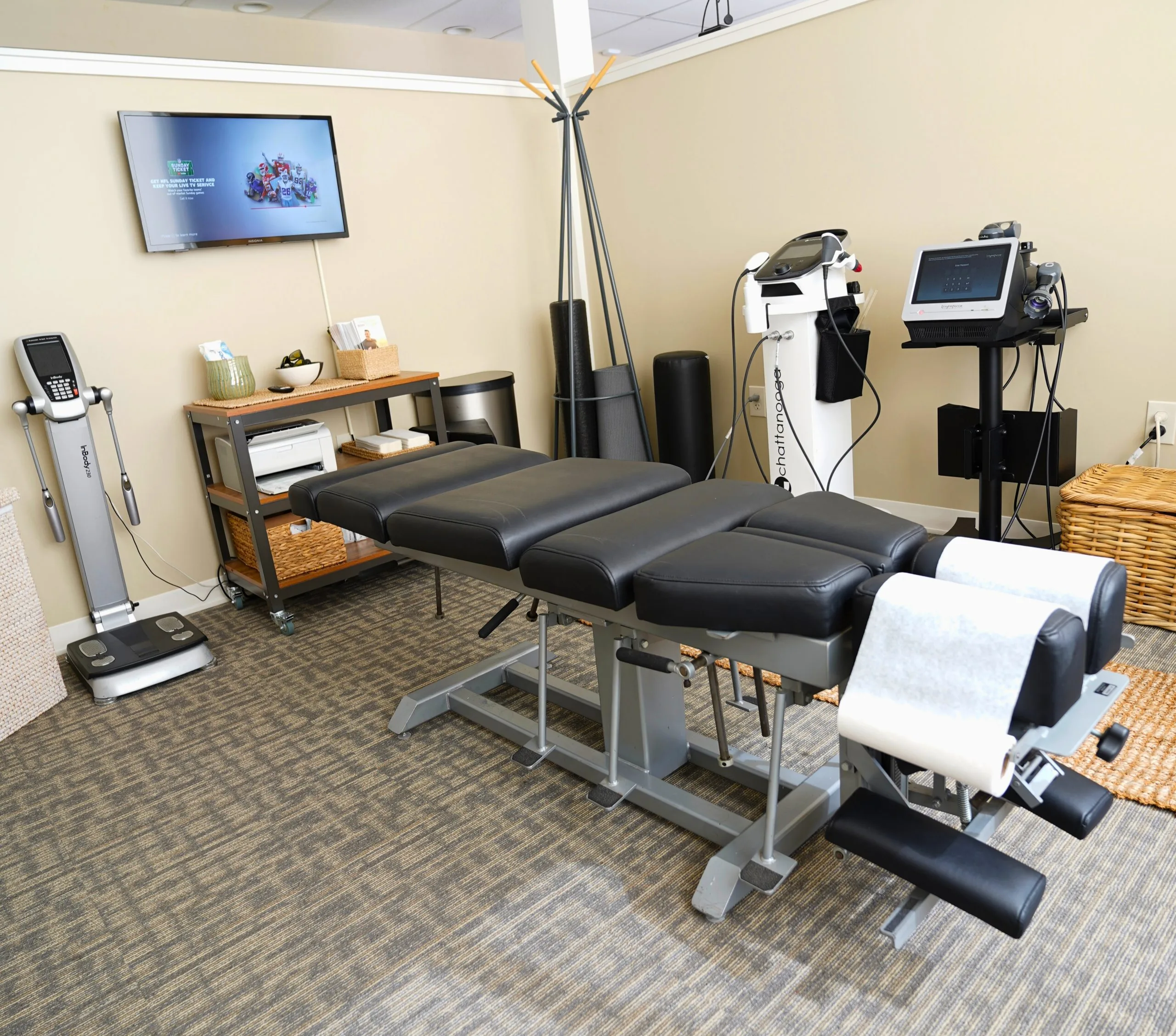
Chiropractic treatment table with therapeutic machines, foam rollers and storage shelves in a clinic room for muscle-spasm care.

Muscle spasms have a way of stopping you completely. Your back locks up getting out of bed, your neck goes rigid after a day at a desk, and that same spot tightens again a few weeks later, no matter how consistently you stretch or how carefully you move. The spasm eases, you feel better, and then the cycle starts over.

That pattern is telling you something. A muscle that keeps seizing is not a muscle that needs more stretching. It is a muscle that is overworking because something else is not doing its job. Spasms are often the body’s way of guarding an unstable joint, a compressed nerve, or an area of chronic inflammation that has never fully resolved. Treating the spasm without addressing its trigger is why the relief never quite sticks.

A muscle spasm is not the problem. It is the signal. The muscle is contracting hard and staying contracted because something is wrong underneath it. A misaligned joint is putting pressure on a nerve. Chronic inflammation keeps the tissue irritated. A movement pattern that has been overloading the same area for months. Stretching and resting quiet the signal. They do not fix what is triggering it.

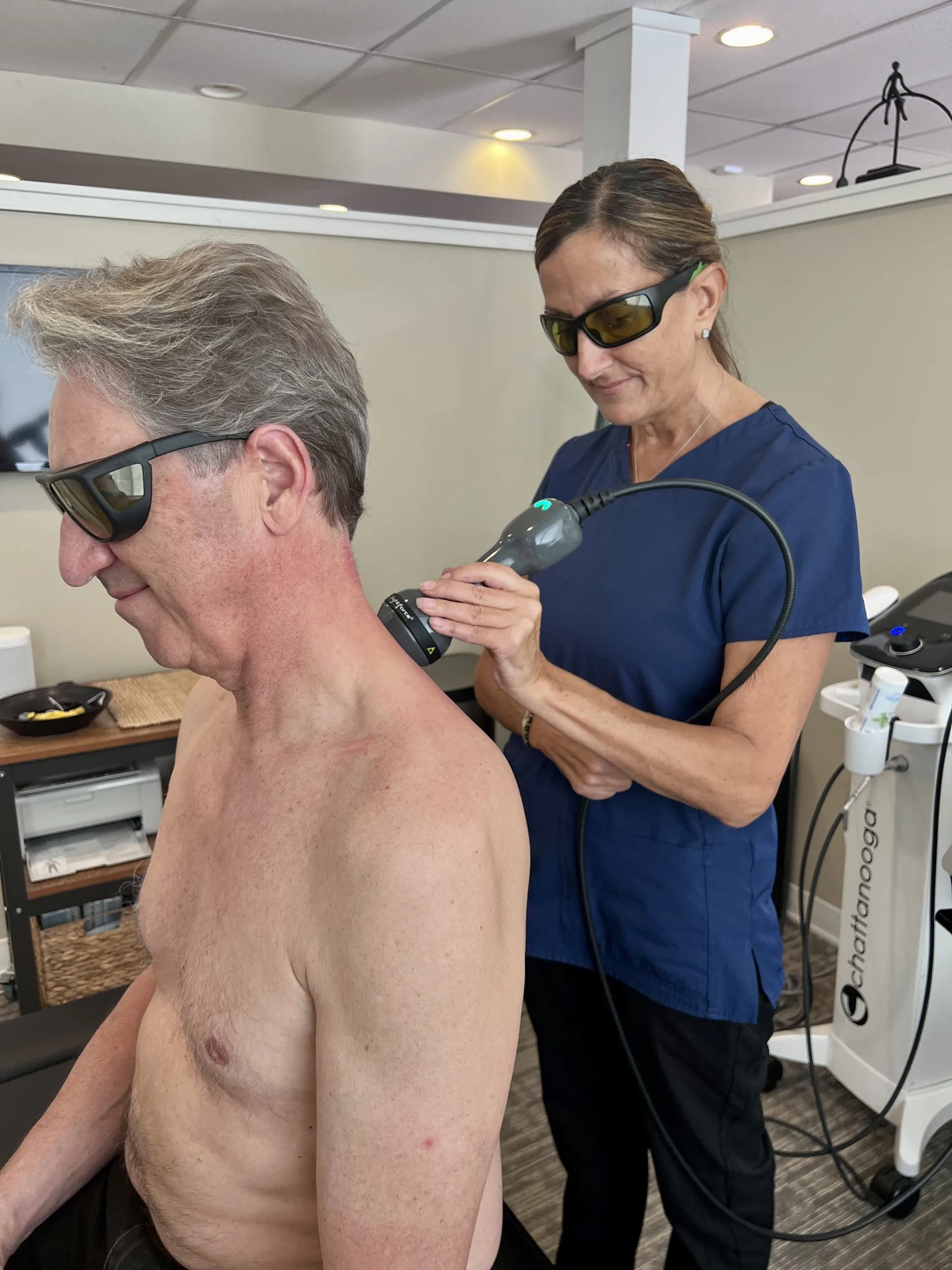
At Balance Atlanta, Dr. Caroline von Fluegge-Chen identifies the actual cause of the spasm. She then uses chiropractic adjustments, Class IV laser therapy, radial pressure shockwave, and trigger point work to address both the muscle and the underlying cause. That is why patients who have been managing spasms for months finally see them stop.

Request Appointment

Why Muscle Spasms Keep Coming Back

About 60 percent of people experience muscle spasms at some point. The back and legs are the most common locations. Among athletes, roughly 30 percent deal with sports-related muscle injuries each year. Chronic inflammation is even more widespread. Research estimates that up to 50 percent of adults carry elevated levels of chronic inflammation.

Despite how common these problems are, most people treat them the same way. Rest when it happens. Stretch when it eases. Maybe take a muscle relaxant. This approach manages the episode without addressing the cycle.

The cycle continues because the trigger has not been identified or corrected. Joint restriction, spinal misalignment, and soft tissue inflammation are the most consistent underlying drivers. These do not resolve on their own, and they do not respond to rest. They respond to specific treatment.

Understanding Muscle Spasms

A muscle spasm is a sudden, involuntary contraction of muscle fibers. The muscle tightens and stays tight. It can feel like a sharp cramp, a hard knot, or a locking sensation that makes movement painful or impossible. Spasms can last seconds or persist for hours. They are most common in the back, neck, legs, and shoulders. But the location of the spasm is often not where the real problem is.

Here is what is actually happening. Your nervous system detected a threat. Maybe a joint moved in a way it should not have. Maybe a nerve was irritated. Maybe the muscle was simply exhausted from being overworked. The brain responded by ordering the muscle to contract hard and stay contracted. This is a protective response. The muscle is essentially a splint, locking down the area to prevent further injury.

That protection makes sense in the short term. When it becomes a recurring pattern, it means the underlying threat has not been resolved. The nervous system keeps sounding the alarm because the problem is still there.

Understanding Inflammation

Inflammation is the body’s healing response. When tissue is damaged, irritated, or under attack, the immune system sends fluid, white blood cells, and chemical signals to the area. You experience this as redness, swelling, warmth, and pain. Short-term inflammation is how the body repairs itself. It is a good thing.

Chronic inflammation is different. It means the body is stuck in repair mode. The trigger has not been removed, so the immune system stays activated. The tissue never fully heals. Pain and stiffness become the baseline, not the exception.

Chronic inflammation in muscles and joints is driven by mechanical stress, poor circulation, diet, and nervous system irritation. All of these are addressable. Treating chronic inflammation requires reducing the ongoing irritation, not just managing the symptoms it produces.

Request Appointment

Common Causes of Muscle Spasms and Inflammation

Spinal Misalignment

When a vertebra is slightly out of its normal position, it can irritate the surrounding nerves. Those nerves communicate with muscles. An irritated nerve sends abnormal signals to its muscle, creating tension that does not go away and eventually produces a spasm. This is one of the most consistent and most overlooked drivers of recurring muscle spasms, especially in the back and neck. Correcting the alignment removes the nerve irritation and breaks the cycle.

Overuse and Repetitive Strain

Doing the same movement repeatedly or holding the same position for long periods can exhaust specific muscle groups and cause micro-damage to the tissue. This triggers inflammation and eventually spasm as the muscle tries to protect itself from further injury. Desk workers, athletes, and anyone doing repetitive manual work are particularly susceptible.

Poor Posture

Sustained poor posture places some muscles in a chronically shortened position and others in a chronically lengthened one. Both states create tension and dysfunction. The shortened muscles eventually spasm. The lengthened ones fatigue and become unable to support the joints they are supposed to protect. Postural correction directly reduces the mechanical load that produces spasms.

Trigger Points

A trigger point is a tight, contracted knot inside a muscle. It develops when muscle fibers cannot fully relax after being overworked or injured. Trigger points are painful when pressed, and they refer pain and tension to other areas of the body. They are self-perpetuating. The knot reduces circulation to the area, which keeps the tissue in a state of low-grade irritation and maintains the contraction. They do not resolve on their own.

Nerve Irritation

When a nerve is compressed or irritated, the muscles it supplies become hyperactive. They contract more easily, fatigue more quickly, and are more prone to spasm. This is why spinal disc problems, herniated discs, and nerve compression in the neck or lower back almost always produce muscle symptoms in the arms, legs, or back.

Dehydration and Electrolyte Imbalance

Muscles need adequate fluid and the right balance of minerals to contract and relax normally. Potassium, magnesium, and calcium all play direct roles in muscle function. When levels are low, the muscle’s electrical signaling is disrupted and spasms become more likely. This is particularly relevant for people who sweat heavily during exercise or work.

Stress

Stress activates the nervous system’s fight-or-flight response, which increases muscle tension throughout the body. The neck, shoulders, and jaw are particularly vulnerable. Chronic stress means the muscles never fully relax. They remain in a state of low-level contraction that eventually leads to spasm and contributes to systemic inflammation through elevated stress hormones.

Injury and Trauma

A strain, sprain, or direct impact to muscle tissue triggers immediate inflammation and often spasm as the muscle contracts to protect the injured area. When the initial injury is not fully resolved, the muscle can remain in a guarded state for weeks or months, creating the chronic tension pattern that produces recurring spasms long after the original injury.

Chronic Inflammation from Diet

A diet high in processed foods, refined sugars, and inflammatory fats raises the baseline level of inflammation throughout the body. This makes muscle and joint tissue more sensitive, more reactive to stress, and slower to heal. Reducing dietary inflammation is one of the simplest things a person can do to reduce chronic muscle pain and the frequency of spasms.
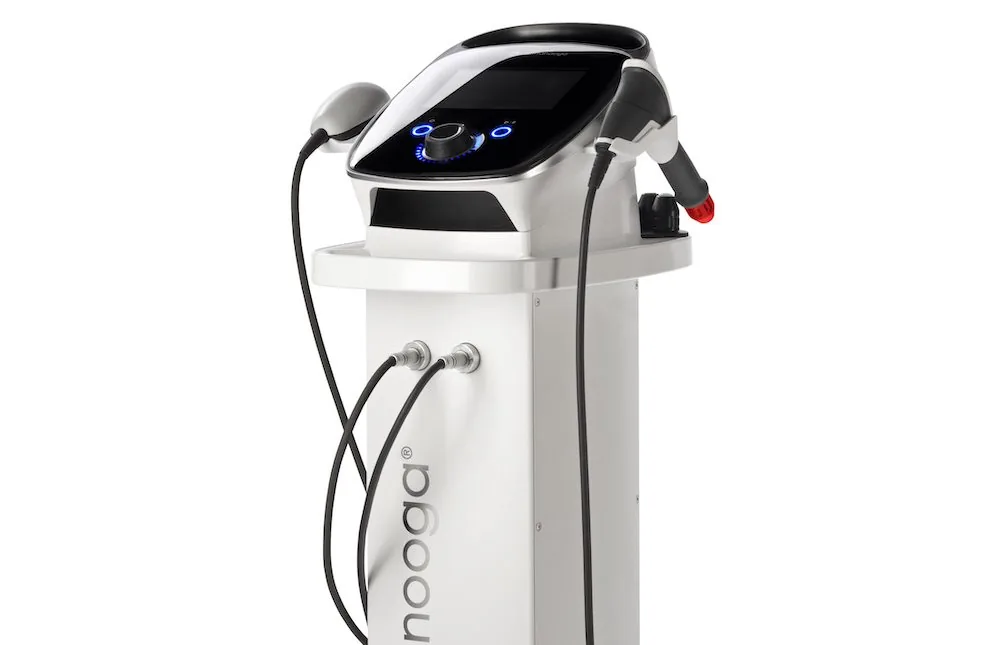
Shockwave therapy machine with two handheld applicators and a digital control panel, used in chiropractic treatment for muscle spasms and inflammation

How Muscle Spasms and Inflammation Feel

Symptoms vary depending on which muscles are involved, how long the problem has been present, and what is driving it. These are the most common patterns.

Sudden Locking or Seizing

A muscle that contracts hard without warning and will not release. Movement in the affected area becomes limited or impossible. Common in the lower back after bending or lifting, and in the neck after sleeping in an awkward position.

Tight, Knotted Feeling

A hard spot in the muscle that persists between acute episodes. Tender to touch. May refer dull aching pain to adjacent areas. This is typically a trigger point and it does not go away with rest alone.

Stiffness After Rest

Muscles that are stiff and painful in the morning or after sitting for an extended period, then loosen slightly with movement. This pattern indicates chronic low-grade inflammation in the tissue that worsens when circulation slows during inactivity.

Aching That Spreads

A deep, dull ache that does not stay in one place. Trigger points in the back refer pain into the glutes and legs. Neck trigger points refer into the head and shoulders. If the pain seems to move or radiate, trigger points and nerve irritation are likely involved.

Reduced Range of Motion

The muscle is so tight that the joint it crosses cannot move through its full range. Turning the head, bending forward, or raising an arm becomes restricted. This is the body guarding an area it perceives as threatened.

Pain That Returns in the Same Spot

The most telling symptom. If the same muscle keeps going into spasm in the same location, the underlying trigger has not been removed. This is the clearest sign that rest and stretching alone are not enough.

Request Appointment

How Balance Atlanta Treats Muscle Spasms and Inflammation

Care starts with a thorough evaluation. Dr. Caroline identifies the muscles involved, the joints that may be contributing, posture patterns, and any relevant systemic factors, such as diet or hydration. The treatment plan targets the specific drivers of each patient’s symptoms.

Chiropractic Adjustments

Spinal and joint adjustments directly address the most consistent structural cause of recurring muscle spasms. When a joint is restricted or misaligned, the nerves surrounding it remain irritated, and the muscles they supply stay in a state of heightened tension. A precise, gentle adjustment restores normal joint movement, removes the mechanical irritation, and allows the nervous system to reduce the protective muscle guarding that produces spasm. The results are often immediate.

Trigger Point Therapy

Trigger points do not respond to general stretching or rest. They need direct release. Dr. Caroline applies specific manual pressure to the contracted knot and holds it until the tissue releases. This restores circulation to the area, breaks the contraction cycle, and removes the referred pain patterns that trigger points produce. Releasing the key trigger points often produces the most immediate reduction in overall muscle pain of any treatment in the plan.

Radial Pressure Shockwave Therapy

Shockwave therapy uses acoustic pulses to treat the chronic changes that develop in muscle and connective tissue when inflammation has been present for a long time. When tissue stays inflamed and contracted for weeks or months, the fibers begin to lose their normal organized structure and become fibrotic. Shockwave breaks down that fibrotic tissue, stimulates a fresh healing response, and restores normal tissue quality. It is particularly effective for chronic back, neck, and shoulder muscle conditions.

Class IV Laser Therapy

Laser therapy delivers targeted light energy deep into inflamed muscle and joint tissue. It reduces inflammation at the cellular level, accelerates tissue repair, and improves blood flow in the treated area. For patients with active inflammation, this speeds the transition from the inflammatory phase into the healing phase. Sessions are completely painless and brief. Many patients notice reduced muscle soreness and improved tissue flexibility after just a few sessions.

Postural Correction

Chronic muscle spasms almost always have a postural component. When the spine is not in optimal alignment, some muscles become permanently shortened while others become strained. Dr. Caroline assesses posture as part of every muscle spasm evaluation and prescribes specific corrective exercises and ergonomic changes. Improving posture removes the daily mechanical load that is recreating the tension that leads to spasms.

Stretching and Rehabilitation

Specific stretches targeted to the muscles involved, rather than generic flexibility routines, reduce the tension that contributes to spasms and improve the range of motion that spasms have been restricting. Strengthening exercises for the muscles that support the spine and joints reduce how hard the surrounding muscles have to work, lowering the cumulative load that triggers spasm.

Request Appointment

Why Choose Balance Atlanta for Muscle Spasms and Inflammation?

Finding the Trigger, Not Just Treating the Spasm

A spasm is a symptom. Treating the spasm without identifying its cause produces only temporary relief. Dr. Caroline evaluates the joints, nerves, posture, soft tissues, and systemic factors driving the pattern. Treatment is built around what the evaluation actually shows, not a standard muscle pain protocol.

Treating Both the Muscle and the Inflammation

Muscle spasms and inflammation drive each other. Inflammation sensitizes the nerve, increasing muscle tension, restricting circulation, and perpetuating inflammation. Class IV laser addresses the inflammation directly. Adjustments and trigger-point work address muscle and nerve tension. Together, they produce a faster, more complete resolution than treating either one alone.

Advanced Therapies That Reach What Rest Cannot

Shockwave therapy addresses fibrotic tissue changes that do not respond to stretching or rest. Laser therapy reduces inflammation at the cellular level, while anti-inflammatories only mask it. These are the tools that make a difference for patients who have already tried the basics and are still dealing with the same problem.

Non-Pharmaceutical and Drug-Free

Muscle relaxants reduce spasms chemically. They do not address the mechanical or neurological drivers producing them. The approach at Balance Atlanta in Buckhead addresses the root cause without the side effects and dependency risks associated with long-term medication.

A Plan That Prevents Recurrence

Postural correction, rehabilitation exercises, nutritional guidance, and ergonomic changes are all part of the care plan. These are specifically designed to remove the conditions that have been recreating the problem. The goal is not just relief from the current episode. It is stopping the pattern from repeating.

Common Questions

Have questions? We have honest answers.

We understand you’ve already been through the system—appointments, mixed answers, and limited results.That’s why Balance Atlanta takes a different approach, focusing on root causes, not just symptoms


Every plan is personalized, with clear guidance and honest communication at every step. The goal is simple: real, lasting improvements in how you feel and function every day.

Request Appointment
  • What is a muscle spasm?

    A muscle spasm is a sudden, involuntary contraction of muscle fibers that produces tightness, cramping, or a sensation of locking. It is the nervous system’s protective response to perceived threat in the tissue. The muscle seizes to prevent further movement in an area where the brain has detected a problem. Most spasms last seconds to minutes. When they become a recurring pattern, it means the threat the nervous system detected has not been resolved. The spasms will keep happening until the underlying cause is addressed.
  • Why does the same muscle keep going into spasm?

    Recurring spasms in the same location almost always point to an unresolved underlying trigger. The most common are joint restriction or misalignments that keeps the surrounding nerves irritated, an active trigger point that has not been released, chronic inflammation in the tissue, or a postural pattern that continuously overloads the same muscle. Rest breaks the acute episode but leaves the trigger in place. The next bout of stress, poor sleep, overexertion, or awkward position produces the same spasm again. Treating the trigger, not just the spasm, is what ends the pattern.
  • What is the difference between a muscle spasm and muscle soreness?

    Muscle soreness is the dull ache that develops after exercise or unaccustomed activity. It peaks around 24 to 48 hours after the activity, then gradually improves. It reflects micro-damage in the muscle fibers from the workout and is part of normal adaptation. A muscle spasm is different. It is sharp, sudden, and involuntary. The muscle contracts without you choosing it. It can happen at rest, not just during activity. It does not follow the predictable soreness timeline. And it reflects a protective response, not a normal adaptation.
  • How does inflammation cause pain?

    When tissue is inflamed, the immune system releases chemical signals, including prostaglandins and cytokines. These chemicals lower the activation threshold of nearby pain receptors. Stimuli that would normally not register as painful, such as normal movement or light pressure, become painful. This is why inflamed muscles hurt more than healthy ones and why activity that was previously comfortable becomes difficult. Anti-inflammatories work by blocking these chemical signals. Chiropractic care works by reducing the mechanical irritation that produces the inflammation in the first place, addressing the cause rather than the symptom.
  • Can stress cause muscle spasms?

    Stress activates the sympathetic nervous system, which increases muscle tone throughout the body. The neck, jaw, and shoulders are the most common areas to hold chronic stress-related tension. Under sustained stress, these muscles never fully relax. The accumulated tension eventually produces a spasm. Stress also elevates cortisol, a hormone that, when chronically elevated, promotes systemic inflammation and slows tissue healing. Addressing spinal alignment and nervous system regulation through chiropractic care helps reduce the physical manifestation of stress in the musculoskeletal system.
  • Can dehydration or poor nutrition cause muscle spasms?

    Yes. Muscles require adequate fluid and specific minerals to contract and relax properly. Magnesium, potassium, and calcium all regulate the electrical signals that control muscle contractions. When any of these are low, the signaling is disrupted, and spasms become more frequent. Magnesium deficiency is particularly common and particularly associated with recurring muscle spasms, including those in the back and neck. Dr. Caroline addresses nutritional contributors as part of the functional medicine component of care when they are relevant to the patient’s symptom pattern.
  • What does Class IV laser therapy do for muscle spasms?

    Class IV laser delivers light energy at specific wavelengths that penetrate deep into muscle and connective tissue. At the cellular level, this reduces the production of inflammatory chemicals, stimulates cellular repair, and improves circulation in the treated area. The result is a faster transition from the inflammatory phase into the healing phase. For patients with active muscle inflammation, laser therapy reduces sensitization that makes muscles more prone to spasm and pain during movement. It also makes other treatments more effective because reducing inflammation allows adjustments and trigger-point work to produce greater changes in the tissue.
  • What is shockwave therapy?

    Radial pressure shockwave therapy uses acoustic pulses to treat tissue that has been inflamed or contracted for an extended period. When inflammation persists for weeks or months, the muscle fibers begin to develop fibrotic changes, a kind of scar tissue formation within the muscle. This tissue is thickened, less flexible, and unresponsive to stretching or standard manual therapy. Shockwave breaks down the fibrotic tissue, stimulates a fresh healing response, and restores normal tissue quality. It is used for patients whose muscle tension has become chronic and is not fully resolving with other treatments. For long-standing back, neck, and shoulder conditions, it is often the intervention that produces improvement when everything else has plateaued.
  • How long does it take to see improvement?

    Many patients notice a reduction in muscle tightness and pain within the first two to three visits, particularly when the problem is driven primarily by spinal restriction and nerve irritation. These respond quickly to adjustments. Chronic muscle tension with significant trigger point involvement and inflammation typically requires 4 to 8 weeks of consistent treatment for meaningful, lasting improvement. Dr. Caroline gives realistic expectations at the first visit based on how long the pattern has been present and what the evaluation shows.
  • When should muscle spasms be taken seriously?

    Muscle spasms that are severe, occur without any apparent trigger, are accompanied by weakness or numbness in the arms or legs, or follow a specific injury should be evaluated promptly. A spasm that produces the inability to stand or walk requires immediate attention. For recurring spasms that return to the same location despite rest and stretching, the appropriate next step is an evaluation to identify the underlying cause. Waiting for them to resolve on their own is rarely effective, and the longer the pattern continues, the harder it becomes to correct the underlying trigger.