


Headaches and Migraines

Headache and Migraine Treatment

Migraines and chronic headaches are not just painful. They are disruptive in ways that affect your work, your sleep, your relationships, and your ability to show up in ordinary life. Many people have been managing symptoms for years with medication that helps in the moment but does not stop the next one from coming.

That cycle makes sense once you understand what is actually driving it. The underlying cause of most headaches and migraines is rooted in the neck and upper spine, where tension, misalignment, and nerve irritation create the conditions for pain to build. Treating the headache without addressing that pattern is like turning off a smoke alarm without looking for the fire. The relief is real, but it is temporary.

Tension headaches, migraines, and cervicogenic headaches all have a cervical component. The neck muscles, joints, and nerves that are chronically tight or irritated perpetuate the pain cycle. Tech neck, the forward-head posture that develops from hours spent on screens, is now one of the most common headache triggers in people of all ages.

At Balance Atlanta, Dr. Caroline von Fluegge-Chen uses chiropractic adjustments, craniosacral therapy, Class IV laser therapy, trigger point therapy, and postural correction to address these structural causes. Not instead of medical care. Alongside it. The goal is fewer headaches, less severe ones, and eventually the ability to go through a week without planning around pain.


Request Appointment

How Common are Headaches and Migraines?

Tension headaches affect up to 80 percent of adults at some point in their lives. Migraines affect approximately 39 million Americans. Globally, 1 in 7 people suffer from migraines, making it one of the most prevalent neurological conditions in the world. Women are three times more likely to experience migraines than men.

Migraine sufferers lose an estimated 157 million workdays annually due to pain and associated symptoms. For many people, headaches are not just uncomfortable. They are limiting. They affect work, relationships, exercise, and the ability to participate in daily life without constantly managing pain.

Despite this, most people with chronic headaches receive only medication management. The structural and mechanical contributors, particularly in the cervical spine, are not evaluated or treated. That gap is where Balance Atlanta’s approach makes the most meaningful difference.

Request Appointment

Types of Headaches Treated at Balance Atlanta

Tension Headaches

The most common type. Tension headaches produce a dull, aching pressure that wraps around the head, often described as a tight band. They originate from chronic muscle tension in the neck, shoulders, and base of the skull. Poor posture, stress, prolonged desk work, and restricted cervical joints are the primary drivers. Most people treat tension headaches with pain relievers and do not address the muscle and joint dysfunction producing them.

Cervicogenic Headaches

Headaches that originate directly from the cervical spine. Misalignment or restriction in the upper cervical vertebrae, particularly the atlas and axis, refers pain into the head in predictable patterns. Cervicogenic headaches typically start at the base of the skull and radiate forward, often affecting one side of the head. They are frequently confused with migraines because the pain can be intense and is sometimes accompanied by nausea. Chiropractic care is the most targeted treatment available for this type of headache.

Migraines

More than a severe headache. A migraine is a neurological event involving changes in brain chemistry, blood vessel reactivity, and nervous system excitability. Throbbing pain, often unilateral, accompanies nausea, sensitivity to light and sound, and sometimes visual disturbances or auras before the headache begins. Cervical spine irritation, muscle tension in the suboccipital region, and poor nervous system regulation are all documented contributors to migraine frequency and severity.

Tech Neck Headaches

One of the fastest-growing headache categories and among the most underrecognized. Tech neck refers to the forward head posture that develops from prolonged use of phones, laptops, and other screens. For every inch the head moves forward from its neutral position, the effective load on the cervical spine increases dramatically. The muscles at the base of the skull, the suboccipital group, become chronically contracted, supporting a head that is constantly carried too far forward. This produces daily headaches that feel like neck tension at the base of the skull, often radiating to the forehead or the back of the eyes.

Cluster Headaches

Severe, cyclical headaches that occur in clusters over weeks or months, then remit. They produce intense pain around one eye or one side of the head, often accompanied by tearing, nasal congestion, or eyelid drooping. While the primary mechanism of cluster headaches is neurological, chiropractic care can support nervous system regulation and reduce the frequency of episodes.
Person covering their face with one hand and pressing their forehead, indicating head pain or a headache.

Symptoms That Indicate Different Headache Types

Pressure or Tightness Around the Head

The classic tension headache pattern. Bilateral, non-throbbing pressure that often starts in the neck or base of the skull and spreads forward. Worsens with prolonged sitting, stress, and screen time.

One-Sided Throbbing Pain with Nausea

A characteristic of migraine. Pulsating pain on one side of the head, often accompanied by nausea, light and sound sensitivity, and sometimes aura. May last hours to days without treatment.

Pain at the Base of the Skull Radiating Forward

A hallmark of cervicogenic headache and suboccipital trigger point referral. Often described as starting at the neck and traveling over the top of the head toward the eye or forehead. Typically worsened by neck movement or sustained neck posture.

Daily Headaches After Prolonged Screen Use

This is a common sign of tech neck. Low-grade, persistent headaches that develop during or after hours at a screen. Often accompanied by neck stiffness, upper back tension, and eye strain.

Visual Disturbances Before Headache

Aura preceding a migraine. Flickering lights, blind spots, or zigzag patterns that appear 20 to 60 minutes before head pain begins. Indicates cortical spreading depression, a wave of electrical activity across the brain that precedes migraine onset.

Pain Behind One Eye with Tearing

Intense, boring pain localized to one eye or temple, often accompanied by ipsilateral tearing and nasal congestion, is characteristic of cluster headaches. Occurs in cyclic episodes.

Request Appointment

Biological Contributors to Anxiety and Depression

Mood disorders rarely develop from a single cause. The following biological factors are among the most common and most consistently overlooked contributors.

Cervical Misalignment and Restriction

Restricted or misaligned joints in the upper cervical spine irritate the nerves and muscles that refer pain into the head. This is the most direct structural cause of cervicogenic headaches and a significant contributor to tension headache frequency.

Suboccipital Muscle Tension and Trigger Points

The suboccipital muscles at the base of the skull are consistently involved in headaches of all types. They contain trigger points that refer pain directly into the head in patterns that closely mimic tension headaches, migraines, and cervicogenic headaches.

Tech Neck and Forward Head Posture

The average adult head weighs approximately 10 to 12 pounds in neutral position. Each inch of forward displacement significantly increases the effective load on the cervical spine. People who spend several hours daily looking at screens often carry their heads two to four inches forward of their neutral position, creating constant excessive loading on the cervical structures.

Stress and Nervous System Overactivation

Chronic stress keeps the sympathetic nervous system activated, increasing muscle tension throughout the neck and shoulders and lowering the pain threshold. Stress does not cause headaches on its own, but it amplifies every other contributor.

Sleep Disruption

Poor sleep is both a headache trigger and a consequence of chronic pain. Sleep deprivation lowers pain thresholds, increases muscle tension, and impairs the nervous system regulation that helps the body reset.

Hormonal Changes

Estrogen fluctuations, particularly around menstruation, pregnancy, and menopause, significantly increase migraine susceptibility in women. This hormonal component does not mean structural factors are absent.

Dietary Triggers

Certain foods consistently trigger migraines in susceptible individuals. Aged cheeses, processed meats, alcohol, caffeine withdrawal, and skipped meals are among the most common. Functional medicine evaluation at Balance Atlanta identifies individual dietary patterns that contribute to headache frequency.

Dehydration

Even mild dehydration can trigger headaches. The brain’s sensitivity to fluid balance makes adequate daily hydration one of the simplest and most impactful factors in reducing headache frequency.

How Balance Atlanta Treats Headaches and Migraines

Care begins with a thorough evaluation. Dr. Caroline assesses cervical spine mobility, posture, trigger point patterns, neurological function, and headache history to identify which types and contributors are present. The treatment plan is built around those findings.

Upper Cervical Chiropractic Adjustments

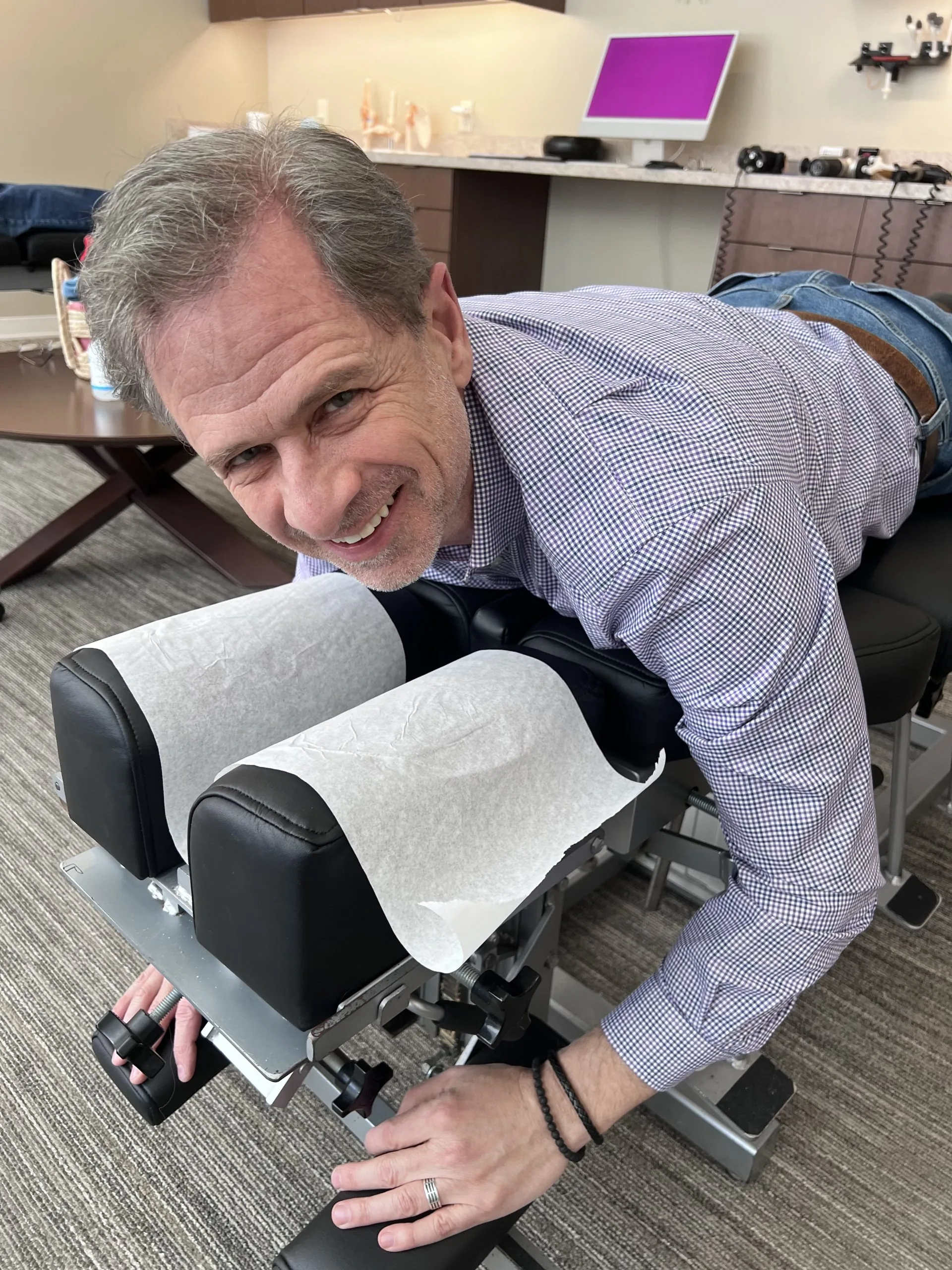
Gentle, precise adjustments to the atlas, axis, and mid-cervical vertebrae restore normal joint motion, reduce nerve irritation, and relieve the muscle guarding that develops around restricted joints. For cervicogenic headaches, this is the primary and most targeted treatment available. Techniques are adapted to each patient, with low-force approaches used when appropriate, progressing as the tissue and nervous system become less reactive.

Craniosacral Therapy

Craniosacral therapy uses extremely light manual contact with the skull, spine, and sacrum to release tension in the dural membrane surrounding the brain and spinal cord and improve the flow of cerebrospinal fluid. For headache patients, it produces a direct calming effect on the central nervous system and releases the cranial tension patterns that develop with chronic headaches. Many migraine patients find craniosacral sessions reduce the frequency and intensity of attacks.

Trigger Point Therapy

The suboccipital muscles, the upper trapezius, the sternocleidomastoid, and the temporalis are the most consistent muscular contributors to headaches of all types. These muscles develop tight, contracted trigger points that refer pain to the head in patterns often indistinguishable from other headache types. For many patients, trigger point release in the suboccipital region produces the most immediate and noticeable reduction in headache frequency of any treatment in the plan.

Class IV Laser Therapy

Laser therapy is applied to the upper cervical spine and suboccipital region to reduce neurological inflammation, support cellular repair in chronically irritated soft tissue, and improve circulation in the muscles and joints that contribute to headaches. Sessions are painless and brief. Laser is particularly useful early in the treatment course when tissue is most inflamed and in patients who are sensitive to hands-on work at the neck.

Postural Correction and Tech Neck Treatment

Postural correction is one of the most important long-term interventions for headache prevention. Forward head posture, rounded shoulders, and the sustained cervical compression of tech neck are among the most consistent daily contributors to tension and cervicogenic headaches. Dr. Caroline assesses posture as part of every headache evaluation and prescribes specific corrective exercises, ergonomic modifications, and movement habits.

Neck Stretching and Rehabilitation

Targeted stretches for the cervical spine, suboccipital muscles, upper trapezius, and thoracic extension reduce the chronic tension that contributes to headaches. Strengthening exercises for the deep cervical flexors and thoracic stabilizers improve the mechanical support of the head and neck and reduce fatigue that leads to postural collapse during long workdays.

BrainCore Neurofeedback

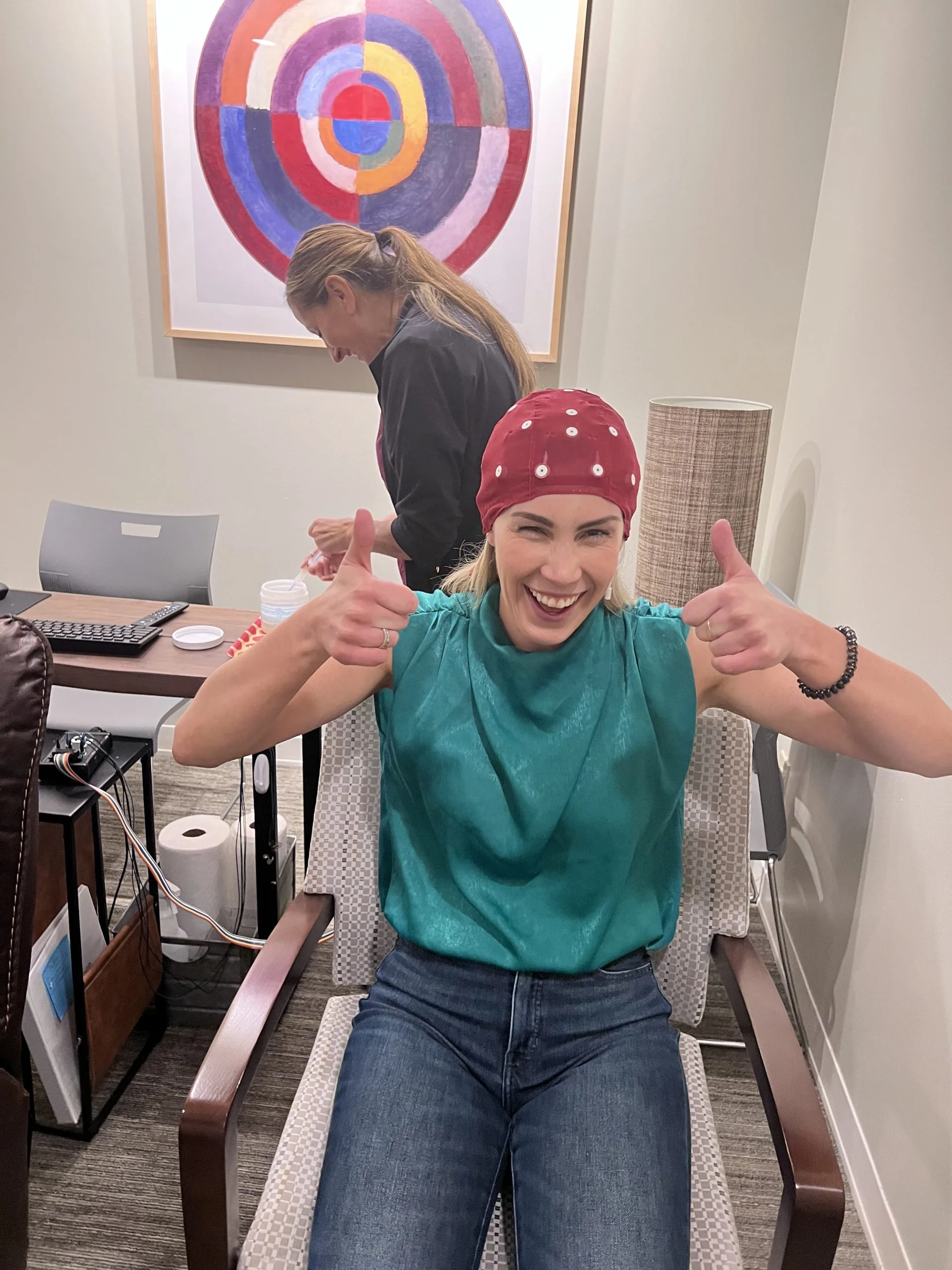
For patients with migraines where dysregulated brainwave patterns are a significant contributor, BrainCore neurofeedback trains the brain toward more stable, organized electrical activity. This reduces the cortical excitability that makes migraine attacks more likely and supports the nervous system regulation that medication alone does not address.

Request Appointment

Why Choose Balance Atlanta for Headaches and Migraines?

The Cervical Spine Evaluated as a Primary Contributor

Most headache care focuses on medication management. The neck is rarely examined thoroughly. At Balance Atlanta, cervical assessment is central to every headache evaluation because the cervical spine is the most consistent structural contributor to all three of the most common headache types.

Multiple Treatment Dimensions Working Together

Upper cervical adjustments, craniosacral therapy, laser, trigger point work, and postural correction each address a different contributor to headaches. Combining them produces better results than any single approach, particularly for patients with mixed headache types or chronic daily headaches.

Tech Neck Addressed Directly

Tech neck is now one of the most common causes of headaches in working-age adults, and it is almost never identified or treated in standard headache care. Many patients find that their daily headache pattern changes significantly once their forward-head posture is corrected.

What Chiropractic Can and Cannot Do

Chiropractic care is highly effective for cervicogenic and tension headaches and as a complement to medical management of migraines. It does not replace medication for acute migraine attacks or cluster headache management. Dr. Caroline coordinates with patients’ physicians rather than working independently of the medical picture.

The Goal Is Fewer Headaches, Not Just Relief in the Moment

Medication manages a headache once it starts. The approach at Balance Atlanta aims to reduce headache frequency by addressing their causes. Many patients experience a meaningful reduction in headache frequency within the first four to six weeks of consistent care.

Common Questions

Have questions? We have honest answers.

We understand you’ve already been through the system—appointments, mixed answers, and limited results.That’s why Balance Atlanta takes a different approach, focusing on root causes, not just symptoms


Every plan is personalized, with clear guidance and honest communication at every step. The goal is simple: real, lasting improvements in how you feel and function every day.

Request Appointment
  • What is the difference between a tension headache and a migraine?

    Tension headaches produce a dull, bilateral pressure or squeezing sensation around the head, often starting in the neck or base of the skull. They are the most common type of headache and are primarily driven by muscle tension and cervical restriction. They do not typically cause nausea or light sensitivity. Migraines are neurological events. They produce throbbing, often one-sided pain that is accompanied by nausea, sensitivity to light and sound, and sometimes aura. They are more intense and longer-lasting than tension headaches and involve changes in brain chemistry and blood vessel reactivity. Both types have a cervical component that chiropractic care addresses directly.
  • Can my neck cause headaches?

    Yes, consistently. The upper cervical vertebrae, particularly the atlas and axis, are in close anatomical relationship with the nerves and blood vessels that supply the head. Misalignment or restriction at these levels refers pain into the head in patterns that are often indistinguishable from tension headaches or migraines. This is called cervicogenic headache and it is one of the most treatable headache types with chiropractic care. Even when the primary headache type is tension or migraine, the cervical spine almost always has a contributing role. Reducing cervical nerve irritation and muscle tension reduces headache frequency across all types.
  • What is tech neck, and why does it cause headaches?

    Tech neck is the forward head posture that develops from prolonged use of phones, computers, and tablets. In a neutral position, the head weighs approximately 10 to 12 pounds. Each inch it moves forward of neutral substantially increases the effective load on the cervical spine. Most people who work at screens carry their head two to four inches forward of neutral for several hours daily. This sustained overloading of the cervical structures causes chronic contraction of the suboccipital muscles and progressive restriction of the upper cervical joints. The result is daily headaches that start at the base of the skull and travel forward, often accompanied by neck stiffness and upper back tension. These headaches are directly produced by a correctable postural and mechanical problem.
  • Can chiropractic care help migraines?

    Yes, particularly by reducing the frequency and intensity of attacks rather than treating individual episodes. The cervical spine, suboccipital muscles, and nervous system regulation are all documented contributors to migraine susceptibility. Chiropractic adjustments reduce cervical nerve irritation. Craniosacral therapy calms the nervous system’s baseline excitability. Trigger point release reduces the muscular input that lowers the migraine threshold. Postural correction reduces the daily cervical load that perpetuates sensitivity. Research supports chiropractic care for migraine prevention. Most patients do not eliminate migraines entirely but experience a meaningful reduction in how often they occur and how severe they are when they do.
  • How does craniosacral therapy help headaches?

    Craniosacral therapy works by releasing tension in the dural membrane surrounding the brain and spinal cord and improving the rhythm of cerebrospinal fluid movement. For patients with headaches, this produces a direct calming effect on the central nervous system. It reduces cranial tension that contributes to head pain and lowers the nervous system’s baseline reactivity, thereby reducing how easily headaches are triggered. Many patients find that craniosacral sessions produce a significant reduction in headache frequency that persists beyond the session itself. It is one of the most appropriate treatments for migraine patients during and between attacks because it works through the gentlest possible touch.
  • What role does posture play in headaches?

    Posture determines how load is distributed through the cervical spine during every waking hour. Forward head posture and rounded shoulders create chronic compression of the upper cervical joints, sustained contraction of the suboccipital muscles, and progressive restriction of the cervical range of motion. All of these directly produce headaches or lower the threshold for other triggers to produce them. Postural correction is one of the highest-leverage long-term interventions for headache prevention. Patients who improve their forward head position and upper thoracic mobility typically see sustained reduction in headache frequency that continues to improve over months as posture becomes normalized.
  • Are chiropractic adjustments safe for headaches and migraines?

    Yes, with appropriate technique selection. Dr. Caroline evaluates each patient’s health history, cervical mobility, and headache pattern before selecting treatment approaches. For patients who are sensitive, low-force instrument-assisted methods are used rather than high-velocity manipulation. Craniosacral therapy and laser are always appropriate for even the most sensitive patients. Safety and comfort are assessed at every visit.
  • How long does it take to see improvement?

    It depends on the type and duration of headaches. Many patients with tension headaches and cervicogenic headaches notice meaningful improvement within the first two to four weeks of consistent care. Migraine frequency typically reduces over four to eight weeks as cervical function improves and nervous system regulation is supported. Chronic daily headaches that have been present for years take longer but show consistent improvement with sustained care. Dr. Caroline provides realistic expectations at the first visit based on the evaluation findings.
  • When should a headache be treated as an emergency?

    The following headache patterns require immediate emergency evaluation and should not wait for any chiropractic or other non-emergency appointment. A sudden, severe headache that is the worst of your life. A headache following a head injury. A headache with fever, stiff neck, confusion, vision changes, weakness, or slurred speech. A headache that worsens rapidly over minutes to hours. These can indicate stroke, meningitis, subarachnoid hemorrhage, or other serious conditions. For all other headaches, including chronic, recurring, or worsening patterns, earlier evaluation and care consistently produce better outcomes than continuing to manage symptoms with pain relievers alone.