Dizziness and Vertigo

Dizziness and Vertigo Treatment

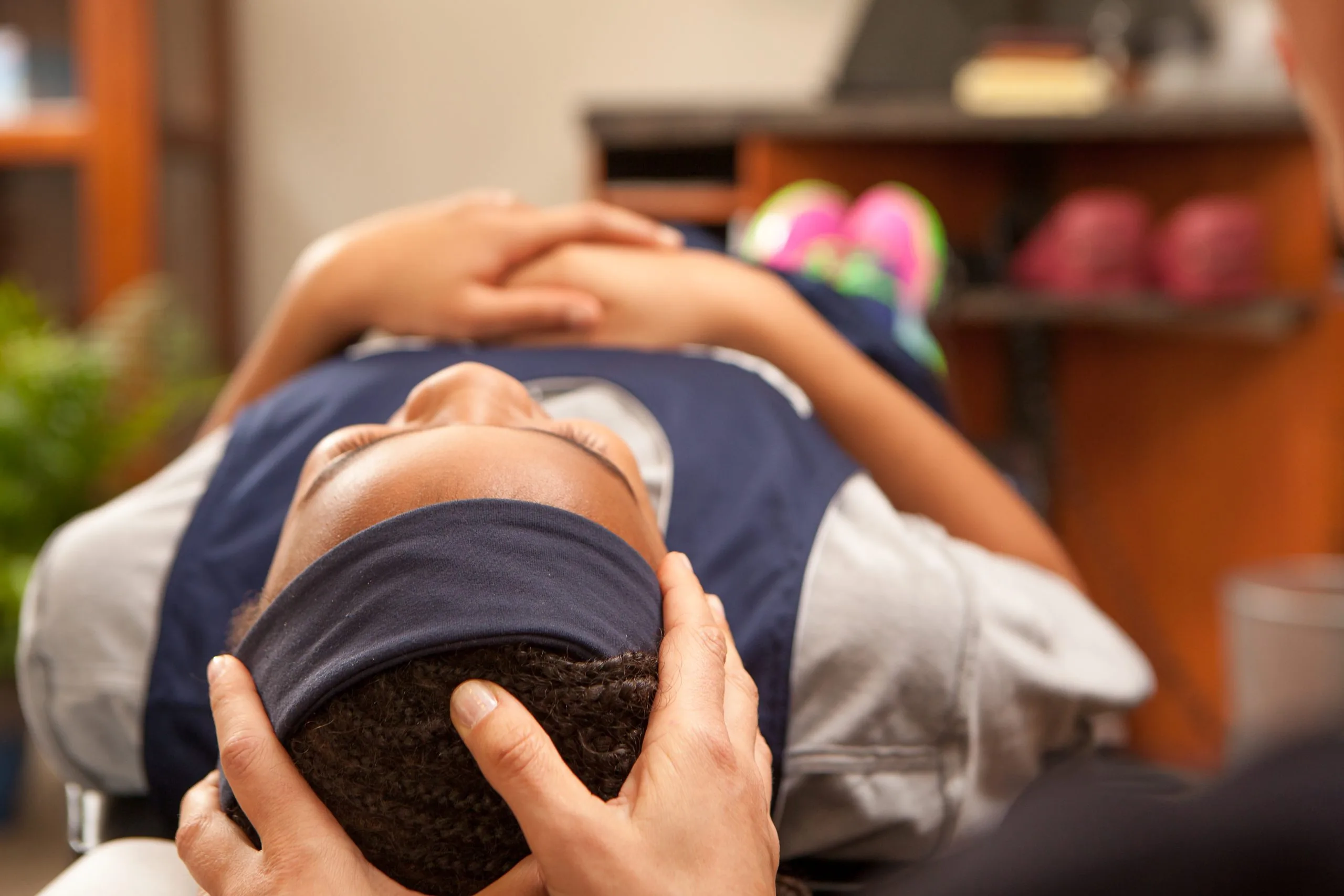
Woman lying down holding a white pillow over her head with both hands, eyes partially open.

Rolling over in bed and feeling the room spin, standing up too fast and having the floor tilt beneath you, walking through a grocery store and feeling strangely disoriented for no clear reason. These are not small inconveniences.

Vertigo and dizziness affect your balance, your confidence, and your ability to move through ordinary life without bracing for the next episode. It is one of the more disruptive things a person can deal with, and it deserves more than just being told to move slowly and be careful.

Most people are told the problem is the inner ear. Sometimes it is. But the neck is just as often involved and far less often examined. The upper cervical spine has a direct relationship with the brain’s balance processing system. When it is misaligned or restricted, the signals the brain depends on for spatial orientation become unreliable.

Dr. Caroline von Fluegge-Chen evaluates both systems. She determines whether the neck, the vestibular system, or both are producing the symptoms. Then she addresses the actual source with cervical adjustments, craniosacral therapy, Class IV laser, trigger point work, postural correction, and vestibular exercises. Patients who have tried medication or vestibular therapy alone and not fully resolved their symptoms often find that treating the cervical component is what finally produces lasting improvement.

Request Appointment

How Common are Dizziness and Vertigo?

Dizziness is the third most common reason people visit a doctor in the United States. It accounts for nearly 8 million doctor visits annually. Between 20 and 30 percent of the general population experiences dizziness or balance disturbance in any given year.

Vertigo, the specific sensation that you or your surroundings are spinning, affects nearly 35 percent of adults over 40 at least once in their lifetime. For many people, the episodes are intermittent and manageable. For others, they are frequent and severely limiting.

Despite how common these symptoms are, the cervical contribution to dizziness is routinely overlooked in standard care. Treatment focuses on the inner ear. The neck is evaluated briefly, if at all. When cervicogenic dizziness, dizziness originating from the cervical spine, is the primary cause or a significant contributing factor, inner-ear-focused treatment produces limited results.

Request Appointment

What Causes Dizziness and Vertigo?

Dizziness has multiple possible causes. Identifying the right one is essential because the treatments for each cause differ.

Benign Paroxysmal Positional Vertigo (BPPV)

The most common cause of vertigo. Tiny calcium carbonate crystals in the inner ear become dislodged from their normal position and move into one of the semicircular canals. When the head moves, these crystals send false signals to the brain about rotation. The result is brief, intense spinning that is triggered by specific head positions, such as rolling over in bed, lying down, or looking up. BPPV responds well to specific repositioning maneuvers that move the crystals back where they belong.

Cervicogenic Dizziness

Dizziness that originates from the cervical spine. The upper neck contains specialized receptors, called proprioceptors, that feed continuous information to the brain about head position and movement. When the upper cervical vertebrae are misaligned, restricted, or surrounded by tight muscles, these receptors send inaccurate signals. The brain receives conflicting information from the neck, inner ear, and eyes, resulting in dizziness. It is one of the most treatable forms of dizziness and one of the least often correctly diagnosed.

Vestibular Neuritis and Labyrinthitis

Viral infections can inflame the vestibular nerve or the inner ear itself. This produces sudden, severe vertigo that may last days and then gradually subside over weeks. Some people are left with residual imbalance or sensitivity to movement long after the acute infection resolves. Vestibular rehabilitation exercises are an important part of recovery from these conditions.

Whiplash and Head Trauma

Injury to the cervical spine from a car accident, fall, or sports collision can damage the proprioceptors in the upper neck and disrupt the vestibular system simultaneously. Post-traumatic dizziness often has both a cervical and a vestibular component. Addressing only one of them leaves the other untreated, and symptoms persist.

Meniere's Disease

A disorder of the inner ear characterized by episodes of intense vertigo, ringing in the ears, hearing loss, and a feeling of fullness in the ear. Episodes can be unpredictable and severely disabling. Functional medicine support for inflammation and fluid regulation, alongside vestibular care, forms part of the supportive approach at Balance Atlanta.

Vestibular Migraine

Dizziness or vertigo associated with migraines, sometimes without a headache. The vestibular system is disrupted during migraine, producing spinning or a sense of imbalance. This form of vertigo is underdiagnosed and often mistaken for other vestibular conditions.

Poor Posture and Forward Head Position

Sustained forward head posture compresses the suboccipital muscles and the joints of the upper cervical spine. It also strains the muscles and connective tissue that house the balance receptors in the neck. Over time, this creates chronic cervicogenic dizziness that is directly tied to how a person sits, stands, and uses screens.

Other Contributing Factors

Low blood pressure, dehydration, blood sugar instability, medication side effects, anxiety, and neurological conditions can all produce dizziness. Where these are identified during evaluation, the functional medicine component of care at Balance Atlanta addresses them as part of the overall plan.

Close-up microscope view of red- and green-stained circular cells forming a honeycomb-like tissue pattern

Symptoms of Dizziness and Vertigo

Symptoms range from mild and intermittent to severe and constant. Knowing which pattern applies helps identify the cause.

Spinning Sensation

The defining feature of vertigo. The room appears to rotate or the person feels they are rotating when they are still. Most intense with BPPV and vestibular neuritis. Usually triggered or worsened by head movement.

Lightheadedness or Faintness

A sense of floating or almost passing out without true spinning. More often associated with blood pressure changes, dehydration, or cardiovascular causes than with inner ear disorders.

Unsteadiness and Balance Problems

Difficulty walking in a straight line, feeling off-balance when standing, or needing to hold onto things to feel stable. Can result from inner ear disorders, cervical dysfunction, or both.

Nausea

The brain's response to conflicting spatial signals. Severe vertigo often produces nausea and sometimes vomiting. This is a symptom of the underlying imbalance, not a separate condition.

Triggered by Head Movement

Dizziness that reliably starts with rolling over in bed, looking up, or turning the head points strongly toward BPPV or cervicogenic causes. This pattern is important clinical information and should be reported to Dr. Caroline during evaluation.

Associated Neck Pain or Headache

When dizziness is accompanied by neck pain, stiffness, or occipital headaches, cervicogenic dizziness is likely. The neck symptoms and the dizziness are produced by the same underlying restriction or misalignment.

Ringing in the Ears or Hearing Changes

When vertigo occurs alongside ringing in the ears or fluctuating hearing, Meniere's disease or labyrinthitis may be involved. These symptoms together warrant a thorough evaluation.

Request Appointment

How Balance Atlanta Treats Dizziness and Vertigo

Care starts with a comprehensive evaluation. Dr. Caroline assesses the upper cervical spine, posture, muscle tension, neurological function, and the specific pattern and triggers of dizziness to identify which systems are involved. The treatment plan is built around those findings.

Upper Cervical Chiropractic Adjustments

The atlas and axis, the top two vertebrae, have the most direct relationship with the balance receptors and blood flow pathways that influence dizziness. Gentle, precise adjustments to these levels restore normal joint movement, reduce aberrant sensory signals produced by misaligned joints, and improve circulation in the vertebral arteries that supply the brainstem and inner ear. For cervicogenic dizziness, upper cervical adjustments are often the single most effective intervention. Results are frequently noticed within the first few visits.

Craniosacral Therapy

Craniosacral therapy uses extremely light manual contact with the skull, spine, and sacrum to release tension in the dural membrane surrounding the brain and spinal cord and improve the rhythm and flow of cerebrospinal fluid. For patients with dizziness, it addresses the cranial tension patterns that develop after head injury, chronic postural strain, or prolonged vestibular disturbance. Many patients find that craniosacral sessions produce a significant, immediate sense of calm and reduced spinning.

Class IV Laser Therapy

Laser therapy is applied to the upper cervical spine, the suboccipital region at the base of the skull, and the area around the ear when vestibular inflammation is a factor. It reduces neurological inflammation, supports cellular repair in irritated soft tissue, and improves local circulation in the structures that contribute to dizziness. For patients with post-traumatic dizziness or dizziness associated with chronic cervical tension and inflammation, laser therapy addresses the inflammatory component that adjustments and manual work alone cannot fully resolve.

Trigger Point Therapy

The suboccipital muscles at the base of the skull and the sternocleidomastoid muscle along the side of the neck are well documented as sources of referred dizziness and balance disturbance when they contain active trigger points. These muscles also house many of the proprioceptive receptors that feed balance information to the brain. Releasing suboccipital and cervical trigger points directly reduces dizziness in patients whose symptoms are being generated or maintained by muscular tension.

Postural Correction

Forward head posture is one of the most common and most correctable contributors to cervicogenic dizziness. Every inch of forward head position multiplies the effective load on the upper cervical spine and compresses the proprioceptive structures that maintain balance accuracy. Dr. Caroline assesses posture as part of every dizziness evaluation and prescribes specific corrective exercises and ergonomic changes.

Vestibular Rehabilitation Exercises

For patients with BPPV, vestibular neuritis, or post-concussion vestibular disturbance, specific exercises retrain the brain’s ability to process balance signals accurately. These include gaze stabilization exercises, balance training, and habituation exercises that reduce sensitivity to triggering movements over time. Dr. Caroline provides a specific home program that is graduated to the patient’s current level of tolerance.

Neck Stretches and Mobility Work

Chronic restriction in cervical rotation and extension is a consistent feature of cervicogenic dizziness. Targeted stretches for the upper cervical and thoracic spine restore range of motion, reduce muscle tension that feeds inaccurate proprioceptive signals, and support the work adjustments made between visits.

Functional Medicine Support

When systemic factors, including dehydration, blood sugar instability, inflammation, or inner-ear fluid regulation, contribute to dizziness, a functional nutrition evaluation identifies and addresses these factors through dietary guidance, targeted supplementation, and lifestyle modifications.

Request Appointment

Why Choose Balance Atlanta for Dizziness and Vertigo?

The Cervical Spine Examined, Not Just the Inner Ear

Most dizziness care focuses exclusively on the vestibular system. The neck is evaluated briefly, if at all. At Balance Atlanta, cervical assessment is central to every dizziness evaluation. For patients whose dizziness has a cervical component, this is the difference between care that addresses the source and care that does not.

Multiple Treatment Dimensions Together

Upper cervical adjustments, craniosacral therapy, laser therapy, trigger point work, postural correction, and vestibular exercises each address a different contributor to dizziness. Combining them produces better outcomes than any single approach, particularly for patients with mixed causes or chronic symptoms.

Gentle Care Adapted to a Sensitive System

The vestibular system is easily overwhelmed. People with active vertigo or significant dizziness cannot tolerate aggressive treatment. Everything at Balance Atlanta is calibrated to the patient’s tolerance at each stage. Craniosacral therapy and laser therapy are particularly well-suited to the acute phase because they exert their effects without movement that could provoke symptoms.

Evaluation That Matches Treatment to Cause

BPPV, cervicogenic dizziness, vestibular neuritis, and post-traumatic dizziness all respond to different interventions. Treating every dizzy patient with the same approach produces inconsistent results. Dr. Caroline’s evaluation identifies which cause or combination of causes applies and builds the plan accordingly.

What Chiropractic Can and Cannot Do

Chiropractic care is highly effective for cervicogenic dizziness and as a complement to vestibular rehabilitation for inner ear conditions. It does not treat Meniere’s disease directly or reverse sensorineural hearing loss. Where conditions require medical management, Dr. Caroline coordinates with the patient’s physician rather than working independently of the medical picture.

Common Questions

Have questions? We have honest answers.

We understand you’ve already been through the system—appointments, mixed answers, and limited results.That’s why Balance Atlanta takes a different approach, focusing on root causes, not just symptoms


Every plan is personalized, with clear guidance and honest communication at every step. The goal is simple: real, lasting improvements in how you feel and function every day.

Request Appointment
  • What is the difference between dizziness and vertigo?

    Dizziness is a broad term covering several sensations, including lightheadedness, faintness, and unsteadiness. Vertigo is a specific type of dizziness in which the person or their surroundings feel like they are spinning or rotating, even when perfectly still. Vertigo almost always involves either the inner ear or the vestibular processing pathways in the brain and upper cervical spine. The distinction matters clinically because the causes of spinning vertigo differ from those of lightheadedness, and the treatments that help each are different. Dr. Caroline’s evaluation distinguishes between these presentations to make sure treatment is directed at the right source.
  • What causes vertigo?

    The most common cause is BPPV, in which displaced calcium crystals in the inner ear trigger brief, intense spinning with position changes. Vestibular neuritis, caused by a viral infection of the vestibular nerve, is the next most common. Cervicogenic vertigo, originating from the upper cervical spine, is common but frequently overlooked. Meniere’s disease, vestibular migraine, head trauma, and whiplash are other significant causes. Many people have more than one contributing factor. Post-traumatic dizziness after a car accident or fall often involves both cervical injury and vestibular disruption. Treating both is what produces the most complete recovery.
  • How does the neck cause dizziness?

    The upper cervical spine contains dense clusters of proprioceptive receptors that constantly feed the brain information about head position and movement. This information is integrated with signals from the inner ear and eyes to produce a stable sense of balance. When the atlas or axis is misaligned or when the suboccipital muscles are severely contracted, these receptors send inaccurate signals. The brain receives conflicting information from the neck versus the inner ear. The result is dizziness, unsteadiness, or a sense of disorientation. This is cervicogenic dizziness. It often presents alongside neck pain, stiffness, or occipital headaches and is typically worsened by neck movement or sustained postures.
  • Can chiropractic care help with dizziness and vertigo?

    Yes, particularly when the cervical spine is involved. Upper cervical adjustments directly address the misalignment, producing inaccurate proprioceptive signals. Craniosacral therapy releases the cranial and dural tension that compounds vestibular symptoms. Trigger point therapy releases the suboccipital muscles that directly refer to dizziness. Postural correction removes the daily mechanical stress that perpetuates cervicogenic symptoms. For inner ear conditions, including BPPV and vestibular neuritis, vestibular rehabilitation exercises at Balance Atlanta help the brain recalibrate its balance processing. For patients with both cervical and vestibular contributors, treating both simultaneously produces better outcomes than addressing either alone.
  • What is cervicogenic dizziness?

    Cervicogenic dizziness is dizziness that originates from the cervical spine rather than the inner ear. It is produced by dysfunction in the upper cervical joints, muscles, or ligaments that disrupts the proprioceptive signals the brain relies on for balance. It is frequently associated with neck pain and headaches and is typically triggered or worsened by neck movement or prolonged static neck postures. It is one of the most treatable forms of dizziness. Upper cervical chiropractic adjustments, combined with trigger point therapy and postural correction, often produce significant and lasting improvement. It is also one of the most underdiagnosed because most dizziness evaluations focus on the inner ear and do not include a thorough cervical assessment.
  • What is BPPV, and how is it treated?

    BPPV stands for benign paroxysmal positional vertigo. It is caused by calcium carbonate crystals that have become dislodged from their normal position in the inner ear and moved into one of the semicircular canals. When the head moves, these crystals send false rotation signals to the brain. The result is brief, intense spinning triggered by specific movements, most commonly rolling over in bed, lying down, or looking up. BPPV responds well to canalith repositioning maneuvers, which guide the displaced crystals back to their correct position using a specific sequence of head movements. Most patients experience significant relief after one to three sessions.
  • Can poor posture really cause dizziness?

    Yes. Sustained forward head posture compresses the upper cervical joints and the suboccipital muscles that house the proprioceptive receptors responsible for balance accuracy. Over time, this creates the chronic cervical tension that produces cervicogenic dizziness. People who spend long hours at desks, looking at screens, or driving are particularly vulnerable. Postural correction addresses this directly. Many patients notice a reduction in dizziness frequency as their forward head posture improves, even before other treatments have had time to fully take effect.
  • How long does it take to see improvement?

    It depends on the cause. Cervicogenic dizziness typically improves over two to six weeks of consistent cervical care. Post-traumatic dizziness with both cervical and vestibular components usually requires longer, often six to twelve weeks of combined treatment. Dr. Caroline sets realistic expectations at the first visit based on the evaluation findings and the specific pattern of symptoms.
  • When is dizziness a medical emergency?

    Dizziness accompanied by any of the following requires immediate emergency evaluation. These can indicate stroke, brain bleed, or severe neurological event. Sudden severe headache. Weakness or numbness in the face, arm, or leg. Slurred speech or difficulty speaking. Double vision or sudden vision loss. Severe vomiting with no positional pattern. Loss of consciousness. Do not wait for a chiropractic appointment if these symptoms are present. Go to an emergency room or call 911. Once serious causes have been ruled out, supportive care for dizziness and vertigo can begin.