Nerve Interference from Spinal Misalignment
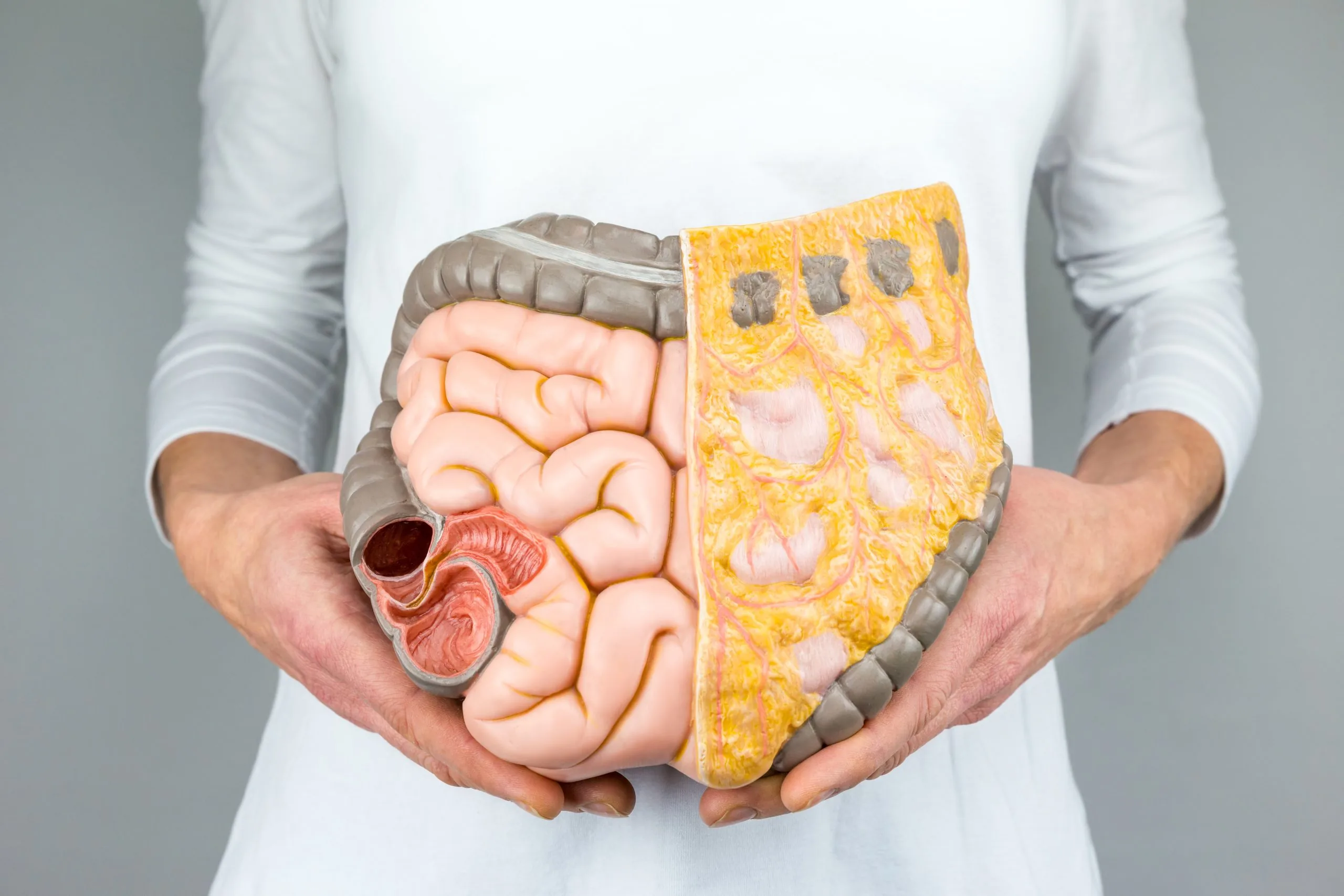
The nerves that regulate the stomach, small intestine, and large intestine exit through the mid and lower thoracic spine and the lumbar region. Misalignment in those areas can disrupt the nerve signals that control digestive muscle contractions, enzyme secretion, and motility. The gut receives less accurate instructions and functions less efficiently as a result.
Vagus Nerve Dysfunction
The vagus nerve is the primary communication line between the brain and the digestive system. It runs from the brain stem through the neck and into the abdomen, regulating everything from stomach acid production to the rhythmic contractions that move food through the gut. Tension and restriction in the upper cervical spine can affect vagus nerve function and have a direct impact on digestive efficiency.
Chronic Stress
Stress activates the body’s fight-or-flight response. In that state, digestion is suppressed. Blood is diverted away from the gut. Enzyme production slows. Gut motility becomes erratic. For people under chronic stress, this suppression becomes a persistent pattern that manifests as bloating, reflux, constipation, or cramping.
Poor Posture
Slouching and forward head posture compress the abdomen. That compression reduces the physical space available for the stomach and intestines to function properly. It also increases pressure inside the abdominal cavity, contributing to reflux and slowed transit.
Inflammatory Load
Diet, gut bacteria imbalance, food sensitivities, and nutritional deficiencies all drive gut inflammation. That inflammation makes the digestive lining more reactive, slows healing, and compounds the functional disruption caused by nerve interference.
Restricted Rib and Thoracic Mobility
The diaphragm is both a breathing muscle and a digestive one. Its rhythmic movement massages the abdominal organs and supports motility. Thoracic spine restriction limits how freely the diaphragm can move, reducing that mechanical benefit to the gut.