Concussion

Concussion Recovery Support in Atlanta

Glowing blue 3D DNA double helix strands against a dark blue background

Rest is the starting point for concussion recovery. It is not the whole plan.

A concussion does not only affect the brain. The force that causes it almost always strains the neck as well. The cervical spine becomes misaligned. Muscles tighten. Nerves get irritated. The brain’s electrical patterns are disrupted. All of these things prolong symptoms, and none of them resolve fully on their own.

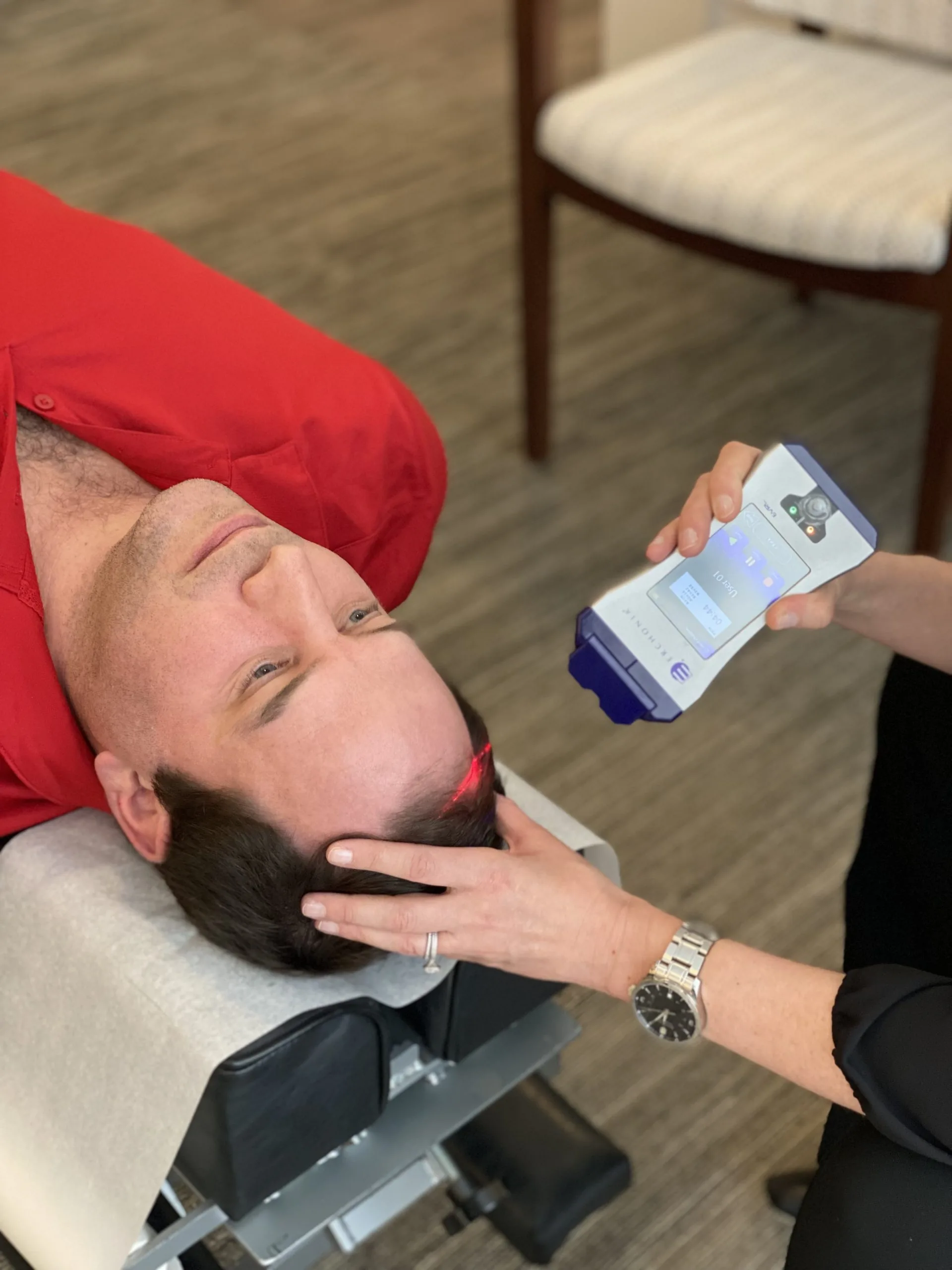
At Balance Atlanta in Buckhead, Dr. Caroline von Fluegge-Chen supports concussion recovery through chiropractic adjustments, craniosacral therapy, Class IV laser therapy, trigger-point work, and BrainCore neurofeedback. These do not replace medical evaluation and care. They work alongside it to address the physical and neurological dimensions of recovery that rest alone cannot reach.

If you have been told to wait and see, there is more you can do.

Request Appointment
Three smooth stones stacked on sand with blurred blue water behind, a calm composition suggesting balance and recovery for concussion/head trauma

The First Step: Medical Evaluation

Any suspected concussion should be evaluated by a medical doctor before any other care begins. This is not a precaution. It is essential.

Head injuries, including brain bleeds, skull fractures, and severe traumatic brain injury, require immediate emergency attention. Symptoms including loss of consciousness, worsening headaches, repeated vomiting, slurred speech, unequal pupils, weakness in the arms or legs, or confusion that is getting worse are emergency signals. Go to an emergency room or call 911 immediately.

Once a serious injury has been ruled out by a physician and a concussion diagnosis is established, supportive care can begin. The approach at Balance Atlanta is designed to work alongside medical management, not before or instead of it. Dr. Caroline coordinates care with the patient’s medical team and does not treat the brain injury itself. She supports the spine, nervous system, and brainwave patterns disrupted by the injury.

What is a Concussion?

A concussion is a mild traumatic brain injury caused by the brain moving rapidly inside the skull. The movement stretches and disrupts nerve fibers, interfering with the brain’s normal electrical communication. This disruption, not structural damage, is what produces symptoms.

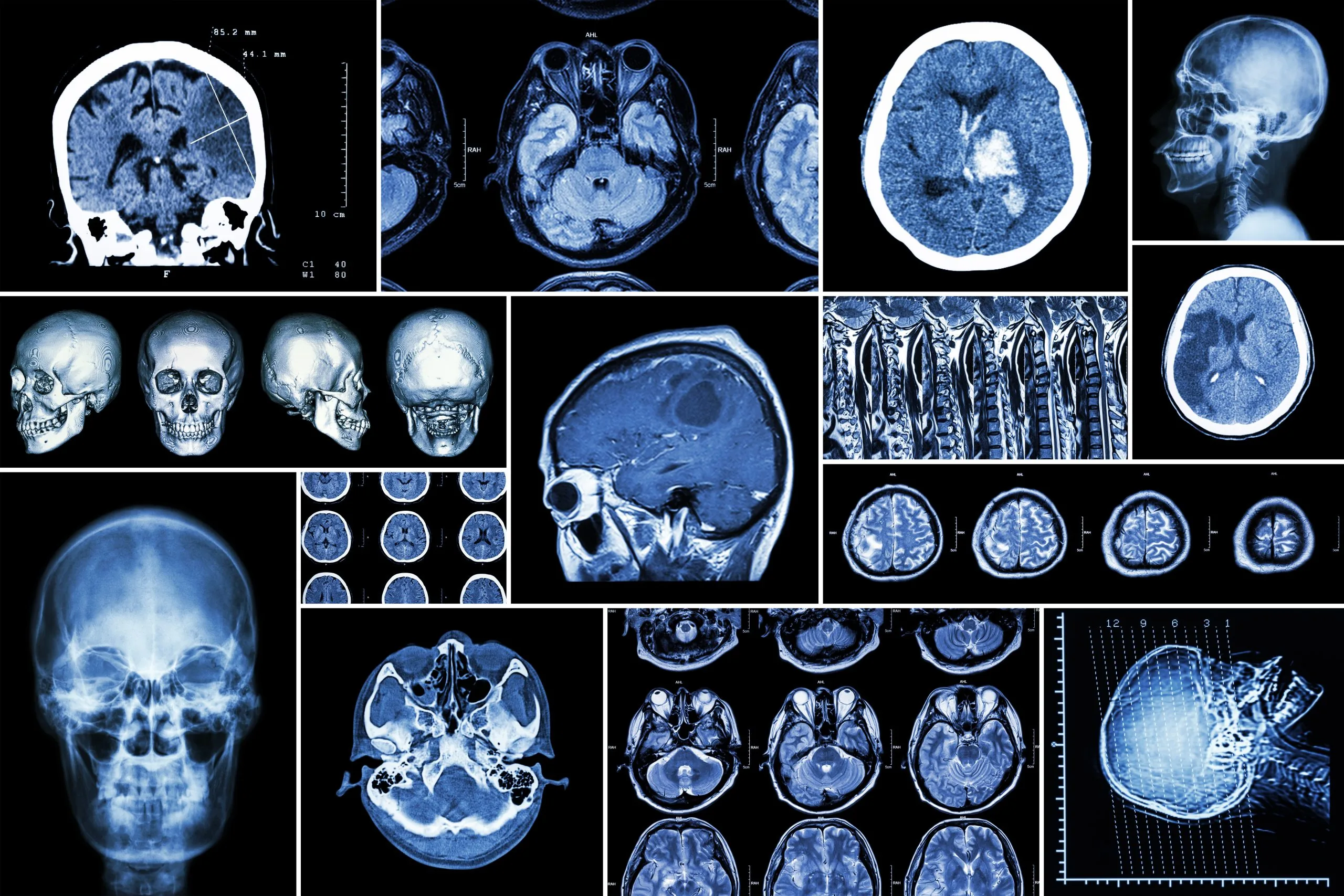
Because the disruption is functional rather than structural, concussions often do not show up on standard imaging like X-rays or MRIs. A scan that looks normal does not mean nothing is wrong. It means the type of injury a concussion causes is not the kind that imaging measures.

The neck is almost always involved. When the head moves suddenly, the cervical spine absorbs much of that force. The upper vertebrae can become misaligned. The muscles along the neck and base of the skull tighten protectively and often stay tight long after the initial injury. This cervical component is responsible for a significant portion of the headaches, dizziness, and neck pain that follow a concussion.

Brainwave patterns are also disrupted by the injury. The normal electrical rhythms that govern attention, sleep, mood, and cognitive function are thrown off. In some people, these normalize on their own with rest. In others, they remain dysregulated and drive the persistent symptoms that characterize post-concussion syndrome.

How Common Are Concussions?

Approximately 3.8 million concussions occur in the United States each year. Concussions account for nearly 70 percent of all traumatic brain injuries. Among young athletes, concussion rates have increased significantly over the past decade, partly due to better awareness and reporting.

Between 15 and 30 percent of people who sustain a concussion develop post-concussion syndrome, in which symptoms persist for more than three months after the injury. These are not people with more severe injuries. They are people in whom the combination of cervical strain, nervous system disruption, and brainwave dysregulation has not resolved, either because recovery was incomplete or because the physical contributors to their symptoms were never addressed.

Supporting recovery actively, particularly in the first weeks after injury, produces better outcomes than rest alone.


Request Appointment

Common Causes of Concussions and Head Trauma

Sports Injuries

Contact sports, including football, soccer, hockey, rugby, and martial arts, are among the most common causes of concussion. Head-to-head contact, collisions with equipment or the ground, and heading the ball in soccer all cause rapid deceleration that can lead to brain injury. Athletes who have had one concussion are at significantly higher risk of sustaining another.

Car Accidents

Whiplash from a motor vehicle collision causes the head to snap forward and backward rapidly. This movement can concuss the brain while simultaneously straining or misaligning the cervical spine. The two injuries happen together and need to be addressed together.

Falls

Slips and falls are the leading cause of concussion in older adults and young children. The impact of the head against a surface or the force of sudden deceleration when falling are both sufficient to cause a concussion even without direct head contact with the ground.

Workplace and Recreational Injuries

Construction, manufacturing, cycling, skiing, and other activities that involve falls, impacts, or exposure to moving objects all carry concussion risk. Any injury involving a blow, jolt, or sudden movement of the head warrants evaluation.
Person lying on floor with knees bent, holding both hands to their head and eyes closed, appearing in pain

Concussion Symptoms to Know

Symptoms may appear immediately after the injury or develop hours later. They range from mild to significantly limiting.

Headache

The most common symptom. Post-concussion headaches can originate from the brain itself, from cervical muscle tension, from misalignment in the upper cervical spine, or from a combination of all three.

Dizziness and Balance Problems

Concussions disrupt the vestibular system and the brain regions responsible for balance processing. Cervical misalignment compounds this by affecting proprioceptive input from the neck. Dizziness that persists weeks after a concussion often has a cervical component.

Cognitive Fog and Difficulty Concentrating

Disrupted brainwave patterns reduce the efficiency of the networks responsible for attention and working memory. Many people describe this as thinking through cotton wool. BrainCore neurofeedback at Balance Atlanta directly targets the dysregulated brainwave patterns producing this symptom.

Sensitivity to Light and Noise

The brain's reduced tolerance for sensory input is a direct consequence of the disrupted electrical environment following injury. It typically improves as brainwave patterns normalize.

Sleep Disturbance

Insomnia, excessive sleepiness, and unrefreshing sleep are all common after a concussion. They reflect disrupted brainwave regulation of the sleep-wake cycle. Poor sleep slows every other aspect of recovery.

Mood Changes

Irritability, anxiety, and depression are frequently reported. These are not purely psychological responses to the injury. They reflect the brain's disrupted electrical regulation of emotional processing.

Memory Problems

Difficulty forming new memories or recalling recent events reflects impairment of hippocampal function and the neural networks that support memory consolidation.

Neck Pain and Stiffness

Often minimized in concussion discussions, neck symptoms are a direct consequence of the injury and a significant driver of ongoing headaches and dizziness.

Request Appointment

How Balance Atlanta Supports Concussion Recovery

Care at Balance Atlanta begins with a thorough evaluation of the cervical spine, posture, neurological function, and the specific pattern of symptoms. Dr. Caroline does not treat the brain injury itself. What she addresses is the cervical strain, nervous system disruption, and brainwave dysregulation that prolong symptoms and delay return to normal function.

Cervical Chiropractic Adjustments

Gentle, precise adjustments to the upper cervical spine correct the misalignments that almost universally accompany a concussion. By restoring normal movement in the atlas and axis, and in the mid-cervical vertebrae, adjustments reduce the nerve irritation and muscular tension that drive post-concussion headaches, dizziness, and neck pain. Techniques are adapted to the acute phase of concussion. Nothing is forceful.

Craniosacral Therapy

Craniosacral therapy involves extremely gentle, hands-on work with the bones of the skull, spine, and sacrum. The technique releases tension in the dural membrane surrounding the brain and spinal cord, improves the flow of cerebrospinal fluid, and addresses the tightening and restriction in the cranial system that often develop after head injury. It is one of the most appropriate therapies for the acute and subacute phases of concussion.

Class IV Laser Therapy

Deep tissue laser therapy reduces inflammation, supports cellular repair, and improves circulation in the neck tissues and along the nervous system pathways. Sessions are painless and brief. Laser therapy is applied to the cervical spine and occipital region, the area at the base of the skull where the upper cervical nerve roots exit and where post-concussion tension is most concentrated.

Trigger Point Therapy

The suboccipital muscles at the base of the skull and the cervical muscles along the back and sides of the neck almost always develop trigger points after concussion. These tight, contracted spots refer pain into the head and produce the characteristic headache pattern of cervicogenic headache, one of the most common headache types in post-concussion syndrome.

BrainCore Neurofeedback

BrainCore neurofeedback directly addresses the disrupted brainwave patterns that produce cognitive fog, sleep disturbance, mood changes, and many of the persistent symptoms of post-concussion syndrome. The brain is shown its own electrical activity in real time and rewarded when it produces more organized, efficient patterns. It is particularly valuable for patients whose symptoms have persisted for weeks or months despite adequate rest.

Nutritional and Anti-Inflammatory Support

Omega-3 fatty acids, B vitamins, antioxidants, and magnesium all support brain tissue repair and reduce the oxidative stress that follows a concussion. Dr. Caroline provides specific nutritional recommendations as part of the recovery plan, tailored to each patient’s situation.

Lifestyle and Recovery Guidance

Sleep quality, screen time management, gradual return to activity, stress reduction, and hydration all influence how efficiently the brain recovers from a concussion. Dr. Caroline provides specific guidance on these factors and helps patients build a recovery routine that supports the work happening in sessions.

Request Appointment

Why Choose Balance Atlanta for Concussion Recovery Support?

What Chiropractic Can and Cannot Do

Chiropractic care does not treat the brain injury itself. It addresses cervical strain, nervous system disruption, and brainwave patterns left by the injury that are prolonging recovery. This is a meaningful and specific contribution to care. It works best alongside medical management, not as a replacement for it.

Multiple Dimensions of Recovery in One Place

Most practices offer adjustments or one additional therapy. Balance Atlanta combines cervical chiropractic care, craniosacral therapy, Class IV laser, trigger point work, and BrainCore neurofeedback. Each addresses a different aspect of what a concussion disrupts. Together, they produce a more complete recovery than rest plus one intervention.

Adapted to the Recovering Brain

Techniques at Balance Atlanta are carefully chosen and calibrated for concussion patients. The recovering brain and nervous system are sensitized. Nothing is aggressive. Everything is adapted to the appropriate phase of recovery the patient is in.

Works Alongside Your Medical Team

Dr. Caroline coordinates with patients’ physicians and does not ask anyone to discontinue medical care. The approach is designed to complement what medicine provides, not compete with it. Many patients find that adding this layer of support accelerates their return to normal function.

Addresses the Neck That the Rest of Your Care Probably Has Not

Most concussion management focuses on brain rest and symptom monitoring. The cervical spine is frequently undertreated, even though it is a primary driver of post-concussion headaches and dizziness. Dr. Caroline’s evaluation and treatment of the upper cervical region is often the missing piece that patients with persistent symptoms have yet to address.

Common Questions

Have questions? We have honest answers.

We understand you’ve already been through the system—appointments, mixed answers, and limited results.That’s why Balance Atlanta takes a different approach, focusing on root causes, not just symptoms


Every plan is personalized, with clear guidance and honest communication at every step. The goal is simple: real, lasting improvements in how you feel and function every day.

Request Appointment
  • What is a concussion?

    A concussion is a mild traumatic brain injury caused by the brain moving rapidly inside the skull. This movement disrupts normal nerve function and electrical communication in the brain, producing a range of cognitive, physical, and emotional symptoms. Because the injury is functional rather than structural, it typically does not show up on X-rays or MRIs. Any suspected concussion should be evaluated by a medical doctor. Once serious injury is ruled out and a concussion is diagnosed, supportive care for the spine, nervous system, and brainwave patterns can begin.
  • What are the symptoms of a concussion?

    Symptoms vary widely and may appear immediately or develop hours after the injury. Headache is the most common symptom. Dizziness, nausea, sensitivity to light and noise, difficulty concentrating, memory problems, sleep disturbance, mood changes, and neck pain are all characteristic. In children, symptoms may present as unusual crying, balance problems, or excessive fatigue. Symptoms that include loss of consciousness, worsening headache, repeated vomiting, slurred speech, unequal pupils, or limb weakness require emergency evaluation and should not wait for a chiropractic or any other non-emergency appointment.
  • How is a concussion different from a more serious head injury?

    A concussion is classified as a mild TBI. More severe head injuries may involve bleeding in or around the brain, skull fractures, or significant swelling, all of which require emergency intervention. Standard imaging can detect these. A concussion, by contrast, reflects functional disruption rather than structural damage and often looks normal on imaging. This is why any head injury significant enough to cause symptoms should be medically evaluated. A normal scan does not rule out a concussion. It rules out the more serious structural injuries that require different and urgent treatment.
  • Can chiropractic care help after a concussion?

    Yes, in specific ways. Chiropractic care does not treat the brain injury itself. What it addresses is the cervical strain that almost always accompanies a concussion, the misalignments and muscle tension in the neck that drive headaches and dizziness, the nervous system stress that prolongs recovery, and the brainwave dysregulation that persists in some patients. Gentle cervical adjustments, craniosacral therapy, laser therapy, and trigger point work address the physical contributors to post-concussion symptoms. BrainCore neurofeedback addresses the brainwave component. Together, these produce meaningful improvements in recovery that rest alone cannot achieve.
  • Why is the neck so important in concussion recovery?

    The force that causes a concussion almost always involves sudden movement of the head, which strains the cervical spine at the same time. The upper cervical vertebrae can become misaligned. The muscles at the base of the skull and along the neck tighten in response and often remain tight. This cervical tension is responsible for a significant portion of post-concussion headaches and dizziness. It does not resolve with brain rest because it is a musculoskeletal injury, not a brain one. Treating the neck specifically, through adjustments, craniosacral work, and trigger point release, addresses this dimension of recovery that most concussion management overlooks.
  • What is post-concussion syndrome?

    Post-concussion syndrome refers to symptoms that persist for more than three months after a concussion. Between 15 and 30 percent of concussion patients experience it. Headache, dizziness, cognitive fog, sleep problems, mood changes, and fatigue are the most common persistent symptoms. It is not fully understood why some patients develop it. Untreated cervical strain, unresolved brainwave dysregulation, disrupted sleep, and ongoing nervous system stress are all contributing factors. Addressing these specifically, rather than continuing to rest and wait, often produces improvement in patients who have not recovered with standard management alone.
  • What does BrainCore neurofeedback do for concussion recovery?

    BrainCore neurofeedback directly addresses the disrupted brainwave patterns caused by a concussion. The brain is shown its own electrical activity in real time and rewarded when it generates more organized, efficient patterns. Over repeated sessions, those patterns strengthen and become more stable. For concussion patients, this means training the brain to return to the regulated electrical activity that the injury disrupted. Cognitive fog, sleep disturbance, and mood dysregulation all reflect abnormal brainwave patterns. As those patterns normalize, the symptoms they are driving often improve significantly.
  • How long does concussion recovery take?

    Most people recover within a few weeks. Children and adolescents typically take longer than adults. Multiple prior concussions, delayed treatment, inadequate rest in the acute phase, and unaddressed cervical injury all extend recovery time. Patients who receive active supportive care for the cervical spine and nervous system alongside rest tend to recover faster and more completely than those who rely on rest alone. For patients with persistent symptoms lasting more than a month, an evaluation at Balance Atlanta can identify and address the specific contributors to the delay.
  • Can children and teenagers receive care after a concussion?

    Techniques at Balance Atlanta are adapted to suit younger patients. The recovering nervous system of a child or adolescent is particularly sensitive, and everything used is gentle and calibrated accordingly. Parents are involved in the evaluation and every aspect of the care plan. Young athletes who experience concussions should follow their school’s or sports organization’s return-to-play protocol under medical supervision. Chiropractic support can complement that protocol but does not replace it.
  • When should head trauma be treated as an emergency?

    The following symptoms require immediate emergency evaluation. Do not wait for any other appointment. Go to an emergency room or call 911. Loss of consciousness. Worsening headache that does not improve. Repeated vomiting. Slurred speech. Unequal pupils. Weakness or numbness in the arms or legs. Significant confusion or disorientation that is not improving. Seizures. These can indicate a bleed, fracture, or severe brain injury that is a medical emergency. Once those are ruled out, supportive care for concussion recovery can begin.