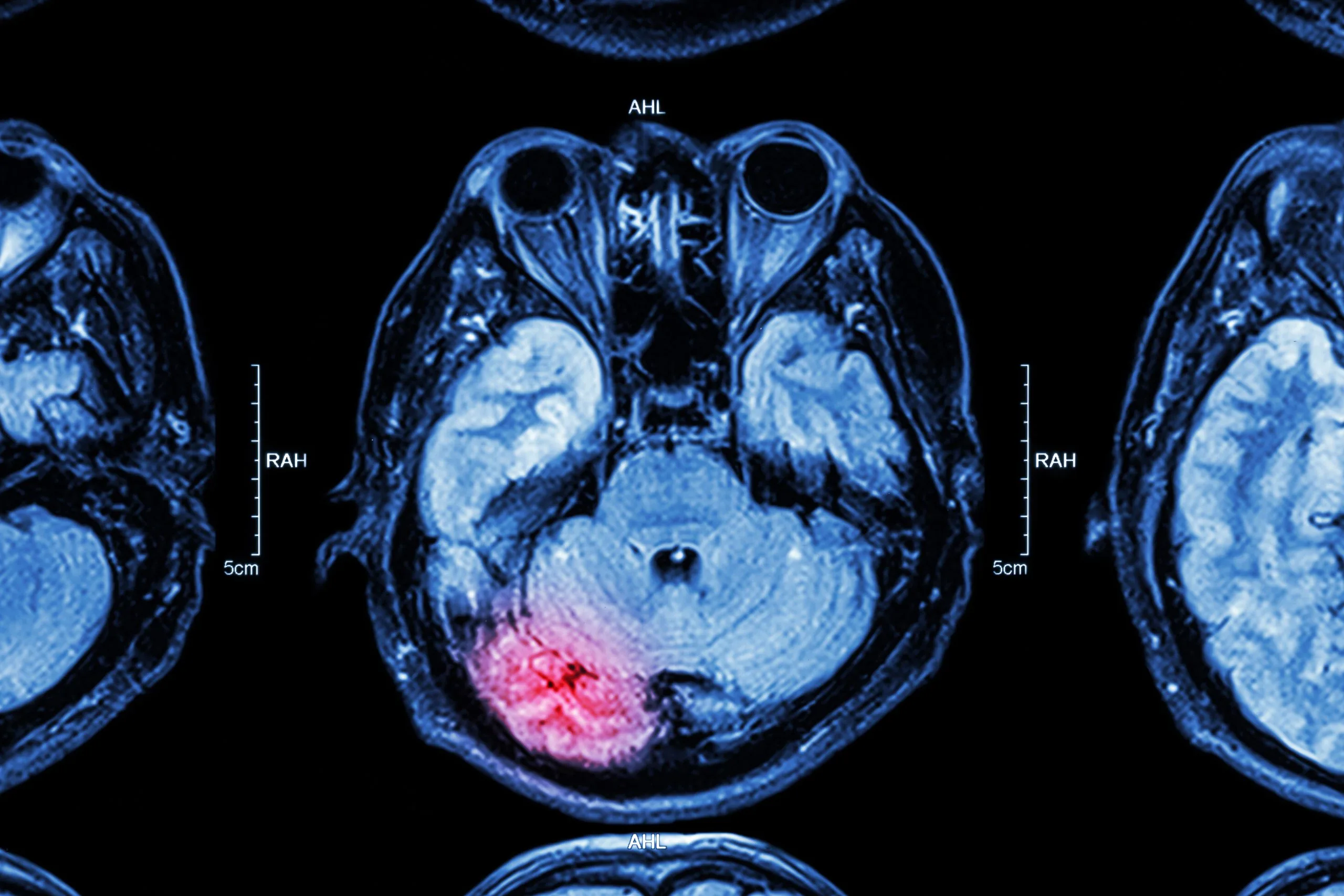
Traumatic Impact
Falls, motor vehicle accidents, sports collisions, and direct blows to the head are the most common causes. The brain moves inside the skull during impact, and that movement causes injury to brain tissue regardless of whether there is visible structural damage.
Cervical Spine Disruption
The same force that causes a brain injury typically affects the neck. Spinal joints shift, muscles guard and tighten, and nerve communication through the cervical spine is compromised. This is one of the most significant and least addressed contributors to post-injury symptoms.
Nervous System Dysregulation
After a brain injury, the nervous system is often stuck in a stress response. The body remains in fight-or-flight mode. That ongoing activation consumes energy, disrupts sleep, heightens pain sensitivity, and slows healing throughout the entire body.
Inflammation
Injury triggers an inflammatory response in the brain and surrounding tissues. When that inflammation persists, it continues to impair function and delay recovery. Nutritional status, gut health, and overall inflammatory load all affect how long inflammation remains elevated.
Neurotransmitter Imbalance
Brain injuries can disrupt the chemical messengers that regulate mood, cognition, sleep, and energy. These imbalances contribute to emotional changes, concentration difficulties, and persistent fatigue that can outlast the structural healing of the injury itself.
Non-Traumatic Causes
Not all brain injuries come from impact. Strokes, oxygen deprivation, and certain neurological conditions can cause similar patterns of nervous system stress and physical dysfunction. The supportive approach is similar regardless of the cause.