Bell’s Palsy

Bell’s Palsy Treatment in Atlanta

Close-up of cut orange electrical cables showing blue and brown insulated cores and exposed copper conductor strands.

Waking up to a drooping face, a mouth that will not cooperate, or an eye you cannot fully close. Bell’s palsy arrives suddenly and without warning. For most people, the immediate question is the same: will this go away?

Most conventional care for Bell’s palsy consists of medication and watchful waiting. At Balance Atlanta in Buckhead, Dr. Caroline von Fluegge-Chen takes a more active approach. Chiropractic care may reduce nerve compression and stress on the cervical spine that can slow facial nerve recovery. Class IV laser therapy directly calms inflammation along the nerve pathway. Together, they give the nervous system better conditions to heal, and better conditions consistently produce better outcomes.

Request Appointment

How Common is Bell’s Palsy?

Bell’s palsy affects approximately 40,000 Americans each year. It can occur at any age, though it is most common between 15 and 60. People with diabetes, upper respiratory infections, or who are pregnant have a slightly higher risk.

The vast majority of people improve significantly within the first month. Full recovery within three to six months is the norm. However, roughly 15 to 20 percent experience incomplete recovery, including lingering weakness, involuntary muscle contractions, or mild facial asymmetry. These outcomes are more likely when the nerve damage is severe and when treatment during the acute phase is limited to passive waiting.

Early, supportive care changes the trajectory. Reducing inflammation and nerve compression during the acute phase, rather than waiting for them to resolve on their own, creates the conditions that favor more complete recovery. That is the foundation of Balance Atlanta’s approach.

What is Bell’s Palsy?

Bell’s palsy occurs when the facial nerve, the seventh cranial nerve, becomes inflamed, irritated, or compressed. This nerve controls the facial muscles on one side of the face. When it is not functioning normally, the muscles it supplies become weak or paralyzed.

The facial nerve travels through a narrow bony canal in the skull. Even mild swelling is enough to compress it against the walls of this canal and disrupt the nerve signals that control facial movement. The more compression, the more disruption. The faster the compression is reduced, the better the nerve’s chances of fully recovering.

The exact cause is not always identified. Viral infections, particularly herpes simplex virus, are the most commonly suspected triggers. The virus is thought to reactivate, causing the facial nerve to swell. Stress, immune dysfunction, and cold exposure may also play contributing roles.

It is important to note that Bell’s palsy affects only the facial nerve. It does not cause weakness in the arms or legs. Any sudden facial drooping accompanied by limb weakness, speech difficulty, or loss of balance should be evaluated immediately as a possible stroke.


Request Appointment

What Causes Bell’s Palsy?

Viral Infection

Reactivation of the herpes simplex virus is the most common suspected cause. Other viruses, including Epstein-Barr virus, cytomegalovirus, and varicella-zoster virus, have also been implicated. The viral reactivation triggers inflammation of the facial nerve within its bony canal.

Upper Cervical Spine Stress

The facial nerve exits the brainstem, which sits at the junction of the skull and the upper cervical spine. Misalignment or restriction in the upper neck, particularly the atlas and axis vertebrae, can create neurological stress that affects cranial nerve function. Chiropractic evaluation of this region is a core part of the Bell’s palsy approach at Balance Atlanta.

Immune System Compromise

Bell’s palsy often follows periods of physical or emotional stress, illness, or immune suppression. A weakened immune system is less able to contain viral reactivation and less equipped to manage the resulting inflammation efficiently.

Inflammatory Response

Whatever the trigger, the pathway to symptoms is the same. The facial nerve swells. That swelling compresses the nerve against the walls of the facial canal. Compression disrupts nerve signals. The facial muscles on the affected side stop working normally.
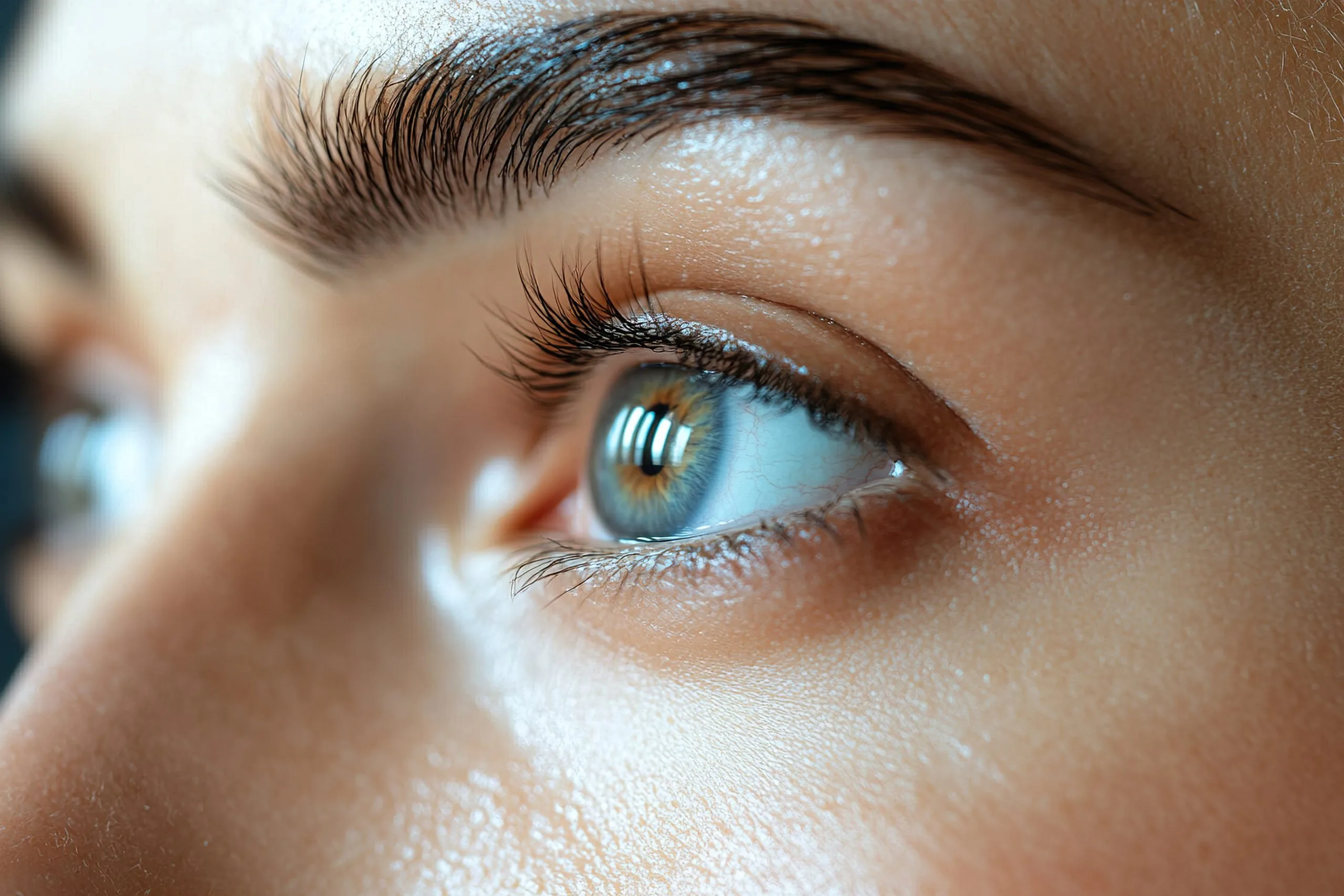
Close-up of an open eye with visible iris, lashes and eyebrow, showing surrounding skin texture; illustrative of eye appearance in Bell's palsy

Symptoms of Bell’s Palsy

Symptoms typically appear suddenly, often overnight, and reach their peak within 48 to 72 hours. They affect only one side of the face.

Facial Weakness or Paralysis

The most characteristic symptom. One side of the face droops. The mouth pulls to one side. Smiling, puffing the cheeks, or raising the eyebrow on the affected side may be difficult or impossible.

Difficulty Closing the Eye

The facial nerve controls the muscle that closes the eyelid. When it is not working properly, the eye on the affected side may not close fully. This creates a risk of corneal damage from dryness and requires protective measures, typically eye drops and an eye patch during sleep.

Pain Behind the Ear

Many people experience pain or aching behind the ear or along the jaw on the affected side in the days before or alongside the onset of facial weakness. This reflects inflammation of the facial nerve near its origin.

Changes in Taste

The facial nerve also carries taste sensation from the front two thirds of the tongue. Inflammation can disrupt this, producing altered or reduced taste on the affected side.

Sound Sensitivity

The facial nerve branches to supply a small muscle in the ear that dampens loud sounds. When this branch is affected, sounds may seem louder or more jarring than normal on the affected side.

Dry Eye or Dry Mouth

Branches of the facial nerve also influence tear and saliva production. Reduced function can produce dryness on the affected side.

Request Appointment

How Balance Atlanta Supports Bell’s Palsy Recovery

Care at Balance Atlanta begins with a thorough evaluation. Dr. Caroline assesses the upper cervical spine, neurological function, and the specific pattern of facial involvement to understand what is contributing to each patient’s presentation. The approach is built around supporting the nervous system’s own healing process as effectively as possible.

Chiropractic Adjustments

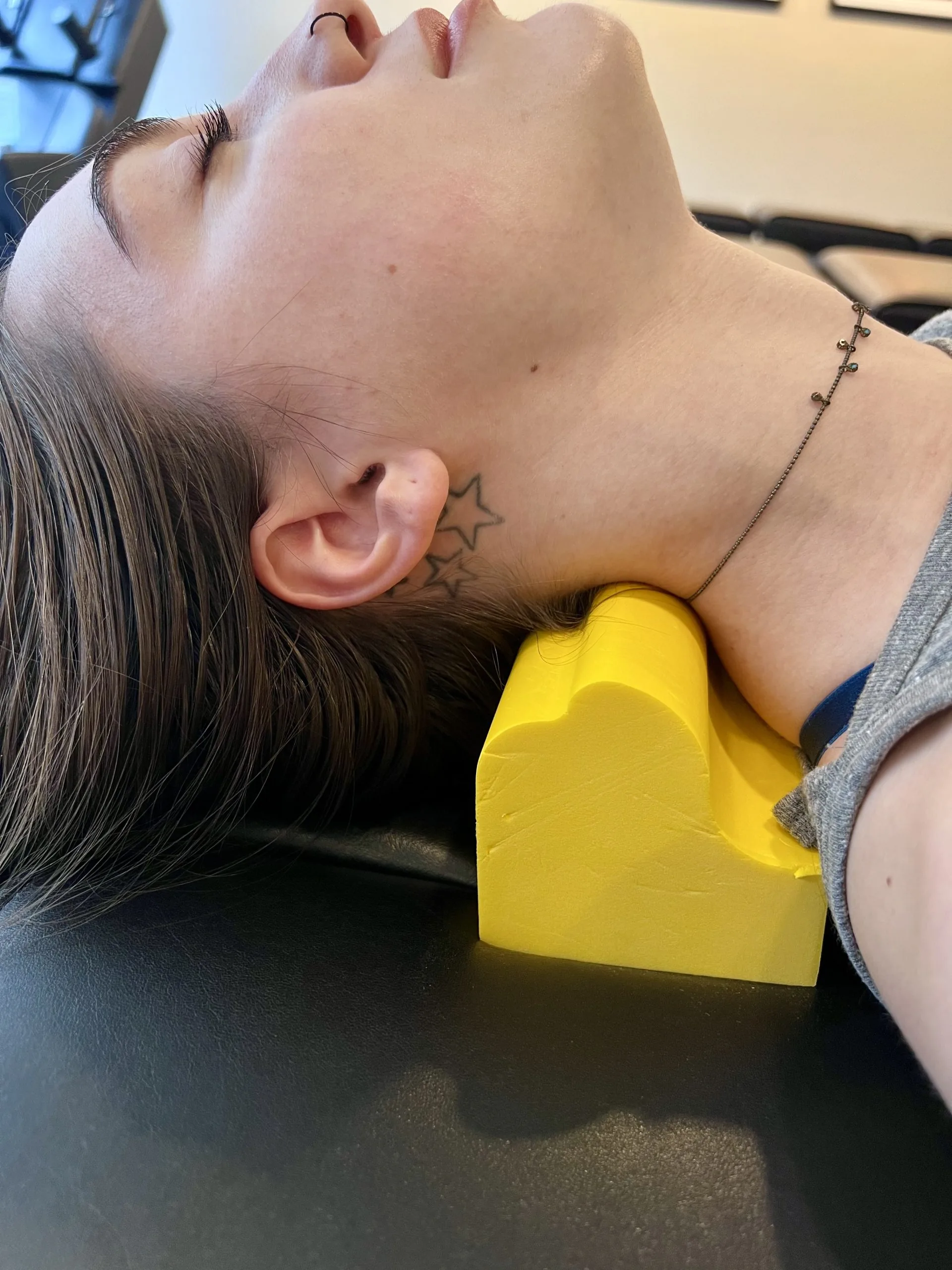
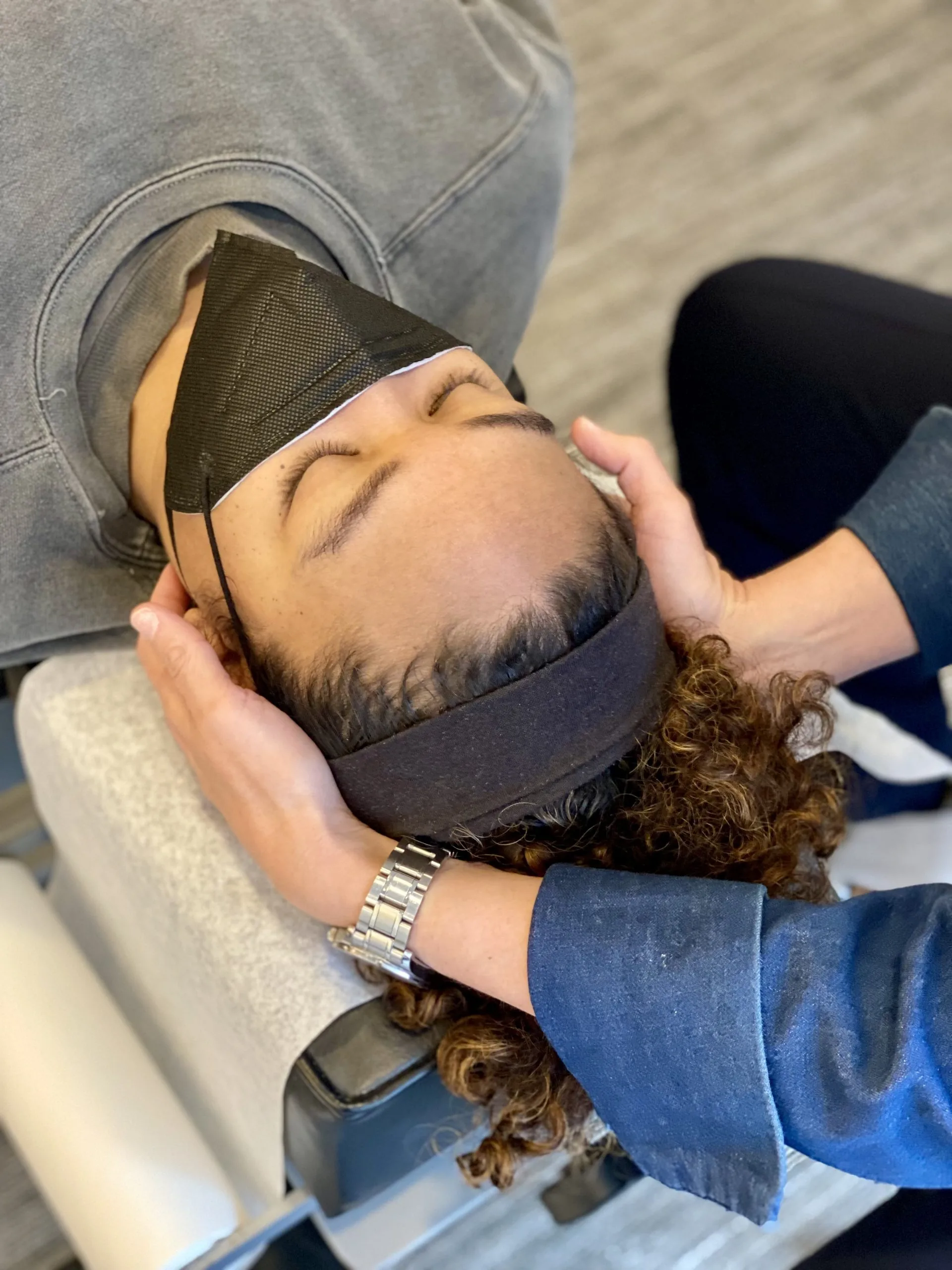
The facial nerve originates in the brainstem, which sits immediately above the upper cervical spine. Misalignment or restriction at the atlas and axis levels can create stress on the brainstem and the cranial nerves that exit from it. Gentle, precise adjustments to the upper cervical spine reduce this stress and improve the neurological environment in which the facial nerve needs to heal. Chiropractic care for Bell’s palsy is always gentle. There are no high-force adjustments to the face or jaw.

Class IV Laser Therapy

Deep tissue laser therapy delivers targeted light energy along the course of the facial nerve to reduce inflammation, support cellular repair, and improve local circulation. Laser therapy is painless and non-invasive. Sessions are brief, typically 5 to 10 minutes. The treatment is applied to the face and along the nerve’s pathway from the ear toward the brainstem. Many patients notice reduced discomfort and a sense of warmth and easing in the treated area during sessions.

Facial Muscle Stimulation and Exercise

Gentle stimulation of the weakened facial muscles, through targeted massage and therapeutic exercise, helps maintain muscle tone during the period of nerve recovery and encourages the return of voluntary control as the nerve heals. Without this, prolonged denervation can lead to muscle atrophy, complicating recovery even after the nerve itself has healed. Dr. Caroline provides specific facial exercises appropriate to each stage of recovery.

Nutritional and Immune Support

B vitamins, particularly B12 and B6, play a direct role in nerve repair and myelin maintenance. Antioxidants reduce oxidative stress in inflamed tissues. Zinc supports immune function. Where nutritional status is a factor, Dr. Caroline incorporates specific recommendations to support both the immune system’s ability to control viral reactivation and the nerve’s capacity to repair itself.

Stress Reduction and Lifestyle Support

Stress is one of the primary triggers for viral reactivation and a consistent factor in immune compromise. Dr. Caroline provides guidance on sleep quality, stress management, and the lifestyle factors that influence how efficiently the body resolves nerve inflammation. Recovery happens in the body, not just in the treatment room.

Request Appointment

Why Choose Balance Atlanta for Bell’s Palsy?

Active Support Rather Than Watchful Waiting

Most Bell’s palsy patients are sent home and told to wait. This is understandable given that most people do recover without intervention. But the quality and speed of recovery are influenced by what happens during the healing period. Active support of the nervous system during that window produces better conditions for more complete recovery.

Chiropractic Plus Laser Therapy Together

Chiropractic adjustments address neurological stress in the cervical spine that can slow facial nerve recovery. Class IV laser therapy manages the inflammatory component along the nerve pathway. These work on different dimensions of the same problem. Together, they address more of what is slowing recovery than either does alone.

Gentle Care Adapted to Each Patient

Bell’s palsy care at Balance Atlanta is always gentle. Techniques are adapted to the acute, subacute, or recovery phase the patient is in. Nothing is forced. The goal is to create optimal conditions for healing, not to push the nervous system beyond what it can recover from.

Holistic Approach Including Nutrition

Recovery from Bell’s palsy involves the immune system, the nervous system, and the physical condition of the nerve and its surrounding tissues. The approach at Balance Atlanta integrates chiropractic and laser therapy with nutritional support to provide a more comprehensive recovery plan.

Early Intervention Matters

The period immediately following the onset of Bell’s palsy is when the most meaningful support can be provided. The sooner inflammation is reduced and nervous system function is supported, the better the conditions for complete recovery. Patients who seek care early consistently do better than those who wait weeks before seeking support beyond medication.

Common Questions

Have questions? We have honest answers.

We understand you’ve already been through the system—appointments, mixed answers, and limited results.That’s why Balance Atlanta takes a different approach, focusing on root causes, not just symptoms


Every plan is personalized, with clear guidance and honest communication at every step. The goal is simple: real, lasting improvements in how you feel and function every day.

Request Appointment
  • What is Bell's palsy?

    Bell’s palsy is sudden weakness or paralysis of the muscles on one side of the face. It happens when the facial nerve, which controls facial expressions, becomes inflamed or compressed. Symptoms typically appear overnight and include facial drooping, difficulty closing the eye, and changes in taste or hearing on the affected side. Most people recover fully within three to six months. About 15 to 20 percent experience incomplete recovery. Early supportive care improves the likelihood of complete recovery. Chiropractic care and Class IV laser therapy at Balance Atlanta support the nervous system and reduce nerve inflammation, creating better conditions for healing.
  • What causes Bell's palsy?

    The most common cause is believed to be reactivation of the herpes simplex virus, which triggers inflammation of the facial nerve inside its narrow bony canal. Other viruses, immune compromise, physical or emotional stress, and upper cervical spine stress are also contributing factors. The facial nerve runs through a very confined space. Even mild swelling can compress the nerve and disrupt the signals that control facial movement. Reducing that swelling quickly and supporting the nervous system environment in which the nerve sits, is the core of the treatment approach at Balance Atlanta.
  • How is Bell's palsy different from a stroke?

    This is one of the most important questions to address. Both conditions can cause sudden facial drooping on one side, which can be understandably alarming. The key difference is that a stroke affects the brain itself and typically causes additional symptoms, including weakness in the arm or leg on the same or opposite side, slurred speech, confusion, vision changes, or dizziness. Bell’s palsy affects only the facial nerve and does not cause limb weakness. If there is any doubt, the situation should be treated as an emergency. Go to an emergency room or call 911. Once stroke is ruled out, evaluating and beginning supportive care for Bell’s palsy as early as possible is the next priority.
  • Will Bell's palsy go away on its own?

    Most cases do improve significantly, and many people recover completely. About 70 percent of patients with complete facial paralysis recover full function. Recovery typically begins within three weeks and progresses over three to six months. However, the quality and completeness of recovery are influenced by what happens during the healing period. Patients who receive active supportive care, which reduces nervous system inflammation, tend to recover more quickly and completely than those who wait without intervention.
  • Can chiropractic care help Bell's palsy?

    The facial nerve originates in the brainstem, which sits immediately above the upper cervical spine. Misalignment or restriction in this region can create neurological stress that affects cranial nerve function. Gentle chiropractic adjustments to the upper neck reduce this stress and improve the neurological environment in which the facial nerve recovers. Chiropractic care for Bell’s palsy does not involve any treatment directly to the face. It focuses on the spine-nervous system connection that influences how efficiently the body can heal the affected nerve.
  • What does Class IV laser therapy do for Bell's palsy?

    Class IV laser therapy delivers targeted light energy along the course of the facial nerve to reduce inflammation, promote cellular repair, and improve circulation in the affected tissue. For patients with Bell’s palsy, it directly addresses the inflammatory component of nerve compression, accelerating the reduction of swelling that limits nerve function. Sessions are painless and brief. The treatment is applied to the face and ear region where the facial nerve runs near the surface. Many patients notice reduced pain around the ear and jaw, along with a gradual improvement in facial movement, with regular treatment during the recovery period.
  • How long does Bell's palsy last?

    For most people, noticeable improvement may begin within two to four weeks of onset. Some take longer, and a minority experience lingering weakness. Early intervention improves these timelines. Reducing nerve inflammation quickly, supporting the immune system, and maintaining muscle function throughout the recovery period all contribute to a faster, more complete resolution.
  • Is Bell's palsy permanent?

    The minority of patients who do experience permanent effects, typically mild facial asymmetry, involuntary muscle contractions, or reduced movement on the affected side, are more likely to have had incomplete treatment during the acute phase.
  • Can children get Bell's palsy?

    Yes, though it is less common in children than in adults. Children typically recover well, often more completely and quickly than adults. The approach at Balance Atlanta uses appropriately gentle techniques for young patients, with the same focus on reducing nerve inflammation and supporting nervous system function.
  • When should Bell's palsy symptoms be evaluated?

    Any sudden facial weakness or drooping should be evaluated immediately to rule out stroke. Once stroke is ruled out, initiating supportive care as early as possible yields the best outcomes. Do not wait to see if symptoms improve on their own before seeking evaluation. The window for the most impactful intervention is in the first days and weeks after onset. Early care, not watchful waiting, is the approach that consistently produces the most complete recoveries.