Arthritis

Arthritis Treatment in Atlanta

Clinician holding a patient's foot while talking with them in a chiropractic treatment room

Joint pain and stiffness that start mild and gradually take more from you. Getting out of a chair, climbing stairs, turning your head, and gripping a jar. Things that used to be automatic.

Arthritis is the most common cause of disability in the United States. More than 58 million Americans have been diagnosed with it. Many of them have been told to manage it with medication and accept the progression.

That is not the only option.

At Balance Atlanta, Dr. Caroline von Fluegge-Chen uses chiropractic adjustments, Class IV laser therapy, radial pressure shockwave therapy, trigger point work, postural correction, and functional medicine together to reduce pain, restore mobility, and address the factors driving joint inflammation. The goal is not just to manage symptoms but to slow the process and improve how you move through daily life.

Request Appointment
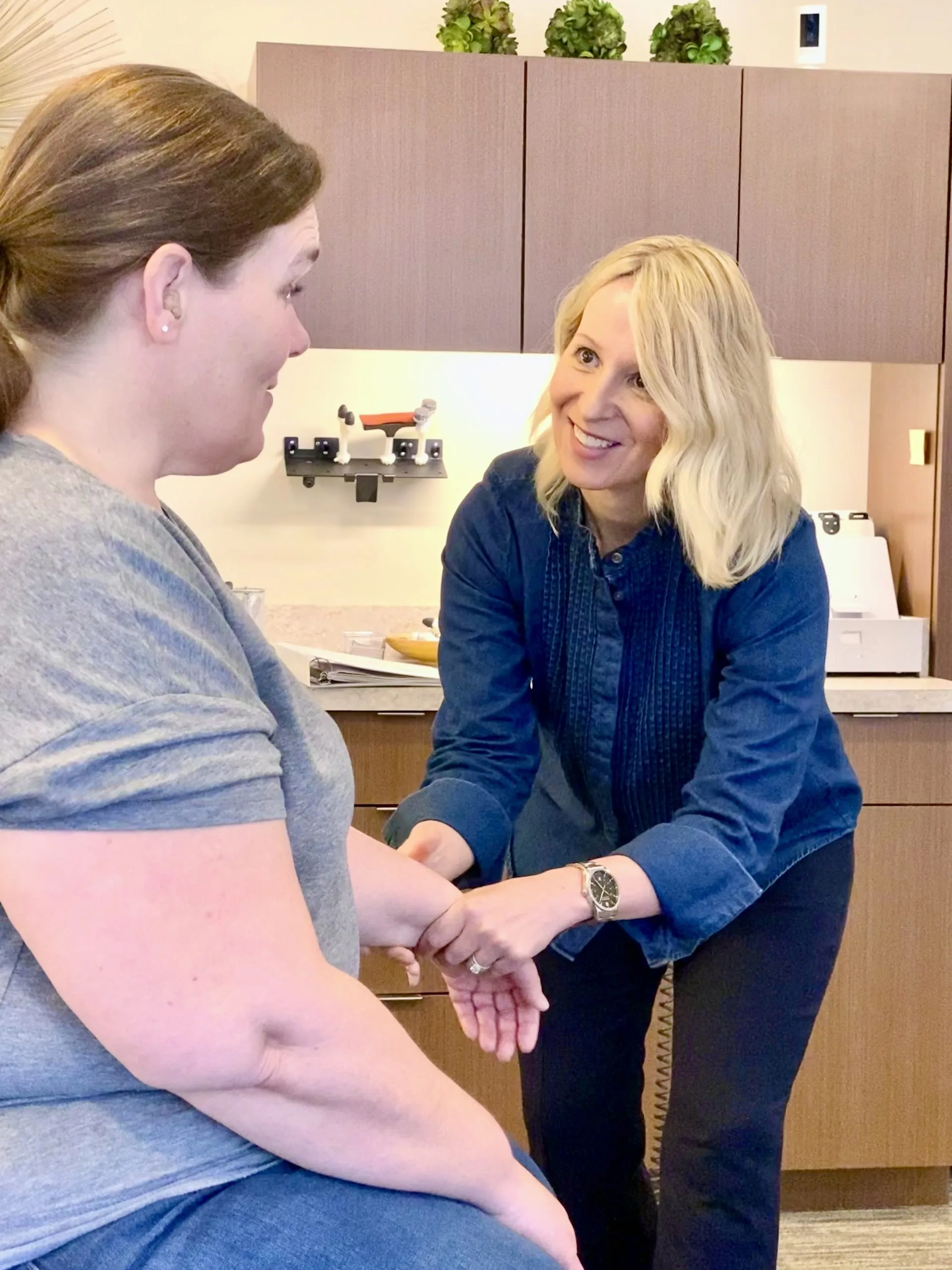
Chiropractor examining a patient's wrist during a consultation for arthritis.

How Arthritis Affects Daily Life

Arthritis is not a single condition. It is a term that covers more than 100 types of joint disease. What they share is inflammation in or around the joints, leading to pain, swelling, and reduced range of motion.

The CDC reports that over 58.5 million American adults have been diagnosed with arthritis. Of those, nearly 25 million report activity limitations because of it. The condition costs the United States more than 304 billion dollars annually in healthcare expenses and lost wages.

Most people live with arthritis for years before seeking care beyond pain management. By that point, the joint damage and compensatory movement patterns that have developed make treatment more complex. Earlier intervention produces better outcomes.

Chiropractic care combined with the therapies available at Balance Atlanta gives people with arthritis a concrete, non-surgical path toward better function. Research supports it. Patients experience it. The question is whether the approach fits your situation.

Request Appointment

Types of Arthritis We Address

Osteoarthritis

Osteoarthritis is the most common form, affecting more than 32.5 million Americans. It develops when the cartilage cushioning the ends of bones gradually wears down, leaving bone surfaces to contact each other. The result is pain, swelling, and stiffness, most often in the knees, hips, hands, and spine. It is sometimes described as wear-and-tear arthritis, which is partly accurate. Age, previous injuries, excess weight, and years of repetitive stress all contribute. But joint mechanics matter too. When joints move poorly or are misaligned, cartilage wears unevenly and faster than it should. Improving how those joints move is one of the things chiropractic care does directly.

Rheumatoid Arthritis

Rheumatoid arthritis is an autoimmune condition in which the immune system attacks the synovium, the tissue lining the joints. This produces ongoing inflammation that eventually damages cartilage and bone. It affects about 1.5 million Americans and typically presents first in the hands, wrists, and feet, though it can affect any joint. The systemic nature of rheumatoid arthritis means it responds to more than just local joint treatment. Functional medicine at Balance Atlanta addresses the broader inflammatory environment, including nutrition, gut health, and lifestyle factors, that influences immune system function.

Spinal Arthritis

Arthritis in the spine, commonly called spondylosis, affects the vertebrae, discs, and the joints between them. It is extremely common with age and a frequent source of neck pain, back pain, and nerve irritation. When bone spurs develop and narrow the spaces where nerves exit the spine, pain can travel into the arms or legs. Chiropractic adjustments are particularly well-suited to spinal arthritis. They maintain joint mobility, reduce nerve pressure, and help prevent the stiffness and compensatory muscle tension that develop when arthritic spinal joints are left immobile.

Bursitis

Bursitis involves inflammation of the bursae, small fluid-filled sacs that reduce friction between bones, tendons, and muscles around joints. It commonly affects the shoulders, hips, elbows, and knees. The pain can be sharp and localized, worsening with movement or pressure. Treatment at Balance Atlanta addresses the mechanical irritation that drives bursitis, as well as the inflammation. Adjustments, laser therapy, and soft tissue work reduce the stress on the affected bursa and support healing without the repeated cortisone injections that are the conventional default.

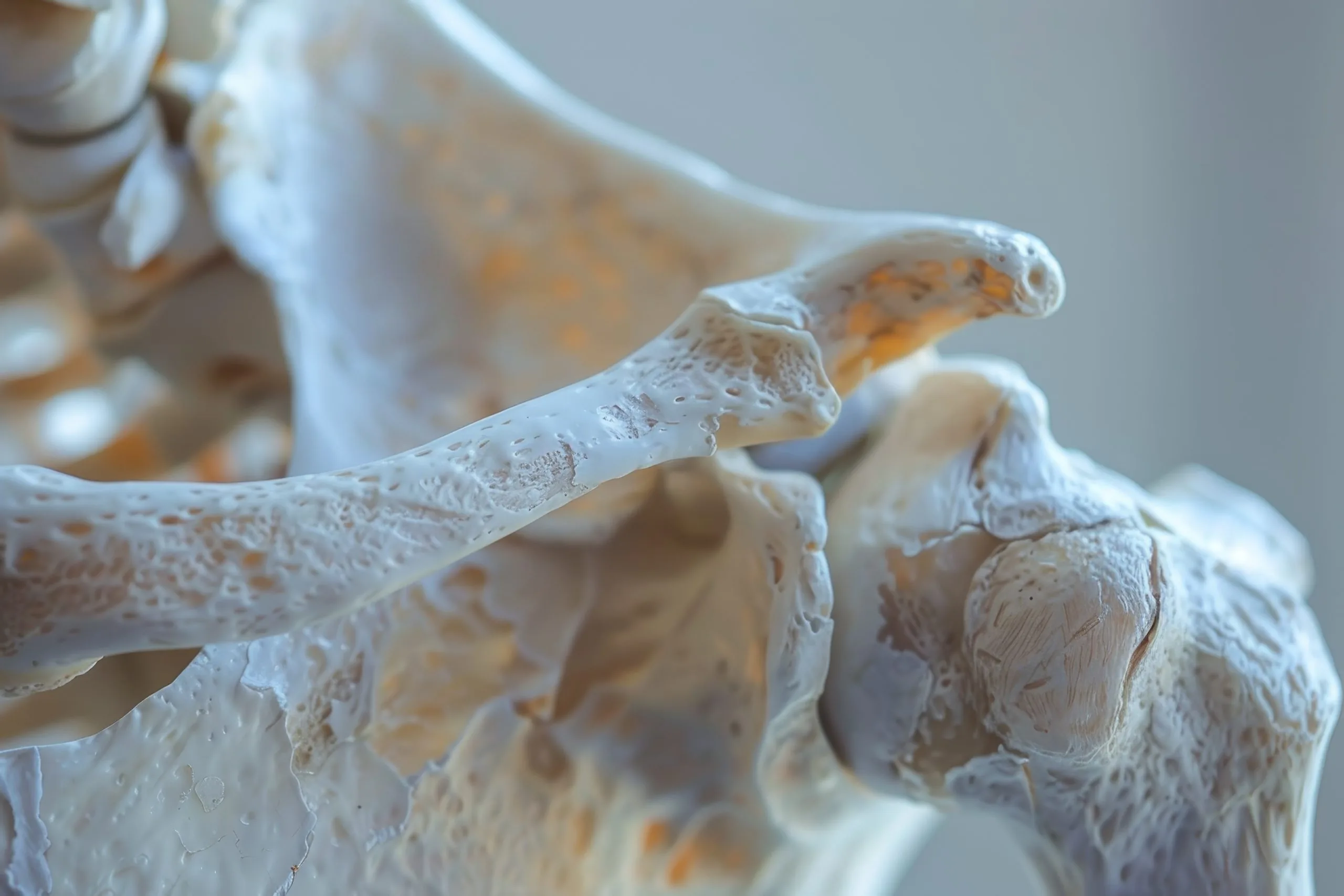
Close-up of a porous vertebra bone model showing surface erosion and small holes, illustrating bone degeneration associated with arthritis.

Common Arthritis Symptoms

Symptoms vary depending on the type and location of arthritis, but the following are the most common.

Joint Pain and Tenderness

Pain that may be constant or that flares with activity. In osteoarthritis, symptoms often worsen with use and ease with rest, at least in the earlier stages. In inflammatory arthritis, symptoms may worsen after rest and improve with movement as the joint warms up.

Stiffness

Morning stiffness that takes more than a few minutes to ease is characteristic of inflammatory arthritis. Stiffness after inactivity is common in osteoarthritis. Either pattern reflects restricted joint motion and is something chiropractic care addresses directly.

Swelling

Inflammation inside or around the joint produces visible or palpable swelling. Chronic swelling puts pressure on surrounding structures and contributes to pain and loss of motion.

Reduced Range of Motion

The gradual loss of full joint movement. Small reductions compound over time and significantly affect function, particularly for the spine, hips, knees, and shoulders.

Grinding or Clicking Sensations

Crepitus, the grinding or clicking felt in arthritic joints, results from roughened cartilage surfaces contacting each other. It does not always correlate with pain level, but it indicates cartilage loss and is a sign the joint needs attention.

Radiating Symptoms

Arthritis in the cervical or lumbar spine can compress nerves, producing pain, tingling, or numbness that travels into the arms or legs. This is often misattributed to the extremities alone. Treating the spinal source is essential.

Request Appointment

Biological Contributors to Anxiety and Depression

Mood disorders rarely develop from a single cause. The following biological factors are among the most common and most consistently overlooked contributors.
Close-up of interlocking polished metal gears with shallow depth of field, symbolizing joint mechanics and wear relevant to arthritis

Poor Joint Mechanics

When a joint does not move through its full range of motion, or when it is misaligned, the forces passing through it are distributed unevenly. Cartilage in high-pressure areas wears faster. Surrounding muscles compensate, creating chronic tension and further restricting movement. Restoring normal joint mechanics slows this cycle.

Chronic Inflammation

Systemic inflammation, driven by diet, gut dysfunction, stress, or metabolic conditions, accelerates cartilage breakdown and intensifies joint pain. This is particularly relevant in rheumatoid and other inflammatory arthritides, but it also contributes to osteoarthritis progression. Functional medicine addresses this dimension of arthritis that standard joint care does not.

Postural Load

How you hold your body during daily activities determines how the load is distributed through your joints. Forward head posture, for example, places several times the normal weight of the head onto the cervical spine. Rounded shoulders increase stress on the neck and shoulder joints. Over the years, this abnormal loading accelerates arthritic change. Postural correction is part of every arthritis treatment plan at Balance Atlanta.

Muscle Weakness and Imbalance

Muscles support and stabilize joints. When they are weak or imbalanced, joints carry more load than they should. This is especially relevant for knee and hip arthritis, where quadriceps weakness is consistently associated with faster disease progression. Rehabilitation exercises that strengthen the muscles around arthritic joints are an important part of long-term management.

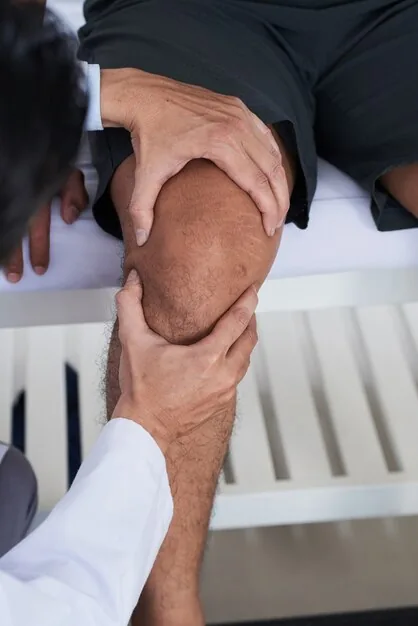
Clinician palpating a patient's knee during an exam to assess joint pain and mobility related to arthritis.

Inactivity

The natural response to joint pain is to move less. But reduced movement leads to stiffer joints, weaker supporting muscles, and faster cartilage deterioration. The right kind of movement, carefully guided, is part of what keeps arthritic joints healthier for longer.

How Balance Atlanta Treats Arthritis

Care begins with a thorough evaluation. Dr. Caroline assesses joint function, posture, range of motion, and the specific areas affected before creating a plan. The approach is not the same for every arthritis patient because arthritis presents differently in every person.

Chiropractic Adjustments

Gentle, precise adjustments to arthritic joints and the spine maintain mobility, reduce nerve pressure, and improve how load is distributed through affected joints. Techniques are adapted to the individual patient. Someone with significant osteoarthritis in the lower lumbar spine receives a different approach than someone with early hip arthritis. Research published in the Journal of Manipulative and Physiological Therapeutics found significant reductions in pain and improvements in joint function among patients with arthritis who received chiropractic care.

Class IV Laser Therapy

Deep tissue laser therapy uses targeted light energy to reduce inflammation, stimulate cellular repair, and improve circulation in arthritic joints. It is non-invasive and painless. For patients with joint inflammation and chronic soft-tissue irritation around arthritic joints, laser therapy directly addresses the inflammatory component without adding medication. Sessions typically take 5 to 10 minutes, and many patients notice reduced pain and improved mobility within the first few treatments.

Radial Pressure Shockwave Therapy

Shockwave therapy uses acoustic pulses to stimulate tissue healing, break down calcified deposits around joints, and increase blood flow to chronically inflamed areas. For arthritis patients with surrounding tendon involvement or bursitis alongside their joint disease, shockwave therapy targets the soft-tissue component that adjustments alone cannot fully reach.

Trigger Point Therapy

Arthritic joints are surrounded by muscles that develop tight, contracted points in response to chronic pain and compensatory movement. These trigger points refer pain into adjacent areas and reduce joint mobility by holding surrounding tissue in a shortened state. Releasing them directly reduces pain and restores the range of motion that muscle tension has been limiting.

Postural Correction

Posture determines how the load is distributed through every joint in the body. Poor posture, particularly forward head posture and rounded shoulders, places abnormal stress on the cervical spine, shoulder joints, and upper back, accelerating arthritic change over time. Dr. Caroline incorporates postural assessment and correction into every arthritis treatment plan, along with targeted exercises that promote better alignment during daily activities.

Functional Medicine

Arthritis has a systemic dimension that joint-focused treatment alone does not address. Diet, gut health, inflammation markers, and metabolic factors all influence how aggressively arthritis progresses and how much pain it produces. The functional medicine approach at Balance Atlanta evaluates these factors and creates a plan that addresses them alongside the structural care. For patients with rheumatoid or inflammatory arthritis, this often produces the most meaningful long-term improvement.

Rehabilitation Exercises

Strengthening the muscles that support arthritic joints reduces the load the joints carry and slows disease progression. Dr. Caroline designs specific exercise progressions appropriate to each patient’s condition, joint health, and physical capacity. These are not generic stretching routines. They target the specific muscle groups that protect each patient’s most affected joints.

Request Appointment

Why Choose Balance Atlanta for Arthritis Treatment?

More Than Pain Management

Most arthritis care focuses on managing symptoms. The approach at Balance Atlanta also aims to slow progression. By improving joint mechanics, reducing systemic inflammation, correcting postural load, and strengthening supporting muscles, the goal is to reduce the amount of damage that accumulates over time, not just to make today more comfortable.

Advanced Therapies Alongside Chiropractic Care

Class IV laser and shockwave therapy address dimensions of arthritis that adjustments alone cannot reach. The combination produces better outcomes than any single treatment approach. These technologies are the same ones used by professional sports organizations for soft-tissue and joint recovery, and are available here for every patient at Balance Atlanta.

Gentle, Adapted Care

Arthritic joints are more sensitive than healthy ones. Techniques at Balance Atlanta are adapted to each patient’s specific condition, joint health, and comfort level. Nothing is forced. The approach is always calibrated to what is appropriate for that person at that stage of their condition.

Functional Medicine Integration

Addressing the systemic inflammation that drives arthritis progression requires more than joint care. The functional medicine component at Balance Atlanta evaluates nutritional status, inflammatory markers, gut health, and lifestyle factors, and creates a plan that supports the body’s ability to manage arthritis from the inside.

Personalized Plans

Arthritis affects different people differently. Osteoarthritis in the knee of a 60-year-old runner requires a different plan than inflammatory arthritis in the hands of a 45-year-old. Care at Balance Atlanta is built around the evaluation, not a standard arthritis protocol.

Common Questions

Have questions? We have honest answers.

We understand you’ve already been through the system—appointments, mixed answers, and limited results.That’s why Balance Atlanta takes a different approach, focusing on root causes, not just symptoms


Every plan is personalized, with clear guidance and honest communication at every step. The goal is simple: real, lasting improvements in how you feel and function every day.

Request Appointment
  • What is arthritis?

    Arthritis is a broad term for conditions that cause inflammation and damage in the joints. There are over 100 types, but osteoarthritis and rheumatoid arthritis are by far the most common. Osteoarthritis results from cartilage breakdown over time. Rheumatoid arthritis is an autoimmune condition in which the immune system attacks joint tissues. Both produce pain, stiffness, and reduced mobility, though through different mechanisms and requiring somewhat different treatment approaches.
  • What are the most common arthritis symptoms?

    Joint pain and tenderness are the most universal symptoms. Stiffness, particularly in the morning or after periods of inactivity, is also characteristic. Swelling, reduced range of motion, and a grinding or clicking sensation in the joint are common. In spinal arthritis, pain, tingling, or numbness can travel into the arms or legs if nerves are compressed. Fatigue is a significant symptom in inflammatory arthritis types and is often underrecognized.
  • Can chiropractic care help with arthritis pain?

    Chiropractic adjustments maintain joint mobility, reduce nerve pressure, and improve the distribution of forces through the joint. This directly addresses the mechanical contributors to arthritis pain. Research supports significant reductions in pain and improvements in function for arthritis patients receiving chiropractic care. The approach at Balance Atlanta combines adjustments with laser therapy, shockwave therapy, and functional medicine for a more complete effect than adjustments alone.
  • Is chiropractic care safe for arthritic joints?

    When adapted to the individual’s condition, yes. Dr. Caroline evaluates joint health thoroughly before treatment. Arthritic joints receive gentler, lower-force approaches. Mobilization, soft tissue work, and instrument-based techniques are often more appropriate than high-force adjustments for significantly arthritic joints. Comfort and safety are assessed at every visit, and the approach adapts as the patient’s condition changes.
  • What does Class IV laser therapy do for arthritis?

    Laser therapy reduces joint inflammation, stimulates cellular repair in cartilage and surrounding soft tissue, and improves circulation in the treated area. It is non-invasive and painless. For arthritis patients who have chronic inflammation around their joints, laser therapy addresses that component without adding medication. It works particularly well in combination with chiropractic care and is often the treatment that provides the most immediate reduction in pain and swelling.
  • How does shockwave therapy help arthritis?

    Shockwave therapy uses acoustic pulses to stimulate healing in chronically inflamed tissues around arthritic joints. It is particularly useful when arthritis is accompanied by tendon involvement, bursitis, or calcification deposits. For patients whose joint pain is partly or largely due to the surrounding soft tissues rather than the joint itself, shockwave therapy targets that component directly. It is one of the most evidence-supported non-surgical treatments for chronic musculoskeletal pain.
  • How does functional medicine fit into arthritis treatment?

    Arthritis is not only a mechanical joint problem. Systemic inflammation, influenced by diet, gut health, nutritional status, and metabolic factors, drives the progression of both osteoarthritis and rheumatoid arthritis. Functional medicine at Balance Atlanta evaluates these factors and develops a plan to address them. For patients with rheumatoid arthritis, this often produces the most meaningful long-term improvement alongside their medical management. For patients with osteoarthritis, it reduces the inflammatory environment that accelerates cartilage breakdown.
  • Can arthritis get worse without treatment?

    Without adequate joint care and activity, arthritis typically progresses. Reduced movement leads to stiffer joints. Weaker supporting muscles place more load on arthritic surfaces. Postural compensation patterns develop, stressing joints in new ways. The inflammatory process continues unchecked. Early intervention with a combination of approaches that address mechanics and inflammation and support muscle strength yields better long-term outcomes than waiting until the condition is more advanced.
  • What lifestyle changes help with arthritis?

    Low-impact movement that keeps joints mobile without overloading them, such as walking, swimming, or cycling, is consistently beneficial. Maintaining a healthy weight significantly reduces joint load, particularly on the knees and hips. An anti-inflammatory diet rich in omega-3 fatty acids, vegetables, and whole foods supports joint health. Avoiding prolonged static positions reduces stiffness. Ergonomic adjustments at work and home reduce mechanical stress on arthritic joints. Dr. Caroline incorporates specific guidance on all of these into the care plan.
  • Can arthritis affect younger people?

    Yes. While osteoarthritis is more common with age, rheumatoid arthritis and other inflammatory arthritis types can develop at any age, including in children. Previous joint injuries significantly increase the risk of osteoarthritis in that joint, regardless of age. Younger people with arthritis often benefit enormously from early intervention because the joint damage is less advanced and the body’s capacity for response is greater. The approach at Balance Atlanta is appropriate for patients at any age and any stage.