BrainCore Neurofeedback Therapy in Atlanta, GA

Train Your Brain to Regulate Better

BrainCore is a drug-free way to retrain the patterns behind focus, anxiety, sleep, mood, and cognitive performance. The results last because the brain has learned them, not because something outside it is holding them in place.

Book an Appointment

How Neurofeedback Works

These are not vague wellness categories. Each one has a specific brainwave pattern driving it.

Each of these conditions has a neurological component, a brainwave pattern that contributes to the symptoms. BrainCore addresses that pattern directly. That is what makes them trainable, and what makes the training durable.

The brain produces electrical activity in distinct frequency patterns. Slower frequencies correspond to deep rest and unconscious processing. Faster frequencies correspond to active, alert, task-focused states. When those patterns are overproduced, underproduced, or dysregulated at specific brain locations, the symptoms show up in focus, mood, sleep, and cognitive performance. A quantitative EEG, or brain map, is what makes those patterns visible so the training can target them.

If you want the full explanation of what brainwaves are and what happens when they become dysregulated, see our Understanding Brainwaves page.

BRAINCORE Benefits

More Than Symptom Management

The difference between managing a problem and resolving it is whether the underlying mechanism has changed. BrainCore Neurofeedback works at the level of the brain’s electrical patterns, the mechanism. When those patterns change, the symptoms they produce change with them. And because the brain has learned to produce better patterns, the change tends to hold.

  • Focus and attention that hold when demand is highest.

    Dysregulated brainwave patterns are one of the most common and least-addressed drivers of attention and focus problems in both children and adults. When the brain produces too much slow-wave activity during periods that require alert concentration, focus becomes effortful and unreliable. BrainCore identifies those patterns precisely and trains the brain to shift toward the organized activity that sustained attention requires. Many patients notice the difference before they expect to.

  • Anxiety that doesn't run the nervous system.

    Anxiety has a neurological component, overactive high-frequency brainwave patterns that keep the nervous system in a state of alert even when there is no genuine threat. BrainCore training identifies those patterns and guides the brain toward calmer, more regulated states. The shift is not sedation. It is genuine regulation, the difference between a nervous system that is quiet because it has been suppressed and one that is quiet because it has learned to be.

  • Sleep that actually restores.

    Poor sleep is frequently neurological, the brain cannot shift into the slower, deeper brainwave states that restorative sleep requires because it is stuck in higher-frequency activity. BrainCore identifies the specific patterns preventing the transition into deep sleep and trains the brain to make that shift more effectively. Most patients report meaningful improvement in sleep quality within the first several weeks of training.

  • Emotional regulation under real pressure.

    Emotional volatility, reactivity under stress, and difficulty recovering from emotional upset are often neurological patterns rather than character traits. When the brain’s regulatory capacity is strengthened through BrainCore training, the emotional response to stress changes, not because the patient is trying harder to manage it, but because the neurological system producing the response has shifted.

  • Cognitive performance that doesn't degrade under load.

    Memory, processing speed, problem-solving under pressure, and the ability to maintain performance across a long cognitive day all depend on the brain’s ability to produce and maintain organized electrical patterns under demand. BrainCore training strengthens that capacity directly. Many patients, particularly students, executives, and high-performing professionals, notice improvements in sustained cognitive performance before they notice other changes.

  • Performance under competitive pressure.

    Athletes, performers, and students in competitive environments benefit from BrainCore’s ability to train the brain to maintain regulated, focused states under pressure. The mental composure that allows someone to access their full capacity in a high-stakes moment, rather than contracting under the anxiety of it, is a neurological capacity that can be trained. BrainCore trains it directly.

  • Results that hold because the brain learned them.

    The durability of BrainCore’s outcomes is what distinguishes it from approaches that manage symptoms through ongoing intervention. Because the brain has learned to produce better patterns, not because a medication or external device is maintaining them, the improvements persist after training is complete. This is the fundamental difference between brain training and symptom management.

  • A drug-free path for those who want one.

    For patients who prefer not to use medication, who have not fully responded to medication, or who want to reduce their reliance on medication over time, BrainCore offers a clinically grounded alternative that works on the same neurological system that medication affects, through learning rather than pharmacological intervention. BrainCore does not replace medication when it is medically necessary. It provides an additional path that many patients find changes what is possible.

She doesn’t just treat the spine. She finds out why it keeps failing you.

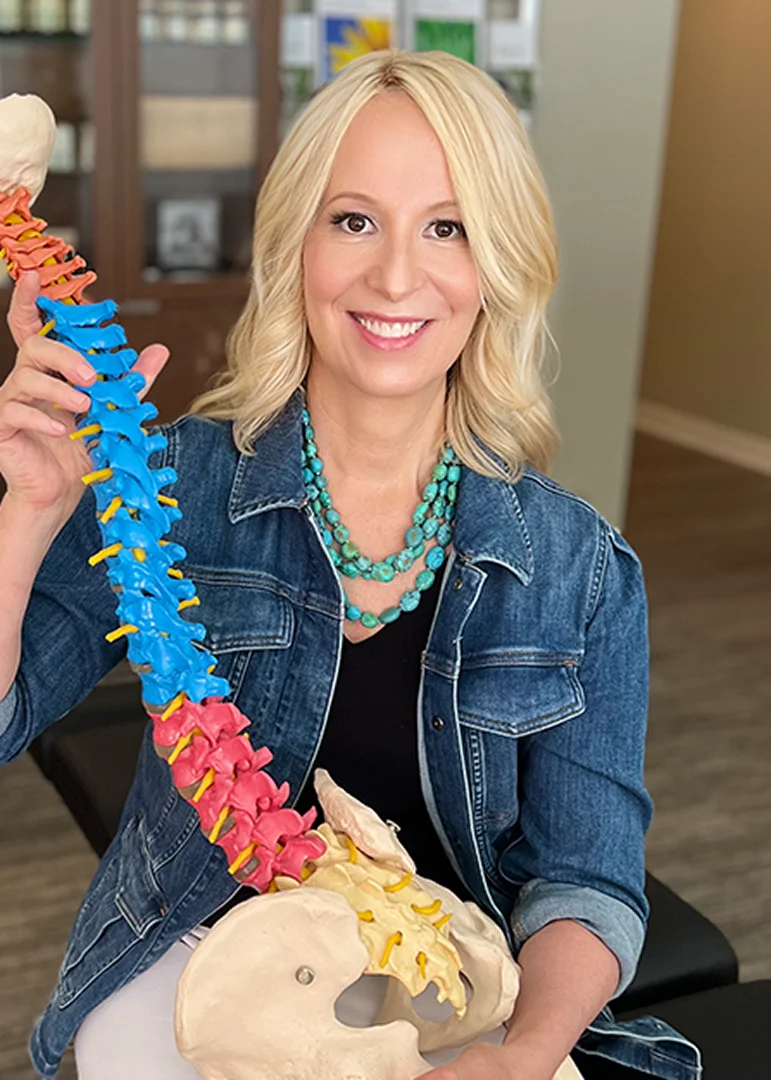
Dr. Caroline von Fluegge-Chen has practiced in Atlanta for 27 years. She is both a chiropractor and a functional nutrition practitioner. That combination is rare, and it changes what she can see. It lets her look past the misalignment to what actually decides whether the same problem keeps coming back: inflammation, hormones, blood sugar, sleep. If your back keeps going out, there’s a reason most care never looks for. She finds it.

Book an Appointment

How BrainCore Works

Three Steps to Better Regulation

Phase 1: Assessment, The Brain Map (qEEG)

The first step is a quantitative electroencephalogram (qEEG), a brain map. Sensors are placed on the scalp to measure the brain’s electrical activity across multiple sites simultaneously. The resulting map shows which brainwave frequencies are overproduced, underproduced, or dysregulated at specific brain locations. This is the clinical picture that determines what training is needed and where. Without the brain map, neurofeedback is not targeted, it is applied generically. At Balance Atlanta, every BrainCore program begins with a brain map that informs everything that follows.

Phase 2: Training, Real-Time Feedback

During training sessions, scalp sensors measure the brain’s electrical activity in real time. The patient watches a screen or listens to audio that responds to their brainwave patterns, brighter, louder, or more active when the brain produces the patterns being trained, and dimmer or quieter when it does not. The brain learns from this feedback the same way it learns any skill, through repetition and reinforcement. No electrical stimulation is used. Nothing is introduced into the body. The brain is receiving information about its own activity and adjusting accordingly.

Phase 3: Reinforcement, The Brain Maintains New Patterns

Over the course of a training program, the brain becomes increasingly capable of producing the target patterns without the feedback session as a prompt. This is the reinforcement phase, the brain has internalized the new regulation capacity and can maintain it independently. This is why BrainCore’s results tend to be durable: the brain has learned something rather than being managed through ongoing intervention. Follow-up brain maps track the objective neurological changes across the training program.

READY TO START

Is Your Brain Part of the Problem?

If you are ready to book a brain map assessment, appointments are available now. If you want to talk through your specific situation first, your symptoms, what you have already tried, whether BrainCore is likely to be relevant for your specific presentation, the free 10-minute call is there for exactly that. Dr. Caroline will tell you honestly whether neurofeedback is likely to help before you commit to anything.

Balance Atlanta is located in Buckhead at 360 Pharr Rd NE, Atlanta, GA 30305. Serving patients from Buckhead, Brookhaven, Sandy Springs, Vinings, Midtown, and across the greater Atlanta area.

Request an Appointment

Request an Appointment

Schedule a Free 10-Minute Call

Schedule a Free 10-Minute Call

WHO THIS IS FOR

Could Your Brain Be Part of the Answer?

Most patients who come to Balance Atlanta for BrainCore Neurofeedback have already tried something. Medication that helped but had side effects. Therapy that produced insight but not full resolution. Sleep aids that worked temporarily. Supplements that made a partial difference. What they are looking for is an approach that addresses the neurological level of the problem rather than focusing on its surface. BrainCore is that approach, for patients whose specific condition is driven by a brainwave pattern. The qEEG brain map is what determines whether that is the case for each individual patient. You do not need to be certain that BrainCore is the answer. You need to be willing to find out whether your brain’s patterns are part of the picture.

  • You have ADHD, anxiety, sleep problems, mood instability, or cognitive performance concerns that have not been fully resolved by what you have already tried.
  • You want a drug-free approach, or a complement to medication that addresses the neurological mechanism rather than just managing symptoms.
  • You are researching neurofeedback and want to understand specifically how BrainCore works before deciding whether to pursue it.
  • You have been recommended neurofeedback by another provider and want to understand what the process involves.
Start with a free 10-minute call

WHAT TO EXPECT

What to Expect from BrainCore

Three steps. The brain map comes first. The training follows what the map actually shows, not a standard protocol applied before the picture is known.

Get a Clear Picture, The Brain Map

qEEG brain mapping session to assess your brainwave patterns across multiple brain sites. Results analyzed to identify specific patterns of dysregulation relevant to your symptoms. Report of findings explaining what the brain map shows in plain language. Training protocol designed specifically around your map, not a generic neurofeedback protocol.

Complete the Training Program

Individual training sessions guided by your specific brain map. Real-time feedback through visual or auditory signals, the brain learns from its own activity. No electrical stimulation. Nothing is introduced into the body. Session frequency and total program length are determined by your specific presentation. Progress brain maps are scheduled during and after the program to track objective neurological change.

Maintain the Results

Brain learns to produce target patterns independently, results are sustained without ongoing sessions. The final brain map documents the neurological changes achieved through training. Most patients maintain improvements after completing their program. Optional follow-up sessions available for patients who want additional training in specific areas. BrainCore is integrated with chiropractic and functional medicine, where relevant to the full picture.

Common Questions

Have questions? We have honest answers.

We understand you’ve already been through the system—appointments, mixed answers, and limited results.That’s why Balance Atlanta takes a different approach, focusing on root causes, not just symptoms


Every plan is personalized, with clear guidance and honest communication at every step. The goal is simple: real, lasting improvements in how you feel and function every day.

Request Appointment
  • What is anxiety?

    Anxiety is the brain’s alarm system responding when there is no real threat. Short-term anxiety is normal and useful. Chronic anxiety is what happens when that alarm stays on.

    In the brain, chronic anxiety is linked to an imbalance in brainwave activity. There is too much high-beta activity, which keeps the brain in a state of hypervigilance, and too little alpha activity, which makes calm states hard to reach. This is not a mindset problem. It is a neurological one.

    BrainCore neurofeedback addresses these patterns directly. It trains the brain to shift away from a chronic high-alert state and toward calmer, more balanced rhythms.

  • How does anxiety affect brainwaves?

    People with anxiety typically show elevated high-beta activity in the brain. High beta is the frequency associated with active thinking, alertness, and stress response. Too much of it, sustained over time, produces the overthinking, tension, and hypervigilance that characterize anxiety.

    Alpha activity is often reduced in anxious brains. Alpha is associated with relaxed alertness and the calm state between active engagement and rest. Without enough alpha, the brain cannot easily access a state of calm. That is why anxious people often describe being unable to switch off.

    BrainCore brain mapping measures these patterns precisely. The training targets the specific imbalance found in each person.

  • How can BrainCore neurofeedback help with anxiety?

    BrainCore trains the brain to reduce overactive high-beta patterns and strengthen calmer alpha rhythms. During sessions, the brain receives real-time feedback and is rewarded when it produces healthier activity. Over time, those calmer patterns become more natural and more automatic.

    The result is a brain that is better at reaching a state of calm on its own, without medication or deliberate effort. Many people notice improvements in sleep, reduced worry, and greater emotional stability as training progresses.

    Because the changes come from the brain learning rather than from a drug managing it, they tend to persist after the program ends.

  • Is BrainCore safe for anxiety treatment?

    Yes. BrainCore neurofeedback is drug-free, non-invasive, and has no known side effects. Sensors placed on the scalp record brain activity. Nothing is transmitted into the brain.

    Sessions are comfortable. Many people find them relaxing. Some feel a little tired afterward as the brain adapts, but this is mild and temporary.

    BrainCore is safe for adults, teens, and children. For anyone looking for an anxiety treatment that does not involve medication or invasive procedures, it is a well-supported option.

  • How many sessions are needed for anxiety?

    Most people need between 20 and 40 sessions for lasting change. Some notice improvements within the first 8 to 10 sessions. Feeling calmer in general and sleeping better are often the first things people report.

    Neurofeedback is a learning process. Each session builds on the last. Consistency matters more than speed. Once healthier patterns are established, they tend to hold. Occasional maintenance sessions can reinforce progress during stressful periods.

  • What happens during a BrainCore session for anxiety?

    A session begins with the placement of small sensors on the scalp. This takes a few minutes and is comfortable. The sensors record brainwave activity. Nothing is sent into the brain.

    The person then watches a video or plays a simple game that responds to their brainwave activity in real time. When the brain produces calmer, healthier rhythms, it displays rewards that. When it drifts toward high-alert patterns, the feedback dims.

    The brain learns from this signal. Over sessions, it begins to favor the calmer patterns. Sessions last about 30 to 45 minutes. Most people find them easy and often relaxing.

  • Can BrainCore help children and teens with anxiety?

    BrainCore is safe and effective for young people. Children often experience anxiety around school, social situations, or transitions. Teens may deal with performance pressure, social anxiety, or generalized worry.

    The video-based feedback format is engaging for younger patients. Many children find sessions enjoyable rather than clinical. Parents often notice improvements in mood, sleep, and school performance alongside reductions in anxious behavior.

    Because neurofeedback works through the brain’s natural learning capacity, results can last well beyond the training program.

  • How does BrainCore compare to medication for anxiety?

    Medication for anxiety works by altering brain chemistry while it is active. It can be effective and is appropriate for many people. The effects may diminish when the medication is reduced or stopped.

    BrainCore trains the brain’s own regulatory capacity. It does not alter chemistry from the outside. It teaches the brain to produce calmer patterns through learning. Because the changes are neurological rather than chemical, they tend to persist after training ends.

    The two approaches are not in conflict. Many people use neurofeedback alongside medication, sometimes with the goal of reducing their dose over time under medical supervision. Others use it as a standalone option. The right choice depends on the individual.

  • What brainwave changes are linked to reduced anxiety?

    As anxiety improves through neurofeedback, high-beta activity typically decreases. Alpha and low-beta activity increase. This shift allows the brain to relax without losing focus or clarity.

    Balanced brainwave activity supports better emotional regulation, clearer thinking, and more restorative sleep. As the brain learns to sustain these healthier patterns, the internal experience of anxiety, the racing thoughts, the tension, the hypervigilance, gradually reduces.

  • Are the results from BrainCore permanent?

    Results are often long-lasting because they come from the brain learning, not from external management. Once the brain has practiced and consolidated calmer patterns, it tends to maintain them. The analogy often used is learning to ride a bike. The skill stays even when you stop practicing.

    Significant stress or life disruption can sometimes create regression. Occasional maintenance sessions are available and can be useful to reinforce progress when that happens. Most people report that their improvements hold well over time.

  • What is addiction?

    Addiction is a condition in which the brain becomes dependent on a substance or behavior. Alcohol, prescription drugs, illegal substances, gambling, food, and gaming are among the most common. Over time, these may change brain chemistry and electrical activity in ways that make stopping genuinely difficult.

    Addiction is not a moral failure. It is not a sign of weak character. It is a brain disease that alters how the reward system, stress response, and impulse control systems function. The brain of someone with addiction has been physically changed by it.

    BrainCore neurofeedback does not treat addiction directly. It trains the brainwave patterns that addiction disrupts, supporting self-regulation, emotional balance, and resilience during recovery.


  • How does addiction affect the brain?

    Addiction hijacks the brain’s reward system. The brain is wired to repeat things that produce pleasure or relieve discomfort. Substances and addictive behaviors produce intense reward signals. Over time, the brain reorganizes around them.

    Natural rewards, food, relationships, and accomplishments produce less pleasure. The brain’s ability to feel okay without the substance decreases. Stress becomes harder to manage. Impulse control weakens.

    These changes show up in brainwave activity. Excessive fast beta activity drives anxiety and hypervigilance. Low alpha activity makes it hard to reach calm states. Elevated theta is linked to impulsivity and poor decision-making. These are measurable patterns. And because they are measurable, they can be trained.

  • How can BrainCore neurofeedback support recovery?

    Neurofeedback trains the brain to regulate itself more effectively. During sessions, the brain receives real-time feedback and is rewarded when it produces healthier patterns. Over time, those patterns strengthen.

    For people in recovery, this may translate to calmer stress responses, reduced craving intensity, better emotional regulation, improved sleep, and greater impulse control. These are the neurological conditions that make recovery more sustainable.

    Neurofeedback does not replace counseling or medical treatment. It supports them by addressing the brain-level patterns that behavioral and therapeutic work alone cannot fully reach.

  • Is BrainCore safe for people in recovery?

    BrainCore neurofeedback is drug-free, non-invasive, and has no known side effects. Small sensors placed on the scalp record brainwave activity. Nothing is transmitted into the brain. Nothing enters the body.

    Sessions are gentle and tailored to each person. Some people feel relaxed or slightly tired afterward. Most find sessions easy to manage alongside other recovery activities.

    Because it is entirely non-pharmacological, BrainCore is safe to use at any stage of recovery and alongside any medications or treatments already in place. It is appropriate for both adults and teens.

  • What brainwave patterns are linked to addiction?

    Several patterns are commonly observed in people with addiction. Too much fast beta activity keeps the nervous system in a state of chronic stress and hypervigilance. Too little alpha activity makes it hard to reach calm, relaxed states without external help. Elevated theta activity is associated with impulsivity and poor focus.

    These patterns vary from person to person. Someone with predominantly anxiety-driven patterns needs a different training focus than someone whose primary struggle is impulsivity. This is why BrainCore begins with a brain map rather than applying the same protocol to everyone.

  • How many sessions are needed?

    Most people need between 20 and 40 sessions. Some may notice improvements in sleep, stress tolerance, and emotional regulation within the first 10 to 15 sessions. Results vary case-by-case.

    Addiction develops over time. Retraining the brain is also a gradual process. Each session builds on the last. Consistency matters more than speed.

    Once the program is complete and healthier patterns are established, most people maintain their improvements over time. Occasional maintenance sessions are available to reinforce progress when life stressors create regression.

  • Can BrainCore neurofeedback reduce cravings?

    Many people report reduced craving intensity as their brainwave patterns become more balanced. Cravings are partly driven by the dysregulation in the stress and reward systems that addiction produces. As those systems rebalance through training, the brain has more capacity to move through a craving rather than be overwhelmed by it.

    Neurofeedback does not eliminate cravings. It reduces their intensity and gives the person more neurological space to make a different choice.

  • How does BrainCore compare to medication in recovery?

    Medication for addiction targets brain chemistry directly. Some medications are effective for stabilization and reducing cravings. Their benefits often depend on continued use.

    BrainCore trains the brain’s own regulatory capacity. Rather than managing the brain from outside, it teaches the brain to manage itself. The changes are neurological rather than chemical, which is why they tend to persist after training ends.

    The two approaches are not in competition. Many people use neurofeedback alongside medication. Some use it as they work toward reducing medication under medical supervision. The right combination depends on the individual and their recovery team.

  • Who can benefit from BrainCore in addiction recovery?

    BrainCore neurofeedback may benefit anyone in recovery from a substance or behavioral addiction. Alcohol, opioids, stimulants, benzodiazepines, gambling, food, and gaming are among the conditions people bring to Balance Atlanta.

    It is particularly beneficial for people who also struggle with anxiety, depression, PTSD, or insomnia alongside addiction. These co-occurring conditions share brainwave dysregulation with addiction. Neurofeedback often produces improvements across all of them simultaneously.

    BrainCore is appropriate for adults and teens. It can be integrated into any recovery program and used at any stage.

  • Is BrainCore a stand-alone treatment for addiction?

    BrainCore neurofeedback is not a replacement for counseling, medical care, medication-assisted treatment, or peer support programs. Addiction treatment requires multiple layers of support. Neurofeedback is one of them.

    Its role is specific. It trains the brain’s regulatory capacity, making it easier to manage cravings, stress, and emotional triggers. That makes the other components of recovery more effective.

    Think of it as strengthening the foundation. Better brain regulation supports everything built on top of it.

  • What is ADHD, and how is it different from ADD?

    ADHD stands for Attention Deficit Hyperactivity Disorder. It is a neurodevelopmental condition that affects focus, impulse control, and behavioral regulation. It is one of the most commonly diagnosed conditions in children and continues into adulthood for many people.

    ADD is an older term. It describes presentations in which inattention is the main feature, with hyperactivity less prominent. Both fall under the ADHD umbrella in current clinical language. For practical purposes, the distinction matters less than understanding what is actually happening in the brain.

    Neither ADHD nor ADD reflects low intelligence, poor character, or inadequate parenting. Both reflect measurable differences in how the brain regulates attention, impulse, and behavior. Those differences respond to training.

  • How does ADHD relate to brainwaves?

    The brain produces electrical activity in distinct frequency bands. Beta waves are faster and are linked to focus and active thinking. Theta waves are slower and are associated with daydreaming and drifting attention.

    Research consistently shows that many people with ADHD produce too much slow theta activity and too little beta activity in the brain regions responsible for attention. The brain defaults toward distraction. Effort helps, but it cannot fully override a pattern that keeps pulling attention away.

    A second pattern is also common. Some people with ADHD have excessive fast-wave activity in certain regions. This produces racing thoughts and impulsivity. The brain is not just understimulated. Parts of it are overactive simultaneously.

    This explains why ADHD looks so different across individuals. It is also why stimulant medication helps some people and worsens symptoms in others.

    BrainCore brain mapping identifies which patterns are present before any training begins. The program is built around those specific findings, not a generic ADHD assumption.

  • How can BrainCore neurofeedback help with ADHD?

    BrainCore trains the brain to produce healthier activity patterns through real-time feedback and reward. During sessions, the brain receives an immediate signal when it generates focus-related patterns. Over repeated sessions, those patterns strengthen and become more automatic.

    The mechanism is neuroplasticity. That is the brain’s natural ability to reorganize itself based on experience. Because the improvements come from the brain learning rather than a chemical managing it, they tend to persist after the program ends.

    In practical terms, people who complete a BrainCore program commonly report improvements in sustained attention, impulse control, emotional regulation, sleep, and daily functioning. The degree varies by individual, but the direction is consistent across research and clinical experience.

  • Is BrainCore neurofeedback safe for children?

    BrainCore neurofeedback is non-invasive and has no side effects. Small sensors placed on the scalp record the brain’s electrical activity. Nothing is transmitted into the brain. The sensors only listen.

    Training sessions use video games or animations that respond to the child’s brainwave activity. Most children find this engaging rather than clinical. The process is entirely comfortable. There is no pain, no medication, and no risk of adverse reactions.

    The American Academy of Pediatrics classifies neurofeedback as a Level 1 best support for ADHD, the same level as medication and behavioral therapy. For families who want a drug-free option, or who want to complement existing treatment, this is a clinically supported choice.

  • Can adults with ADHD benefit from BrainCore?

    The brain retains its capacity for change throughout life. Adults who complete BrainCore programs commonly report improvements in work performance, sustained focus, organization, emotional regulation, and mental clarity.

    Many adults with ADHD have spent years developing workarounds that take enormous effort to maintain. Neurofeedback reduces the neurological burden that makes those compensations necessary. When the brain regulates itself more effectively, daily function becomes less effortful.

    Adults often notice improvements in starting and completing tasks, following through on commitments, and managing the frustration that comes with executive function difficulties. Many report that relationships and work performance improve as the program progresses.

  • How many sessions are needed?

    Most people with ADHD need between 20 and 40 sessions for lasting results. That range reflects how severe the underlying dysregulation is and how the individual brain responds to training.

    Some people notice changes within the first 10 to 15 sessions. Settling at bedtime, holding attention longer, and less emotional reactivity are often the first things people notice. These are early signs that the brain is responding. They are not the end of the process.

    Consistency matters. Each session builds on the last. Gaps in the schedule slow progress because the brain needs regular feedback to consolidate what it is learning. Once the program is complete and the new patterns are established, they tend to hold over time. Occasional booster sessions are available if life changes create some regression.

  • What happens during a BrainCore session?

    A session begins with the placement of small sensors on the scalp. This takes a few minutes and is comfortable. The sensors record brainwave activity. Nothing is transmitted into the brain.

    The person then watches a video or plays a computer game that responds in real time to their brain activity. When the brain produces patterns associated with focus and calm, it displays rewards that. When less productive patterns emerge, the feedback dims or pauses.

    The brain responds to this signal the same way it responds to any feedback. It gradually learns to favor the patterns that produce the reward.

    Sessions last about 30 to 45 minutes. For children, the experience typically feels more like a game than a medical appointment. Most people find sessions comfortable, and many find them relaxing.

  • How does BrainCore compare to ADHD medication?

    Medication and neurofeedback work through different mechanisms. Understanding the distinction helps families and adults make informed decisions.

    Stimulant medication increases the availability of dopamine and norepinephrine in the brain. This improves focus and reduces hyperactivity while the medication is active. When it wears off, symptoms return. For many people, this works well. For others, side effects or a desire to reduce chemical dependence create reasons to look further.

    BrainCore trains the brain’s own regulatory mechanisms. It does not alter brain chemistry directly. It teaches the brain to produce healthier patterns of electrical activity through learning. Because the changes are neurological rather than chemical, they tend to persist after training ends.

    The two approaches are not mutually exclusive. Many families use neurofeedback alongside medication. Others use it as a standalone approach. Some use it with the goal of reducing medication dose over time under medical supervision. The right choice depends on the individual, their history, and their goals.

  • Are the results from BrainCore permanent?

    The improvements from BrainCore tend to be long-lasting. They come from the brain learning, not from a substance managing it. Once the brain has practiced and consolidated healthier regulatory patterns, it tends to maintain them. Think of it like learning to ride a bike. The skill stays even when you stop practicing.

    Significant life stressors, illness, or major changes can sometimes disrupt progress. Occasional booster sessions are available and can be useful for reinforcing results. Most people who complete a full program report that their gains hold well over time.

  • Is BrainCore neurofeedback supported by research?

    Neurofeedback has been studied as a support for ADHD for more than four decades. Research shows consistent improvements in attention, impulse control, and hyperactivity in both children and adults.

    The American Academy of Pediatrics classifies neurofeedback as a Level 1 intervention for ADHD. That puts it at the same level of evidence as medication and behavioral therapy. This classification reflects the breadth and consistency of the research.

    BrainCore applies these principles within a structured, protocol-driven program that begins with individual brain mapping. Results vary by person and depend on consistency and the degree of underlying dysregulation. The foundation is evidence-based. And the AAP endorsement gives families meaningful assurance when evaluating their options.

  • What is autism spectrum disorder?

    Autism spectrum disorder is a developmental condition that affects communication, social interaction, sensory processing, and behavior. The spectrum reflects the wide range of ways it presents. Some individuals have significant language and learning challenges. Others are highly verbal and academically capable but struggle with social reciprocity, sensory overwhelm, or emotional regulation.

    At the neurological level, ASD is associated with atypical brainwave activity and disrupted connectivity between brain regions. These patterns affect how the brain processes information, regulates emotion, and sustains attention. BrainCore neurofeedback does not treat or cure ASD. It works with the brain’s regulatory capacity to reduce the dysregulation that makes daily functioning harder than it has to be.

  • How does autism affect brainwaves?

    Research consistently shows that people with ASD have atypical brainwave patterns. Elevated theta activity is common, contributing to difficulties with attention and information filtering. Alpha activity, associated with calm focused awareness, is often reduced. Beta activity may also be disrupted in ways that affect processing speed and executive function.

    Beyond individual frequencies, connectivity between brain regions is often abnormal. Some areas communicate too intensely, producing sensory overwhelm and repetitive patterns. Others communicate too weakly, making it harder to integrate information across different parts of the brain.

    BrainCore brain mapping identifies which specific patterns are present for each individual. The training program targets those patterns rather than applying a generic ASD protocol.

  • How can BrainCore neurofeedback support a child with autism?

    BrainCore trains the brain toward more balanced activity patterns through real-time feedback and reward. As the brain learns to produce calmer, more regulated rhythms, the everyday challenges those patterns drive become more manageable.

    Families typically notice improvements in emotional regulation, focus, sleep, and sensory tolerance first. Over a longer training period, communication, social engagement, and flexibility often improve as well. These are not trained behaviors. They reflect what becomes possible when the brain has greater regulatory capacity.

    BrainCore does not replace other therapies. Many families find that progress in speech, occupational, or behavioral therapy accelerates once neurofeedback training is underway.

  • Is BrainCore safe for children with autism?

    BrainCore neurofeedback is drug-free, non-invasive, and has no known side effects. Sensors placed on the scalp record brainwave activity. Nothing is transmitted into the brain.

    Children who are sensory-sensitive may need time to adapt to the sensors and the session environment. This is accommodated. Sessions progress at the child’s pace. Most children adapt well within the first few sessions, and many find the video or game-based format genuinely engaging.

    There are no age restrictions and no interactions with medications or other treatments. BrainCore can be safely added to any existing care plan.

  • What happens during a BrainCore session for autism?

    A session begins with the placement of small sensors on the scalp. This takes a few minutes. The sensors record brain activity. Nothing is sent into the brain.

    The child or teen then watches a video or plays a simple computer game. The display responds to their brainwave activity in real time. When the brain produces healthier, more balanced patterns, it displays rewards that. When it drifts toward dysregulated patterns, the feedback dims or pauses.

    Sessions last about 30 to 45 minutes. They are painless and quiet. The setting is calm and consistent, which is often important for children on the spectrum.

  • Can BrainCore improve social and communication skills?

    BrainCore does not teach social skills or communication strategies directly. What it does is improve the brain’s regulatory capacity, which affects how available the child is for social engagement.

    When anxiety is lower, attention is more stable, and sensory overwhelm is reduced, social interaction naturally becomes more accessible. Families frequently report that their child becomes more willing to engage in conversation, more able to follow social cues, and more comfortable in group settings as neurofeedback training progresses.

    These improvements can make other therapies significantly more effective. A child whose brain is calmer and more regulated is better able to learn from speech therapy, behavioral programs, and social skills groups.

  • How many sessions are needed?

    Most individuals benefit from 20 to 40 sessions for meaningful, lasting change. Some families notice early improvements in sleep or emotional regulation within the first 10 to 15 sessions. Broader changes in communication, focus, and flexibility typically emerge over a longer course of training.

    ASD is a long-term condition. Neurofeedback is not a quick fix, and families who approach it with that understanding tend to see the best outcomes. Consistency matters. Each session builds on the last. Once healthier patterns are established, they tend to hold. Periodic maintenance sessions may be beneficial during periods of significant stress or change.

  • Can BrainCore reduce anxiety and meltdowns?

    This is one of the areas where families most consistently report improvement. Anxiety is extremely common in ASD, and it is often the primary driver of meltdowns and behavioral dysregulation.

    As overactive brainwave patterns calm through training, the threshold for overwhelm typically rises. Difficult situations that previously triggered immediate distress become more navigable. Recovery after stressful events becomes faster. The overall emotional climate at home often becomes calmer.

    Neurofeedback does not eliminate all challenges. But many families describe the reduction in meltdown frequency and severity as one of the most meaningful improvements they experience.

  • Does BrainCore replace other autism therapies?

    BrainCore is designed to complement existing therapies, not replace them. Speech therapy, occupational therapy, applied behavior analysis, and other forms of support remain in place and often become more effective as brain regulation improves.

    Think of it as improving the soil rather than planting different seeds. The therapies already in place for your child are the seeds. Better brain regulation gives them more fertile ground to take root.

  • Are the results from BrainCore long-lasting for autism?

    Results are often lasting because they come from the brain’s ability to learn, not from external management. Once healthier brainwave patterns are consolidated through training, the brain tends to maintain them. This is the same mechanism as any learned skill.

    ASD does not disappear. The improvements reflect a brain that is functioning with greater regulation, not a brain that has been cured. Some individuals benefit from periodic maintenance sessions during particularly demanding periods. Most families find that the improvements in focus, mood, and regulation continue well after the training program ends.

  • What is depression?

    Depression is a condition that affects mood, energy, motivation, and the capacity to experience pleasure. It is not sadness or a temporary low. Clinical depression involves a sustained state of low mood that does not lift with circumstances, rest, or effort.

    In the brain, depression is associated with specific patterns of electrical dysregulation. Excessive slow-wave activity in regions responsible for mood and motivation keeps the brain in a depleted state. Reduced alpha activity makes it harder to reach calm, stable emotional states. Asymmetry between the left and right frontal regions affects motivation and emotional engagement.

    BrainCore neurofeedback does not cure depression. It trains the brainwave patterns associated with depression toward healthier rhythms, supporting the brain’s ability to regulate mood more effectively.

  • How does depression affect brainwaves?

    Research consistently shows that people with depression have atypical brainwave patterns. Excessive slow delta and theta wave activity in frontal regions keeps those areas in a low arousal state, producing the fatigue, flat affect, and motivational loss that characterize depression.

    Alpha activity, which supports calm and emotional stability, is often reduced or unevenly distributed between hemispheres. The left frontal region, associated with positive engagement and approach behavior, tends to be underactive. The right frontal region, associated with withdrawal and avoidance, tends to be relatively overactive.

    This asymmetry is not random. It is a measurable pattern that shapes the depressed experience directly. BrainCore brain mapping identifies which specific patterns are present for each person before training begins.

  • How can BrainCore neurofeedback help with depression?

    BrainCore trains the brain to produce more balanced electrical patterns through real-time feedback and reward. During sessions, the brain receives a signal indicating that it is generating healthier rhythms. Over sessions, those patterns strengthen.

    As the patterns shift, the brain may become better at regulating mood on its own. Many people notice improvements in energy, sleep, and emotional stability during the course of training. Deeper mood improvements develop as healthier patterns consolidate.

    Because the changes come from the brain learning rather than from a drug managing it, they tend to last after the program ends.

  • Is BrainCore safe for people with depression?

    BrainCore neurofeedback is drug-free, non-invasive, and has no known significant side effects. Sensors placed on the scalp record brain activity. Nothing is transmitted into the brain.

    Sessions are comfortable. Many people find them relaxing or even calming. Some experience mild temporary fatigue as the brain adjusts, but this is uncommon and short-lived.

    BrainCore is safe for adults and teens. It can be used alongside medication or therapy without any known interactions.

  • How many sessions are needed for depression?

    Most people need between 20 and 40 sessions. Some begin noticing subtle improvements, such as better sleep, slightly more energy, or a small shift in emotional tone, within the first 8 to 10 sessions.

    Depression often develops over the years. Retraining the brain’s patterns takes consistent, repeated practice. Each session builds on the last. Once healthier patterns are established, they tend to hold. Occasional maintenance sessions may be helpful during particularly stressful periods.

  • What happens during a BrainCore session for depression?

    A session begins with the placement of small sensors on the scalp. This takes a few minutes and is comfortable. The sensors record brain activity. Nothing is sent into the brain.

    The person then watches a video or plays a simple computer game that responds to their brainwave activity in real time. When the brain produces balanced patterns, it displays rewards that. When it drifts toward the slower, dysregulated patterns associated with depression, the feedback dims.

    The brain learns from this signal over time. Sessions last about 30 to 45 minutes. Most people find them comfortable, and many find them genuinely relaxing.

  • Can BrainCore help teens with depression?

    BrainCore is safe and effective for teens. Adolescent depression is increasingly common, and the neurological patterns driving it respond to neurofeedback training in the same way they do in adults.

    The video-based feedback format tends to engage teens more effectively than traditional clinical settings. Many families notice improvements in mood, energy, sleep, school engagement, and emotional resilience as training progresses.

    Teens who are also experiencing anxiety alongside depression often see improvements in both simultaneously, which is one of the more meaningful benefits of addressing the underlying neurological patterns rather than each condition separately.

  • How does BrainCore compare to medication for depression?

    Medication alters brain chemistry from outside the system. It can be effective, particularly for stabilizing mood in moderate to severe depression. Its effects typically depend on continued use.

    BrainCore trains the brain’s own regulatory capacity. It does not alter chemistry directly. It teaches the brain to produce healthier electrical patterns through learning. Because the changes are neurological rather than chemical, they tend to persist after training ends.

    The two approaches address different layers of depression and are not in conflict. Many people use neurofeedback alongside medication. Some use it with the aim of reducing medication over time under medical supervision. Any reduction in antidepressants should only happen under a doctor’s guidance.

  • What brainwave changes support mood improvement?

    As depression improves through neurofeedback, slow-wave overactivity in frontal regions decreases. Alpha activity increases and becomes more symmetrical. Left frontal activity, associated with motivation and positive engagement, strengthens relative to right frontal withdrawal patterns.

    These shifts produce a brain that is better able to access positive emotional states, sustain motivation, and recover from setbacks. People describe the subjective experience as the emotional range widening, the flatness lifting, and life beginning to feel worth engaging with again.

  • Are the results from BrainCore long-lasting for depression?

    Results are often long-lasting because they come from the brain learning, not from a substance managing it. Once healthier brainwave patterns are consolidated through training, the brain tends to maintain them. The analogy that resonates for most people is learning to ride a bike. The skill stays even when you stop practicing.

    Some people benefit from periodic maintenance sessions, particularly during significant stress or life transitions. Most report that improvements in mood, energy, and emotional stability continue well after the program ends.

  • What is insomnia?

    Insomnia is a sleep disorder in which falling asleep, staying asleep, or waking up rested is consistently difficult. Occasional poor sleep is normal. Chronic insomnia involves these difficulties occurring at least three nights per week for at least three months.

    In the brain, insomnia is associated with specific patterns of electrical dysregulation. Excessive high-beta activity keeps the brain in a state of alertness at night. Reduced alpha and theta activity disrupts the transitions into deeper sleep. BrainCore neurofeedback does not cure insomnia. It trains these patterns toward healthier rhythms, supporting the brain’s ability to shift into restful sleep more reliably.

  • How does insomnia affect brainwaves?

    The brain needs to shift through specific electrical patterns to fall and stay asleep. Beta waves, associated with active thinking and alertness, should decrease as bedtime approaches. Alpha waves should increase, creating the relaxed, drowsy transition toward sleep. Theta and then delta waves carry the brain through progressively deeper stages of rest.

    In people with insomnia, this sequence is disrupted. Beta activity stays elevated at night. Alpha production is reduced or erratic. The brain cannot complete the transition. It remains neurologically more like daytime alertness than nighttime rest.

    BrainCore brain mapping identifies which specific patterns are disrupted for each person. The training targets those patterns directly.

  • How can BrainCore neurofeedback help with insomnia?

    BrainCore trains the brain to produce calmer, sleep-supportive patterns through real-time feedback and reward. During sessions, the brain receives a signal indicating that it is generating healthier rhythms. Over time, those patterns strengthen and become more natural.

    As the patterns shift, the brain becomes better at transitioning from the high-alert state of the day to the calm state that allows sleep. Many people report falling asleep more easily, waking less during the night, and feeling more rested in the morning.

    Because the changes come from the brain learning rather than from a medication sedating it, they tend to persist after the program ends.

  • Is BrainCore safe for people with insomnia?

    Yes. BrainCore is non-invasive, drug-free, and has no known significant side effects. Sensors placed on the scalp record brain activity. Nothing is transmitted into the brain.

    Sessions are comfortable, and many people find them relaxing. Some experience mild temporary fatigue after early sessions as the brain adjusts, but this is uncommon and brief. There are no interactions with medications and no dependency risk.

    BrainCore is safe for adults, teens, and children experiencing sleep difficulties.

  • How many sessions are needed for insomnia?

    Most people need between 20 and 40 sessions. Some notice improvements within 8 to 12 sessions. Falling asleep faster and waking less often are typically the first changes people report.

    Insomnia that has persisted for years involves well-established neurological patterns. Retraining those patterns takes consistent, repeated practice. Each session builds on the last. Once healthier patterns are consolidated, they tend to hold. Occasional maintenance sessions are available during particularly stressful periods.

  • What happens during a BrainCore session for insomnia?

    A session begins with the placement of small sensors on the scalp. This takes a few minutes and is comfortable. The sensors record brain activity. Nothing is sent into the brain.

    The person then watches a video or plays a simple computer game that responds to their brainwave activity in real time. When the brain produces calmer, sleep-supportive rhythms, it displays rewards that. When it drifts toward high-alert activity, the feedback dims.

    The brain gradually learns to favor the calmer patterns. Sessions last about 30 to 45 minutes. Most people find them easy, and many find them genuinely relaxing.

  • Can BrainCore help with stress-related sleep problems?

    Stress is one of the most common drivers of insomnia, and its effect on the brain is direct. Elevated cortisol keeps beta activity high. The brain arrives at bedtime still in daytime mode and cannot easily transition out.

    BrainCore training calms the overactive patterns that stress creates. As those patterns normalize through repeated sessions, the evening transition from active to restful becomes more reliable. Many people notice that as their neurological stress patterns decrease, sleep improves alongside their overall capacity to manage daily stress.

  • How does BrainCore compare to sleep medications?

    Sleep medications work by sedating the brain or modifying the activity of specific neurotransmitters. They can be effective for short-term relief. Long-term use carries dependency risks for many medications. When the medication stops, the insomnia often returns.

    BrainCore trains the brain’s own regulatory capacity. It does not alter chemistry from the outside. It teaches the brain to produce healthier sleep-supportive patterns through learning. The changes are neurological rather than pharmaceutical, which is why they tend to persist after training ends.

    Many people use BrainCore alongside medical care. Others explore it as an alternative to medication. Any changes to sleep medications should be made with medical guidance.

  • What brainwave changes improve sleep?

    As insomnia improves through neurofeedback, excessive high-beta activity decreases in the evening. Alpha waves increase, supporting the calm transition toward drowsiness. Theta activity strengthens, facilitating the deeper pre-sleep state. Delta wave patterns in deep sleep become more consistent.

    These shifts are measurable through repeated brain mapping during the program. People experience this as falling asleep more easily, staying asleep longer, and waking up feeling more genuinely rested.

  • Are the results from BrainCore long-lasting for insomnia?

    Results are often long-lasting because they come from the brain learning, not from external management. Once healthier sleep-related brainwave patterns are consolidated through training, the brain tends to maintain them. The mechanism is neuroplasticity, the brain’s natural ability to form and retain new patterns.

    Some people benefit from occasional maintenance sessions during periods of significant stress or life change. Most report that improvements in sleep quality, energy, and mood continue well after the program ends.

  • What are learning disabilities?

    Learning disabilities are conditions that affect how the brain processes specific types of information. Reading, writing, math, auditory processing, and visual processing are the most commonly affected areas. These challenges are not a reflection of intelligence. Many people with learning disabilities are highly capable individuals whose brains simply handle certain tasks differently.

    Common learning disabilities include dyslexia, which affects reading and phonological processing. Dyscalculia affects mathematical reasoning and number sense. Auditory processing disorder affects how the brain interprets spoken language. ADHD overlaps significantly with learning disabilities in its effects on attention and executive function.

    BrainCore neurofeedback does not cure learning disabilities. It trains the brainwave patterns in the regions involved in these skills, helping the brain process information more efficiently and reducing the effort required for affected tasks.

  • How do learning disabilities affect brainwaves?

    Each learning disability involves atypical electrical patterns in the brain regions responsible for the affected skill. In ADHD and many learning disabilities, excessively slow theta activity in frontal regions makes sustained attention genuinely effortful. Reduced beta activity in processing regions slows information handling.

    Dyslexia involves disrupted coordination among the visual, auditory, and language regions required for reading. Auditory processing disorder reflects timing disruptions in how the brain processes sound sequences. Dyscalculia involves inefficiency in the networks responsible for numerical processing.

    Beyond individual frequencies, the timing of communication between brain regions matters. Learning requires different parts of the brain to work together rapidly and precisely. When that timing is off, cognitive tasks that depend on that coordination become harder. BrainCore brain mapping identifies the specific patterns present for each individual before training begins.

  • How can BrainCore neurofeedback help with learning challenges?

    BrainCore trains the specific brain regions and networks involved in the affected skills. During sessions, the brain receives real-time feedback and is rewarded when it produces more efficient patterns in the targeted areas. Over repeated sessions, those patterns strengthen.

    Rather than teaching workarounds, this process improves the underlying function. Reading becomes less effortful because the brain is processing language more efficiently. Focus improves because the neural patterns that support attention are more balanced. Math becomes more accessible because numerical processing networks are functioning better.

    These improvements complement tutoring, therapy, and educational support by providing the brain with a stronger foundation for learning in those settings.

  • Is BrainCore safe for children with learning disabilities?

    BrainCore is non-invasive, drug-free, and safe for children of all ages. Sensors placed on the scalp record brainwave activity. Nothing is transmitted into the brain.

    Sessions are comfortable and engaging. Patients often enjoy video or game-based feedback formats, and many look forward to training sessions. There are no side effects and no interactions with medications.

    Because it works through the brain’s natural learning capacity, BrainCore is a low-risk option for supporting adults and children with learning disabilities.

  • What happens during a BrainCore session for learning disabilities?

    A session begins with the placement of small sensors on the scalp. This takes a few minutes and is comfortable. The sensors record brain activity. Nothing is sent into the brain.

    The person then watches a video or plays a computer game that responds to their brainwave activity in real time. When the brain produces healthier, more efficient patterns in the targeted regions, it displays rewards that. When it drifts toward dysregulated patterns, the feedback dims.

    Over sessions, the brain learns to favor the more efficient patterns. Sessions last about 30 to 45 minutes.

  • How many sessions are needed?

    Most people need between 20 and 40 sessions for meaningful, lasting results. Some begin to notice improvements in focus and attention within 10 to 15 sessions. Improvements in reading, math, or processing speed typically develop over a longer course of training.

    Learning disabilities involve patterns that develop over time. Retraining the brain is a gradual process. Consistency matters more than speed. Each session builds on the last. Once healthier patterns are established, they tend to hold. Occasional maintenance sessions may be helpful during particularly demanding academic or work transitions.

  • Can BrainCore help with focus and attention?

    Difficulty sustaining attention is one of the most common features across learning disabilities. Excessive slow theta activity in frontal regions makes staying focused genuinely effortful rather than a matter of willpower.

    BrainCore training targets these patterns, increasing the brain’s capacity to sustain beta activity associated with focus and reducing the theta overactivity that pulls attention away. Many students notice they can stay on task longer, complete assignments with less mental fatigue, and follow classroom instruction more effectively as training progresses.

  • Does BrainCore replace educational support?

    BrainCore does not replace tutoring, speech therapy, individualized education programs, or any other form of educational support. It works alongside all of them.

    What it does is strengthen the brain’s foundational capacity for learning. When brain efficiency improves, the educational support already in place often becomes more effective. Students absorb tutoring more readily. Skills taught in therapy sessions transfer more reliably. Progress that had plateaued begins moving again.

    Think of it as improving the brain’s readiness to learn, so everything else has better conditions to work in.

  • Can adults with learning disabilities benefit from BrainCore?

    Learning disabilities do not disappear in adulthood. Many adults develop effective coping strategies that carry high cognitive costs. They work harder than others to accomplish the same tasks and often describe running on a smaller mental energy reserve.

    BrainCore is effective for adults because the brain retains its capacity for neuroplasticity throughout life. Adults commonly notice improvements in reading efficiency, working memory, processing speed, and the ability to sustain focus at work. The training format is adapted for adult attention spans and schedules.

    For adults who have been managing learning disabilities for decades without formal support, the improvements in both performance and daily effort can be significant.

  • Are the results from BrainCore long-lasting for learning disabilities?

    Results are often lasting because they come from the brain learning more efficient patterns, not from external management of the condition. Once healthier patterns are consolidated through training, the brain tends to maintain them. This is the same mechanism as any learned skill.

    Some people benefit from occasional maintenance sessions during particularly demanding periods, such as major academic transitions or career changes that place new demands on the affected cognitive systems. Most report that improvements in focus, processing, and learning performance continue well after the program ends.

  • What is peak performance?

    Peak performance is the brain’s ability to produce and sustain optimal states for the task at hand. Focus, composure, creative flow, rapid recovery, and consistent execution under pressure are all expressions of a well-regulated brain.

    It is not exclusive to elite athletes. Executives making high-stakes decisions, students sitting for exams, performers on stage, and entrepreneurs navigating complex problems all benefit from a brain that can reliably enter and sustain peak states.

    BrainCore neurofeedback trains the specific brainwave patterns that underlie these states, making them more accessible and more consistent.

  • How do brainwave patterns affect performance?

    Every mental state has a neurological signature. Focus involves specific patterns of beta activity in frontal regions. The zone, that fluid state of effortless execution, involves strong alpha activity. Creative flow requires the brain to shift smoothly between alpha and beta states. Recovery from stress requires adequate theta and the ability to downregulate high-beta activity.

    When these patterns are dysregulated, performance suffers in specific ways. Too much high-beta produces anxiety and overthinking. Insufficient alpha makes it hard to reach calm confidence. Poor transitions between states create inconsistency.

    BrainCore brain mapping identifies exactly which patterns are present and which are limiting performance. The training addresses those findings directly.

  • Can BrainCore improve athletic performance?

    Athletic performance at the highest level is substantially a brain game. Physical capability matters, but the brain determines how consistently that capability is expressed under competition conditions.

    BrainCore training improves focus, reaction time, composure under pressure, and recovery from errors. These may translate directly to better performance in competition. Many athletes describe training with neurofeedback as developing a mental edge that complements their physical preparation in ways nothing else has.

    Professional athletes and Olympic competitors have incorporated neurofeedback into their training regimens for decades. The same approach is available at Balance Atlanta.

  • Can BrainCore help with stress and pressure performance?

    Pressure situations activate the brain’s stress response, which floods the system with high-beta activity and narrows cognitive range. This is useful for short survival bursts. It is destructive for sustained complex performance.

    BrainCore training builds the brain’s capacity to produce calmer, more regulated activity under pressure. As that capacity develops, high-stakes situations may feel more manageable. Decisions become clearer. Execution becomes more consistent. The nervous system recovers faster after demanding events.

    This is one of the most consistently reported benefits across all domains, from athletic competition to executive decision-making to academic testing.

  • What role does neurofeedback play in creativity?

    Creativity requires the brain to move fluidly between focused beta states and relaxed alpha states. When the brain is locked in high-beta, analytical mode, creative thinking becomes forced and narrow. When alpha activity is strong and accessible, associative thinking, novel connections, and intuitive problem-solving emerge more naturally.

    Many people in creative fields report significant breakthroughs in their work after consistent neurofeedback training. They describe a loosening of mental rigidity, easier access to flow states, and reduced self-critical interference during the creative process.

  • Can BrainCore support academic performance?

    Academic performance depends on focus, information retention, recall under pressure, and the ability to manage test anxiety. All of these are brain skills with measurable neurological signatures.

    BrainCore training helps students regulate attention, reduce the anxiety that interferes with recall, and consolidate learning more effectively. Many students report that studying feels less effortful, that they retain more of what they review, and that test performance improves as the mental interference from anxiety decreases.

  • How many sessions are needed for peak performance benefits?

    Many people notice meaningful improvements within 8 to 12 sessions. Focus sharpens, sleep improves, and stress responses become more manageable relatively early in the program.

    Full consolidation of the trained patterns typically requires 20 to 40 sessions. This reflects the time the brain needs to learn and stabilize new patterns, much like physical conditioning requires sustained training to produce lasting change.

    Some high performers choose to continue with periodic sessions as ongoing maintenance, particularly before major competitions, presentations, or high-demand seasons. The brain continues to respond to training the same way the body does.

  • Is BrainCore only for people with conditions or diagnoses?

    This is one of the most important things to understand about BrainCore neurofeedback for peak performance. You do not need a diagnosis to benefit.

    BrainCore is equally valuable for people who are already functioning well and want to function better. The brain map does not categorize you as healthy or unhealthy. It shows your specific patterns. Those patterns can always be optimized, regardless of where you start.

    Many of the people who benefit most from performance neurofeedback have no clinical diagnosis. They are simply ambitious people who want every system in their preparation to be performing at its best.

  • Are the results from BrainCore long-lasting for peak performance?

    The improvements tend to persist because they come from the brain learning, not from a substance managing it. Once healthier, more efficient patterns are established through training, the brain maintains them. This is the mechanism of neuroplasticity applied to performance.

    Many people describe the results as a permanent upgrade to their baseline level of cognitive function. They still train for specific events. But their starting point is now higher.

  • What is PTSD?

    Post-Traumatic Stress Disorder is a condition that develops after experiencing or witnessing trauma. Symptoms include intrusive memories, nightmares, hypervigilance, emotional dysregulation, avoidance of triggers, and difficulty feeling safe or present.

    At the neurological level, PTSD reflects a brain that has been physically altered by trauma. The threat detection system has been recalibrated. The brain now defaults to a high-alert state, producing electrical patterns that keep the survival response chronically activated even when no current threat exists.

    BrainCore neurofeedback does not erase trauma or replace therapy. It trains the brain’s electrical patterns toward greater regulation, supporting the nervous system’s ability to move out of chronic survival mode.

  • How does PTSD affect brainwaves?

    People with PTSD consistently show disrupted brainwave patterns. Excessive high-beta activity keeps the brain in a state of hyperarousal. The nervous system cannot easily downregulate, which is why relaxation feels neurologically impossible rather than simply psychologically difficult.

    Alpha activity, associated with calm and regulated awareness, is typically reduced. The brain cannot easily access the calm state associated with alpha. Theta patterns, involved in memory consolidation and emotional processing during sleep, are also disrupted, contributing to nightmares and the difficulty in integrating traumatic memories.

    BrainCore brain mapping identifies the specific patterns present for each individual. The training targets those findings directly.

  • How can BrainCore neurofeedback help with PTSD?

    BrainCore trains the brain toward more regulated electrical patterns through real-time feedback and reward. During sessions, the brain receives a signal indicating calmer, more balanced activity. Over repeated sessions, those patterns strengthen.

    As the patterns shift, the brain’s baseline threat level decreases. Hypervigilance becomes less automatic. Sleep improves. Emotional responses become more proportionate. Triggers that previously produced overwhelming activation become more manageable.

    These changes make therapy more accessible and more effective because a calmer brain can process and integrate difficult material more readily.

  • Is BrainCore safe for people with PTSD?

    BrainCore is non-invasive, drug-free, and has no known significant side effects. Sensors placed on the scalp record brain activity. Nothing is transmitted into the brain.

    Sessions do not involve discussing or revisiting trauma. The work is entirely based on the brain’s electrical patterns. Most people find sessions comfortable, and many find them calming. Some experience mild temporary fatigue after early sessions as the brain adjusts, but this is uncommon and brief.

    BrainCore can be safely added to any existing treatment plan without known interactions with therapy, medication, or other interventions.

  • How many sessions are needed for PTSD?

    Most people need between 20 and 40 sessions for meaningful, lasting results. Sleep improvements are often among the first changes, sometimes within 8 to 12 sessions. Reductions in hypervigilance, reactivity, and intrusive symptoms typically develop over a longer training course.

    PTSD often develops over a significant period, and the neurological patterns it produces are well-established. Retraining them takes consistent, repeated practice. Each session builds on the last. Once healthier patterns are consolidated, they tend to hold. Maintenance sessions are available during particularly stressful periods.

  • What happens during a BrainCore session for PTSD?

    A session begins with the placement of small sensors on the scalp. This takes a few minutes and is comfortable. The sensors record brain activity. Nothing is sent into the brain. The session does not involve discussing trauma.

    The person then watches a video or plays a simple game that responds to their brainwave activity in real time. When the brain produces calmer, more regulated patterns, it displays rewards that. When it drifts toward high-alert activity, the feedback dims.

    The brain learns from this signal over time. Sessions last about 30 to 45 minutes. Most people find them comfortable. Many find them calming.

  • Can BrainCore help with nightmares and sleep problems?

    Sleep disruption is one of the most consistent features of PTSD and one of the areas where neurofeedback produces the most reliable early improvements. Excessive high-beta activity keeps the brain activated at night. Disrupted theta patterns contribute to nightmares and non-restorative sleep.

    As these patterns normalize through training, falling asleep may become easier. Nightmares become less frequent. Sleep becomes more restorative. For many people with PTSD, this improvement in sleep is one of the most meaningful early indicators that the brain is responding to training.

  • Does BrainCore replace therapy for PTSD?

    BrainCore is not a replacement for therapy, medication, or any other form of PTSD treatment. It addresses the neurological layer of PTSD that therapy does not directly reach.

    The two approaches work on different levels of the same condition and are more effective together than either is alone. Therapy processes the meaning and experience of trauma. Neurofeedback trains the brain’s electrical patterns toward greater regulation. Many people find that their therapy becomes more productive as their brain regulation improves.

    Any changes to medication should be made only with medical supervision. Neurofeedback does not replace that guidance.

  • Can BrainCore help with hypervigilance and startle responses?

    Yes. Hypervigilance and exaggerated startle responses are direct expressions of the chronically activated threat response that characterizes PTSD. They reflect excessive high-beta activity keeping the nervous system near the threat threshold at all times.

    As that overactivity decreases through training, the baseline threat level lowers. Responses to triggers become more proportionate. Recovery after activation becomes faster. Many people describe this as the world gradually feeling safer, not because the world has changed, but because their nervous system is no longer treating everything as a potential emergency.

  • Are results from BrainCore long-lasting for PTSD?

    Results are often lasting because they come from the brain learning more regulated patterns, not from external management of symptoms. Once healthier patterns are consolidated through training, the brain tends to maintain them. This is the mechanism of neuroplasticity applied to trauma recovery.

    Some people benefit from occasional maintenance sessions, particularly during periods of significant stress or life change. Most report that improvements in sleep, emotional regulation, reactivity, and overall daily functioning continue well after the training program ends.

  • What is a traumatic brain injury?

    A traumatic brain injury occurs when a blow, jolt, or penetrating injury to the head disrupts normal brain function. TBIs range from mild to severe. A concussion is a mild TBI. The word mild refers to the initial classification, not necessarily the significance or duration of symptoms.

    TBI disrupts the brain’s structure and its electrical organization. The symptoms that follow, including cognitive fog, headaches, sleep problems, mood changes, and fatigue, reflect the brain’s disrupted electrical patterns as much as any structural damage.

    BrainCore neurofeedback does not repair physical injury. It trains the brain’s electrical patterns toward more organized, efficient activity, supporting the brain’s natural recovery process.

  • What is a concussion, and how is it different from TBI?

    A concussion is a mild TBI caused by any impact that causes the brain to move within the skull, disrupting normal brain function. It does not require a loss of consciousness and frequently does not show up on standard imaging.

    This is one reason concussions are often undertreated. The person experiences real symptoms, but scans look normal, and they may be told to rest and wait. The electrical disruptions a concussion produces are measurable through qEEG brain mapping even when structural imaging appears clear.

    BrainCore is particularly valuable for concussion because it identifies and addresses the electrical dysregulation that standard diagnostics often miss.

  • How does TBI affect brainwaves?

    TBI disrupts the brain’s electrical organization in measurable ways. Excessive slow-wave activity, specifically delta and theta, appears in regions that should be more alert and active during waking hours. This underlies brain fog, cognitive slowing, and fatigue. Beta activity, linked to focus and processing, is often reduced in affected regions. Alpha patterns, which support emotional regulation and sleep, are commonly disrupted.

    Beyond individual frequencies, the timing of communication between brain regions is disrupted. The brain’s networks for attention, emotion, and executive function do not synchronize as efficiently as before the injury. BrainCore brain mapping identifies these specific disruptions before training begins.

  • How can BrainCore neurofeedback help with TBI recovery?

    BrainCore trains the brain toward more organized, efficient electrical patterns through real-time feedback and reward. During sessions, the brain receives a signal when it produces healthier activity. Over repeated sessions, those patterns strengthen.

    As the patterns improve, the symptoms they were driving often improve with them. Cognitive fog lifts. Sleep becomes more restorative. Mood stabilizes. Fatigue decreases. Focus sharpens. These improvements reflect the brain functioning more efficiently, not compensation for a deficit.

    BrainCore works alongside medical care and rehabilitation rather than replacing them. Many people find that their other therapies produce better results as brain organization improves.

  • Is BrainCore safe for people with TBI?

    BrainCore is non-invasive, drug-free, and has no known significant side effects. Sensors placed on the scalp record brain activity. Nothing is transmitted into the brain.

    Sessions are comfortable. Some people feel temporarily fatigued after early sessions as the brain adjusts; this is a normal part of the training response and is typically short-lived.

    BrainCore can be safely added to any existing TBI or concussion care plan without known interactions with medications, therapies, or other interventions.

  • How many sessions are needed after a TBI or concussion?

    Most people need between 20 and 40 sessions for meaningful, lasting results. Many notice early improvements, particularly in sleep and cognitive clarity, within 10 to 15 sessions.

    The severity of the injury and the specific patterns identified in the brain map influence the length of the program. More significant TBIs typically require longer programs. Consistency matters. Each session builds on the last, and gaps in the schedule slow progress.

  • What happens during a BrainCore session for TBI?

    A session begins with the placement of small sensors on the scalp. This takes a few minutes and is comfortable. The sensors record brain activity. Nothing is sent into the brain.

    The person then watches a video or plays a simple game that responds to their brainwave activity in real time. When the brain produces more organized, efficient patterns, it displays rewards that. When it drifts toward dysregulated patterns, the feedback dims.

    Sessions last about 30 to 45 minutes. Most people find them comfortable, and many find them relaxing.

  • Can BrainCore help with mood changes after TBI?

    Mood changes after TBI, including irritability, anxiety, depression, and emotional volatility, reflect disrupted regulation in the brain’s emotional processing networks. They are neurological in origin, not simply psychological reactions to the injury.

    As brainwave patterns normalize through neurofeedback training, emotional regulation often improves. Responses may become more proportionate. Recovery after difficult moments becomes faster. Many people describe feeling more emotionally stable and more like themselves as training progresses.

  • Does BrainCore replace medical treatment for TBI?

    BrainCore is not a replacement for medical care, neurological evaluation, physical therapy, occupational therapy, or speech therapy. It works alongside all of them by addressing the brainwave dysregulation that persists after injury.

    The most effective approach to TBI and concussion recovery combines medical treatment with neurological support tools like BrainCore. Each addresses a different dimension of recovery. Together, they produce better outcomes than either achieves alone.

  • Can BrainCore help years after a TBI or concussion?

    The brain retains its capacity for neuroplasticity throughout life. People who sustained injuries years ago and still carry symptoms can benefit from neurofeedback. The traditional rehabilitation window is a guideline for formal rehabilitation programs, not a limit on what the brain can do.

    The source material notes that neurofeedback offers hope for significant improvements beyond the two-year window traditionally associated with TBI recovery. BrainCore brain mapping identifies the current state of each person’s electrical activity and builds a training program based on what is specifically present, regardless of how long ago the injury occurred.

Patient Stories & reviews

What our patients are saying

Tony

a week ago

Dr. C and staff, without a doubt, offer the best chiropractic and health services in Atlanta. I have been going to Balance Atlanta for over 4 years, each visit has been phenomenal. Dr. C has worked wonders relieving my lower back pain and I am back to the adventures and activities I love… Thanks Dr. C!!

Maria S.

a week ago

I came to Dr. Caroline early in my 2nd trimester with severe sciatica and lower back pain.   I thought it was something that I’d have to deal with for the rest of my pregnancy, but she assured me that I wouldn’t–and she was right!   She took the time to explain the causes of my pain and has helped me to eliminate it altogether through her adjustments.  Maria S.

Marcelle

a week ago

From near suicide to hope. At Balance Atlanta. A transformation in progress. With permission, I am sharing a piece of Marcelle’s story. As he said, “Hey, if it helps someone else get out of the hell I’ve been in most of my life, let others see it.” Thank you Marcelle for shining the light. For more information on healing challenging cases naturally, please visit www.balanceatlanta.com. Or, to schedule a complimentary phone consult, please text Balance Atlanta at 404 261 4848.

Lynne S.

a week ago

As a follower of Christ I believe the Lord guided my family to Dr Caroline and Balance Atlanta. I was not looking for a Chiropractor but a homeopathic/naturopathic ENT for our 3 year old son who has ongoing difficult breathing due to enlarged adenoids (allergy). We wanted to stay away from the steroid and surgery prescriptions/recommendations of conventional medicine. From day 1 there was a personal touch from Dr Caroline that pleasantly surprised and drew me. I texted her office for details on whether BA treated toddlers and she actually personally returned my call within an hour or 2. Our first visit to her office was exceptional as she spent just about an hour getting to know us and our concerns for our son. Also all of what she was saying about nutrition reinforced what I have been learning on my journey of researching naturopathic and functional medicine. Basic things like eliminating sugar and dairy from my son’s diet all resonated with me as I had read up on the negative effects of these. It was so refreshing to finally meet in person a Doctor who was on the same path with me. I felt like she was a perfect fit. Dr. Caroline examined our son and explained how chiropractic has to do with the whole nervous system and that by making needed adjustments to his spine it would help his nasal system immune system and so much more. We’ve been visiting Dr Caroline for about a month now and so far I am very happy. Our son loves her and going for his regular adjustments. We love her. We are hoping and praying that with God’s help and direction that these adjustments Dr Caroline is making will help benefit our son’s overall health. Next step…Mommy and Daddy getting adjustments. – Lynne S. Like

Leanne S

a week ago

Deidre

a week ago

Wow! I feel amazing!!!! And it’s just the first visit. Thank you so much for allowing me the privilege of being your patient. Dr. Caroline you are worth every penny plus much more. What an amazing experience and what a phenomenal Dr. but more importantly a phenomenal woman!! And behind you a great support in Holly your assistant. She is the sweetest and most professional! Can’t wait for my next and many more future visits. Looking forward to bringing the entire family!! May God bless you and Holly, your practice and everything that you touch! Most Sincerely Deidre

Anonymous – Walking Again

a week ago

I recall how we, my son and I, met you.   I had been in a serious auto head-on crash where the engine was pushed onto my feet.   I had suffered for many years until Balance Atlanta.   Doc, you gave me new life to be able to walk by gently manipulating my hips to align my spine and regain inches lost on my lower extremities.   My son, was also in the same crash.   With your expertise and kindness my son’s injuries, where other medical professionals had given up on either of us living without pain except to try to give us a life solution of pain meds, you gave us life!   Thank you.

Anonymous – Quick Improvement

a week ago

Dr. Caroline has been working with my infant daughter in effort to correct her torticollis. We began seeing Dr. C when my daughter was only two months old, so we intervened early. We saw significant improvement after only a few weeks and continue to see marked improvement a month later! Her toriticollis is not even recognizable anymore, but we continue to visit Dr. C so that she can work on balance and alignment as my daughter grows. I highly recommend Dr. C for your baby’s spinal health—she is extremely knowledgeable and experienced! It doesn’t hurt that she’s incredibly gracious and kind, as is Holly at the front desk!

Anonymous – Pediatric Care

a week ago

We found Dr. C from our old Chiropractor when we moved here last year and she’s been fantastic. She is very knowledgable and provides a great adjustment. She sees myself and my two young children and they love seeing her too. On top of being a great doc she has a great personality and is a beautiful soul!

Anonymous – New Patient Experience

a week ago

Dr.Caroline was an acquaintance when my doula called her to the hospital to help with my labor when having my daughter. It blew me away that she was so giving to show up on such short notice to be there for me. That was 9 yrs ago, fast forward to today and I desperately brought my daughter to her for brain core therapy. She treated us like family and took great care in explaining the process. Knowing that she is in good hands means everything to me and because of that I am thankful I don’t have to go anywhere else. The office is clean and professional and in a great location with plenty of parking. I also appreciate that she regularly volunteers.

Anonymous – Mentor

a week ago

I’ve been seeing Dr. C for a few months now. She is truly a one of a kind Doctor and person! I’m getting adjustment s and doing brain core therapy 3x a week and already seeing great results from the br ain core. She has an uplifting attitude and its always a pleasant environmen t inside the office. She’s a terrific chiropract or, but she also offers so much more than just helping relieve back pain. She’s been an amazing mentor and friend to me. I wish I could give more than just 5 stars.

Anonymous – Level of Care

a week ago

From being really pregnant and almost unable to walk due to tweaking my back to post baby rebalancing, I highly recommend Dr. C!! She takes the time to share what she’s doing, and making sure you’re comfortable and in the know. I don’t feel rushed as I have with other chiropractors, and it’s an entirely different level of care. She has even helped my newborn (now 5 month old) with his tummy. I couldn’t recommend Dr. C more and Holly too!! She is her right hand woman and is always upbeat, organized and does her best to fit you in!

Anonymous – Fighting Cancer

a week ago

Dr. C is such an amazing person and chiropractor! She is helping change the dynamics of my body one adjustment at a time. Years of sports related injuries, a stressful career traveling all over the world, and most recently cancer, has created a lot of dis-ease (as she likes to say) to my body. Now, having Dr. C as part of my care team, we’re working together to balance my body as a whole. Just as it took a lot of hard work and commitment to beat cancer, it’s taking a lot of hard work and commitment to work the individualized program Dr. C has created for me. After one month, I’ve seen so much progress and a difference in how my body feels and moves! I’m looking forward to month two and beyond! Dr. C., THANK YOU for being a value added part of my healthcare team!

Anonymous – Family Care

a week ago

Dr.C is the absolute best! I have known her for forever and there is no one like her. She treats you like more than a patient. She treats you like family. She cares about your health and well-being and truly will do whatever it takes to get you better. I would recommend her to anyone!

Anonymous – Daughter's Recovery

a week ago

Since Alexandra was 18 years old, she’d been diagnosed as having treatment-resistant depression.   She’d tried 27 different medications, each with unwelcome side effects and many with little to no help. She’d been to at least three psychiatrists or therapists who made some progress, but it wasn’t sustainable.   We tried ECT and TMS, but neither of those worked, either.   When she came to you, she had trouble sleeping, had anger issues, couldn’t keep a job, and was often anxious and unable to control her emotions.   She was drowning and unable to keep her head above water. It’s been 7 months of working with you, and she’s a different person.   She is calmer, is less angry, laughs more, is able to manage daily disruptions and difficulties better, and is more like her own self.   She just started a new job with more responsibility, and it seems to be going well.   We give you all the credit for this healing, because of what you provided for her:   A trusting, supportive, healing, and nurturing environment.   The neurofeedback has been a major help in healing her, but your kind chiropractic work also helped immensely.   Before she came to you, she wouldn’t let any physical therapist touch her body, because she’d had painful encounters before.   After three back surgeries and spinal fusions, she was in constant pain, but she wouldn’t trust a therapist.   Now, she’s in less pain, and completely trusts you to adjust her….that trust is huge! Sandy and I thank you for giving us back our daughter.”

Anonymous – Back to School

a week ago

Coming to Balance Atlanta for BrainCore Therapy has made a world of difference for my family. My son spent the majority of the last two years in and out of doctor’s offices without much success. We would treat one issue but never seemingly got to the root cause. Chiropractic care appeared to be the next thing to try. We contacted Dr. Caroline, discussed our issues and she accepted our case. She has been more than wonderful since we’ve been under her care. My son has been able to go back to school this year, and so far, has not had ANY issues – this is a drastic difference from last year. We are only at the beginning of our program and still have along way to go in order to ger him back to optimal health, but I will take the progress that we have made any day. Thank you Balance Atlanta and Dr. Caroline… from the bottom of our hearts.

Anonymous – Back Pain

a week ago

When I first came here, I even get off the table that I’m on right now. If you’ve met Dr. C, she’s kinda petite and she had to actually help me get off the table. I couldn’t get off the table myself. Now, because of her and her insight, I can get up off the table myself. I can do a lot more things that I couldn’t do before. She’s fixed a serious problem that I had with my back that I had for years that I didn’t even know I had. I’ve known her for over 7 years. I did the make-up for her wedding, which I was very proud to do and be a part of the experience for her. Now she’s a part of an experience of my life of self-healing, which I greatly appreciate. It’s made me feel better. She’s a small business, so I know times are hard, but you still need to come out and support your small businesses out there. This is a great way with all the stress that’s going on right now to come out and have a relaxing time with her and get that stress out of your body. She knows how to balance your body right now for self-healing. So, if you’ve got the time, just come see her. Come see her at Balance Atlanta right away!

Anonymous – Adjustments

a week ago

Dr C has been taking care of me and my 2 sons since May 2019, right now we have been going for 2 months 3X a week driving 30+ minutes to Buckhead because it has made a significant change in the way I walk, sleep, and sit. At first I came in to treat my neck and hip pain but turns out my whole spine needed some attention! My younger son was constantly getting ear infections also and my older son was having congestion. Ever since starting out adjustments we have been overall happier and balanced! Love you “Dr Crayola” and thank you Alex for always greeting us with a smile.

Zoe P.

a week ago

Over the last 15 years or more, I have experienced insomnia, acid reflux, mood swings and weight gain. I have tried to address these symptoms with the help of traditional medical practioners including general physicians, a sleep clinic, gastroenterologist, several medications, honestly, I’ve lost count. A couple of years ago, a friend of mine shared her experiences with Alcat testing. The nutritional recommendations she was given changed her life and she lost 40 pounds as a result. I felt ready to undergo testing and follow the recommended diet so I researched local medical practioners, including nutritionists, chiropractors, obgyns etc. I spoke with a couple but when I left a message for Dr. Caroline Fluegge, she returned the call herself. She asked various questions to discern my reason for requesting the Alcat. She was interested in the other issues I was dealing with besides weight gain. I immediately felt that she meant to dig below the surface. She asked me to complete several questionnaires that addressed general health far beyond weight. I did not expect her to address all the issues because no one ever had done so. I met with her and found her approach to be so holistic, touching on the physical, emotional, and perceptual issues affecting my health and wellbeing. It’s an approach I’ve never seen anyone take with my medical history. I honestly did not expect her to have answers for this broad assessment but sure enough, she had a plan. I am receiving brain function therapy for my insomnia. I am adjusted through chiropractic medicine each week. After blood tests showed imbalances, I was given a detox/supplement regimen to stabilize levels of numerous indicators which could lead to life altering health conditions. Many MDs would not have been concerned with these levels until they reached detrimental levels but I did not want that to happen. I wanted to prevent those situations without prescription drugs. My sleeping has improved, my weight loss has accelerated and my hope for a more fulfilling second half of life has returned. I’m not there yet but Dr. C has promised to stay the course until I become the best version of me possible. I refer everyone I meet who is dealing with health issues to her. She has opened my eyes to the benefits of functional medicine. I think people are searching for health experts who will look at the big picture of their lives rather than one piece of their life apiece which results in the patient having lots of tiny pieces of information which they may not know how to make sense of alone. Dr. C took that burden off of me and made sense of it for me.

Wesley H.

a week ago

Dr. Caroline will be the only Chiro I go to for the rest of my life. She’s personable, actually cares and does tremendous work. Worth every second going to see her!

Waverly R.

a week ago

I have suffered from back pain and acute scoliosis my whole life, and it finally got to the point where I could no longer ignore the pain. Honestly, I had been skeptical about chiropractic work, but decided to give it a try. I did my research, decided to visit Doctor Caroline, and never looked back! This is SO much more than just a “quick fix” – I loved the fact that Dr. Caroline took x-rays to find the root cause of the pain before she did any adjusting and really explained to me where things needed help. Her holistic perspective is something that I really appreciate, as well. With regular adjustments, my back pain is almost completely gone, and I feel so much more aligned. I am so thankful I decided to visit Balance Atlanta when I did, Dr. Caroline’s dedication of getting to know each patient on such a personal level is something that I am so glad to have in my life!

Victoria R.

a week ago

I am new to Chiropractic care because I’ve never met a chiropractor like Dr. Caroline! She was very thorough in her explanation of what I was experiencing with my hips. She asked me what my goals were and made sure that I felt heard. Dr. C is focused on solving my problems which is a new experience for me, and is succeeding in helping me achieve my athletic goals. I look forward to my abilities as I continue under her care.

Tony W

a week ago

We just wanted to say thank you for your assistance and support with Janna’s health over the last 4 months. She just told us a week or so ago, that she is happier personally and physically and feels better than she has in years. We celebrated her 22nd birthday yesterday and she is doing great. Janna first came to see you four in February of 2013 for assistance in managing tension along with joint pain that we and she believed were associated with Rheumatoid Arthritis and fibromyalgia. This was because she had been diagnosed by other Doctors with Rheumatoid Arthritis as well as Fibromyalgia.  Her treatments basically were through prescription medication for RA, fibro, sleep assistance, anxiety and depression. She was taking 8 prescription medications, with 4 of those having warnings of very dangerous and serious side effects. This has always been concerning for us with Janna being only 21 years old and having to take so much medication. You took time unlike all of her other doctors to spend time and effort in understanding and diagnosing what Janna’s problems really were vs the traditional doctors plan of prescribing medicines. Through your sessions with her, you assisted her in how she looked at things and how she should manage her health. Everything from what she put in her body, to exercise and her outlook on life. This change assisted her in reaching the conclusion that she did not want to be on all these medications as it was impossible to tell if one was helping or not.  We are so happy to now have her off of all these prescribed medications and that she is healthier and happier than she had been in years.  She no longer is suffering from symptoms of RA or fibro and is living the life that a 21 year old should be living. Thank you for your help in assisting her through your chiropractic care, brain core assessment, and wellness management. Thank you for taking time, unlike most any other doctor to dig into finding out what is really the issue vs a medical plan that is through prescription medication.

Tommy P.

a week ago

Balance Atlanta is great! Happy with my progress, easy to schedule, and always enjoy coming in.

Tom S

a week ago

Well good morning Dr. C! It’s Tom.  I just wanted to speak on behalf of our family. We’ve been coming to you for almost 10 years. When I say almost, our dogs, our kids, and of course my wife, Julie. Our son Anthony, who is 16, our daughter Annalise is 12, she started coming here when she was 3, and of course our 4-year-old dog Connor. He’s been coming for a couple of years and you have helped him with his hips. You have also helped with my father in law’s dog who is 13, Ella. She just came last week.  Thank you for everything you have done! God bless you!

Tiffany A.

a week ago

I have been going to Dr. C for around 8 months now. I started when I was in my last trimester of pregnancy when my back was in its peak stiffness and ached all the time. I also had really bad sciatic nerve pain. I started going to Dr. C pretty frequently in the beginning, and I would limp in and skip out whistling! One day I had a very severe migraine with aura and couldn’t see anything. My husband drove me to see Dr. C and helped me into the building. After a couple of quick  neck adjustments my vision was back to normal and the headache was almost gone! I even went to work 20 minutes after the adjustment!  So now that my baby is 5 months old and my back doesn’t have another human to tug on it, I find myself still wanting to go see Dr. C all the time. I carry my stress in my shoulders, neck and of course my back, too. Every time I leave her office I feel like I’m prepared to take on whatever the world throws at me. My mind can focus better on what’s important versus the pains in my neck, shoulders, and back.  I’ll never underestimate my tiredness and soreness because sometimes it’s just telling me that I need to go see Dr. C!

Theresa D.

a week ago

Dr. Caroline is an amazingly gifted chiropractor. She does not limit herself when it comes to your healing. She wants to get to know the real you and help you achieve all that you desire for your health and well-being. She has an affinity for kids of all ages especially teens and young adults. If you and/or your child are looking for a place to be welcomed with open arms, a place to feel safe, a place where true healing of the body, mind and spirit takes place, then call Dr. Caroline today.

Sylvia

a week ago

Dr Caroline and Staff are amazing! My kids and I moved from chicago last year and it took us a minute to find the right chiropractor out here. When we met Dr Caroline we felt her warmth and dedication to treating us (not just adjusting us) and felt right at home! Highly recommend for MORE than just an amazing adjustment experience!

Suzanne S.

a week ago

I’ve been seeing Dr. C for weekly maintenance since 2004. When I was in a car accident a few years ago I had to see an orthopedic spine specialist for insurance purposes. After he reviewed my xray he was literally amazed at how healthy my spine was. He said people in their 50s usually have a lot of degeneration, but I don’t. The specialist recommended physically therapy, which I coupled with increased adjustments from Dr. C. Within three months my neck pain was gone. Thanks Dr. C!

Suzanne S

a week ago

I originally came to Balance Atlanta in 2002 because I had been told that my hip was out of alignment. Dr. C acknowledged that, but also found that my back and shoulders needed adjustment even more because of the amount of time I spent hunched over my desk. I have been seeing Dr. C for 13 years now and find the adjustments just as valuable now as I did then. Each week I sit at my desk and try to keep good posture, but by the end of a seven hour day period, my neck and shoulders hurt. After an adjustment the aches and pains in my neck and shoulder go away. I wish I had met Dr. C while I was pregnant. I had sciatica with both pregnancies, and I think her adjustments would have relieved some of that pressure. I bring my children in as often as possible. The backpack my daughter carries in middle school is half her weight! Dr. C has seen my children grow from toddlers to teenagers. She’s more like Aunt Caroline than a doctor. If you are looking for a family chiropractor, Dr. C will treat your family like her own

Susan W

a week ago

I was very pleased with the care I received at Balance Atlanta. Dr. Caroline is very friendly and she makes it a point to get to know her patients as actual people, not merely manilla case folders and insurance files. I could tell the atmosphere in her office caters to families – very warm and inviting. I used to have excruciating migraines years ago and chiropractic helped tremendously. Now that I live in Buckhead, I wanted to go to a chiropractor who offers wellness plans and where I have the flexibility to call up spur of the moment to make an appointment. The adjustments are gentle and specific, I feel great, and I appreciate how committed Dr. Caroline is to chiropractic and her patients’ health. Great choice!

Susan W.

a week ago

I was very pleased with the care I received at Balance Atlanta. Dr. Caroline is very friendly and she makes it a point to get to know her patients as actual people, not merely manilla case folders and insurance files. I could tell the atmosphere in her office caters to families – very warm and inviting. I used to have excruciating migraines years ago and chiropractic helped tremendously. Now that I live in Buckhead, I wanted to go to a chiropractor who offers wellness plans and where I have the flexibility to call up spur of the moment to make an appointment. The adjustments are gentle and specific, I feel great, and I appreciate how committed Dr. Caroline is to chiropractic and her patients’ health. Great choice!

Summer W.

a week ago

I initially made the appointment for functional medicine because I was having some gut health issues. Dr. Caroline was able to educate me and really dig into what was going on with my body. She was able to help me with the stomach pains, bloating, fatigue and a number of other issues. I also decided to get chiropractic services and this was life changing! I literally have had headaches for years stemming from sitting at the computer for so long. I would wake up with a headache about 5 days a week. By the 3rd week of going to Dr. C I started to notice the headaches were a bit less intense and frequent. Now after being put on a plan and sticking to it, I honestly can say I rarely wake up with a headache. This makes me want to get up and conquer the world!!

Summer P

a week ago

Balance Atlanta Chiropractic is fantastic, When I came in to the office I was welcomed with open arms and really felt like I belonged in that office. Dr. Caroline really took the time to explain and go over everything that what was going on with me, and for being a chiropractic kid my entire life she did a great job of going into detail with things and made sure I understood the type of care I was going to be under. She really changed my life and helped me a ton. I would recommend anyone to go to her, because she is that fabulous and will turn your power on!

Sue K.

a week ago

I have seen many chiropractors through the last decade and in more than one country. I’ve been working with Dr. Caroline for a couple months and am very pleased with her work and with her as a caring person. I value that she will not do piecemeal work with her patients but rather insists on a realistic treatment plan. I have experienced real and continued relief with her treatments. She knows the field very well and is a gifted practitioner who is continually improving her practice. If you value yourself, it is worth sticking to the plan with Dr. Caroline and following her guidance and advice.

Stephanie M.

a week ago

I am a patient at Balance Atlanta. I‘ve been a patient here for about a year. I’ve been having neurofeedback and I finally sleep better. I also had debilitating headaches and they’re gone too!  I found out about BrainCore Therapy through coming here to Dr. Caroline’s office at Balance Atlanta for Chiropractic. I was also in the Brain Injury Support group and Dr. Caroline came and talked about  BrainCore Therapy and talked a little bit about the musculoskeletal system and everything. I was very intrigued. So my mom and I then perused a patient relationship with Dr. Caroline. I was in a really bad car accident. My friend, Chris was killed instantly and I suffered a severe brain injury. I was in a coma for several months and in several different rehab programs for the better part of a year. I was having debilitating headaches. I had neck problem because I broke my neck. I was in a lot of pain. I held my neck pretty crooked. My skeleton was all messed up. Dr. Caroline’s work has been able to give me some motion in my neck and also my spine seems straighter. Basically, I would get like two or three hours of sleep a night, and I couldn’t sleep. Now I get 8-10 hours of sleep! With a brain injury you need more sleep than a regular person. Since BrainCore Therapy I am able to get sleep, my headaches are gone, and everything is just going wonderfully! I got a job! I am very excited about all of this! I would absolutely recommend BrainCore Therapy to other people! Other people with disabilities or any kind of brain trauma or whatever BrainCore seems to really really help! It seems to be the answer to all my problems! Well, maybe not all my problems, but close!

Stacey P

a week ago

Stacey is part of the Balance Atlanta family. As an actress, she has appeared in numerous Hollywood films, including Mother’s Day most recently. Stacey is a wife, a mother of two and a casting agent for a modeling company specializing in infants and children. Mind-body fitness is essential for her career and busy lifestyle.

Sonia

a week ago

I could not be in better hands, Dr. Caroline you are not only highly trained and prepared as a chiropractor but the way you give to your patients goes beyond anything I’ve ever seen. Thank you for all your love!

Shivonne W

a week ago

Here’s a picture of my husband and little girl. A couple of years ago I was backed into the C-Section by my OB/GYN because my daughter was presenting as breech just weeks before my due date.  Unwilling to accept it as the only viable option, I conducted some independent research.  I found all kinds of ideas from sitting up-side-down to manual turning; not for me.  Finally, I discovered Balance Atlanta whose website described using the Webster Technique to encourage the baby to turn on her own. Apprehensively, I made an appointment.  Dr. C was very kind and laid out a treatment plan that included 2-3 visits a week for 3 weeks.  I was stunned- mostly because I resided 45 minutes away.  After I finished sharing all of my excuses for why the plan would not work, Dr. C explained to me that treatment was a commitment on the part of both parties for the benefit of the client.  She flat out told me that if I was unable to commit to the treatment plan that she was unable to guarantee it’s success and, in turn her preference was not to even start. I thought about it and decided to go with the good doctor.  BEST decision I’ve ever made for my health and the health of my family!  After the second visit, my daughter turned as I lay in bed.  I continued to see her and experienced other benefits like no swollen feet or ankles, no back pain, increased energy and faster postpartum recovery.  I also began bringing the rest of my family in for adjustments.  The adjustments resulted in overall decrease in pain and inflammation in joints, increased metabolism, more productive decision making and the gaining a true friend and supporter in wellness. Dr. C is much more than just someone we visit when in pain.  She is like family. She is always warm and connected when we see each other.  I love her and Balance Atlanta for what they have done for my family.  If you are looking for more than a quick fix, if you want a Chiropractor who is committed to your physical wellbeing, Balance Atlanta is where you want to be.

Shervin A

a week ago

I have been coming to Balance Atlanta regularly. I would recommend services here. Real friendly. Also, I want to see how to be healthy and how to handle weight the problems sooner, as well as pains. I am happy about the people who work here. They are passionate about their work. They improve their services constantly. I highly recommend coming here!

Shanolla F.

a week ago

Hi, my name is Shanolla Franklin. I am here at my chiropractor, Dr. Caroline, and I’ve been coming here for about 35 visits. When I first came here, I had a lot of problems with my back. I couldn’t sit comfortably and I would always feel very nauseous. Today, speaking with Dr. Caroline, I noticed that for the last 3 months, I was able to sit properly, I don’t feel nauseous at all and I’m super excited. So, if you guys are looking for a great chiropractor, come to Balance Atlanta. She is AWESOME!

Saxon

a week ago

First visit with Dr. Caroline, and I already feel like I have a brand new back. Thoughtful and experienced care combined to deliver life changing results in just a few minutes. It was noticeable before I even left the office that several years of athletics and weight lifting damage had been treated, as a fair amount of persistent and lingering pain had been lifted. I would absolutely recommend Dr. Caroline and Balance Atlanta to anyone, whether for maintenance, or general treatment. Quite simply, the best!

Sarah A.

a week ago

Doctor Caroline is someone who genuinely cares about her patients and is truly passionate about what she is doing. She sees the bigger picture, and genuinely wants to help people as much as she possibly can whether it be in the form of a mentor, doctor, or even advice-giving friend. To ensure timely improvement, she holds not only the patient (whether it be an at home exercise or stretch) but also herself accountable to make sure the patient is feeling better. She is one of those people who really sees how everything fits together, can easily pinpoint what needs to affect what or what changes should be employed to make the whole system running better, whether it be a change in diet, posture, habits, or attitude. The day is yet to come before I meet somebody who knows this much about a healthy body and lifestyle. I have been seeing her for several months now for corrective care and will continue to do so, because with each appointment I feel better.

Sam K.

a week ago

I’ve really enjoyed working with Dr. Caroline.   I had frequent back pain that would last 1-2 weeks at a time and could not find a long-term solution.   I went to Dr. Caroline, and she started with a comprehensive physical assessment.   I had weekly adjustments, and she consistently provided additional information on stretches, exercises, and other holistic health pointers, all of which were extremely valuable.    I have now been pain-free for almost a year.

Salima F.

a week ago

I’ve been bringing my 4 year old daughter to Balance Atlanta for several months now. What I love about Dr. C is her personalized attention to each client. She took so much time with me to discuss a holistic approach for my daughter beyond just chiropractic care, including nutrition. Dr. C is so dedicated and committed to the health and wellness of her patients, and it shows during each visit. Holly is also amazing and so friendly, as well. It’s a wonderful clinic and so great for the whole family. I highly recommend it!

Sabrina C

a week ago

I’m so happy to have met Dr. Caroline!  She’s one of the most trustworthy chiropractors I’ve ever met and I’ve met a lot of them.  Not only is she exceptionally knowledgeable, she also has a heart of gold.  She’s not afraid to tell if like it is, especially when it comes to her patients’ health.  I’ve recommended others to see her and I endorse her wholeheartedly for anyone looking for the highest level of chiropractic care.  Thank you, Dr. Caroline!

Sabrina C.

a week ago

I’m so happy to have met Dr. Caroline!  She’s one of the most trustworthy chiropractors I’ve ever met and I’ve met a lot of them.  Not only is she exceptionally knowledgeable, she also has a heart of gold.  She’s not afraid to tell if like it is, especially when it comes to her patients’ health.  I’ve recommended others to see her and I endorse her wholeheartedly for anyone looking for the highest level of chiropractic care.  Thank you, Dr. Caroline!

Ryan

a week ago

Dr. Caroline is awesome! She has positively changed the way I feel and move, I wish I had gone to her much sooner.

Ruth B

a week ago

I want to tell you this amazing story about Dr. Caroline. She is wonderful! I came in about a couple months ago. I had my pelvic totally misaligned. But over time, slowly, I am back aligned again! I am so grateful and so very happy! She’s the most amazing person and the most amazing Doctor EVER!  I love the sweet surprises. You never know if you’re going to walk out with a pocket full of candies or just a big hug. Overall, the mental and physical treatment here is amazing. You are going to love it!  I received her wonderful card with all the wonderful words. You know, she is the one who deserves the admiration. I think she set a new high standard for doctors. Dr. C took such good care of me in Atlanta. I am continuing with treatments here in Michigan under Dr. ED. I can’t even tell you the gains that has been made. I will have to WALK into Dr. C’s office for her to see. Did you get the WALKING part?  Yes at times l can walk without a cane!!!

Robert

a week ago

I have only been seeing Dr. Caroline von Fluegge-Chen for a month and she is not only dedicated to helping my fix my back issues but opened my mind up to so much. It is obvious she is extremely dedicated to create true balance in a persons life and lives up to their brand name. People go their entire life without finding a doctor that truly cares about your entire wellbeing. I am one of the luck few that found one. If I could give Balance more than 5-stars I would! You won’t retreat going.

READ MORE REVIEWS