

Experience Balance Atlanta

You’ve Been Looking for Answers. This Is Where You Find Them.

Whether you’re dealing with pain that won’t go away, a body that feels worn down no matter what you do, or a mind that won’t slow down or focus the way it used to — you deserve more than a temporary fix.
People come to Balance Atlanta for all kinds of reasons: back pain, neck pain, migraines, and TMJ issues that interfere with daily life, chronic fatigue, hormonal imbalances, brain fog, and gut problems that leave them feeling unlike themselves; or neurological challenges like ADHD, learning disorders, anxiety, depression, and PTSD that affect focus, mood, and sleep.
Whatever brings someone through the door, the goal is always the same — find the real cause and create a plan that actually works.
Common Questions
Have questions? We have honest answers.
We understand you’ve already been through the system—appointments, mixed answers, and limited results.That’s why Balance Atlanta takes a different approach, focusing on root causes, not just symptoms
Every plan is personalized, with clear guidance and honest communication at every step. The goal is simple: real, lasting improvements in how you feel and function every day.
How long are appointments, and how often will I need to come in?
First visits are typically 30 minutes and include the full consultation, examination, and X-rays. Follow-up visits are 15. Frequency depends on your condition and its progression. Acute cases may start with a few visits per week and taper off quickly. Maintenance patients typically come in monthly or seasonally. Dr. Caroline sets a clear schedule after your initial exam — so you’ll know what you’re committing to before you commit to it.What does it cost, and do you accept insurance?
We will be happy to verify your insurance and inform you of the benefits. Policies vary from carrier to carrier.Do you only treat back pain?
Back pain is the most common reason adults come in, but it’s far from the only one. Balance Atlanta regularly treats neck pain, headaches, shoulder and hip issues, TMJ dysfunction, sciatica, extremity pain, and the physical effects of chronic stress. Dr. Caroline also works closely with dental and orthodontic providers on TMJ cases — a level of specialist collaboration most chiropractic practices don’t offer. If you’re not sure whether your condition is something she can help with, the free 10-minute phone consult is the right place to start.What if I've tried chiropractic before and it didn't help?
That’s worth talking through. If structural care alone wasn’t holding, there may be a systemic factor that wasn’t being looked at. That’s where Dr. Caroline’s functional nutrition practice can change the outcome.Can chiropractic help if I've already had surgery?
Often yes. Many post-surgical patients benefit from care to address compensatory movement patterns, restore mobility in adjacent segments, and support recovery. Surgical history is always reviewed before care begins.How many visits will I need?
That depends on what’s driving the problem and how long it’s been building. Acute conditions often improve within a handful of visits. Chronic or complex cases take longer. What you won’t get here is a vague, open-ended treatment plan with no clear endpoint. After your initial exam, Dr. Caroline will give you a clear picture of what to expect—how long, how often, and what progress should look like. If functional medicine factors are involved, those get addressed in parallel, which is often what makes the difference between temporary relief and lasting results.Is chiropractic care safe?
Chiropractic care at Balance Atlanta is always tailored to your specific history, condition, and comfort level. Before any care begins, Dr. Caroline conducts a full consultation and reviews your X-rays. Nothing is assumed. If your situation calls for a gentler instrument-based approach rather than a manual adjustment, that’s what you’ll get. The technique fits the patient—not the other way around.Do I need a referral to get started?
No referral needed. You can book directly as a new patient—no forms to chase, no GP to call first. If you’re not sure whether chiropractic is the right starting point for your situation, the free 10-minute phone consult is there for exactly that. Dr. Caroline will tell you directly whether this is likely to help before you commit to anything.Do I need a referral to get started?
No referral needed. You can book directly as a new patient. If you want to talk through your situation first — your training load, your goals, whether this is the right fit — the free 10-minute call is there for exactly that. Dr. Caroline will tell you directly whether what you’re looking for is something she can address before you commit.How many visits will I need?
That depends on what the assessment finds and what you are trying to achieve. Some patients come in for a focused block of care around a specific structural issue. Others use ongoing maintenance as part of their performance routine — monthly or seasonal visits to maintain alignment, recovery, and systemic factors throughout a training year. What you won’t get is a vague, open-ended schedule. Dr. Caroline gives you a specific picture of what to expect — frequency, focus, and what progress should look like — before your second visit.What makes this different from a standard sports chiropractic office?
Two things. First, Dr. Caroline holds dual qualifications in chiropractic and functional medicine, which means she assesses and addresses systemic factors — inflammation, hormonal patterns, sleep quality, blood sugar regulation — that determine whether structural work holds and whether performance gains are durable. Most chiropractic offices don’t do that. Second, she has provided care to professional athletes across the NHL, WNBA, NFL, NASCAR, and PGA Tour. The standard she applies comes from working at the level where margins matter most.How does chiropractic care affect mental clarity and focus?
The spine is the main communication pathway between the brain and the body. When spinal alignment is off, it creates interference in that pathway, affecting nervous system efficiency — including how the brain manages cognitive load, regulates energy, and responds to stress. Clearing that interference improves the signal quality that the nervous system depends on. Many patients notice improvements in focus, decision-making sharpness, and cognitive stamina that they weren’t expecting when they came in for structural care.I'm not in pain. Can chiropractic care still help me?
Yes — and this is where performance care differs most from standard chiropractic. Pain is a late signal. Compensation patterns, restricted joints, nervous system interference, and systemic factors that are limiting recovery and output are all present long before pain appears. The assessment at Balance Atlanta is designed to identify those factors and address them before they cause injury or a plateau that forces the issue.Is this just for athletes, or does it apply to executives and professionals too?
Both. The physical and cognitive demands on a high-performing executive are real — sustained mental output, significant travel, long hours at a desk, high stress load, and the expectation of consistent performance regardless of how the body is holding up. The structural, neurological, and systemic factors that affect an athlete’s performance also affect an executive’s performance. Dr. Caroline works with both, and the assessment is built around what you actually demand of your body — not a generic patient profile.Do I need a referral to get started?
No referral needed. You can request an appointment directly. If you want to talk through your situation before booking, the free 10-minute phone consultation is available for exactly that — no pressure, and Dr. Caroline will tell you honestly whether chiropractic care is the right fit for where you are in your pregnancy.How many visits will I need?
That depends on what is being treated, how far along you are, and how the body responds. Many patients experience significant relief within the first two to three visits. Others with more complex presentations need a structured plan over several weeks. What you will not get is a vague, open-ended schedule. Dr. Caroline gives you a clear picture of what to expect — frequency, focus, and what progress should look like — before your second visit.What does postpartum chiropractic care involve?
Postpartum care focuses on restoring pelvic and spinal alignment after delivery, addressing the physical demands of nursing, lifting, and carrying a newborn, and supporting the body’s natural recovery timeline. Many mothers find the first few postpartum visits address the pain and fatigue they had assumed were just part of early motherhood. Care typically begins a few weeks after delivery, or earlier if your recovery allows.I'm already in my third trimester. Is it too late to start?
No. Dr. Caroline regularly works with women in the final weeks of pregnancy. The third trimester is often when pain is most significant and when pelvic alignment matters most for labor preparation and fetal positioning. Starting later is not ideal, but starting now is still meaningful. Care is adapted to wherever you are in your pregnancy.My OB hasn't mentioned chiropractic. Should I be doing this?
Many OBs and midwives actively refer pregnant patients to prenatal chiropractors — though not all do, often simply because it falls outside their area of focus. Prenatal chiropractic care is not a replacement for your OB’s care. It is a structural support that works alongside it. If you would like to discuss it with your provider before booking, that is entirely reasonable. Many of Dr. Caroline’s patients bring it up at their next OB appointment and find there is no objection.Can chiropractic help with a breech baby?
Yes. The Webster Technique addresses pelvic misalignment and uterine ligament tension that can restrict the baby’s ability to move into the optimal head-down position. It has a documented 95% success rate in encouraging optimal fetal positioning. It is not a guarantee, and it does not move the baby manually. What it does is remove the structural restriction that may be preventing the baby from turning naturally. Many mothers pursue it as a first step before agreeing to a medical intervention procedure.Will the adjustment hurt my baby?
No. Prenatal adjustments use significantly lighter pressure than standard chiropractic care and are performed with the mother positioned to take all load off the uterus and abdomen. The adjustments work on the pelvis, sacrum, and spine — not near the baby directly. The Webster Technique in particular is designed specifically for use during pregnancy and has an established safety record spanning decades of clinical use.Is chiropractic care safe during pregnancy?
Yes — when provided by a chiropractor with specific prenatal training and experience. Prenatal adjustments at Balance Atlanta use pregnancy-adapted positioning and techniques, with no pressure on the abdomen at any stage. Before any care begins, Dr. Caroline conducts a full consultation and reviews your health history. If there are any clinical reasons to modify the approach, she will. Nothing is assumed.Do I need a referral to book?
No referral needed. You can request an appointment directly as a new patient. If you want to talk through your child’s situation before booking, the free 10-minute phone call is available for exactly that. Dr. Caroline will tell you directly whether chiropractic is likely to help before you commit to anything.Can chiropractic care help my teen athlete?
Yes. Teen athletes are among the highest-risk groups for spinal injury because their bones and soft tissue are changing rapidly during growth spurts. Chiropractic care supports faster recovery from injuries, improves joint mobility, and reduces the structural vulnerability that causes recurring injuries. Many young athletes also notice improvements in flexibility and performance alongside the structural work.Can chiropractic care help with posture and screen time damage?
Yes. Postural correction is one of the most common reasons families bring children and teenagers to Balance Atlanta. Dr. Caroline assesses the entire spine, identifies the structural patterns contributing to the problem, and provides specific corrections, along with guidance on ergonomics and supportive exercises. The earlier postural patterns are corrected, the easier they are to address and reverse.How many visits will my child need?
That depends on what is being addressed and how long it has been building. Some children respond quickly in a small number of visits. Others with more complex or longer-standing concerns need a more structured plan initially. What you will not get is a vague, open-ended care schedule. Dr. Caroline gives a specific picture of what to expect — frequency, duration, and what progress should look like — before your second visit.Will my child be nervous or uncomfortable?
Most children are comfortable from the first visit. Dr. Caroline explains what she is doing in terms that children understand and moves at their own pace. Many children ask to come back. For particularly anxious children, the free 10-minute phone consultation allows you to ask questions and gauge whether the environment is a good fit before booking.How are adjustments for children different from adult adjustments?
Significantly different. Adult adjustments require more force because adult spines are denser and more rigid. Children’s joints are naturally more flexible and respond quickly to very light correction. There is no cracking, no forceful movement, and no technique carried over from adult care. Dr. Caroline adapts her approach to each child’s age, development, and specific presentation.My child is very young. Is it really safe for infants?
Infant chiropractic adjustments use fingertip-level pressure — lighter than a routine physical examination. Most infants sleep through the treatment or respond with immediate calm. The adjustments are designed specifically for a nervous system and spine that are still developing. Dr. Caroline has worked with newborns from their first weeks of life. If your infant had a difficult delivery, early assessment is worth considering.Is chiropractic care safe for children?
Yes — when provided by a chiropractor with genuine pediatric training and experience. Adjustments for children use very light pressure, an age-appropriate technique, and no forceful manipulation. Before any care begins, Dr. Caroline conducts a full assessment and reviews your child’s health history. Nothing is assumed, and nothing is rushed. The approach is always matched to the child’s age, size, and specific situation.What if I have questions or challenges during the program?
Weekly check-ins are specifically designed to address them. Every appointment includes a direct conversation about how the program is going, what challenges have come up, and what adjustments are warranted. Participants are not left to manage difficulties between appointments without support. If something comes up between weekly visits, the Balance Atlanta team is available to address it.Is ChiroThin® safe for men?
Yes. The ChiroThin® formula is safe for men. Men often achieve faster, more significant results than women in the program due to differences in baseline metabolic rate and lean muscle mass.Can I exercise during the program?
Light exercise — 20 minutes of low-intensity walking — is appropriate during the 42-day program. Vigorous exercise is not recommended. During the program, the body cannot metabolize fat as quickly as it burns calories through intense exercise, which significantly increases the risk of rapid-onset fatigue and injury. After completing the 42 days and moving through the re-feeding phase, regular exercise is strongly encouraged and built into the post-program guidelines.Will I be hungry for six weeks?
Mild hunger in the first few days is expected. Most participants find it resolves within four to six days as the formula’s blood sugar stabilizers and natural appetite suppressants take effect. Adequate water intake — 80 to 120 ounces daily — supports that process. The average participant reports feeling well and maintaining good energy throughout the program. This is one of the most consistent points of feedback from patients who have been on other programs: ChiroThin® is more comfortable than they expected.How much weight can I expect to lose?
Most participants who follow the program as directed lose between 20 and 35 pounds over the 42 days. Individual results depend on starting weight, the amount of weight to be lost, and how closely the program guidelines are followed. The pattern is stair-step rather than linear — a significant drop in the first week, followed by steady progress. Inches continue to be lost throughout, including during periods when the scale is moving slowly. Results are not guaranteed and vary by individual.Will my metabolism slow down, and will I regain the weight?
Metabolic slowdown — the starvation response that causes the body to burn muscle and store fat on very-low-calorie diets — is exactly what the ChiroThin® formula is designed to prevent. The formula’s amino acid profile, combined with the anti-inflammatory food plan’s inclusion of complex carbohydrates, supports fatty acid metabolism and blood sugar stabilization so the body accesses stored fat rather than entering a protective shutdown. The structured re-feeding phase at the end of the program addresses the transition period where most rebound occurs on other programs.Is ChiroThin® safe for me if I have a medical condition?
Every participant is screened before the program begins. If your health history includes contraindications to a very-low-calorie program, Dr. Caroline will identify them at screening and discuss them with you directly. If the program is not appropriate for your situation, you will be told that before any commitment is made. If you have concerns about a specific condition, the free 10-minute call is the right place to raise them before booking a full consultation.Does this replace my regular medical care?
The cellular cleanse program is a complement to, not a replacement for, conventional care. Dr. Caroline works collaboratively with each patient’s existing providers to ensure the program is appropriate and safely integrated into their overall health plan. Patients are encouraged to maintain their relationships with their primary care physicians and any relevant specialists throughout.Will this help with weight loss?
It can be a meaningful component of a weight management strategy — specifically for patients where toxic burden and the resulting metabolic and hormonal disruption are contributing to difficulty losing weight. Toxins stored in fat cells impair insulin sensitivity and hormonal signaling, leading to resistance to weight loss despite dietary efforts. As those toxins are cleared and metabolic function is restored, the body often responds to dietary and lifestyle changes that previously produced no result. Weight loss is not the program’s primary purpose, but it is a consistent secondary outcome for patients in whom metabolic disruption is part of the picture.How long does the program take?
Program length varies by presentation. A focused cellular cleanse typically runs 10 to 21 days. For patients dealing with significant heavy metal burden, mold toxicity, or complex multi-system presentations, clearance support is usually part of a longer functional medicine care plan that unfolds over months. Dr. Caroline outlines realistic timelines during the initial consultation based on what the assessment and testing reveal.Do I need to feel sick to do this program?
Many patients who pursue a cellular cleanse at Balance Atlanta are proactive, health-conscious individuals who feel generally well and want to address accumulated toxic burden before it drives symptoms. Others are existing functional medicine patients whose lab findings indicate toxic burden as a contributing factor in their care. The program is appropriate for both groups — the assessment determines what the program looks like for each individual.Is cellular cleansing safe?
Yes — when properly designed and supervised. An unsupported or poorly sequenced program can be counterproductive. If Phase 1 liver clearance is activated without adequate Phase 2 support, the body generates reactive compounds that are potentially more harmful than the original toxins being processed. This is why clinical guidance matters. Dr. Caroline ensures the program is appropriately paced, nutritionally fully supported, and adjusted based on how each patient’s body responds. The goal throughout is to support the body’s own systems — not to force a process that overwhelms them.How is this different from a commercial detox product or juice cleanse?
Commercial detox products are generic. They are not designed around individual biology, and they do not address the liver’s clearance phases with the nutritional specificity required to support them safely and effectively. Juice cleanses reduce dietary intake but do not provide the specific amino acids, minerals, and cofactors the liver needs to complete Phase 2 conjugation — which means they activate Phase 1 without completing the process, potentially generating reactive intermediates. The program at Balance Atlanta is preceded by a clinical assessment and lab testing, designed around specific findings, and monitored throughout. That is a categorically different thing.Do I need to have seen Dr. Caroline for chiropractic care first?
No. Functional medicine testing is available to new patients who have not previously received chiropractic care at Balance Atlanta. Many patients come specifically for functional medicine and never require chiropractic care. Others find that chiropractic is integrated into their care plan based on test results revealing their nervous system and structural health. The services are available independently and work best when the clinical picture determines which are relevant.What happens if the testing doesn't find anything?
It is uncommon for comprehensive functional medicine testing to return entirely normal results in a patient with significant chronic symptoms — because the panels are specifically designed to detect imbalances that standard testing misses. If findings are minimal, Dr. Caroline will discuss what that means in the context of your symptom picture and recommend next steps, which may include additional testing not yet ordered or a different clinical approach. You will not leave the Report of Findings without a clear explanation of what was found and what the recommended path forward is.How long does it take to get results?
Most panels return results within 1 to 2 weeks of sample receipt, depending on the tests ordered. Dr. Caroline reviews all findings before scheduling the Report of Findings appointment — results are not communicated piecemeal as they arrive. The full picture is reviewed together so the interpretation is complete, and the care plan is built on everything rather than individual markers in isolation.How do I collect the samples? Do I have to go to a lab?
It depends on the panels ordered. Many functional medicine tests — including hormone panels, nutrient assessments, and some gut health tests — use samples collected at home and mailed directly to the laboratory. Others require a blood draw, which can be completed at a local lab draw site. Dr. Caroline provides clear, specific instructions for every test ordered so there is no confusion about what is required.Is functional medicine lab testing covered by insurance?
All functional medicine lab testing and consulting at Balance Atlanta is self-pay. Insurance does not cover functional medicine services. Consulting fees vary based on case complexity. The free 10-minute call is the right place to understand what testing is likely to be relevant for your situation and what it will involve financially before you make any commitment.How is this different from the bloodwork my doctor already ran?
Standard bloodwork is designed to identify disease — to catch what is severely enough wrong to require medical intervention. It uses reference ranges built around population averages, not optimal function. A thyroid panel that includes only TSH can miss significant thyroid dysfunction. A single cortisol measurement misses the pattern of dysregulation across the day that explains persistent fatigue. Functional medicine testing uses broader panels, different reference ranges, and a different clinical threshold. It is specifically designed to find what standard testing doesn’t.Do I have to have a full consultation before testing can be ordered?
Testing is always preceded by a consultation. This is not a process requirement for its own sake — it is what ensures the right tests get ordered for your specific clinical picture. A panel ordered without a clear clinical question produces results that are harder to interpret and less likely to be actionable. The consultation is where Dr. Caroline establishes exactly what she is looking for and why. The testing answers those specific questions.Do I need a referral to get started?
No referral needed. You can request an appointment directly. If you want to talk through your teenager’s situation before booking — what they’ve been experiencing, whether this is the right fit, what the first visit involves — the free 10-minute phone call is available for exactly that.How long does treatment take?
That depends on what the assessment finds and how long the underlying drivers have been present. Some teenagers respond quickly — parents notice meaningful changes within the first few weeks. Others with more complex or longer-standing presentations need a more structured course of care. What you will not get is a vague open-ended schedule. After the report of findings, Dr. Caroline gives a specific picture of what to expect — what is being addressed, how long it typically takes, and what progress should look like — before your teen’s second visit.How does BrainCore Neurofeedback work and is it safe for teenagers?
BrainCore Therapy uses a quantitative EEG (brain map) to assess the brain’s electrical patterns, then provides real-time feedback that helps the brain learn to regulate those patterns more effectively. It is non-invasive, involves no medication or electrical stimulation. The brain is not being altered — it is being trained, as any skill is, through feedback and repetition. It is safe for teenagers and has been used in adolescent populations for decades. Many teens find it engaging rather than clinical, and the results — in sleep, focus, anxiety, and emotional regulation — are often meaningful and durable.My teen's labs came back normal. Why would this be different?
Standard labs are designed to identify disease — to rule out conditions serious enough to require medical intervention. They use reference ranges based on population averages, not on what optimal function looks like. A teenager can have thyroid function that is technically within normal range but significantly suboptimal. Adrenal dysregulation that doesn’t appear on a standard cortisol test. Nutritional deficiencies that aren’t severe enough to trigger a flag but are significant enough to affect energy, mood, and cognition every day. Functional medicine testing uses different panels, different reference ranges, and different clinical questions. It is not unusual for Dr. Caroline to find meaningful findings in a teenager whose standard workup was entirely normal.I don't want to just put my teenager on medication. Is that what this leads to?
No. The entire orientation of the care at Balance Atlanta is to find and address root causes rather than manage symptoms with medication. Functional medicine uses lab testing and targeted intervention — nutrition, supplementation, lifestyle — to correct imbalances. BrainCore Neurofeedback trains the brain to regulate itself. Chiropractic care addresses the physical load on the nervous system. None of these approaches requires or leads to psychiatric medication. If at any point Dr. Caroline felt a teenager needed evaluation for medication, she would say so directly — but it is not the default here, and it is not where this care leads.My teenager has already tried therapy. How is this different?
Therapy addresses the psychological and behavioral dimensions of a teenager’s struggles — and it is often valuable. What it doesn’t address is the physiological substrate those struggles are running on. A teenager experiencing anxiety driven by dysregulated cortisol, nutritional deficiencies affecting neurotransmitter production, and a nervous system that can’t downregulate will have a harder time benefiting from behavioral approaches until those underlying factors are corrected. The work at Balance Atlanta addresses that substrate directly. For many teens, it is what allows therapy to work the way it was supposed to.Is this only for teens who are completely falling apart, or can it help a teenager who is just struggling?
Both. Some teens who come to Balance Atlanta are in genuine crisis — failing classes, unable to sleep, experiencing significant anxiety. Others are high-functioning teenagers who are performing but feel terrible doing it. The approach is the same: find what’s actually driving the struggle and address it. Earlier intervention produces better outcomes, so waiting until a teenager is completely falling apart is not the right threshold.How quickly will I notice a difference?
That depends on what is being addressed and how long it has been building. Most women notice meaningful changes — in energy, sleep quality, or mental clarity — within the first several weeks of care. Full hormonal and metabolic restoration takes longer because those systems don’t change overnight. What most women say is that they notice something shifting earlier than they expected, and that the changes feel different from anything they’ve tried before — because they are coming from the cause, not the surface.Does this involve chiropractic? I'm not sure that's what I need.
It may or may not, depending on the assessment. Chiropractic care is one component of what Balance Atlanta offers — and for many women, nervous system support through chiropractic care is a meaningful part of why they start to feel better. But the functional medicine assessment is the starting point. What follows is based on what is actually found, not on a predetermined protocol.Do I have to commit to a long treatment program?
No. The first step is an assessment and a report of findings. You will know exactly what Dr. Caroline found and what she recommends before you commit to anything. There is no open-ended program to sign up for. The care plan is specific, the timeline is realistic, and ongoing support beyond the initial work is always available but never required.I've tried so many things already. Why would this be different?
Because most of what you’ve tried has been aimed at symptoms, not causes. Better sleep habits don’t fix a cortisol pattern that’s preventing deep sleep. Dietary changes don’t correct a thyroid that isn’t converting properly. More exercise doesn’t restore adrenal function — it often depletes it further. The difference here is that care starts with finding what is actually driving the problem, not with a protocol applied before the answer is known.My doctor ran labs and said everything is normal. How is this different?
Standard labs are designed to identify disease — to rule out conditions that require medical intervention. They are not designed to identify the subtle imbalances in hormone levels, inflammatory markers, adrenal function, and nutrient status that drive the kind of depletion you’re describing. Functional medicine testing uses different reference ranges, broader panels, and a different clinical question: not whether something is wrong enough to treat, but what is preventing this person from functioning optimally. Those are different questions. They produce different answers.Is this only for mothers, or is it for any woman experiencing burnout?
Any woman. The exhausted mom experience is real and specific — but the biological drivers of depletion don’t require children to develop. Career-driven women, women in perimenopause, women managing chronic stress from any source, and women who simply haven’t felt like themselves in years are all exactly who this work is for. The common thread is not a life stage. It is the gap between the effort going in and the little energy coming back.How long are appointments, and how often will I need to come in?
First visits are typically 30 minutes and include the full consultation, examination, and X-rays. Follow-up visits are 15. Frequency depends on your condition and how it progresses. Acute cases may start with a few visits per week and taper quickly. Maintenance patients typically come in monthly or seasonally. Dr. Caroline sets a clear schedule after your initial exam, so you know what you’re committing to before you commit to it.
What does it cost, and do you accept insurance?
We will be happy to verify your insurance and inform you of the benefits. Policies vary from carrier to carrier.” Holding as-is pending client direction.
Do you only treat back pain?
Back pain is the most common reason adults come in, but it’s far from the only one. Balance Atlanta regularly treats neck pain, headaches, shoulder and hip issues, TMJ dysfunction, sciatica, extremity pain, and the physical effects of chronic stress. Dr. Caroline also works closely with dental and orthodontic providers on complex TMJ cases, a level of specialist collaboration most chiropractic practices don’t offer. If you’re not sure whether your situation is something she can help with, the free 10-minute phone consult is the right place to start.
What if I've tried chiropractic before and it didn't help?
That’s worth talking through. If structural care alone wasn’t holding, there may be a systemic factor that was never looked at. Chronic inflammation, hormonal shifts, and poor sleep all affect whether spinal work lasts. That’s where Dr. Caroline’s functional nutrition practice changes the outcome.
Can chiropractic help if I've already had surgery?
Often yes. Many post-surgical patients benefit from care to address compensatory movement patterns, restore mobility in segments adjacent to the repair, and support recovery. Surgical history is always reviewed before care begins.
Do I need a referral to get started?
No referral needed. You can request an appointment directly. If you want to talk through your situation before booking, the free 10-minute phone consultation is available for exactly that — no pressure, and Dr. Caroline will tell you honestly whether chiropractic care is the right fit for where you are in your pregnancy.
What does postpartum chiropractic care involve?
Postpartum care focuses on restoring pelvic and spinal alignment after delivery, addressing the physical demands of nursing, lifting, and carrying a newborn, and supporting the body’s natural recovery timeline. Many mothers find the first few postpartum visits address the pain and fatigue they had assumed were just part of early motherhood. Care typically begins a few weeks after delivery, or earlier if your recovery allows.
I'm already in my third trimester. Is it too late to start?
No. Dr. Caroline regularly works with women in the final weeks of pregnancy. The third trimester is often when pain is most significant and when pelvic alignment matters most for labor preparation and fetal positioning. Starting later is not ideal, but starting now is still meaningful. Care is adapted to wherever you are in your pregnancy.
My OB hasn't mentioned chiropractic. Should I be doing this?
Many OBs and midwives actively refer pregnant patients to prenatal chiropractors — though not all do, often simply because it falls outside their area of focus. Prenatal chiropractic care is not a replacement for your OB’s care. It is a structural support that works alongside it. If you would like to discuss it with your provider before booking, that is entirely reasonable. Many of Dr. Caroline’s patients bring it up at their next OB appointment and find there is no objection.
Can chiropractic help with a breech baby?
Yes. The Webster Technique addresses pelvic misalignment and uterine ligament tension that can restrict the baby’s ability to move into the optimal head-down position. It has a documented 95% success rate in encouraging optimal fetal positioning. It is not a guarantee, and it does not move the baby manually. What it does is remove the structural restriction that may be preventing the baby from turning naturally. Many mothers pursue it as a first step before agreeing to a medical version procedure.
Will the adjustment hurt my baby?
No. Prenatal adjustments use significantly lighter pressure than standard chiropractic care and are performed with the mother positioned to take all load off the uterus and abdomen. The adjustments work on the pelvis, sacrum, and spine — not near the baby directly. The Webster Technique, in particular, is designed specifically for use during pregnancy and has an established safety record spanning decades of clinical use.
Is chiropractic care safe during pregnancy?
Yes — when provided by a chiropractor with specific prenatal training and experience. Prenatal adjustments at Balance Atlanta use pregnancy-adapted positioning and techniques, with no pressure on the abdomen at any stage. Before any care begins, she conducts a full consultation and reviews your health history. If there are any clinical reasons to modify the approach, she will. Nothing is assumed.
Can BrainCore help years after a TBI or concussion?
The brain retains its capacity for neuroplasticity throughout life. People who sustained injuries years ago and still carry symptoms can benefit from neurofeedback. The traditional rehabilitation window is a guideline for formal rehabilitation programs, not a limit on what the brain can do.
The source material notes that neurofeedback offers hope for significant improvements beyond the two-year window traditionally associated with TBI recovery. BrainCore brain mapping identifies the current state of each person’s electrical activity and builds a training program based on what is specifically present, regardless of how long ago the injury occurred.
Does BrainCore replace medical treatment for TBI?
BrainCore is not a replacement for medical care, neurological evaluation, physical therapy, occupational therapy, or speech therapy. It works alongside all of them by addressing the brainwave dysregulation that persists after injury.
The most effective approach to TBI and concussion recovery combines medical treatment with neurological support tools like BrainCore. Each addresses a different dimension of recovery. Together, they produce better outcomes than either achieves alone.
Can BrainCore help with mood changes after TBI?
Mood changes after TBI, including irritability, anxiety, depression, and emotional volatility, reflect disrupted regulation in the brain’s emotional processing networks. They are neurological in origin, not simply psychological reactions to the injury.
As brainwave patterns normalize through neurofeedback training, emotional regulation often improves. Responses may become more proportionate. Recovery after difficult moments becomes faster. Many people describe feeling more emotionally stable and more like themselves as training progresses.
What happens during a BrainCore session for TBI?
A session begins with the placement of small sensors on the scalp. This takes a few minutes and is comfortable. The sensors record brain activity. Nothing is sent into the brain.
The person then watches a video or plays a simple game that responds to their brainwave activity in real time. When the brain produces more organized, efficient patterns, it displays rewards that. When it drifts toward dysregulated patterns, the feedback dims.
Sessions last about 30 to 45 minutes. Most people find them comfortable, and many find them relaxing.
How many sessions are needed after a TBI or concussion?
Most people need between 20 and 40 sessions for meaningful, lasting results. Many notice early improvements, particularly in sleep and cognitive clarity, within 10 to 15 sessions.
The severity of the injury and the specific patterns identified in the brain map influence the length of the program. More significant TBIs typically require longer programs. Consistency matters. Each session builds on the last, and gaps in the schedule slow progress.
Is BrainCore safe for people with TBI?
BrainCore is non-invasive, drug-free, and has no known significant side effects. Sensors placed on the scalp record brain activity. Nothing is transmitted into the brain.
Sessions are comfortable. Some people feel temporarily fatigued after early sessions as the brain adjusts; this is a normal part of the training response and is typically short-lived.
BrainCore can be safely added to any existing TBI or concussion care plan without known interactions with medications, therapies, or other interventions.
How can BrainCore neurofeedback help with TBI recovery?
BrainCore trains the brain toward more organized, efficient electrical patterns through real-time feedback and reward. During sessions, the brain receives a signal when it produces healthier activity. Over repeated sessions, those patterns strengthen.
As the patterns improve, the symptoms they were driving often improve with them. Cognitive fog lifts. Sleep becomes more restorative. Mood stabilizes. Fatigue decreases. Focus sharpens. These improvements reflect the brain functioning more efficiently, not compensation for a deficit.
BrainCore works alongside medical care and rehabilitation rather than replacing them. Many people find that their other therapies produce better results as brain organization improves.
How does TBI affect brainwaves?
TBI disrupts the brain’s electrical organization in measurable ways. Excessive slow-wave activity, specifically delta and theta, appears in regions that should be more alert and active during waking hours. This underlies brain fog, cognitive slowing, and fatigue. Beta activity, linked to focus and processing, is often reduced in affected regions. Alpha patterns, which support emotional regulation and sleep, are commonly disrupted.
Beyond individual frequencies, the timing of communication between brain regions is disrupted. The brain’s networks for attention, emotion, and executive function do not synchronize as efficiently as before the injury. BrainCore brain mapping identifies these specific disruptions before training begins.
What is a concussion, and how is it different from TBI?
A concussion is a mild TBI caused by any impact that causes the brain to move within the skull, disrupting normal brain function. It does not require a loss of consciousness and frequently does not show up on standard imaging.
This is one reason concussions are often undertreated. The person experiences real symptoms, but scans look normal, and they may be told to rest and wait. The electrical disruptions a concussion produces are measurable through qEEG brain mapping even when structural imaging appears clear.
BrainCore is particularly valuable for concussion because it identifies and addresses the electrical dysregulation that standard diagnostics often miss.
What is a traumatic brain injury?
A traumatic brain injury occurs when a blow, jolt, or penetrating injury to the head disrupts normal brain function. TBIs range from mild to severe. A concussion is a mild TBI. The word mild refers to the initial classification, not necessarily the significance or duration of symptoms.
TBI disrupts the brain’s structure and its electrical organization. The symptoms that follow, including cognitive fog, headaches, sleep problems, mood changes, and fatigue, reflect the brain’s disrupted electrical patterns as much as any structural damage.
BrainCore neurofeedback does not repair physical injury. It trains the brain’s electrical patterns toward more organized, efficient activity, supporting the brain’s natural recovery process.
Are results from BrainCore long-lasting for PTSD?
Results are often lasting because they come from the brain learning more regulated patterns, not from external management of symptoms. Once healthier patterns are consolidated through training, the brain tends to maintain them. This is the mechanism of neuroplasticity applied to trauma recovery.
Some people benefit from occasional maintenance sessions, particularly during periods of significant stress or life change. Most report that improvements in sleep, emotional regulation, reactivity, and overall daily functioning continue well after the training program ends.
Can BrainCore help with hypervigilance and startle responses?
Yes. Hypervigilance and exaggerated startle responses are direct expressions of the chronically activated threat response that characterizes PTSD. They reflect excessive high-beta activity keeping the nervous system near the threat threshold at all times.
As that overactivity decreases through training, the baseline threat level lowers. Responses to triggers become more proportionate. Recovery after activation becomes faster. Many people describe this as the world gradually feeling safer, not because the world has changed, but because their nervous system is no longer treating everything as a potential emergency.
Does BrainCore replace therapy for PTSD?
BrainCore is not a replacement for therapy, medication, or any other form of PTSD treatment. It addresses the neurological layer of PTSD that therapy does not directly reach.
The two approaches work on different levels of the same condition and are more effective together than either is alone. Therapy processes the meaning and experience of trauma. Neurofeedback trains the brain’s electrical patterns toward greater regulation. Many people find that their therapy becomes more productive as their brain regulation improves.
Any changes to medication should be made only with medical supervision. Neurofeedback does not replace that guidance.
Can BrainCore help with nightmares and sleep problems?
Sleep disruption is one of the most consistent features of PTSD and one of the areas where neurofeedback produces the most reliable early improvements. Excessive high-beta activity keeps the brain activated at night. Disrupted theta patterns contribute to nightmares and non-restorative sleep.
As these patterns normalize through training, falling asleep may become easier. Nightmares become less frequent. Sleep becomes more restorative. For many people with PTSD, this improvement in sleep is one of the most meaningful early indicators that the brain is responding to training.
What happens during a BrainCore session for PTSD?
A session begins with the placement of small sensors on the scalp. This takes a few minutes and is comfortable. The sensors record brain activity. Nothing is sent into the brain. The session does not involve discussing trauma.
The person then watches a video or plays a simple game that responds to their brainwave activity in real time. When the brain produces calmer, more regulated patterns, it displays rewards that. When it drifts toward high-alert activity, the feedback dims.
The brain learns from this signal over time. Sessions last about 30 to 45 minutes. Most people find them comfortable. Many find them calming.
How many sessions are needed for PTSD?
Most people need between 20 and 40 sessions for meaningful, lasting results. Sleep improvements are often among the first changes, sometimes within 8 to 12 sessions. Reductions in hypervigilance, reactivity, and intrusive symptoms typically develop over a longer training course.
PTSD often develops over a significant period, and the neurological patterns it produces are well-established. Retraining them takes consistent, repeated practice. Each session builds on the last. Once healthier patterns are consolidated, they tend to hold. Maintenance sessions are available during particularly stressful periods.
Is BrainCore safe for people with PTSD?
BrainCore is non-invasive, drug-free, and has no known significant side effects. Sensors placed on the scalp record brain activity. Nothing is transmitted into the brain.
Sessions do not involve discussing or revisiting trauma. The work is entirely based on the brain’s electrical patterns. Most people find sessions comfortable, and many find them calming. Some experience mild temporary fatigue after early sessions as the brain adjusts, but this is uncommon and brief.
BrainCore can be safely added to any existing treatment plan without known interactions with therapy, medication, or other interventions.
How can BrainCore neurofeedback help with PTSD?
BrainCore trains the brain toward more regulated electrical patterns through real-time feedback and reward. During sessions, the brain receives a signal indicating calmer, more balanced activity. Over repeated sessions, those patterns strengthen.
As the patterns shift, the brain’s baseline threat level decreases. Hypervigilance becomes less automatic. Sleep improves. Emotional responses become more proportionate. Triggers that previously produced overwhelming activation become more manageable.
These changes make therapy more accessible and more effective because a calmer brain can process and integrate difficult material more readily.
How does PTSD affect brainwaves?
People with PTSD consistently show disrupted brainwave patterns. Excessive high-beta activity keeps the brain in a state of hyperarousal. The nervous system cannot easily downregulate, which is why relaxation feels neurologically impossible rather than simply psychologically difficult.
Alpha activity, associated with calm and regulated awareness, is typically reduced. The brain cannot easily access the calm state associated with alpha. Theta patterns, involved in memory consolidation and emotional processing during sleep, are also disrupted, contributing to nightmares and the difficulty in integrating traumatic memories.
BrainCore brain mapping identifies the specific patterns present for each individual. The training targets those findings directly.
What is PTSD?
Post-Traumatic Stress Disorder is a condition that develops after experiencing or witnessing trauma. Symptoms include intrusive memories, nightmares, hypervigilance, emotional dysregulation, avoidance of triggers, and difficulty feeling safe or present.
At the neurological level, PTSD reflects a brain that has been physically altered by trauma. The threat detection system has been recalibrated. The brain now defaults to a high-alert state, producing electrical patterns that keep the survival response chronically activated even when no current threat exists.
BrainCore neurofeedback does not erase trauma or replace therapy. It trains the brain’s electrical patterns toward greater regulation, supporting the nervous system’s ability to move out of chronic survival mode.
Are the results from BrainCore long-lasting for peak performance?
The improvements tend to persist because they come from the brain learning, not from a substance managing it. Once healthier, more efficient patterns are established through training, the brain maintains them. This is the mechanism of neuroplasticity applied to performance.
Many people describe the results as a permanent upgrade to their baseline level of cognitive function. They still train for specific events. But their starting point is now higher.
Is BrainCore only for people with conditions or diagnoses?
This is one of the most important things to understand about BrainCore neurofeedback for peak performance. You do not need a diagnosis to benefit.
BrainCore is equally valuable for people who are already functioning well and want to function better. The brain map does not categorize you as healthy or unhealthy. It shows your specific patterns. Those patterns can always be optimized, regardless of where you start.
Many of the people who benefit most from performance neurofeedback have no clinical diagnosis. They are simply ambitious people who want every system in their preparation to be performing at its best.
How many sessions are needed for peak performance benefits?
Many people notice meaningful improvements within 8 to 12 sessions. Focus sharpens, sleep improves, and stress responses become more manageable relatively early in the program.
Full consolidation of the trained patterns typically requires 20 to 40 sessions. This reflects the time the brain needs to learn and stabilize new patterns, much like physical conditioning requires sustained training to produce lasting change.
Some high performers choose to continue with periodic sessions as ongoing maintenance, particularly before major competitions, presentations, or high-demand seasons. The brain continues to respond to training the same way the body does.
Can BrainCore support academic performance?
Academic performance depends on focus, information retention, recall under pressure, and the ability to manage test anxiety. All of these are brain skills with measurable neurological signatures.
BrainCore training helps students regulate attention, reduce the anxiety that interferes with recall, and consolidate learning more effectively. Many students report that studying feels less effortful, that they retain more of what they review, and that test performance improves as the mental interference from anxiety decreases.
What role does neurofeedback play in creativity?
Creativity requires the brain to move fluidly between focused beta states and relaxed alpha states. When the brain is locked in high-beta, analytical mode, creative thinking becomes forced and narrow. When alpha activity is strong and accessible, associative thinking, novel connections, and intuitive problem-solving emerge more naturally.
Many people in creative fields report significant breakthroughs in their work after consistent neurofeedback training. They describe a loosening of mental rigidity, easier access to flow states, and reduced self-critical interference during the creative process.
Can BrainCore help with stress and pressure performance?
Pressure situations activate the brain’s stress response, which floods the system with high-beta activity and narrows cognitive range. This is useful for short survival bursts. It is destructive for sustained complex performance.
BrainCore training builds the brain’s capacity to produce calmer, more regulated activity under pressure. As that capacity develops, high-stakes situations may feel more manageable. Decisions become clearer. Execution becomes more consistent. The nervous system recovers faster after demanding events.
This is one of the most consistently reported benefits across all domains, from athletic competition to executive decision-making to academic testing.
Can BrainCore improve athletic performance?
Athletic performance at the highest level is substantially a brain game. Physical capability matters, but the brain determines how consistently that capability is expressed under competition conditions.
BrainCore training improves focus, reaction time, composure under pressure, and recovery from errors. These may translate directly to better performance in competition. Many athletes describe training with neurofeedback as developing a mental edge that complements their physical preparation in ways nothing else has.
Professional athletes and Olympic competitors have incorporated neurofeedback into their training regimens for decades. The same approach is available at Balance Atlanta.
How do brainwave patterns affect performance?
Every mental state has a neurological signature. Focus involves specific patterns of beta activity in frontal regions. The zone, that fluid state of effortless execution, involves strong alpha activity. Creative flow requires the brain to shift smoothly between alpha and beta states. Recovery from stress requires adequate theta and the ability to downregulate high-beta activity.
When these patterns are dysregulated, performance suffers in specific ways. Too much high-beta produces anxiety and overthinking. Insufficient alpha makes it hard to reach calm confidence. Poor transitions between states create inconsistency.
BrainCore brain mapping identifies exactly which patterns are present and which are limiting performance. The training addresses those findings directly.
What is peak performance?
Peak performance is the brain’s ability to produce and sustain optimal states for the task at hand. Focus, composure, creative flow, rapid recovery, and consistent execution under pressure are all expressions of a well-regulated brain.
It is not exclusive to elite athletes. Executives making high-stakes decisions, students sitting for exams, performers on stage, and entrepreneurs navigating complex problems all benefit from a brain that can reliably enter and sustain peak states.
BrainCore neurofeedback trains the specific brainwave patterns that underlie these states, making them more accessible and more consistent.
Are the results from BrainCore long-lasting for learning disabilities?
Results are often lasting because they come from the brain learning more efficient patterns, not from external management of the condition. Once healthier patterns are consolidated through training, the brain tends to maintain them. This is the same mechanism as any learned skill.
Some people benefit from occasional maintenance sessions during particularly demanding periods, such as major academic transitions or career changes that place new demands on the affected cognitive systems. Most report that improvements in focus, processing, and learning performance continue well after the program ends.
Can adults with learning disabilities benefit from BrainCore?
Learning disabilities do not disappear in adulthood. Many adults develop effective coping strategies that carry high cognitive costs. They work harder than others to accomplish the same tasks and often describe running on a smaller mental energy reserve.
BrainCore is effective for adults because the brain retains its capacity for neuroplasticity throughout life. Adults commonly notice improvements in reading efficiency, working memory, processing speed, and the ability to sustain focus at work. The training format is adapted for adult attention spans and schedules.
For adults who have been managing learning disabilities for decades without formal support, the improvements in both performance and daily effort can be significant.
Does BrainCore replace educational support?
BrainCore does not replace tutoring, speech therapy, individualized education programs, or any other form of educational support. It works alongside all of them.
What it does is strengthen the brain’s foundational capacity for learning. When brain efficiency improves, the educational support already in place often becomes more effective. Students absorb tutoring more readily. Skills taught in therapy sessions transfer more reliably. Progress that had plateaued begins moving again.
Think of it as improving the brain’s readiness to learn, so everything else has better conditions to work in.
Can BrainCore help with focus and attention?
Difficulty sustaining attention is one of the most common features across learning disabilities. Excessive slow theta activity in frontal regions makes staying focused genuinely effortful rather than a matter of willpower.
BrainCore training targets these patterns, increasing the brain’s capacity to sustain beta activity associated with focus and reducing the theta overactivity that pulls attention away. Many students notice they can stay on task longer, complete assignments with less mental fatigue, and follow classroom instruction more effectively as training progresses.
How many sessions are needed?
Most people need between 20 and 40 sessions for meaningful, lasting results. Some begin to notice improvements in focus and attention within 10 to 15 sessions. Improvements in reading, math, or processing speed typically develop over a longer course of training.
Learning disabilities involve patterns that develop over time. Retraining the brain is a gradual process. Consistency matters more than speed. Each session builds on the last. Once healthier patterns are established, they tend to hold. Occasional maintenance sessions may be helpful during particularly demanding academic or work transitions.
What happens during a BrainCore session for learning disabilities?
A session begins with the placement of small sensors on the scalp. This takes a few minutes and is comfortable. The sensors record brain activity. Nothing is sent into the brain.
The person then watches a video or plays a computer game that responds to their brainwave activity in real time. When the brain produces healthier, more efficient patterns in the targeted regions, it displays rewards that. When it drifts toward dysregulated patterns, the feedback dims.
Over sessions, the brain learns to favor the more efficient patterns. Sessions last about 30 to 45 minutes.
Is BrainCore safe for children with learning disabilities?
BrainCore is non-invasive, drug-free, and safe for children of all ages. Sensors placed on the scalp record brainwave activity. Nothing is transmitted into the brain.
Sessions are comfortable and engaging. Patients often enjoy video or game-based feedback formats, and many look forward to training sessions. There are no side effects and no interactions with medications.
Because it works through the brain’s natural learning capacity, BrainCore is a low-risk option for supporting adults and children with learning disabilities.
How can BrainCore neurofeedback help with learning challenges?
BrainCore trains the specific brain regions and networks involved in the affected skills. During sessions, the brain receives real-time feedback and is rewarded when it produces more efficient patterns in the targeted areas. Over repeated sessions, those patterns strengthen.
Rather than teaching workarounds, this process improves the underlying function. Reading becomes less effortful because the brain is processing language more efficiently. Focus improves because the neural patterns that support attention are more balanced. Math becomes more accessible because numerical processing networks are functioning better.
These improvements complement tutoring, therapy, and educational support by providing the brain with a stronger foundation for learning in those settings.
How do learning disabilities affect brainwaves?
Each learning disability involves atypical electrical patterns in the brain regions responsible for the affected skill. In ADHD and many learning disabilities, excessively slow theta activity in frontal regions makes sustained attention genuinely effortful. Reduced beta activity in processing regions slows information handling.
Dyslexia involves disrupted coordination among the visual, auditory, and language regions required for reading. Auditory processing disorder reflects timing disruptions in how the brain processes sound sequences. Dyscalculia involves inefficiency in the networks responsible for numerical processing.
Beyond individual frequencies, the timing of communication between brain regions matters. Learning requires different parts of the brain to work together rapidly and precisely. When that timing is off, cognitive tasks that depend on that coordination become harder. BrainCore brain mapping identifies the specific patterns present for each individual before training begins.
What are learning disabilities?
Learning disabilities are conditions that affect how the brain processes specific types of information. Reading, writing, math, auditory processing, and visual processing are the most commonly affected areas. These challenges are not a reflection of intelligence. Many people with learning disabilities are highly capable individuals whose brains simply handle certain tasks differently.
Common learning disabilities include dyslexia, which affects reading and phonological processing. Dyscalculia affects mathematical reasoning and number sense. Auditory processing disorder affects how the brain interprets spoken language. ADHD overlaps significantly with learning disabilities in its effects on attention and executive function.
BrainCore neurofeedback does not cure learning disabilities. It trains the brainwave patterns in the regions involved in these skills, helping the brain process information more efficiently and reducing the effort required for affected tasks.
Are the results from BrainCore long-lasting for insomnia?
Results are often long-lasting because they come from the brain learning, not from external management. Once healthier sleep-related brainwave patterns are consolidated through training, the brain tends to maintain them. The mechanism is neuroplasticity, the brain’s natural ability to form and retain new patterns.
Some people benefit from occasional maintenance sessions during periods of significant stress or life change. Most report that improvements in sleep quality, energy, and mood continue well after the program ends.
What brainwave changes improve sleep?
As insomnia improves through neurofeedback, excessive high-beta activity decreases in the evening. Alpha waves increase, supporting the calm transition toward drowsiness. Theta activity strengthens, facilitating the deeper pre-sleep state. Delta wave patterns in deep sleep become more consistent.
These shifts are measurable through repeated brain mapping during the program. People experience this as falling asleep more easily, staying asleep longer, and waking up feeling more genuinely rested.
How does BrainCore compare to sleep medications?
Sleep medications work by sedating the brain or modifying the activity of specific neurotransmitters. They can be effective for short-term relief. Long-term use carries dependency risks for many medications. When the medication stops, the insomnia often returns.
BrainCore trains the brain’s own regulatory capacity. It does not alter chemistry from the outside. It teaches the brain to produce healthier sleep-supportive patterns through learning. The changes are neurological rather than pharmaceutical, which is why they tend to persist after training ends.
Many people use BrainCore alongside medical care. Others explore it as an alternative to medication. Any changes to sleep medications should be made with medical guidance.
Can BrainCore help with stress-related sleep problems?
Stress is one of the most common drivers of insomnia, and its effect on the brain is direct. Elevated cortisol keeps beta activity high. The brain arrives at bedtime still in daytime mode and cannot easily transition out.
BrainCore training calms the overactive patterns that stress creates. As those patterns normalize through repeated sessions, the evening transition from active to restful becomes more reliable. Many people notice that as their neurological stress patterns decrease, sleep improves alongside their overall capacity to manage daily stress.
What happens during a BrainCore session for insomnia?
A session begins with the placement of small sensors on the scalp. This takes a few minutes and is comfortable. The sensors record brain activity. Nothing is sent into the brain.
The person then watches a video or plays a simple computer game that responds to their brainwave activity in real time. When the brain produces calmer, sleep-supportive rhythms, it displays rewards that. When it drifts toward high-alert activity, the feedback dims.
The brain gradually learns to favor the calmer patterns. Sessions last about 30 to 45 minutes. Most people find them easy, and many find them genuinely relaxing.
How many sessions are needed for insomnia?
Most people need between 20 and 40 sessions. Some notice improvements within 8 to 12 sessions. Falling asleep faster and waking less often are typically the first changes people report.
Insomnia that has persisted for years involves well-established neurological patterns. Retraining those patterns takes consistent, repeated practice. Each session builds on the last. Once healthier patterns are consolidated, they tend to hold. Occasional maintenance sessions are available during particularly stressful periods.
Is BrainCore safe for people with insomnia?
Yes. BrainCore is non-invasive, drug-free, and has no known significant side effects. Sensors placed on the scalp record brain activity. Nothing is transmitted into the brain.
Sessions are comfortable, and many people find them relaxing. Some experience mild temporary fatigue after early sessions as the brain adjusts, but this is uncommon and brief. There are no interactions with medications and no dependency risk.
BrainCore is safe for adults, teens, and children experiencing sleep difficulties.
How can BrainCore neurofeedback help with insomnia?
BrainCore trains the brain to produce calmer, sleep-supportive patterns through real-time feedback and reward. During sessions, the brain receives a signal indicating that it is generating healthier rhythms. Over time, those patterns strengthen and become more natural.
As the patterns shift, the brain becomes better at transitioning from the high-alert state of the day to the calm state that allows sleep. Many people report falling asleep more easily, waking less during the night, and feeling more rested in the morning.
Because the changes come from the brain learning rather than from a medication sedating it, they tend to persist after the program ends.
How does insomnia affect brainwaves?
The brain needs to shift through specific electrical patterns to fall and stay asleep. Beta waves, associated with active thinking and alertness, should decrease as bedtime approaches. Alpha waves should increase, creating the relaxed, drowsy transition toward sleep. Theta and then delta waves carry the brain through progressively deeper stages of rest.
In people with insomnia, this sequence is disrupted. Beta activity stays elevated at night. Alpha production is reduced or erratic. The brain cannot complete the transition. It remains neurologically more like daytime alertness than nighttime rest.
BrainCore brain mapping identifies which specific patterns are disrupted for each person. The training targets those patterns directly.
What is insomnia?
Insomnia is a sleep disorder in which falling asleep, staying asleep, or waking up rested is consistently difficult. Occasional poor sleep is normal. Chronic insomnia involves these difficulties occurring at least three nights per week for at least three months.
In the brain, insomnia is associated with specific patterns of electrical dysregulation. Excessive high-beta activity keeps the brain in a state of alertness at night. Reduced alpha and theta activity disrupts the transitions into deeper sleep. BrainCore neurofeedback does not cure insomnia. It trains these patterns toward healthier rhythms, supporting the brain’s ability to shift into restful sleep more reliably.
Are the results from BrainCore long-lasting for depression?
Results are often long-lasting because they come from the brain learning, not from a substance managing it. Once healthier brainwave patterns are consolidated through training, the brain tends to maintain them. The analogy that resonates for most people is learning to ride a bike. The skill stays even when you stop practicing.
Some people benefit from periodic maintenance sessions, particularly during significant stress or life transitions. Most report that improvements in mood, energy, and emotional stability continue well after the program ends.
What brainwave changes support mood improvement?
As depression improves through neurofeedback, slow-wave overactivity in frontal regions decreases. Alpha activity increases and becomes more symmetrical. Left frontal activity, associated with motivation and positive engagement, strengthens relative to right frontal withdrawal patterns.
These shifts produce a brain that is better able to access positive emotional states, sustain motivation, and recover from setbacks. People describe the subjective experience as the emotional range widening, the flatness lifting, and life beginning to feel worth engaging with again.
How does BrainCore compare to medication for depression?
Medication alters brain chemistry from outside the system. It can be effective, particularly for stabilizing mood in moderate to severe depression. Its effects typically depend on continued use.
BrainCore trains the brain’s own regulatory capacity. It does not alter chemistry directly. It teaches the brain to produce healthier electrical patterns through learning. Because the changes are neurological rather than chemical, they tend to persist after training ends.
The two approaches address different layers of depression and are not in conflict. Many people use neurofeedback alongside medication. Some use it with the aim of reducing medication over time under medical supervision. Any reduction in antidepressants should only happen under a doctor’s guidance.
Can BrainCore help teens with depression?
BrainCore is safe and effective for teens. Adolescent depression is increasingly common, and the neurological patterns driving it respond to neurofeedback training in the same way they do in adults.
The video-based feedback format tends to engage teens more effectively than traditional clinical settings. Many families notice improvements in mood, energy, sleep, school engagement, and emotional resilience as training progresses.
Teens who are also experiencing anxiety alongside depression often see improvements in both simultaneously, which is one of the more meaningful benefits of addressing the underlying neurological patterns rather than each condition separately.
What happens during a BrainCore session for depression?
A session begins with the placement of small sensors on the scalp. This takes a few minutes and is comfortable. The sensors record brain activity. Nothing is sent into the brain.
The person then watches a video or plays a simple computer game that responds to their brainwave activity in real time. When the brain produces balanced patterns, it displays rewards that. When it drifts toward the slower, dysregulated patterns associated with depression, the feedback dims.
The brain learns from this signal over time. Sessions last about 30 to 45 minutes. Most people find them comfortable, and many find them genuinely relaxing.
How many sessions are needed for depression?
Most people need between 20 and 40 sessions. Some begin noticing subtle improvements, such as better sleep, slightly more energy, or a small shift in emotional tone, within the first 8 to 10 sessions.
Depression often develops over the years. Retraining the brain’s patterns takes consistent, repeated practice. Each session builds on the last. Once healthier patterns are established, they tend to hold. Occasional maintenance sessions may be helpful during particularly stressful periods.
Is BrainCore safe for people with depression?
BrainCore neurofeedback is drug-free, non-invasive, and has no known significant side effects. Sensors placed on the scalp record brain activity. Nothing is transmitted into the brain.
Sessions are comfortable. Many people find them relaxing or even calming. Some experience mild temporary fatigue as the brain adjusts, but this is uncommon and short-lived.
BrainCore is safe for adults and teens. It can be used alongside medication or therapy without any known interactions.
How can BrainCore neurofeedback help with depression?
BrainCore trains the brain to produce more balanced electrical patterns through real-time feedback and reward. During sessions, the brain receives a signal indicating that it is generating healthier rhythms. Over sessions, those patterns strengthen.
As the patterns shift, the brain may become better at regulating mood on its own. Many people notice improvements in energy, sleep, and emotional stability during the course of training. Deeper mood improvements develop as healthier patterns consolidate.
Because the changes come from the brain learning rather than from a drug managing it, they tend to last after the program ends.
How does depression affect brainwaves?
Research consistently shows that people with depression have atypical brainwave patterns. Excessive slow delta and theta wave activity in frontal regions keeps those areas in a low arousal state, producing the fatigue, flat affect, and motivational loss that characterize depression.
Alpha activity, which supports calm and emotional stability, is often reduced or unevenly distributed between hemispheres. The left frontal region, associated with positive engagement and approach behavior, tends to be underactive. The right frontal region, associated with withdrawal and avoidance, tends to be relatively overactive.
This asymmetry is not random. It is a measurable pattern that shapes the depressed experience directly. BrainCore brain mapping identifies which specific patterns are present for each person before training begins.
What is depression?
Depression is a condition that affects mood, energy, motivation, and the capacity to experience pleasure. It is not sadness or a temporary low. Clinical depression involves a sustained state of low mood that does not lift with circumstances, rest, or effort.
In the brain, depression is associated with specific patterns of electrical dysregulation. Excessive slow-wave activity in regions responsible for mood and motivation keeps the brain in a depleted state. Reduced alpha activity makes it harder to reach calm, stable emotional states. Asymmetry between the left and right frontal regions affects motivation and emotional engagement.
BrainCore neurofeedback does not cure depression. It trains the brainwave patterns associated with depression toward healthier rhythms, supporting the brain’s ability to regulate mood more effectively.
Are the results from BrainCore long-lasting for autism?
Results are often lasting because they come from the brain’s ability to learn, not from external management. Once healthier brainwave patterns are consolidated through training, the brain tends to maintain them. This is the same mechanism as any learned skill.
ASD does not disappear. The improvements reflect a brain that is functioning with greater regulation, not a brain that has been cured. Some individuals benefit from periodic maintenance sessions during particularly demanding periods. Most families find that the improvements in focus, mood, and regulation continue well after the training program ends.
Does BrainCore replace other autism therapies?
BrainCore is designed to complement existing therapies, not replace them. Speech therapy, occupational therapy, applied behavior analysis, and other forms of support remain in place and often become more effective as brain regulation improves.
Think of it as improving the soil rather than planting different seeds. The therapies already in place for your child are the seeds. Better brain regulation gives them more fertile ground to take root.
Can BrainCore reduce anxiety and meltdowns?
This is one of the areas where families most consistently report improvement. Anxiety is extremely common in ASD, and it is often the primary driver of meltdowns and behavioral dysregulation.
As overactive brainwave patterns calm through training, the threshold for overwhelm typically rises. Difficult situations that previously triggered immediate distress become more navigable. Recovery after stressful events becomes faster. The overall emotional climate at home often becomes calmer.
Neurofeedback does not eliminate all challenges. But many families describe the reduction in meltdown frequency and severity as one of the most meaningful improvements they experience.
How many sessions are needed?
Most individuals benefit from 20 to 40 sessions for meaningful, lasting change. Some families notice early improvements in sleep or emotional regulation within the first 10 to 15 sessions. Broader changes in communication, focus, and flexibility typically emerge over a longer course of training.
ASD is a long-term condition. Neurofeedback is not a quick fix, and families who approach it with that understanding tend to see the best outcomes. Consistency matters. Each session builds on the last. Once healthier patterns are established, they tend to hold. Periodic maintenance sessions may be beneficial during periods of significant stress or change.
Can BrainCore improve social and communication skills?
BrainCore does not teach social skills or communication strategies directly. What it does is improve the brain’s regulatory capacity, which affects how available the child is for social engagement.
When anxiety is lower, attention is more stable, and sensory overwhelm is reduced, social interaction naturally becomes more accessible. Families frequently report that their child becomes more willing to engage in conversation, more able to follow social cues, and more comfortable in group settings as neurofeedback training progresses.
These improvements can make other therapies significantly more effective. A child whose brain is calmer and more regulated is better able to learn from speech therapy, behavioral programs, and social skills groups.
What happens during a BrainCore session for autism?
A session begins with the placement of small sensors on the scalp. This takes a few minutes. The sensors record brain activity. Nothing is sent into the brain.
The child or teen then watches a video or plays a simple computer game. The display responds to their brainwave activity in real time. When the brain produces healthier, more balanced patterns, it displays rewards that. When it drifts toward dysregulated patterns, the feedback dims or pauses.
Sessions last about 30 to 45 minutes. They are painless and quiet. The setting is calm and consistent, which is often important for children on the spectrum.
Is BrainCore safe for children with autism?
BrainCore neurofeedback is drug-free, non-invasive, and has no known side effects. Sensors placed on the scalp record brainwave activity. Nothing is transmitted into the brain.
Children who are sensory-sensitive may need time to adapt to the sensors and the session environment. This is accommodated. Sessions progress at the child’s pace. Most children adapt well within the first few sessions, and many find the video or game-based format genuinely engaging.
There are no age restrictions and no interactions with medications or other treatments. BrainCore can be safely added to any existing care plan.
How can BrainCore neurofeedback support a child with autism?
BrainCore trains the brain toward more balanced activity patterns through real-time feedback and reward. As the brain learns to produce calmer, more regulated rhythms, the everyday challenges those patterns drive become more manageable.
Families typically notice improvements in emotional regulation, focus, sleep, and sensory tolerance first. Over a longer training period, communication, social engagement, and flexibility often improve as well. These are not trained behaviors. They reflect what becomes possible when the brain has greater regulatory capacity.
BrainCore does not replace other therapies. Many families find that progress in speech, occupational, or behavioral therapy accelerates once neurofeedback training is underway.
How does autism affect brainwaves?
Research consistently shows that people with ASD have atypical brainwave patterns. Elevated theta activity is common, contributing to difficulties with attention and information filtering. Alpha activity, associated with calm focused awareness, is often reduced. Beta activity may also be disrupted in ways that affect processing speed and executive function.
Beyond individual frequencies, connectivity between brain regions is often abnormal. Some areas communicate too intensely, producing sensory overwhelm and repetitive patterns. Others communicate too weakly, making it harder to integrate information across different parts of the brain.
BrainCore brain mapping identifies which specific patterns are present for each individual. The training program targets those patterns rather than applying a generic ASD protocol.
What is autism spectrum disorder?
Autism spectrum disorder is a developmental condition that affects communication, social interaction, sensory processing, and behavior. The spectrum reflects the wide range of ways it presents. Some individuals have significant language and learning challenges. Others are highly verbal and academically capable but struggle with social reciprocity, sensory overwhelm, or emotional regulation.
At the neurological level, ASD is associated with atypical brainwave activity and disrupted connectivity between brain regions. These patterns affect how the brain processes information, regulates emotion, and sustains attention. BrainCore neurofeedback does not treat or cure ASD. It works with the brain’s regulatory capacity to reduce the dysregulation that makes daily functioning harder than it has to be.
Is BrainCore neurofeedback supported by research?
Neurofeedback has been studied as a support for ADHD for more than four decades. Research shows consistent improvements in attention, impulse control, and hyperactivity in both children and adults.
The American Academy of Pediatrics classifies neurofeedback as a Level 1 intervention for ADHD. That puts it at the same level of evidence as medication and behavioral therapy. This classification reflects the breadth and consistency of the research.
BrainCore applies these principles within a structured, protocol-driven program that begins with individual brain mapping. Results vary by person and depend on consistency and the degree of underlying dysregulation. The foundation is evidence-based. And the AAP endorsement gives families meaningful assurance when evaluating their options.
Are the results from BrainCore permanent?
The improvements from BrainCore tend to be long-lasting. They come from the brain learning, not from a substance managing it. Once the brain has practiced and consolidated healthier regulatory patterns, it tends to maintain them. Think of it like learning to ride a bike. The skill stays even when you stop practicing.
Significant life stressors, illness, or major changes can sometimes disrupt progress. Occasional booster sessions are available and can be useful for reinforcing results. Most people who complete a full program report that their gains hold well over time.
How does BrainCore compare to ADHD medication?
Medication and neurofeedback work through different mechanisms. Understanding the distinction helps families and adults make informed decisions.
Stimulant medication increases the availability of dopamine and norepinephrine in the brain. This improves focus and reduces hyperactivity while the medication is active. When it wears off, symptoms return. For many people, this works well. For others, side effects or a desire to reduce chemical dependence create reasons to look further.
BrainCore trains the brain’s own regulatory mechanisms. It does not alter brain chemistry directly. It teaches the brain to produce healthier patterns of electrical activity through learning. Because the changes are neurological rather than chemical, they tend to persist after training ends.
The two approaches are not mutually exclusive. Many families use neurofeedback alongside medication. Others use it as a standalone approach. Some use it with the goal of reducing medication dose over time under medical supervision. The right choice depends on the individual, their history, and their goals.
What happens during a BrainCore session?
A session begins with the placement of small sensors on the scalp. This takes a few minutes and is comfortable. The sensors record brainwave activity. Nothing is transmitted into the brain.
The person then watches a video or plays a computer game that responds in real time to their brain activity. When the brain produces patterns associated with focus and calm, it displays rewards that. When less productive patterns emerge, the feedback dims or pauses.
The brain responds to this signal the same way it responds to any feedback. It gradually learns to favor the patterns that produce the reward.
Sessions last about 30 to 45 minutes. For children, the experience typically feels more like a game than a medical appointment. Most people find sessions comfortable, and many find them relaxing.
How many sessions are needed?
Most people with ADHD need between 20 and 40 sessions for lasting results. That range reflects how severe the underlying dysregulation is and how the individual brain responds to training.
Some people notice changes within the first 10 to 15 sessions. Settling at bedtime, holding attention longer, and less emotional reactivity are often the first things people notice. These are early signs that the brain is responding. They are not the end of the process.
Consistency matters. Each session builds on the last. Gaps in the schedule slow progress because the brain needs regular feedback to consolidate what it is learning. Once the program is complete and the new patterns are established, they tend to hold over time. Occasional booster sessions are available if life changes create some regression.
Can adults with ADHD benefit from BrainCore?
The brain retains its capacity for change throughout life. Adults who complete BrainCore programs commonly report improvements in work performance, sustained focus, organization, emotional regulation, and mental clarity.
Many adults with ADHD have spent years developing workarounds that take enormous effort to maintain. Neurofeedback reduces the neurological burden that makes those compensations necessary. When the brain regulates itself more effectively, daily function becomes less effortful.
Adults often notice improvements in starting and completing tasks, following through on commitments, and managing the frustration that comes with executive function difficulties. Many report that relationships and work performance improve as the program progresses.
Is BrainCore neurofeedback safe for children?
BrainCore neurofeedback is non-invasive and has no side effects. Small sensors placed on the scalp record the brain’s electrical activity. Nothing is transmitted into the brain. The sensors only listen.
Training sessions use video games or animations that respond to the child’s brainwave activity. Most children find this engaging rather than clinical. The process is entirely comfortable. There is no pain, no medication, and no risk of adverse reactions.
The American Academy of Pediatrics classifies neurofeedback as a Level 1 best support for ADHD, the same level as medication and behavioral therapy. For families who want a drug-free option, or who want to complement existing treatment, this is a clinically supported choice.
How can BrainCore neurofeedback help with ADHD?
BrainCore trains the brain to produce healthier activity patterns through real-time feedback and reward. During sessions, the brain receives an immediate signal when it generates focus-related patterns. Over repeated sessions, those patterns strengthen and become more automatic.
The mechanism is neuroplasticity. That is the brain’s natural ability to reorganize itself based on experience. Because the improvements come from the brain learning rather than a chemical managing it, they tend to persist after the program ends.
In practical terms, people who complete a BrainCore program commonly report improvements in sustained attention, impulse control, emotional regulation, sleep, and daily functioning. The degree varies by individual, but the direction is consistent across research and clinical experience.
How does ADHD relate to brainwaves?
The brain produces electrical activity in distinct frequency bands. Beta waves are faster and are linked to focus and active thinking. Theta waves are slower and are associated with daydreaming and drifting attention.
Research consistently shows that many people with ADHD produce too much slow theta activity and too little beta activity in the brain regions responsible for attention. The brain defaults toward distraction. Effort helps, but it cannot fully override a pattern that keeps pulling attention away.
A second pattern is also common. Some people with ADHD have excessive fast-wave activity in certain regions. This produces racing thoughts and impulsivity. The brain is not just understimulated. Parts of it are overactive simultaneously.
This explains why ADHD looks so different across individuals. It is also why stimulant medication helps some people and worsens symptoms in others.
BrainCore brain mapping identifies which patterns are present before any training begins. The program is built around those specific findings, not a generic ADHD assumption.
What is ADHD, and how is it different from ADD?
ADHD stands for Attention Deficit Hyperactivity Disorder. It is a neurodevelopmental condition that affects focus, impulse control, and behavioral regulation. It is one of the most commonly diagnosed conditions in children and continues into adulthood for many people.
ADD is an older term. It describes presentations in which inattention is the main feature, with hyperactivity less prominent. Both fall under the ADHD umbrella in current clinical language. For practical purposes, the distinction matters less than understanding what is actually happening in the brain.
Neither ADHD nor ADD reflects low intelligence, poor character, or inadequate parenting. Both reflect measurable differences in how the brain regulates attention, impulse, and behavior. Those differences respond to training.
Is BrainCore a stand-alone treatment for addiction?
BrainCore neurofeedback is not a replacement for counseling, medical care, medication-assisted treatment, or peer support programs. Addiction treatment requires multiple layers of support. Neurofeedback is one of them.
Its role is specific. It trains the brain’s regulatory capacity, making it easier to manage cravings, stress, and emotional triggers. That makes the other components of recovery more effective.
Think of it as strengthening the foundation. Better brain regulation supports everything built on top of it.
Who can benefit from BrainCore in addiction recovery?
BrainCore neurofeedback may benefit anyone in recovery from a substance or behavioral addiction. Alcohol, opioids, stimulants, benzodiazepines, gambling, food, and gaming are among the conditions people bring to Balance Atlanta.
It is particularly beneficial for people who also struggle with anxiety, depression, PTSD, or insomnia alongside addiction. These co-occurring conditions share brainwave dysregulation with addiction. Neurofeedback often produces improvements across all of them simultaneously.
BrainCore is appropriate for adults and teens. It can be integrated into any recovery program and used at any stage.
How does BrainCore compare to medication in recovery?
Medication for addiction targets brain chemistry directly. Some medications are effective for stabilization and reducing cravings. Their benefits often depend on continued use.
BrainCore trains the brain’s own regulatory capacity. Rather than managing the brain from outside, it teaches the brain to manage itself. The changes are neurological rather than chemical, which is why they tend to persist after training ends.
The two approaches are not in competition. Many people use neurofeedback alongside medication. Some use it as they work toward reducing medication under medical supervision. The right combination depends on the individual and their recovery team.
Can BrainCore neurofeedback reduce cravings?
Many people report reduced craving intensity as their brainwave patterns become more balanced. Cravings are partly driven by the dysregulation in the stress and reward systems that addiction produces. As those systems rebalance through training, the brain has more capacity to move through a craving rather than be overwhelmed by it.
Neurofeedback does not eliminate cravings. It reduces their intensity and gives the person more neurological space to make a different choice.
How many sessions are needed?
Most people need between 20 and 40 sessions. Some may notice improvements in sleep, stress tolerance, and emotional regulation within the first 10 to 15 sessions. Results vary case-by-case.
Addiction develops over time. Retraining the brain is also a gradual process. Each session builds on the last. Consistency matters more than speed.
Once the program is complete and healthier patterns are established, most people maintain their improvements over time. Occasional maintenance sessions are available to reinforce progress when life stressors create regression.
What brainwave patterns are linked to addiction?
Several patterns are commonly observed in people with addiction. Too much fast beta activity keeps the nervous system in a state of chronic stress and hypervigilance. Too little alpha activity makes it hard to reach calm, relaxed states without external help. Elevated theta activity is associated with impulsivity and poor focus.
These patterns vary from person to person. Someone with predominantly anxiety-driven patterns needs a different training focus than someone whose primary struggle is impulsivity. This is why BrainCore begins with a brain map rather than applying the same protocol to everyone.
Is BrainCore safe for people in recovery?
BrainCore neurofeedback is drug-free, non-invasive, and has no known side effects. Small sensors placed on the scalp record brainwave activity. Nothing is transmitted into the brain. Nothing enters the body.
Sessions are gentle and tailored to each person. Some people feel relaxed or slightly tired afterward. Most find sessions easy to manage alongside other recovery activities.
Because it is entirely non-pharmacological, BrainCore is safe to use at any stage of recovery and alongside any medications or treatments already in place. It is appropriate for both adults and teens.
How can BrainCore neurofeedback support recovery?
Neurofeedback trains the brain to regulate itself more effectively. During sessions, the brain receives real-time feedback and is rewarded when it produces healthier patterns. Over time, those patterns strengthen.
For people in recovery, this may translate to calmer stress responses, reduced craving intensity, better emotional regulation, improved sleep, and greater impulse control. These are the neurological conditions that make recovery more sustainable.
Neurofeedback does not replace counseling or medical treatment. It supports them by addressing the brain-level patterns that behavioral and therapeutic work alone cannot fully reach.
How does addiction affect the brain?
Addiction hijacks the brain’s reward system. The brain is wired to repeat things that produce pleasure or relieve discomfort. Substances and addictive behaviors produce intense reward signals. Over time, the brain reorganizes around them.
Natural rewards, food, relationships, and accomplishments produce less pleasure. The brain’s ability to feel okay without the substance decreases. Stress becomes harder to manage. Impulse control weakens.
These changes show up in brainwave activity. Excessive fast beta activity drives anxiety and hypervigilance. Low alpha activity makes it hard to reach calm states. Elevated theta is linked to impulsivity and poor decision-making. These are measurable patterns. And because they are measurable, they can be trained.
What is addiction?
Addiction is a condition in which the brain becomes dependent on a substance or behavior. Alcohol, prescription drugs, illegal substances, gambling, food, and gaming are among the most common. Over time, these may change brain chemistry and electrical activity in ways that make stopping genuinely difficult.
Addiction is not a moral failure. It is not a sign of weak character. It is a brain disease that alters how the reward system, stress response, and impulse control systems function. The brain of someone with addiction has been physically changed by it.
BrainCore neurofeedback does not treat addiction directly. It trains the brainwave patterns that addiction disrupts, supporting self-regulation, emotional balance, and resilience during recovery.
Are the results from BrainCore permanent?
Results are often long-lasting because they come from the brain learning, not from external management. Once the brain has practiced and consolidated calmer patterns, it tends to maintain them. The analogy often used is learning to ride a bike. The skill stays even when you stop practicing.
Significant stress or life disruption can sometimes create regression. Occasional maintenance sessions are available and can be useful to reinforce progress when that happens. Most people report that their improvements hold well over time.
What brainwave changes are linked to reduced anxiety?
As anxiety improves through neurofeedback, high-beta activity typically decreases. Alpha and low-beta activity increase. This shift allows the brain to relax without losing focus or clarity.
Balanced brainwave activity supports better emotional regulation, clearer thinking, and more restorative sleep. As the brain learns to sustain these healthier patterns, the internal experience of anxiety, the racing thoughts, the tension, the hypervigilance, gradually reduces.
How does BrainCore compare to medication for anxiety?
Medication for anxiety works by altering brain chemistry while it is active. It can be effective and is appropriate for many people. The effects may diminish when the medication is reduced or stopped.
BrainCore trains the brain’s own regulatory capacity. It does not alter chemistry from the outside. It teaches the brain to produce calmer patterns through learning. Because the changes are neurological rather than chemical, they tend to persist after training ends.
The two approaches are not in conflict. Many people use neurofeedback alongside medication, sometimes with the goal of reducing their dose over time under medical supervision. Others use it as a standalone option. The right choice depends on the individual.
Can BrainCore help children and teens with anxiety?
BrainCore is safe and effective for young people. Children often experience anxiety around school, social situations, or transitions. Teens may deal with performance pressure, social anxiety, or generalized worry.
The video-based feedback format is engaging for younger patients. Many children find sessions enjoyable rather than clinical. Parents often notice improvements in mood, sleep, and school performance alongside reductions in anxious behavior.
Because neurofeedback works through the brain’s natural learning capacity, results can last well beyond the training program.
What happens during a BrainCore session for anxiety?
A session begins with the placement of small sensors on the scalp. This takes a few minutes and is comfortable. The sensors record brainwave activity. Nothing is sent into the brain.
The person then watches a video or plays a simple game that responds to their brainwave activity in real time. When the brain produces calmer, healthier rhythms, it displays rewards that. When it drifts toward high-alert patterns, the feedback dims.
The brain learns from this signal. Over sessions, it begins to favor the calmer patterns. Sessions last about 30 to 45 minutes. Most people find them easy and often relaxing.
How many sessions are needed for anxiety?
Most people need between 20 and 40 sessions for lasting change. Some notice improvements within the first 8 to 10 sessions. Feeling calmer in general and sleeping better are often the first things people report.
Neurofeedback is a learning process. Each session builds on the last. Consistency matters more than speed. Once healthier patterns are established, they tend to hold. Occasional maintenance sessions can reinforce progress during stressful periods.
Is BrainCore safe for anxiety treatment?
Yes. BrainCore neurofeedback is drug-free, non-invasive, and has no known side effects. Sensors placed on the scalp record brain activity. Nothing is transmitted into the brain.
Sessions are comfortable. Many people find them relaxing. Some feel a little tired afterward as the brain adapts, but this is mild and temporary.
BrainCore is safe for adults, teens, and children. For anyone looking for an anxiety treatment that does not involve medication or invasive procedures, it is a well-supported option.
How can BrainCore neurofeedback help with anxiety?
BrainCore trains the brain to reduce overactive high-beta patterns and strengthen calmer alpha rhythms. During sessions, the brain receives real-time feedback and is rewarded when it produces healthier activity. Over time, those calmer patterns become more natural and more automatic.
The result is a brain that is better at reaching a state of calm on its own, without medication or deliberate effort. Many people notice improvements in sleep, reduced worry, and greater emotional stability as training progresses.
Because the changes come from the brain learning rather than from a drug managing it, they tend to persist after the program ends.
How does anxiety affect brainwaves?
People with anxiety typically show elevated high-beta activity in the brain. High beta is the frequency associated with active thinking, alertness, and stress response. Too much of it, sustained over time, produces the overthinking, tension, and hypervigilance that characterize anxiety.
Alpha activity is often reduced in anxious brains. Alpha is associated with relaxed alertness and the calm state between active engagement and rest. Without enough alpha, the brain cannot easily access a state of calm. That is why anxious people often describe being unable to switch off.
BrainCore brain mapping measures these patterns precisely. The training targets the specific imbalance found in each person.
What is anxiety?
Anxiety is the brain’s alarm system responding when there is no real threat. Short-term anxiety is normal and useful. Chronic anxiety is what happens when that alarm stays on.
In the brain, chronic anxiety is linked to an imbalance in brainwave activity. There is too much high-beta activity, which keeps the brain in a state of hypervigilance, and too little alpha activity, which makes calm states hard to reach. This is not a mindset problem. It is a neurological one.
BrainCore neurofeedback addresses these patterns directly. It trains the brain to shift away from a chronic high-alert state and toward calmer, more balanced rhythms.
What conditions can Class IV Laser Therapy help?
Class IV laser therapy is effective for both acute and chronic musculoskeletal issues. It is commonly used for back pain, sciatica, neck pain, herniated discs, arthritis, tendonitis, plantar fasciitis, sprains, strains, and repetitive stress injuries. It also accelerates recovery from sports injuries and supports tissue healing after overuse. Because it reduces inflammation and stimulates repair at the cellular level, laser therapy is a versatile treatment that benefits a wide range of chiropractic patients.
Is Class IV Laser Therapy safe?
Yes. Class IV laser therapy is FDA-cleared, drug-free, and non-invasive. It does not burn or damage tissue. Instead, it uses therapeutic wavelengths of light to support cellular repair. Patients wear protective glasses during treatment, but the procedure itself is safe and painless. Most people feel only a gentle warmth in the treated area. Because it enhances natural healing rather than suppressing symptoms, it is considered a safe and effective option for long-term pain relief.
Can Class IV Laser Therapy speed recovery after injuries?
Yes. Laser therapy is widely used in sports medicine and physical rehabilitation to accelerate healing. By stimulating cellular repair and reducing swelling, it shortens recovery times for sprains, strains, tendon injuries, and muscle soreness. Professional athletes rely on Class IV laser therapy to maintain performance, recover from injuries quickly, and reduce downtime. For everyday patients, the same technology offers faster healing, improved mobility, and reduced pain for common musculoskeletal conditions.
How many Class IV Laser Therapy sessions are needed?
The number of sessions depends on the condition and its severity. Acute injuries often respond within 4 to 6 treatments, while chronic issues may require 10 to 12 or more for lasting improvement. Each session builds on the last, gradually reducing inflammation and supporting tissue repair. Some patients also undergo periodic maintenance treatments to control symptoms. Athletes often schedule regular sessions as part of their recovery routine, using laser therapy to maintain peak performance and prevent re-injury.
How quickly does Class IV Laser Therapy provide relief?
Relief can often be felt after the very first session, with patients reporting less pain or greater ease of movement. For others, improvements develop over several treatments as healing builds. Because laser therapy reduces inflammation and enhances tissue repair, results tend to last beyond the treatment period. Professional athletes frequently use it due to its ability to provide both immediate relief and long-term recovery support, enabling them to return to training and competition more quickly.
How does Class IV Laser Therapy work?
The therapy uses photobiomodulation, a process where light energy is absorbed by cells, boosting energy production and stimulating repair. This increases circulation, reduces swelling, and calms inflammation, which helps the body recover faster. Unlike pain medications that only mask discomfort, Class IV laser therapy addresses the underlying cause of pain and promotes natural healing. It is particularly valuable in chiropractic care, where reducing inflammation and restoring mobility enhances the effects of spinal adjustments.
What exactly is photobiomodulation?
Photobiomodulation is the scientific term for how light energy interacts with cells. When therapeutic light penetrates tissue, it is absorbed by the mitochondria, the powerhouses of the cell, which boosts energy production (ATP). This speeds up healing, reduces inflammation, and calms pain signals. It also improves blood flow and oxygen delivery to damaged tissues. Photobiomodulation is the foundation of Class IV laser therapy, making it a trusted, evidence-based approach to natural tissue repair.
What results can patients expect from Class IV Laser Therapy?
Most patients experience reduced pain, improved mobility, and a faster recovery from injuries or chronic conditions. Acute problems, such as sprains, may resolve within weeks, while long-standing conditions, like arthritis, improve gradually with consistent care. Because Class IV laser therapy stimulates natural healing rather than masking symptoms, results are often long-lasting. Patients frequently report that they can return to their daily activities more comfortably and enjoy an improved quality of life with regular treatment.
What is Class IV Laser Therapy?
Class IV laser therapy is a non-invasive treatment that uses concentrated light energy to stimulate the body’s natural healing processes. The light penetrates deep into muscles, joints, and ligaments, reducing pain and inflammation while speeding recovery. This technique is based on photobiomodulation, where light energy interacts with cells to improve their function and repair capacity. It is widely recognized in sports medicine and is used by professional athletes worldwide as a leading therapy for faster recovery and long-term performance.
What happens during a Class IV Laser Therapy session?
A handheld laser device is moved over the painful or injured area, delivering light energy directly to the tissues. Each session typically lasts 5 to 15 minutes, depending on the size and severity of the condition. Patients often describe the sensation as soothing warmth. Many notice immediate improvements, such as reduced stiffness or greater range of motion. With repeated sessions, benefits accumulate, leading to stronger and more lasting results, especially when paired with chiropractic adjustments.
What results can patients expect from chiropractic adjustments?
Patients often experience reduced pain, improved mobility, and greater ease in daily activities. Adjustments may also support better posture, enhanced energy, and improved nervous system function. Results vary based on the individual and condition, but many notice improvements quickly. Because chiropractors use different techniques, from hands-on adjustments to instrument-assisted methods, care is always customized to meet comfort levels and health goals.
What are the Activator, ArthroStim, and Torque Release techniques?
The Activator Method uses a small, handheld spring-loaded instrument to deliver quick, gentle impulses to the spine or joints. ArthroStim is an electronic instrument that delivers multiple light taps, allowing adjustments without twisting or cracking. Torque Release uses a precision instrument to release stress patterns in the nervous system with very gentle impulses. These approaches are practical for patients who prefer low-force techniques, making them safe for children, seniors, or those with sensitive conditions.
What is Sacro Occipital Technique (SOT)?
SOT is a method that balances the relationship between the sacrum (base of the spine) and the occiput (base of the skull). Cushioned blocks are placed under the pelvis in specific positions, using the body’s own weight and breathing to correct alignment. This technique is gentle and works well for patients with pelvic imbalance, low back pain, or headaches. It emphasizes whole-body balance and nervous system function.
What is the Thompson technique?
The Thompson technique uses a special drop-table. When the chiropractor applies pressure, sections of the table gently drop a short distance, assisting the adjustment. This method allows for precise, low-force corrections and is often very comfortable for patients. Thompson adjustments are commonly used for pelvic and spinal alignment and are especially effective for restoring balance with less manual force.
What is the Diversified technique?
The Diversified technique is the most widely used form of spinal manipulation. It involves quick, specific adjustments by hand to restore motion and alignment to restricted joints. Patients may hear a popping sound, which is simply gas releasing from the joint. This technique is highly effective for relieving pain, improving posture, and restoring function in the spine and extremities.
What is cranio-sacral therapy?
Cranio-sacral therapy is a gentle, hands-on technique that focuses on releasing tension in the membranes and fluids surrounding the brain and spinal cord. Subtle pressure is applied to the skull, spine, and sacrum to encourage relaxation and restore balance in the nervous system. This method is often used to alleviate headaches, stress, and regulate the overall nervous system. It complements other chiropractic techniques by addressing deeper patterns of tension.
What is the difference between manual and instrument adjusting?
Manual (by hand) adjustments use the chiropractor’s hands to apply a controlled force to specific joints. Instrument adjusting uses devices such as the Activator or ArthroStim to deliver quick, gentle impulses. Both methods aim to restore motion and alignment but feel different. Manual adjustments may include the familiar popping or release, while instrument adjusting is lighter and often preferred for children, seniors, or those who want a gentler approach.
What techniques are used in chiropractic care?
Chiropractors use a variety of techniques depending on the patient’s needs. Common approaches include Diversified spinal manipulation (the traditional hands-on manual adjustment), the Thompson technique (drop-table adjustments), Activator and ArthroStim (gentle handheld instruments), Torque Release (light, precise impulses to restore neurological balance), and Sacro Occipital Technique, SOT (specialized blocking and positioning for pelvic and spinal balance). Cranio-sacral therapy may also be used to release subtle tension patterns in the skull and nervous system.
How do chiropractic adjustments work?
When the spine or joints become misaligned, they can create stress on nerves, muscles, and ligaments. Chiropractic adjustments restore motion to these areas, reduce irritation, and help the nervous system function more efficiently. This allows the body to heal, move, and perform at its best. Whether applied by hand or with an instrument, adjustments are safe, specific, and tailored to each individual.
What are chiropractic adjustments?
Chiropractic adjustments are precise movements applied to the spine and joints to restore proper alignment, improve mobility, and reduce nervous system stress. Adjustments may be performed by hand or with specialized instruments. The goal is to relieve pain, improve function, and support overall health. Different techniques, such as Diversified spinal manipulation, Thompson drops, or gentle instrument-assisted care, allow adjustments to be customized for each patient’s comfort and needs.
What results can patients expect?
Results vary, but most patients experience reduced pain, improved mobility, and less nerve irritation. For disc problems, many report relief from radiating symptoms like sciatica or arm numbness as pressure decreases. Improvements typically occur over a series of treatments, with long-term benefits possible as the discs rehydrate and heal. Because spinal decompression with the Chattanooga Triton® is non-invasive and drug-free, patients can return to daily activities with little or no downtime.
How many sessions are needed?
The number of sessions depends on the severity and duration of the condition. Many patients notice improvement within 6 to 10 sessions, while a typical program may include 15 to 30 sessions over several weeks for lasting results. Consistency is key, as each session builds on the last, helping discs heal and relieving nerve pressure. Spinal decompression is often combined with chiropractic adjustments, exercises, or other therapies to enhance recovery.
What happens during a session?
During treatment, patients lie comfortably on the Chattanooga Triton® decompression table. A harness is placed around the pelvis or neck, depending on whether lumbar or cervical decompression is needed. The system then applies gentle, controlled traction in cycles of pulling and relaxing. Each session lasts about 20 to 30 minutes. Most patients describe the treatment as comfortable and even relaxing, with no downtime afterward.
Can spinal decompression help with low back pain?
Lumbar decompression targets discs in the lower back, where problems like herniation, bulging, or degeneration often cause sciatica, stiffness, or radiating leg pain. The Chattanooga Triton® system gently stretches the lumbar spine, relieving pressure and allowing discs to heal. This helps reduce inflammation, restore mobility, and improve daily comfort. For many patients, decompression offers a practical, non-drug, non-surgical solution for chronic low back pain.
Can spinal decompression help with neck pain?
Cervical decompression focuses on discs in the neck that may be bulging or degenerating. Compression in this area can cause pain, stiffness, headaches, or numbness and tingling in the arms and hands. The Chattanooga Triton® gently stretches the cervical spine, reducing pressure on discs and nerves. This often relieves pain, restores mobility, and reduces radiating symptoms, offering a non-invasive alternative to medications or surgery for neck pain.
How does spinal decompression help herniated discs?
When a disc herniates, its inner material pushes outward, pressing on nerves and causing pain. Spinal decompression reduces the pressure inside the disc, allowing the herniated material to retract. This relieves nerve irritation and reduces inflammation. The Chattanooga Triton® system also improves circulation to the disc, which helps it heal more effectively. By directly addressing the cause of nerve compression, decompression therapy provides long-term relief for herniated disc symptoms.
Is spinal decompression safe?
Spinal decompression therapy with the Chattanooga Triton® is FDA-cleared, non-invasive, and drug-free. Unlike surgery or injections, it does not involve cutting, medication, or downtime. The treatment is gentle and computer-controlled to ensure safety and comfort. Most patients describe the therapy as relaxing, with a gentle stretching sensation. Because it supports the body’s natural healing process, decompression is considered a safe option for many people with disc-related issues.
What conditions can spinal decompression help?
Spinal decompression is most effective for disc-related problems such as herniated discs, bulging discs, degenerative disc disease, sciatica, and pinched nerves. It is used in both the cervical (neck) and lumbar (lower back) spine. Patients with chronic back or neck pain, numbness, tingling, or radiating pain into the arms or legs may benefit. By addressing the underlying disc compression, spinal decompression targets the root cause of many spine-related symptoms.
How does spinal decompression work?
The Chattanooga Triton® system gently separates the vertebrae, creating negative pressure within the spinal discs. This vacuum effect allows bulging or herniated disc material to retract, relieving pressure on nearby nerves. It also improves nutrient and oxygen flow to the disc, supporting tissue repair. By reducing compression in the cervical or lumbar spine, decompression therapy relieves pain, improves mobility, and helps the spine heal naturally over time.
What is spinal decompression therapy?
Spinal decompression therapy is a non-invasive, non-drug treatment designed to relieve pressure on spinal discs in the neck (cervical) and lower back (lumbar). Using a specialized device such as the Chattanooga Triton®, the spine is gently stretched and relaxed in cycles. This reduces pressure inside the discs, improves circulation, and promotes healing of bulging or herniated discs. The goal is to relieve pain, restore function, and support natural disc repair without injections or surgery.
What results can patients expect?
Most patients experience reduced pain, improved mobility, and greater function after a series of RPW treatments. Acute injuries heal more quickly, while chronic conditions improve steadily as circulation and tissue health are restored. Results are typically long-lasting, especially when combined with chiropractic adjustments, stretching, or strengthening exercises. Many patients report that they can return to normal activities or sports more comfortably and with a lower risk of recurring pain.
Can RPW therapy help with chronic pain?
Yes. Shockwave/softwave therapy is widely used for chronic musculoskeletal pain caused by overuse, poor healing, or degenerative changes. It stimulates new blood vessel growth, increases collagen production, and promotes tissue repair, helping the body break out of a chronic inflammation cycle. This makes it highly effective for long-term conditions, such as plantar fasciitis, Achilles tendinitis, or calcific tendonitis, that have not improved with other conservative treatments.
How does RPW therapy reduce muscle tension?
The acoustic waves act like a deep massage at the cellular level. They disrupt tight muscle fibers, release adhesions, and improve blood flow to the affected area. This relaxes tissues, decreases stiffness, and restores mobility. Shockwave therapy is especially effective for chronic tightness that doesn’t respond to stretching alone. By reducing muscle tension, RPW therapy improves movement patterns and reduces the likelihood of future strain or injury.
How quickly does RPW therapy provide relief?
Many patients feel some relief after the first session, such as reduced pain or loosened muscles. For chronic problems, improvements usually build gradually over several treatments as circulation increases and tissues remodel. Because RPW (shockwave/softwave) therapy triggers the body’s natural healing response, benefits often last beyond the treatment period, helping patients return to activity with less discomfort and better mobility.
How many sessions are needed?
The number of sessions depends on the condition and its severity. Acute problems may resolve in 3 to 5 treatments, while chronic conditions often require 6 to 10 or more. Sessions are typically scheduled once or twice a week. Because shockwave therapy stimulates long-term healing, results usually continue improving after the treatment series ends. Consistency is key to achieving lasting results, particularly for conditions such as plantar fasciitis or tendonitis.
What happens during a session?
During treatment, a handheld applicator attached to the Chattanooga® RPW device is placed on the skin over the problem area. The applicator delivers acoustic waves in rapid pulses for several minutes. Patients typically feel a tapping or thumping sensation that is strong but tolerable. Sessions last about 5 to 15 minutes. Many notice reduced stiffness or improved mobility right away, while long-term improvements build over a series of treatments.
Is RPW therapy safe?
Yes. Radial Pressure Wave therapy is FDA-cleared, non-invasive, and drug-free. No needles, surgery, or medication are involved. Patients wear no special equipment, and the treatment is delivered directly through the skin with a handheld applicator. Some people experience mild soreness afterward, similar to what is felt after a deep tissue massage, but this is a temporary and regular part of the healing response. Shockwave therapy is considered safe, effective, and well-tolerated by most patients.
What conditions can RPW therapy help?
RPW therapy (shockwave/softwave) is effective for plantar fasciitis, Achilles tendonitis, tennis elbow, golfer’s elbow, rotator cuff pain, shin splints, and chronic muscle tightness. It also helps with bursitis, scar tissue, and repetitive strain injuries. Many patients with long-standing musculoskeletal problems benefit, particularly when other treatments have failed. By stimulating healing and reducing inflammation, RPW therapy provides lasting relief for both acute and chronic conditions.
How does RPW (shockwave/softwave) therapy work?
The Chattanooga® RPW device produces acoustic waves that penetrate the targeted tissues. These waves create a mechanical effect that stimulates circulation, reduces inflammation, and promotes cellular repair. They also help break down adhesions or scar tissue that limit movement. Unlike medications that simply mask symptoms, shockwave therapy addresses the underlying dysfunction, allowing the body to heal more effectively. This makes it a valuable complement to chiropractic care for musculoskeletal recovery.
What is Radial Pressure Wave (RPW) Therapy?
Radial Pressure Wave (RPW) Therapy, also known as shockwave therapy or softwave therapy, is a non-invasive, drug-free treatment for musculoskeletal pain. Using the Chattanooga® RPW device, controlled acoustic waves are delivered into muscles, tendons, and connective tissue. These waves increase blood flow, reduce tension, and stimulate natural healing. RPW therapy is especially effective for stubborn conditions that don’t respond to rest or medication, offering relief from pain and faster recovery without injections or surgery.
Does BrainCore make me relive traumatic memories?
No. BrainCore trains the brain to self-regulate without requiring patients to revisit trauma.Do results last?
Yes. Because BrainCore works through neuroplasticity, improvements often last long after training ends. Booster sessions can be used if symptoms flare up.Is BrainCore safe for children or teens with trauma?
Yes. BrainCore is non-invasive, drug-free, and safe for children and adolescents.How many sessions are needed?
Most patients complete 20–40 sessions. Improvements often appear within the first 10 sessions and become more consistent over time.Can BrainCore replace therapy or medication for PTSD?
No. BrainCore is complementary. Many patients use it in conjunction with therapy and, when necessary, medication for optimal results.Does insurance cover functional medicine for cancer care?
Coverage varies. Many labs and tests are not fully covered, but the investment supports quality of life and resilience.How soon should I start functional medicine after a diagnosis?
Functional medicine can be beneficial at any stage — during active treatment, recovery, or survivorship.Can functional medicine reduce treatment side effects?
Many patients experience less nausea, fatigue, digestive upset, and “chemo brain” with functional medicine strategies.Is functional medicine safe during chemotherapy or radiation?
Yes. When guided by an experienced provider, functional medicine can be safely integrated with conventional cancer care.Can functional medicine replace my cancer treatment?
No. Functional medicine is supportive care that complements, not replaces, oncology treatments like chemotherapy, surgery, or radiation.Does chiropractic replace medical care?
No. Chiropractic complements medical care by supporting the nervous system and overall function.Is chiropractic safe for children and seniors?
Yes. Techniques are tailored to age and condition, ensuring care is safe and effective across all life stages.How do I know if my nervous system is out of balance?
Common signs include chronic pain, fatigue, anxiety, poor sleep, digestive issues, or recurring illnesses.Can BrainCore help with anxiety or sleep problems?
Yes. BrainCore helps regulate brainwave activity that influences stress, mood, and sleep, often improving more than just attention.How long do results last?
Because BrainCore builds lasting neural pathways, results often persist for years after training.Will my child still need medication?
Some children reduce or eliminate medications with BrainCore, while others use both approaches. Always consult your prescribing doctor before making changes.Is BrainCore safe for children?
Yes. BrainCore is non-invasive, drug-free, and safe for kids of all ages.How many BrainCore sessions does my child need?
Most children complete 20–40 sessions. Many begin noticing changes in attention and mood within the first 10 sessions.Can BrainCore Neurofeedback help with depression?
Yes. By retraining dysregulated brainwave patterns, BrainCore supports improved mood, focus, and emotional resilience.Do I need lab testing?
Yes. Testing helps identify specific deficiencies or imbalances, making treatment more effective.Is functional medicine safe for teens or young adults with depression?
Yes. Functional medicine uses non-invasive strategies that can be tailored to younger patients.How long does it take to see results?
Some patients notice improvements in weeks, but more profound healing may take several months, depending on root causes.Can functional medicine replace antidepressants?
Not always. Some patients still need medication, but functional medicine can complement treatment and, in some cases, reduce reliance on drugs.Can chiropractic care reduce the need for medications?
Many seniors reduce or eliminate their use of pain medications after receiving consistent chiropractic care, thereby improving safety and quality of life.Does Medicare cover chiropractic care?
Medicare Part B covers spinal adjustments for subluxations, though coverage may be limited. Supplemental insurance may help with additional costs.Can chiropractic really improve balance and prevent falls?
Yes. By improving posture, alignment, and nervous system function, chiropractic helps reduce fall risk.How often should seniors see a chiropractor?
It varies. Some benefit from weekly sessions initially, then transition to monthly maintenance care.Is chiropractic safe for seniors with arthritis or osteoporosis?
Yes. Chiropractors employ gentle techniques tailored to patients with arthritis, osteoporosis, or other age-related conditions.Do results last after training stops?
Yes. Because BrainCore retrains the brain through neuroplasticity, improvements often persist long after sessions end.Can BrainCore replace physical training?
No. BrainCore enhances mental performance but works best alongside strength, conditioning, and skill training.Is BrainCore safe for teens and student athletes?
Yes. BrainCore is non-invasive and safe for children, teens, and adults.How many sessions are needed?
Most athletes benefit from 20–40 sessions. Many notice improvements in focus and recovery within the first 8–10 sessions.Can BrainCore help if I don’t have a medical condition?
Yes. Many athletes without clinical diagnoses utilize BrainCore to enhance their performance, focus, and recovery.Is functional medicine safe for people with heart disease?
Yes. Functional medicine supports — and often enhances — conventional cardiology care.How quickly can I expect results?
Some patients see improvement in weeks, while others need several months of consistent lifestyle changes.Do I still need medication if I use functional medicine?
Possibly. Some patients reduce or eliminate medications, while others continue them with improved results. Always consult your prescribing doctor before making changes.Can functional medicine reverse hypertension?
In many cases, yes. By addressing root causes such as insulin resistance, stress, and nutrient deficiencies, blood pressure can be normalized without relying heavily on medication.Does pediatric chiropractic hurt?
No. Adjustments for children use light pressure or gentle instrument-assisted techniques. Most kids find it relaxing.How often should my child see a chiropractor?
It depends on age, symptoms, and goals. Some children benefit from weekly visits, while others come monthly for wellness care.What conditions do children see chiropractors for?
Common reasons include colic, ear infections, poor sleep, headaches, sports injuries, and posture-related issues. Many parents also bring children for general wellness.Is chiropractic safe for babies and children?
Yes. Techniques are very gentle and adapted for each age. Studies support chiropractic safety in pediatric populations.5. Can children and teens use BrainCore after a concussion?<br>
Absolutely. BrainCore is safe and effective for pediatric and adolescent patients struggling with PCS symptoms.
Do results last?
Yes. Because BrainCore retrains the brain, improvements often persist for months or years. Occasional “booster” sessions may help.Can BrainCore replace other therapies?
It often complements physical therapy, counseling, or medical care. Together, these therapies create a more complete recovery plan.Is BrainCore safe after a concussion?
Yes. BrainCore is non-invasive and safe. It supports natural neuroplasticity without drugs or electrical stimulation.How many BrainCore sessions are needed for PCS?
Most patients complete 20 to 40 sessions. Some notice improvements within the first 8–10 sessions.5. Do I need to change my entire lifestyle?<br>
Not overnight. Functional medicine creates personalized, step-by-step plans that enable patients to adopt sustainable changes.
Is testing essential?
Yes. Symptoms overlap, and without testing, it’s challenging to know which system needs support.Can men benefit from functional medicine for hormone health?
Absolutely. Many men experience adrenal fatigue, thyroid issues, or low testosterone that respond well to functional strategies.How long does it take to balance hormones naturally?
It varies. Some improvements appear in weeks, while a full balance may take 3–6 months.Can functional medicine replace hormone replacement therapy (HRT)?
Not always. Some patients require HRT, but functional medicine can often make it more effective and reduce the necessary dose.How often should I see a chiropractor?
Frequency depends on your needs. Some patients initially benefit from weekly visits, while others maintain their wellness with monthly care.Is chiropractic only for people in pain?
No. Many patients use chiropractic for wellness and prevention, reducing the risk of costly future health issues.Can chiropractic really save money long term?
Yes. Studies show patients who use chiropractic as a first-line treatment have lower overall healthcare costs.How does chiropractic reduce the need for surgery?
By correcting spinal and joint dysfunctions, chiropractic care often resolves the underlying issue without the need for invasive procedures.Is chiropractic covered by insurance?
Coverage varies, so check your plan’s benefits.Can BrainCore help if my migraines are hormonal?
Yes. While it doesn’t change hormones directly, retraining brainwave activity improves stress resilience and pain perception, reducing migraine severity.Will results last?
Yes. Because BrainCore retrains the brain through neuroplasticity, improvements often persist long after sessions end.Does BrainCore replace migraine medication?
Some patients reduce or eliminate medications over time, while others use it alongside their doctor-prescribed care.Is BrainCore safe for migraine sufferers?
Yes. BrainCore is non-invasive, drug-free, and safe for adults and children.How many BrainCore sessions are needed for migraines?
Most patients complete 20 to 40 sessions. Many notice improvement within the first 10 sessions, with lasting results after complete training.Can functional medicine help with prediabetes?
Absolutely. Addressing prediabetes early is one of the most effective ways to prevent progression to Type 2 diabetes.Do I need special supplements for diabetes?
Not everyone does. Functional medicine testing ensures supplements are tailored to your needs.How quickly will I see improvements?
Some patients see changes in weeks, while others require several months. Consistency with nutrition and lifestyle changes is key.Is functional medicine safe with diabetes medications?
Yes. Functional medicine can complement conventional care. Medication adjustments should always be made by your prescribing doctor.Can Type 2 diabetes really be reversed?
Yes. Many patients normalize blood sugar and reduce or eliminate medications through functional medicine approaches, especially when caught early.Can chiropractic help with chronic pain?
Yes. By addressing root causes and supporting nervous system balance, chiropractic care often helps patients with chronic pain reduce or eliminate their reliance on medications.Is chiropractic covered by insurance?
Many insurance plans include chiropractic benefits. Coverage varies by provider.Can I combine chiropractic with medication?
Yes. Many patients use both while transitioning away from heavy medication use. Always follow your prescribing doctor’s advice.How quickly will I feel relief with chiropractic care?
Some patients notice improvement after the first session, while others require several weeks, depending on the condition.Are chiropractic adjustments safer than pain medication?
Yes. Chiropractic is non-invasive and drug-free, with fewer risks compared to long-term medication use.Do results last after finishing BrainCore?
Yes. Because BrainCore retrains the brain through neuroplasticity, many improvements persist long after sessions end. Booster sessions can help sustain results.Does BrainCore replace sleep medications?
For some patients, it reduces or eliminates the need for medication. For others, it works best alongside conventional care. Always consult your prescribing doctor before changing medication.Is BrainCore safe for people with chronic insomnia?
Yes. BrainCore is non-invasive, drug-free, and safe for long-term use. It works by teaching the brain to self-regulate.How many BrainCore sessions are needed to improve sleep?
Most patients complete 20–40 sessions. Some notice improvements within the first few weeks, while more profound changes often occur gradually.Can children benefit from gut-focused functional medicine?
Yes. Children with digestive issues, allergies, or anxiety often benefit from gut-healing protocols.How long does it take to heal the gut?
It varies. Some feel better in weeks, while more profound healing may take 3–6 months or longer.Do I need to eliminate gluten and dairy?
Not everyone does, but many patients experience improvement by eliminating these common inflammatory triggers. Functional medicine testing can personalize recommendations.How do I know if I have leaky gut?
Symptoms include food sensitivities, bloating, fatigue, joint pain, and brain fog. Testing can confirm intestinal permeability.Can gut health affect conditions outside the digestive system?
Yes. Poor gut health is linked to autoimmune disease, skin conditions, joint pain, fatigue, and mental health issues.Can chiropractic help after delivery?
Yes. Postpartum adjustments help restore alignment, support healing, and relieve tension from nursing, lifting, and caring for your baby.Does chiropractic replace obstetric care?
No. Chiropractic complements prenatal care but does not replace your OB or midwife.How often should I see a chiropractor while pregnant?
Frequency depends on individual needs. Some women benefit from weekly visits, while others come bi-weekly or monthly.Can chiropractic help with breech babies?
The Webster Technique may improve pelvic balance, which can encourage optimal fetal positioning.Is chiropractic care safe during all stages of pregnancy?
Yes. Techniques are modified for each trimester to ensure safety and comfort.Do results last after completing sessions?
Yes. Research shows that once new brainwave patterns are learned, improvements can persist long-term. Some patients schedule periodic “booster” sessions.Will BrainCore Therapy work for children and adults?
Yes. Both children and adults benefit, though protocols are adjusted by age and condition.Does neuroplasticity mean my brain can completely “heal”?
The brain can adapt and improve function, but results vary. Neuroplasticity allows for meaningful improvement even if complete reversal isn’t possible.Is BrainCore safe?
Yes. It is non-invasive, drug-free, and has minimal side effects (occasionally mild fatigue or temporary mood changes).How many BrainCore sessions are needed?
Most patients complete 20–40 sessions, with improvements often starting within 8–10 sessions.What makes Balance Atlanta’s approach different?
We combine chiropractic, functional medicine, and neurofeedback to address autoimmunity from structural, biochemical, and neurological perspectives.How long does it take to see improvement?
Some patients notice changes in weeks, while others require several months of consistent care.Is diet really that important for autoimmunity?
Yes. Many autoimmune patients see significant improvement by removing inflammatory foods and repairing gut health.Do I still need my conventional doctor if I use functional medicine?
Yes. Autoimmune conditions often require co-management. Functional medicine complements conventional care rather than replacing it.Can autoimmune disorders be cured with functional medicine?
Functional medicine does not claim to cure autoimmune conditions, but many patients experience remission or significant improvement by addressing root causes.Does chiropractic improve performance as well as prevent injury?
Yes. Research shows adjustments improve reaction times, coordination, and agility, contributing to peak performance.How quickly can athletes return to play with chiropractic care?
It depends on the injury. Many athletes recover faster with chiropractic compared to rest or medication alone.Is chiropractic safe for young athletes?
Yes. Chiropractic adjustments are safe and effective for children and teens when delivered by trained professionals.Do professional athletes use chiropractic care?
Absolutely. Chiropractors are part of the NFL, MLB, NBA, and Olympic medical teams. Over 90% of elite athletes report using chiropractic.Can chiropractic care help prevent sports injuries?
Yes. By improving alignment, flexibility, and balance, chiropractic care reduces strain on joints and muscles, thereby lowering the risk of injury.Does insurance cover BrainCore Therapy?
BrainCore is typically an out-of-pocket investment, though many patients see it as a long-term investment in mental health and quality of life.Will results last after I finish sessions?
Research shows neurofeedback gains often persist for months or years, mainly when supported by healthy lifestyle habits. Some patients choose occasional “booster” sessions.Can BrainCore replace medication or therapy?
For some, it reduces the need for medication. For others, it works best in combination with therapy, lifestyle changes, or functional medicine. Always consult your healthcare provider.Is BrainCore Therapy safe?
Yes. It is non-invasive, drug-free, and generally free of side effects. Occasionally, patients may feel mild fatigue or temporary mood shifts as the brain adapts.How many BrainCore sessions are needed for anxiety or depression?
Most patients complete 20–40 sessions for lasting results, though improvements may begin within the first 8–10 sessions.Do I need both chiropractic and functional medicine testing?
Many patients benefit from both. Chiropractic optimizes the nervous system structurally, while functional labs reveal the biochemical imbalances affecting energy, mood, and immunity.Can I order these tests myself?
Some labs allow direct ordering, but interpretation is key. Working with a trained provider ensures results are applied safely and effectively.How often should I do functional medicine labs?
Most patients are tested yearly, or every 3–6 months when following specific treatment protocols.Are functional medicine tests covered by insurance?
Some bloodwork may be covered, but many specialized tests are cash-pay. Patients often consider them an investment in long-term health.How is functional medicine testing different from regular lab testing?
Conventional labs look for disease states. Functional medicine testing uses narrower optimal ranges and more comprehensive markers to identify dysfunction before disease develops.Do children need posture care?
Yes. With heavy backpacks and increased screen time, children often develop posture issues early that can be corrected before they become chronic.Can posture affect breathing and digestion?
Absolutely. Slouching compresses the chest and abdomen, limiting lung expansion and slowing digestive function.How long does it take to see posture improvements?
Some patients notice changes in weeks, but long-term improvement depends on consistency with care and lifestyle adjustments.Can chiropractic care really improve posture?
Yes. Chiropractic adjustments help restore spinal alignment and reduce nervous system interference, which supports better posture naturally.Are the effects of BrainCore permanent?
Research shows that neurofeedback benefits can last for months to years after treatment. Periodic booster sessions help sustain gains.Does insurance cover BrainCore or CBT?
Some insurance plans cover CBT, but BrainCore is often an out-of-pocket investment. Always check with your provider.Can I do BrainCore and cognitive therapy at the same time?
Yes. Many patients benefit from combining the two approaches. They complement each other well.How many BrainCore sessions are needed?
Most patients complete 20–40 sessions for lasting results, though improvements may begin sooner.Is BrainCore Therapy better than cognitive therapy?
Not necessarily. They target different aspects of brain function. BrainCore addresses brainwave regulation, while cognitive therapy addresses thought and behavior patterns.Is this approach safe to combine with conventional care?
Absolutely. Functional medicine works in conjunction with conventional treatments to provide a more comprehensive care plan.Do I need lab testing?
Yes. Advanced testing is crucial for uncovering hidden causes, such as nutrient deficiencies, hormonal imbalances, or gut infections.How long does it take to see results?
Many patients notice improvements within weeks, but full recovery often takes months of consistent treatment.Can functional medicine cure chronic fatigue?
Functional medicine doesn’t promise a “cure,” but by addressing root causes, it often restores significant energy and quality of life.Is chronic fatigue the same as chronic fatigue syndrome (CFS/ME)?
Not always. Chronic fatigue can be a symptom of many underlying conditions, while CFS/ME is a specific diagnosis with strict criteria.What else should I do to keep my immune system strong?
Pair chiropractic care with good nutrition, exercise, adequate sleep, stress management, and proper hydration for the best results.Can chiropractic help with autoimmune conditions?
Chiropractic does not cure autoimmune diseases, but by reducing stress and improving nervous system function, it may help patients better manage their condition in conjunction with medical care.How often should I get adjusted to support my immune system?
Frequency depends on your health goals and spinal condition. Some patients benefit from weekly care, while others maintain results with less frequent visits.Is chiropractic safe for children with immune issues?
Yes. Pediatric chiropractic care is gentle and tailored to each child’s specific needs. Many parents seek adjustments for children with recurrent ear infections, allergies, or frequent colds.Can chiropractic care prevent colds and flu?
Chiropractic does not prevent illness directly. Instead, it supports the nervous system and immune balance, making your body better prepared to fight infections.Will BrainCore help adults as well as children?
Yes. ADHD often continues into adulthood, and neurofeedback has shown benefits for both children and adults.How long do improvements last?
Studies show benefits can last for months to a year or more, especially when booster sessions and lifestyle supports are added.Can BrainCore replace ADHD medication?
For some patients, yes. For others, it may reduce medication dosage or work best in combination with medication and behavioral therapy.How many sessions are needed?
Most patients benefit from 20–40 sessions, with improvements building over time. More complex cases may require additional training.Is BrainCore therapy safe?
Yes. BrainCore is non-invasive and drug-free. Side effects are rare and typically mild, such as temporary fatigue.What makes Balance Atlanta different?
We combine nutrition, chiropractic care, BrainCore neurofeedback, and functional medicine testing into integrated, customized plans.Is functional medicine nutrition safe for kids?
Yes. Children benefit from nutrient-dense diets tailored to their needs. Guidance ensures growth and development are supported.Do I need expensive supplements?
Not necessarily. The foundation is whole food. Supplements are recommended based on lab data, not guesswork.How long before I see results?
Many patients experience improvement within weeks, although lasting change may take several months, depending on the condition.Can nutrition alone replace medication?
Not always. Nutrition can reduce the need for medication in some cases, but functional medicine often integrates both approaches for the best results.Do you offer group visits or education?
Yes—group programs can boost results and lower costs by adding community, skills practice, and accountability. BMJ Open
What about testing?
We start with targeted, conventional labs and add specialty testing only when results will change the plan.
How long until I feel better?
Some feel changes within weeks; more complex cases take months. We typically set 90-day blocks with clear goals and check-ins.
Will I stop my medications?
Maybe, maybe not. We collaborate with you and your prescribing physicians. Any medication changes are made thoughtfully when you’re stable and metrics improve.
Is functional medicine right for me?
It’s a strong fit for complex or long-standing issues (fatigue, gut problems, metabolic health, autoimmune concerns, perimenopause/men’s health transitions, headaches, sleep problems) and for people ready to engage in lifestyle change with guidance.
“What about maintenance care?”
Some adults choose periodic check-ins to keep motion and habits on track, similar to dental cleanings. It’s optional—based on your goals, lifestyle, and prior response.
“Can I see a chiropractor if I’m pregnant or older?”
Yes, with technique modifications and medical coordination as appropriate. Many clinics use special tables, positions, or instrument-assisted methods for comfort and safety.
“Will I need X-rays?”
Not always. Imaging is ordered when red flags are present, trauma occurred, or symptoms persist despite conservative care. Many spine issues are diagnosed clinically.
Can I combine chiropractic with physical therapy or medical care?
Yes. Collaborative, multimodal care is common and supported by guidelines for many conditions.
Do I need X-rays or an MRI?
Not usually. Imaging is reserved for red flags, trauma, or when results would change management. AAFP
How many visits will I need?
Most acute episodes respond within a few weeks. Chronic, recurrent problems often benefit from a short, goal-oriented trial of care paired with home exercise and periodic check-ins.
Is spinal manipulation safe?
When performed by trained, licensed clinicians, serious adverse events are rare. Minor, temporary soreness or stiffness can occur after treatment. As with any procedure, your provider screens for risks and tailors care to you. (See ACP guidance and large systematic reviews.) American College of PhysiciansBMJ
How do I get started?
Call, text, or fill out our short contact form. We’ll walk you through every step and quickly schedule your first visit.
What if I've been told everything looks "normal"?
You’re not alone — and you’re not imagining it. We regularly find answers for people whose labs came back normal. That’s exactly where our deeper testing and whole-body approach make a difference.
How long is the first appointment?
About 45 minutes. We take time to listen, assess, test, and begin building your roadmap — no rushing, no check-the-box visits. Follow-up chiropractic visits are 10–15 minutes; BrainCore sessions are 30 minutes; functional medicine appointments vary by case.
Do you offer virtual consultations?
Virtual appointments are available for functional medicine and lab review. An initial in-person visit is preferred for a full workup, but flexible options are available.
What kinds of testing do you offer?
qEEG brain mapping, blood work, hormone testing, stool testing, and more — based on your symptoms and goals.
What is BrainCore neurofeedback?
A non-invasive, drug-free method that retrains your brain using your own brainwave patterns. Particularly effective for focus, sleep, anxiety, and mood.
Is chiropractic care safe?
The approach is gentle, modern, and tailored to your comfort level — using tools such as ArthroStim, Activator, trigger-point therapy, Class IV laser, and spinal decompression when needed.
I've done functional medicine before. What makes this different?
Many functional medicine practices rely on expensive testing and mounting supplements. Here, the focus is on efficiency and integration — with results you can actually feel.
Will I see Dr. Caroline at every visit?
Every time. Dr. Caroline personally provides and oversees all care — no handoffs, no junior staff. You’ll work with the same expert from start to finish.
Do you work with children and teens?
Absolutely — especially for brain-based concerns like focus, anxiety, and post-concussion recovery. All tools are safe, gentle, and age-appropriate. Dr. Caroline has specialized in treating children for over 25 years.
How quickly will I feel results?
Some people feel better within days. Others take longer, depending on complexity and history. What matters is that we’re treating the root — not masking symptoms.
What conditions do you treat?
Chronic joint and muscle pain, athletic injuries, TMJ, migraines, prenatal care, fatigue, anxiety, brain fog, hormonal imbalance, sleep issues, post-concussion recovery, stress-related symptoms, and more.
Will I have to commit to a long program?
There’s no one-size-fits-all timeline. After your initial evaluation, we’ll outline a plan that fits your situation, pace, and priorities — with both corrective and preventive options, as well as shorter-term solutions.
What if I don't have a diagnosis?
A diagnosis isn’t required to get started. We use detailed testing and in-depth consultation to find what’s going on — even when other providers have come up empty.
How do I know if this is right for me?
If you’re dealing with pain, fatigue, stress, focus issues, or just feel “off” — we’ll help you figure out why, and build a clear path forward.
Do I have to commit to all three services?
Most people start with one goal in mind and expand from there. Some choose to combine chiropractic, functional medicine, and BrainCore from the start for a whole-body approach. We’ll recommend what makes sense for you.
I've tried everything. How is this different?
We connect the dots others miss. Chiropractic, functional medicine, and brain-based therapies — under one roof, led by one provider who sees your whole story, not just a piece of it.
Should functional medicine replace thyroid medication?
No. Functional medicine does not replace thyroid medication when it is needed. For patients with hypothyroidism or Hashimoto’s, medication may be essential to stabilize hormone levels, particularly while the underlying contributors are being addressed. What functional medicine adds is the investigation and treatment of the factors that medication does not reach. Medication replaces what the thyroid is not producing. It does not address why the thyroid is struggling, why conversion is impaired, or why the immune system is attacking the gland. Patients on thyroid medication who are still symptomatic are often in this gap. Their hormone levels appear managed on paper, but the root causes remain active. Functional medicine is designed to work in exactly this space. The most effective approach for most patients combines appropriate conventional management with the root cause investigation and systemic support that functional medicine provides. Both have a role. Neither is sufficient alone for most people with complex thyroid dysfunction.How long does it take to see improvements in thyroid symptoms?
The timeline depends on what is driving the dysfunction and how long it has been present. Some patients notice improvements in energy and mood within a few weeks of nutritional and lifestyle changes. These are often the most responsive early indicators. Symptoms related to hair, skin, metabolism, and cognitive function tend to take longer. These systems respond to sustained hormone balance over weeks to months, not days. For patients with Hashimoto’s or significant adrenal or gut dysfunction, meaningful improvement typically requires several months of consistent care. Autoimmune patterns and systemic imbalances do not resolve quickly, and attempts to accelerate the process often lead to setbacks. Labs are retested at appropriate intervals to track progress and adjust the plan. The goal is sustained improvement in both symptoms and the underlying markers, not a short-term fix that fades.What lifestyle changes support thyroid health?
Lifestyle has a significant impact on thyroid function, and changes in this area often produce faster early improvements than supplements or medication adjustments alone. Sleep quality directly affects both cortisol regulation and thyroid hormone conversion. Poor sleep raises cortisol levels, which suppress thyroid function. Prioritizing consistent, restorative sleep is one of the most impactful things a thyroid patient can do. Blood sugar stability reduces the adrenal burden that suppresses thyroid function. Eating balanced meals with adequate protein and healthy fats, avoiding long gaps between meals, and limiting refined sugar all support this. Regular physical activity supports metabolism and reduces inflammation. Intense overexercise, however, can raise cortisol levels and worsen thyroid function in patients with depletion. Moderate, consistent movement is more beneficial than high-intensity training for most people recovering from thyroid dysfunction. Reducing toxin exposure, including filtering drinking water and minimizing plastic use, reduces the endocrine-disrupting chemical load that interferes with thyroid hormone production.What is Hashimoto's thyroiditis, and how does functional medicine help?
Hashimoto’s thyroiditis is an autoimmune condition in which the immune system produces antibodies that attack thyroid tissue. It is the most common cause of hypothyroidism in developed countries. Over time, immune attacks damage the gland and reduce its ability to produce adequate hormones. Standard medicine typically diagnoses Hashimoto’s only when TSH becomes abnormal. Because thyroid antibody levels can remain elevated for years before TSH shifts, many patients with active autoimmune thyroid disease are told their thyroid is normal. Antibody testing is required to identify it. Functional medicine helps by identifying and addressing the triggers driving immune activity. These commonly include gut dysfunction, food sensitivities such as gluten reactivity, nutrient deficiencies, chronic stress, and environmental exposures. Medication may still be appropriate to support hormone levels, but addressing the triggers of immune dysregulation can reduce antibody activity, slow tissue damage, and produce meaningful symptom improvements that medication alone cannot achieve.How does gut health influence the thyroid?
The gut and thyroid are more connected than most people realize. About 20 percent of the conversion from inactive T4 to active T3 happens in the gut. When the gut microbiome is imbalanced, when leaky gut is present, or when food sensitivities are driving chronic inflammation, that conversion is disrupted. The result can be hypothyroid symptoms even when the thyroid gland itself is producing adequate T4. Gut dysfunction is also a primary driver of autoimmune activity. The gut lining plays a key role in immune regulation. When it is compromised, the immune system becomes more likely to misidentify the body’s own tissue as a threat. This is a significant pathway through which gut problems can trigger or worsen Hashimoto’s. Functional medicine evaluates gut health with stool testing, food sensitivity panels, and nutrient absorption assessment where indicated. Restoring gut balance through dietary changes, targeted probiotics, and elimination protocols often leads to improvements in thyroid function alongside improved digestion.Can stress affect thyroid function?
Yes, significantly. Chronic stress elevates cortisol, which suppresses thyroid hormone production and directly impairs the conversion of inactive T4 to active T3. High cortisol also promotes systemic inflammation, which can trigger or worsen autoimmune thyroid conditions, including Hashimoto’s. The adrenal and thyroid systems are closely connected. When the adrenal glands are under chronic demand, thyroid function suffers as a downstream consequence. This is why many patients with thyroid symptoms also show signs of adrenal dysregulation, and why treating the thyroid alone without addressing adrenal health often produces incomplete improvement. Functional medicine evaluates cortisol patterns through a four-point cortisol panel. When adrenal dysregulation is confirmed, targeted lifestyle strategies, adaptogenic support, and stress management tools are used to restore balance and reduce the stress load on the thyroid system.What role does nutrition play in thyroid health?
Nutrition is foundational for thyroid function. The thyroid requires specific nutrients to produce hormones, and the body requires others to convert them. Iodine is required for the synthesis of T3 and T4. Selenium is critical for the conversion of T4 into the active T3 form. Zinc and iron support hormone production. B vitamins support the broader metabolic processes that thyroid hormones regulate. Deficiencies in any of these are common, particularly in people under chronic stress, and directly impair thyroid performance. Diet quality matters beyond individual nutrients. Inflammatory diets drive systemic inflammation that interferes with thyroid hormone signaling. Blood sugar instability stresses the adrenal system, which indirectly impairs thyroid function. For some patients, gluten sensitivity or other food reactions contribute to gut inflammation that triggers or worsens autoimmune thyroid activity. Functional medicine uses lab testing to identify specific deficiencies, then builds nutritional support around what your body actually needs.How does functional medicine evaluate thyroid health?
The evaluation starts with a comprehensive thyroid panel that goes well beyond a standard TSH test. At Balance Atlanta, this includes TSH, free T3, free T4, reverse T3, and thyroid antibodies, specifically TPO and anti-thyroglobulin antibodies. Free T3 and free T4 show how much active and inactive thyroid hormone is available in circulation. Reverse T3 indicates whether the body is blocking the active hormone from reaching cells, a pattern that can produce hypothyroid symptoms even when total hormone levels appear adequate. Thyroid antibody tests detect autoimmune activity, such as Hashimoto’s thyroiditis, that standard testing often misses. This is combined with a broader assessment of over 80 biomarkers covering gut health, adrenal function, nutrient status, inflammatory markers, liver function, and immune health. Thyroid symptoms do not arise in isolation. The full panel shows what is driving them.What are common symptoms of thyroid imbalance?
Thyroid dysfunction presents differently depending on whether the gland is underactive or overactive, and symptoms can be subtle, especially in early stages. Hypothyroidism commonly causes fatigue that does not resolve with rest, unexplained weight gain, difficulty losing weight despite effort, cold intolerance, constipation, hair thinning, dry skin, brain fog, slow heart rate, depression, low libido, and menstrual irregularities. Hyperthyroidism more commonly produces anxiety, heart palpitations, heat intolerance, unexplained weight loss, loose stools, insomnia, shakiness, and increased appetite. Because these symptoms overlap with many other conditions, thyroid problems are often missed or misattributed. Functional medicine uses a detailed health history combined with comprehensive lab testing to identify patterns that standard evaluation overlooks.What does the thyroid do?
The thyroid is a small, butterfly-shaped gland in the neck. It produces two hormones, T3 and T4, that influence nearly every cell in the body. These hormones regulate metabolism, energy production, body temperature, heart rate, mood, digestive function, reproductive health, and cognitive function. When thyroid output is too low, the body slows. Fatigue, weight gain, cold intolerance, and brain fog follow. When output is too high, the body accelerates. Anxiety, palpitations, heat intolerance, and unexplained weight loss are common. What makes thyroid dysfunction complicated is that symptoms can be present even when the standard TSH test looks normal. That happens because TSH reflects the signal sent to the thyroid, not how well the thyroid is actually performing, or how well the hormones it produces are being converted and used at the cellular level.Should functional medicine replace medical treatment for sleep disorders?
Functional medicine should work alongside conventional medical evaluation, not replace it. Certain sleep disorders require medical diagnosis and treatment. Sleep apnea is one of the most common and most underdiagnosed. It requires a sleep study to confirm and a specific medical or device-based treatment. Restless legs syndrome, narcolepsy, and parasomnias also require conventional evaluation. These conditions will not be resolved by lifestyle changes or supplementation alone. Functional medicine adds a different layer of evaluation. It identifies the biological imbalances, including stress hormone patterns, nutrient deficiencies, gut health, and brainwave dysregulation, that conventional testing does not look for and that medication does not address. The most effective approach for most patients with chronic sleep problems combines both. Medical evaluation rules out serious structural conditions. Functional medicine addresses the underlying biology.What lifestyle changes support better sleep?
Lifestyle changes can produce significant improvements in sleep, especially when combined with biological support. Consistent sleep and wake times, even on weekends, anchor the circadian rhythm. The body’s sleep drive is regulated more by a consistent schedule than by almost anything else. Dimming lights and avoiding screens in the hour before bed reduces blue light exposure, which suppresses melatonin production. A dark, cool sleep environment supports the body’s natural temperature drop that initiates sleep. Regular movement during the day supports deeper sleep at night. Intense exercise close to bedtime can raise cortisol and delay sleep onset for some people. Avoiding caffeine after early afternoon and limiting alcohol, which fragments sleep architecture despite its sedative effect, removes two of the most common behavioral disruptors. Relaxation practices before bed, whether breathing exercises, light stretching, or a brief wind-down routine, signal to the nervous system that the threat response can be lowered. Functional medicine tailors these recommendations to your specific pattern.How long does it take to improve sleep with functional medicine?
It depends on what is driving the problem and how long it has been present. Some patients notice meaningful improvement in sleep quality within two to four weeks of adjusting sleep habits, nutrition, and stress management routines. These are often the behavioral and nutritional contributors that respond quickly to direct change. When hormone imbalances, adrenal dysregulation, or gut issues are contributing, improvement typically takes longer, often several months of consistent care. These are biological systems that need time to rebalance, not problems that can be corrected in a single appointment. BrainCore neurofeedback training is a progressive process. Brainwave patterns shift gradually over a series of sessions. Many patients notice improvements in sleep depth and consistency as training progresses. The goal of functional medicine is not a quick fix. It is a lasting change.What role does the gut play in sleep?
The gut and brain communicate constantly through what researchers call the gut-brain axis. This connection is directly relevant to sleep because most of the body’s serotonin, a key precursor to melatonin, is produced in the gut. When the gut microbiome is imbalanced, inflammation is present, or food sensitivities create chronic immune activation, serotonin and melatonin production can be disrupted. This means gut problems can show up as sleep problems, sometimes with no obvious digestive symptoms at all. Functional medicine evaluates gut health with stool testing, food sensitivity panels, and nutrient absorption assessment where indicated. Restoring gut balance through dietary changes, targeted probiotics, or elimination protocols often improves sleep alongside digestion, mood, and energy.Can hormone imbalances cause insomnia?
Hormones play a central role in regulating the sleep-wake cycle. Several specific hormonal patterns are associated with insomnia. Low progesterone, common in perimenopause and the luteal phase, directly impairs the ability to stay asleep. Shifting estrogen affects body temperature regulation and can cause night sweats that fragment sleep. Low testosterone is associated with reduced sleep quality in both men and women. Cortisol dysregulation is one of the most common hormonal drivers of insomnia. Melatonin, the body’s primary sleep hormone, can be disrupted by stress, poor light exposure habits, and gut imbalances that interfere with serotonin production. Functional medicine uses lab testing to identify which hormonal patterns are active, then uses nutrition, lifestyle strategies, and natural supports to restore balance. For many patients, addressing hormonal imbalances yields more lasting improvement in sleep than any sleep aid.How does functional medicine evaluate sleep problems?
The evaluation starts with a detailed health history covering symptoms, sleep patterns, stress levels, diet, lifestyle, and any previous treatment. From there, lab testing is used to examine the biological contributors. A four-point cortisol panel assesses stress hormone patterns across the day. Thyroid markers, reproductive hormones, melatonin, blood sugar trends, and nutrient status are evaluated. Gut health testing may be added when digestive symptoms or inflammatory patterns suggest a gut component. At Balance Atlanta, BrainCore brain mapping is also used to assess neurological function and identify brainwave patterns that may be interfering with sleep. Combining neurological assessment with lab testing gives a more complete picture than either approach alone. The findings from all of this are combined into a personalized plan. The goal is not to apply a standard sleep protocol. It is to identify exactly what is disrupting your sleep and address those specific factors.Can nutrition affect sleep quality?
Yes, significantly. Several nutrients are directly required for the body to produce melatonin and regulate the sleep-wake cycle. Magnesium supports nervous system relaxation and is one of the most common deficiencies linked to poor sleep. B vitamins support neurotransmitter production. Tryptophan is a direct precursor to serotonin and melatonin. Diet patterns matter too. Blood sugar crashes during the night trigger the release of cortisol, which pulls the body out of sleep. Caffeine has a half-life of five to seven hours, meaning an afternoon coffee can still be affecting the nervous system at bedtime. Alcohol disrupts sleep architecture even when it helps with initial drowsiness. Functional medicine uses lab testing to identify specific deficiencies, then builds nutritional support around what your body is actually missing. Dietary adjustments and targeted supplementation together create a stronger biological foundation for consistent sleep.How does stress affect sleep?
Cortisol, the primary stress hormone, is supposed to follow a daily rhythm. It peaks in the morning to wake you up and declines through the day, reaching its lowest point at night. That low point is what allows the brain to wind down and transition into sleep. Under chronic stress, that rhythm breaks down. Cortisol stays elevated into the evening. The brain receives a chemical signal to stay alert when it should be releasing. This is why stressed people often feel wired at bedtime and why they wake during the night, particularly between 2 and 4 am, when cortisol may spike again. A four-point cortisol panel maps this pattern across the day. When dysregulation is confirmed, targeted lifestyle changes, nutrition, and adaptogenic support are used to restore the natural rhythm. Managing stress is not optional for sleep recovery. It is the foundation of it.What causes poor sleep and insomnia?
Sleep problems rarely have a single cause. The most common contributors are stress hormone dysregulation, hormonal imbalances, blood sugar instability, nutrient deficiencies, gut inflammation, dysregulated brainwave patterns, and behavioral factors such as irregular schedules, screen use, and caffeine timing. The reason sleep aids often provide only temporary relief is that they address the symptom without touching any of these causes. When the medication stops, the underlying problem remains. Functional medicine uses lab testing and neurological assessment to identify which of these factors is active in your specific case. That is what makes a personalized plan possible.Why is sleep so important for health?
Sleep is when the body does its most essential maintenance. During deep sleep, tissues repair, hormones rebalance, the immune system activates, and the brain processes memory and emotion. It is not rest. It is active restoration. Chronic poor sleep affects every system. Inflammation increases. Metabolism shifts. Stress hormones rise. Cognitive function declines. Mood destabilizes. The research linking chronic sleep deprivation to heart disease, diabetes, obesity, and dementia is substantial and consistent. Functional medicine treats sleep as a pillar of health, not a secondary concern. Poor sleep is a signal that something in the body is out of balance. Finding that imbalance is where the work starts.What can I expect from a functional medicine longevity plan?
The process starts with a thorough health history, advanced lab testing, and a detailed lifestyle assessment. The goal of the first appointment is to understand your current biological status, your risk factors, and what matters most to you. From there, a personalized plan is built around your specific findings. It will include dietary recommendations, targeted supplementation addressing identified deficiencies, sleep optimization strategies, stress management guidance, and exercise recommendations appropriate to your current capacity and goals. Labs are retested at regular intervals, typically every 3 to 6 months initially, to track changes and adjust the plan accordingly. Progress is measured against your own baseline over time. The experience is not a quick fix. It is a structured, ongoing relationship with your health that produces compounding results over months and years.How does sleep influence longevity?
Sleep is when the body does its most essential repair work. During deep sleep, the brain clears metabolic waste through the glymphatic system, including proteins associated with Alzheimer’s disease. Growth hormone is released. Immune function peaks. Cellular repair processes run. Chronic poor sleep raises cortisol, increases inflammatory markers, impairs insulin sensitivity, disrupts hormone balance, and accelerates every biological aging process. The research linking insufficient sleep to shorter lifespan and higher rates of chronic disease is substantial and consistent. Functional medicine addresses sleep by identifying the factors that disrupt it. Cortisol dysregulation, hormone imbalances, blood sugar instability, gut issues, and environmental factors are all common contributors. Fixing the cause rather than masking the symptom produces more durable improvement. Better sleep is one of the highest-impact changes a person can make for long-term health.Can functional medicine help prevent chronic disease?
This is one of the most important things functional medicine does, and it does so by acting before disease develops. Heart disease, type 2 diabetes, dementia, and osteoporosis each begin with measurable imbalances that precede diagnosis by years. Elevated fasting insulin appears before blood sugar becomes diabetic. Inflammatory markers rise before cardiovascular events. Hormone depletion contributes to bone loss and cognitive changes long before clinical thresholds are crossed. Advanced lab testing identifies these early signals. Personalized intervention addresses them. The result is a meaningful reduction in the risk of developing the conditions that define declining health in later life. Prevention is not guaranteed. But the evidence that lifestyle, nutrition, and targeted supplementation reduce the risk of chronic disease is strong and consistent. Starting earlier produces better outcomes than starting after a diagnosis.What lifestyle habits support longevity?
The habits with the strongest evidence behind them are consistent sleep, regular physical activity, stress management, whole-food nutrition, and meaningful social connection. Sleep is foundational. It is when cellular repair occurs, when the brain detoxifies, and when hormones are regulated. Chronic sleep disruption accelerates every aspect of aging. Physical activity preserves muscle mass, supports cardiovascular health, improves insulin sensitivity, and reduces inflammation. Both resistance training and aerobic activity contribute to longevity in distinct ways. Stress management reduces cortisol burden, which directly affects inflammation, immune function, hormone balance, and sleep quality. Mindfulness practices, time in nature, breathwork, and community connection all reduce the physiological cost of chronic stress. Reducing toxin exposure, including filtering drinking water, minimizing processed food, and reducing plastic use, removes a source of biological stress that compounds over decades. Functional medicine integrates these habits into a personalized plan grounded in your lab results.Can functional medicine slow aging?
Aging itself cannot be stopped. What functional medicine addresses are the processes that accelerate it beyond the natural rate, processes that are largely modifiable. Chronic inflammation, poor blood sugar control, hormone decline, oxidative stress, mitochondrial dysfunction, and nutrient deficiency all accelerate biological aging. They push the body’s functional age ahead of its chronological age. Addressing these factors reduces biological age, sometimes significantly. Patients who consistently engage in personalized nutrition, targeted supplementation, stress management, sleep optimization, and regular movement frequently report improvements that far exceed their expectations. More energy. Sharper thinking. Better body composition. Faster recovery. These are not incidental. They are the measurable results of slowing the processes that cause decline. The honest answer is that functional medicine does not stop aging. It changes how you age and how you feel while doing it.How important is nutrition for longevity?
Nutrition is the most powerful daily intervention available for healthy aging. Every meal either supports or undermines the biological processes that determine how fast the body ages. Diets rich in whole foods, fiber, antioxidants, and healthy fats reduce inflammation and oxidative stress. Adequate protein intake preserves muscle mass, which declines with age and is a strong predictor of longevity and functional independence. Stable blood sugar reduces glycation damage and the metabolic dysfunction that drives chronic disease. Functional medicine tailors nutrition to individual findings. Someone with elevated inflammatory markers needs a different dietary focus than someone with blood sugar instability or nutrient depletion. Lab results direct the nutrition plan. For some patients, elimination protocols are used to identify food sensitivities that are driving inflammation. For others, specific nutrient repletion is the priority. The goal is not a universal longevity diet. It is the diet that addresses your specific biological profile.What role do labs play in longevity planning?
Labs are the foundation. Without objective data on how your body is actually functioning, longevity recommendations are generic advice rather than personalized care. At Balance Atlanta, a comprehensive panel assesses over 80 biomarkers. This includes standard markers and also advanced assessments that most providers do not run: fasting insulin and HbA1c for blood sugar trend, full hormone panels, inflammatory markers including highly sensitive CRP and homocysteine, nutrient status including vitamin D, magnesium, and B12, cardiovascular risk markers beyond basic cholesterol, and markers of thyroid and adrenal function. These results are reviewed not just against standard reference ranges but against optimal ranges, the levels at which the body functions best. Labs are repeated at regular intervals. Tracking trends over time is more informative than any single snapshot, and it allows the plan to be adjusted as your biology changes and responds to intervention.How does functional medicine approach longevity differently?
Conventional medicine is designed to diagnose and treat disease. It excels at identifying serious conditions and managing them once they exist. What it is not designed to do is detect the early imbalances that precede disease by years or decades, and address them before they cause damage. Functional medicine fills that gap. Advanced lab testing identifies markers of inflammation, oxidative stress, hormone decline, blood sugar dysregulation, and nutrient deficiency at levels that are suboptimal but not yet diagnostic. A personalized plan addresses those specific findings through nutrition, lifestyle, and supplementation. The practical difference is timing. Functional medicine intervenes years earlier than conventional medicine, when changes are more reversible and prevention is most effective. That earlier intervention is the foundation of what makes longevity care meaningful.What does longevity mean in functional medicine?
Longevity in functional medicine means extending healthspan, not just lifespan. Healthspan is the number of years spent with genuine energy, cognitive clarity, physical capacity, and freedom from chronic disease. The distinction matters because living longer while managing multiple medications and declining function is a very different outcome from living longer while remaining sharp, active, and well. Functional medicine focuses on the second outcome. This is done by identifying and addressing the biological processes that accelerate decline: inflammation, oxidative stress, hormone depletion, blood sugar dysregulation, mitochondrial decline, and nutrient deficiency. Each of these is measurable. Each is modifiable. The goal is to keep the body functioning at a high level for as long as possible by intervening in these processes early, before they produce disease.How long does it take to reduce inflammation?
The timeline depends on how long inflammation has been present and what is driving it. Some patients notice improvements in energy, digestive comfort, and joint stiffness within two to four weeks of removing major dietary triggers and improving sleep. These are often the fastest-responding variables and provide early evidence that the plan is working. Deeper inflammatory patterns, particularly those rooted in gut dysfunction, hormone imbalance, or long-standing autoimmune activity, typically require several months of consistent intervention before significant improvements in lab markers and symptom patterns are measurable. Inflammatory markers are retested at appropriate intervals to confirm the direction of progress and adjust the plan as needed. The goal is not a quick reduction that rebounds when the intervention stops. It is a sustained reduction achieved by removing the causes, so the improvement holds over time.Can functional medicine help prevent inflammation-related diseases?
Yes, and prevention is one of the most important applications of functional medicine in this area. Heart disease, type 2 diabetes, autoimmune conditions, cognitive decline, and many cancers all have chronic inflammation as a core driver. These conditions do not appear without warning. They develop over the years through measurable inflammatory processes that begin well before any diagnosis. Advanced inflammatory testing identifies elevated markers years before disease thresholds are crossed. A personalized plan addressing diet, gut health, stress, nutrient status, and toxin exposure can meaningfully reduce that risk. The earlier the intervention, the more reversible the underlying processes are. This does not mean functional medicine prevents all disease. It means that reducing chronic inflammation reduces the conditions that favor disease development. That is a meaningful and achievable goal for most people.How does gut health relate to inflammation?
The gut is the central hub of immune regulation in the body. Approximately 70 percent of the immune system resides in or around the gut lining. When that lining is compromised, a condition sometimes called leaky gut or increased intestinal permeability, bacterial fragments, food particles, and toxins can pass into the bloodstream and trigger a persistent immune response. Imbalances in the gut microbiome directly affect systemic inflammatory signaling. Certain bacterial species produce inflammatory compounds. Others produce short-chain fatty acids that actively reduce inflammation. When the balance shifts toward pro-inflammatory species, systemic inflammation follows. Functional medicine evaluates gut health with stool testing, food sensitivity panels, and nutrient absorption assessment. Restoring gut balance through dietary changes, targeted probiotics, prebiotic foods, and where appropriate elimination of specific triggers often produces some of the most significant and wide-reaching reductions in systemic inflammation available through any intervention.Can stress increase inflammation?
Yes, and the mechanism is direct and measurable. Chronic stress activates the hypothalamic-pituitary-adrenal axis, which elevates cortisol and adrenaline. In short bursts, these hormones are anti-inflammatory. When they remain elevated over weeks or months, however, the immune system becomes dysregulated. Cortisol receptors downregulate. Inflammatory pathways are activated. The body loses its ability to resolve inflammation efficiently. Stress also drives inflammation indirectly through its effects on sleep quality, dietary choices, gut health, and physical activity. Each of these pathways matters. A stress management plan that addresses only the psychological experience, without addressing the physiological consequences, will yield limited results. Functional medicine evaluates cortisol patterns through a four-point daily cortisol panel. When dysregulation is confirmed, targeted strategies including adaptogenic herbs, nutritional support, and specific lifestyle interventions are used to restore the stress response system.What lifestyle factors contribute to inflammation?
Beyond diet, several lifestyle factors have direct and measurable effects on inflammatory markers. Sleep is one of the most powerful. Even a few nights of inadequate sleep significantly raise inflammatory cytokine levels. Chronic poor sleep keeps the immune system in a state of low-level activation. Prioritizing restorative sleep is a direct anti-inflammatory intervention. Chronic stress maintains elevated cortisol levels, which when sustained promote inflammation and disrupt immune regulation. Stress management is not optional in the care of inflammation. Physical activity reduces inflammatory markers when done at an appropriate intensity. Sedentary behavior, by contrast, promotes inflammation. Consistent moderate movement is one of the most evidence-supported anti-inflammatory lifestyle changes available. Toxin exposure contributes meaningfully and is one of the most overlooked factors. Filtering drinking water, reducing plastic use, choosing organic produce for high-pesticide items, and minimizing exposure to chemical cleaning and personal care products all reduce the body’s cumulative toxic and inflammatory burden.How does diet influence inflammation?
Diet is one of the most direct and modifiable influences on the body’s inflammatory state. Every meal either contributes to or reduces the inflammatory load. Processed foods, refined sugars, industrial seed oils, and trans fats all promote inflammatory signaling. Alcohol in excess does the same. Food sensitivities, which vary from person to person, trigger immune responses that maintain low-grade inflammation for hours or days after eating, even when the food itself is considered healthy for most people. Anti-inflammatory diets emphasize whole foods, vegetables, fruits, fiber, omega-3-rich fish and nuts, olive oil, and minimally processed proteins. These foods supply antioxidants that neutralize inflammatory free radicals and support the immune system’s ability to regulate itself. Functional medicine goes beyond general anti-inflammatory eating by identifying individual food triggers through elimination protocols or food sensitivity testing.How does functional medicine test for inflammation?
Functional medicine uses both standard and advanced laboratory markers. Standard inflammatory markers include highly sensitive C-reactive protein, erythrocyte sedimentation rate, ferritin, and homocysteine. These provide an initial picture of systemic inflammatory activity. Advanced testing may include markers of oxidative stress, specific inflammatory cytokines, and indicators of gut permeability. Food sensitivity testing identifies immune reactions to specific foods that may be maintaining the inflammatory response. Stool testing evaluates the microbiome and identifies gut-based inflammatory drivers. Cortisol testing reveals the role of chronic stress in the pattern. The combination of these results, reviewed alongside a detailed health history and lifestyle assessment, allows Dr. Caroline to build a picture of what is specifically driving your inflammation rather than simply confirming that inflammation is present. That specificity is what directs the plan.What symptoms suggest inflammation may be a problem?
Chronic inflammation tends to present across multiple body systems simultaneously, which is one reason it is frequently missed. Symptoms that appear unrelated may share an inflammatory root. Common presentations include persistent fatigue that does not resolve with rest, joint pain or stiffness particularly in the morning, brain fog and difficulty concentrating, digestive issues including bloating and irregular bowel habits, skin conditions such as eczema or acne, unexplained weight gain or difficulty losing weight despite effort, frequent illness and slow recovery, and chronic headaches. Depression and low mood with no obvious cause also have well-documented inflammatory connections. Elevated inflammatory markers are found consistently in people with treatment-resistant mood disorders. If several of these are present simultaneously, inflammation is worth investigating as a shared driver rather than treating each symptom in isolation.What causes chronic inflammation?
Chronic inflammation builds from a combination of factors that often reinforce one another. The most common contributors are poor diet and food sensitivities, gut dysfunction including microbiome imbalances and increased intestinal permeability, chronic stress and elevated cortisol, inadequate or disrupted sleep, nutrient deficiencies, environmental toxin exposure, unresolved infections, and hormonal imbalances. Autoimmune conditions also involve ongoing inflammation, in which the immune system mistakenly targets the body’s own tissues. The reason generic anti-inflammatory approaches often produce only partial improvement is that they address some of these contributors but not all. A person whose inflammation is primarily driven by a food sensitivity will not fully resolve it by reducing stress alone. A person whose gut is the primary driver needs gut-focused intervention, not just an anti-inflammatory diet. Identifying the specific active contributors is what makes a targeted plan effective.What is inflammation?
Inflammation is the immune system’s response to a perceived threat. That threat might be a bacterial infection, a physical injury, a food the body reacts to, or a chemical exposure. In the short term, inflammation is protective and necessary. The redness and swelling around a cut, the fever during an infection, the soreness after intense exercise, these are all acute inflammation doing its job. Chronic inflammation occurs when that response does not resolve. The immune system stays in a state of low-level activation, continuously circulating inflammatory chemicals through the body. This produces ongoing cellular and tissue damage, disrupts organ function, and drives many of the conditions and symptoms most associated with declining health over time. The important distinction is that chronic inflammation is not always painful or obvious. It often presents as fatigue, cognitive changes, weight that will not shift, and a general sense that the body is not functioning as well as it should.How long does it take to heal gut disorders with functional medicine?
The timeline depends on how long the dysfunction has been present, how many factors are contributing, and how consistently the plan is followed. Some patients notice meaningful improvements in energy, digestion, and clarity within two to four weeks of removing major dietary triggers and supporting the gut lining. These early improvements are encouraging and indicate the gut is responding, but they are not the end of the healing process. For patients with significant dysbiosis, SIBO, leaky gut, or long-standing autoimmune gut activity, several months of consistent intervention are typically needed before lab markers normalize and symptoms fully resolve. The gut lining has a relatively rapid cell turnover rate, approximately three to five days per cycle, which means structural repair can happen meaningfully within weeks when the right conditions are created. Functional medicine emphasizes sustainable progress over quick fixes. The goal is to restore the gut to a state where it functions well without ongoing intervention.Can gut disorders lead to other health problems?
Yes. The gut’s role in immune regulation, inflammation control, neurotransmitter production, nutrient absorption, and hormone metabolism means that sustained gut dysfunction has consequences that reach every system in the body. Autoimmune diseases such as Hashimoto’s, rheumatoid arthritis, and lupus have strong connections to the gut. Leaky gut is implicated as a trigger in many autoimmune conditions because it allows antigens to enter the bloodstream, potentially leading to immune misidentification of the body’s own tissue. Skin conditions, hormonal imbalances, chronic fatigue, cognitive decline, and cardiovascular inflammation are all documented to be associated with gut dysfunction. Weight management difficulties are frequently compounded by dysbiosis, which alters hunger hormones and nutrient extraction. This is why restoring gut health often produces improvements across multiple body systems simultaneously. When the gut is the common driver, addressing it also addresses downstream effects.How does functional medicine treat leaky gut?
Leaky gut, or intestinal permeability, refers to a breakdown in the integrity of the gut lining. The cells lining the intestine are held together by tight junction proteins. When those proteins are disrupted by inflammation, food sensitivities, stress, or infection, gaps form that allow particles to pass through into the bloodstream, triggering immune responses that can manifest as systemic inflammation, skin conditions, joint pain, and other non-digestive symptoms. Functional medicine addresses leaky gut through a structured repair process. The first step is removing the triggers that are maintaining the damage, including identified food sensitivities, dysbiotic organisms confirmed through testing, and dietary irritants. The second step is repairing the gut lining using targeted nutrients: glutamine as the primary fuel source for intestinal lining cells, zinc to support tight junction integrity, omega-3 fatty acids to reduce inflammation, and collagen peptides for structural support. Probiotics and prebiotics are selected based on microbiome testing findings. Progress is tracked through retesting.Can gut disorders affect mental health?
Yes, and the connection is direct and well-documented. The gut produces approximately 95 percent of the body’s serotonin, the neurotransmitter most closely associated with mood stability and well-being. Gut bacteria produce and regulate other neurotransmitters such as GABA, dopamine precursors, and short-chain fatty acids that influence brain function. When the gut microbiome is imbalanced, neurotransmitter production is disrupted. This contributes to low mood, anxiety, irritability, and reduced stress resilience through biological pathways that are independent of life circumstances. Leaky gut allows bacterial fragments and inflammatory particles into the bloodstream, some of which can cross the blood-brain barrier and contribute to neuroinflammation. Neuroinflammation is increasingly recognized as a primary driver of depression and anxiety, particularly in treatment-resistant cases. Patients who address gut health frequently report meaningful improvements in mood, anxiety, and mental clarity, as well as in digestion.What role does stress play in gut disorders?
Stress and gut function are directly connected through the gut-brain axis. When the fight-or-flight response activates, the nervous system diverts resources away from digestion. Gut motility slows or becomes erratic. Stomach acid production changes. The gut lining becomes more permeable. The microbiome shifts toward organisms that thrive under stress conditions. For people with IBS or chronic digestive symptoms, stress is often the trigger that initiates flares and the perpetuating factor that prevents full recovery even when dietary changes are made. Functional medicine assesses cortisol patterns using a four-point daily cortisol panel to understand how the stress response affects gut function. When dysregulation is identified, targeted strategies are incorporated into the gut healing plan. These may include adaptogenic herbal support, mindfulness practices, sleep optimization, and breathing techniques. Managing stress is not optional in gut healing for most patients with chronic symptoms.Can nutrition help heal the gut?
Nutrition is the foundation of gut healing. Every meal directly influences the microbiome, the gut lining, and the inflammatory environment of the digestive tract. The right dietary changes can produce significant improvements faster than almost any other intervention. The first step is usually removing the primary irritants. Processed foods, refined sugar, and alcohol all promote gut inflammation and dysbiosis. Food sensitivities identified through testing are removed because they maintain immune activation regardless of how clean the rest of the diet is. The second step is building a nutritional environment that supports gut repair. Fiber-rich whole foods feed beneficial bacteria. Fermented foods introduce beneficial organisms. Anti-inflammatory foods reduce the baseline inflammatory load. Specific nutrients, including glutamine, zinc, omega-3 fatty acids, and collagen, directly support the integrity of the gut lining. Functional medicine tailors the nutritional approach to what the testing reveals.How does functional medicine evaluate gut disorders?
The evaluation begins with a detailed health and symptom history, covering diet, stress, medication history, digestive symptoms, and the non-digestive symptoms that may reflect gut dysfunction. From there, advanced stool analysis examines the gut microbiome in detail, identifying bacterial imbalances, yeast overgrowth, parasites, and markers of gut lining inflammation. Food sensitivity testing identifies specific immune reactions to foods that may be maintaining the inflammatory state. Intestinal permeability testing assesses whether the gut lining is compromised and particles are entering the bloodstream. Nutrient absorption markers identify deficiencies that have developed due to gut dysfunction. Cortisol testing assesses the role of chronic stress in maintaining gut dysfunction. The combination of these findings and the clinical history creates a specific, actionable picture of what is driving the gut problem. Every recommendation in the treatment plan is connected to a finding from this evaluation.What causes gut disorders?
Gut disorders develop from a combination of factors that compound over time. Poor diet, particularly diets high in processed food and low in fiber, depletes beneficial bacteria and promotes inflammation. Food sensitivities trigger ongoing low-grade immune responses that maintain inflammation in the gut lining. Chronic stress activates the nervous system in ways that directly impair gut motility and microbiome balance. Antibiotic use and other medications disrupt gut bacteria in ways that can persist for months or years. Infections, including bacterial overgrowth, parasites, and yeast, alter the gut environment. Environmental toxins such as pesticide residues and heavy metals add further burden. The reason gut disorders are so persistent for many people is that multiple contributors are usually active simultaneously. Addressing only one while the others remain produces partial improvement. Identifying and addressing the full combination is what functional medicine testing is designed to do.Why is gut health so important?
The gut does far more than digest food. It is the body’s primary interface with the outside world, processing everything that enters through the mouth and making continuous decisions about what to absorb, what to neutralize, and what to reject. The gut microbiome, the community of trillions of microorganisms living in the digestive tract, regulates immune function, inflammation, neurotransmitter production, hormone metabolism, and metabolic function. When that community is balanced, these processes run well. When disrupted, the downstream effects affect every system in the body. The gut-brain axis means that gut health directly influences cognitive function, mood, and stress resilience. The gut-skin axis means skin conditions often reflect internal gut imbalances. The gut’s role in estrogen metabolism means that gut dysfunction can contribute to hormonal symptoms without an obvious digestive component. This is why functional medicine places gut health at the center of care.What are gut disorders?
Gut disorders are conditions that disrupt how the digestive system functions. The most common are irritable bowel syndrome, inflammatory bowel disease including Crohn’s and ulcerative colitis, small intestinal bacterial overgrowth, leaky gut, food sensitivities, chronic bloating, constipation, diarrhea, and acid reflux. What makes gut disorders particularly relevant to whole-body health is that their effects rarely stay local. The gut houses 70 percent of the immune system, produces most of the body’s serotonin, regulates systemic inflammation, and controls nutrient absorption. When it is not functioning well, the disruption reaches every system that depends on it. Fatigue, brain fog, skin conditions, anxiety, joint pain, and hormonal imbalances are all commonly driven or worsened by gut dysfunction, even when no obvious digestive symptoms are present. Functional medicine treats gut disorders by identifying the specific causes and addressing those causes directly rather than suppressing symptoms.Should functional medicine replace medical care for fatigue?
Persistent fatigue can be a symptom of serious conditions that require medical diagnosis and management. Anemia, sleep apnea, autoimmune disease, cardiac conditions, and certain infections all present with fatigue and require conventional evaluation and treatment. These possibilities should be assessed and ruled out before or alongside a functional medicine investigation. What functional medicine adds is the investigation of imbalances that conventional testing does not detect and that medication does not address. Hormonal dysregulation within normal ranges, nutrient deficiencies, mitochondrial impairment, gut dysfunction, and structural neurological contributors fall into this category. Many patients with chronic fatigue have already had a conventional evaluation and been told nothing is wrong. Functional medicine is designed to continue the investigation from that point. Together, both approaches provide the most complete picture and the best chance of identifying and resolving the factors driving fatigue.How long does it take to see results with functional medicine?
The timeline depends on how many contributing factors are active, how long the fatigue has been present, and how consistently the plan is followed. Some patients notice improvements in energy, sleep quality, and cognitive function within three to six weeks of targeted nutritional intervention and dietary changes. These early responses are encouraging but do not represent full recovery. For patients with significant adrenal dysregulation, thyroid conversion problems, mitochondrial impairment, or gut dysfunction, meaningful sustained improvement typically takes three to six months of consistent care. Recovery from chronic fatigue is not linear. There will be better periods and setbacks. The setbacks tend to become less frequent and less severe as the underlying causes are addressed. Labs are retested at appropriate intervals to track progress against your baseline.What lifestyle changes support recovery from chronic fatigue?
Lifestyle changes are not a substitute for identifying and addressing the biological causes of fatigue, but they are an essential part of the recovery environment. Sleep consistency is foundational. Going to bed and waking at consistent times anchors the circadian rhythm and supports cortisol regulation. Movement matters, but the type and intensity depend on where the patient is in recovery. For people with post-exertional malaise, intense exercise worsens fatigue. Gentle, consistent movement, including short walks, stretching, and light activity, supports circulation and mood without triggering energy crashes. Blood sugar stability reduces the adrenal burden that perpetuates fatigue. Eating balanced meals with adequate protein and healthy fats at consistent intervals, avoiding long gaps without food, and minimizing refined sugar and caffeine all support more stable energy. Stress management is not optional in fatigue recovery. Functional medicine tailors lifestyle recommendations to the specific findings from the evaluation.Can hormone imbalances cause fatigue?
Yes. Multiple hormonal systems directly regulate energy production, and imbalances in any of them can produce profound fatigue. Thyroid hormones set the rate at which cells produce energy. Even subtle low thyroid function, including impaired T4-to-T3 conversion without altering TSH, can produce fatigue, cognitive slowing, cold intolerance, and weight changes. Cortisol from the adrenal glands regulates daily energy rhythms and stress response. Dysregulated cortisol patterns produce a fatigue pattern of feeling worst in the morning, crashing in the afternoon, and a second wind at night that prevents sleep. Sex hormones, including testosterone, estrogen, and progesterone, all influence energy, sleep quality, and metabolic function. Their decline or dysregulation contributes to fatigue across all ages and genders. Insulin resistance impairs glucose delivery to cells, reducing the fuel available for energy production.How does stress affect chronic fatigue?
Chronic stress is both a primary cause and a perpetuating factor in chronic fatigue. When the stress response is activated continuously over months or years, the adrenal system produces cortisol at a rate it cannot sustain. Cortisol patterns become dysregulated. Morning output falls, making waking feel impossible. Nighttime output rises, preventing restorative sleep. The body enters a state of exhausted hypervigilance. Cortisol dysregulation also suppresses thyroid function, impairs immune regulation, disrupts blood sugar balance, and promotes gut permeability. Each of these effects directly compounds fatigue. A four-point cortisol panel maps the adrenal pattern across the day. When dysregulation is confirmed, the plan addresses it through specific dietary support, adaptogenic herbs, sleep optimization, stress management tools, and where relevant chiropractic care to reduce the structural and neurological contribution to the stress load.Can gut health contribute to fatigue?
Yes, through several mechanisms. The gut is where nutrients are absorbed. When the gut lining is compromised, the microbiome is imbalanced, or food sensitivities maintain chronic gut inflammation, nutrient absorption is impaired. This means that even an adequate diet may not be delivering adequate nutrition to the tissues that need it. Gut dysbiosis drives systemic inflammation by releasing bacterial compounds that enter the bloodstream and sustain inflammation throughout the body. This background inflammation consumes energy at a systemic level. The gut-brain axis connects gut function to cognitive performance and mood. When gut bacteria are imbalanced, neurotransmitter production is disrupted, contributing to the brain fog and mood disturbances that accompany chronic fatigue. Functional medicine evaluates gut health with stool testing, food sensitivity panels, and nutrient absorption assessment. Addressing gut dysfunction is often a prerequisite for sustained recovery from fatigue.How does nutrition affect energy and fatigue?
Nutrition is foundational for energy production at the cellular level. Every step of the process by which the body converts food into ATP, the molecule cells use for energy, depends on specific nutrients. B vitamins are required at multiple steps. Magnesium is a cofactor in over 300 enzymatic reactions, including ATP synthesis. Coenzyme Q10 is essential for mitochondrial energy production. Iron is required for the transport of oxygen to tissues. Vitamin D influences mitochondrial function and immune regulation. Deficiencies in any of these directly and measurably impair energy production. Diet quality matters beyond individual nutrients. Blood sugar instability creates energy crashes that the adrenal system must compensate for, depleting cortisol reserves. Inflammatory diets promote systemic inflammation that impairs energy production. Food sensitivities perpetuate gut inflammation, which impairs nutrient absorption regardless of how nutrient-rich the diet is.How does functional medicine evaluate chronic fatigue?
The evaluation begins with a thorough health history covering symptom onset, sleep patterns, stress history, diet, medication history, and previous test results. This context shapes which testing is most relevant. Lab testing typically includes a full thyroid panel with free T3, free T4, reverse T3, and thyroid antibodies. A four-point cortisol panel assesses adrenal output across the day and identifies dysregulated patterns. Nutrient panels evaluate vitamin D, B12, iron studies, magnesium, folate, and coenzyme Q10. Inflammatory markers, blood sugar trends, hormonal panels, viral antibody testing where indicated, and gut health assessment are included based on presentation. At Balance Atlanta, chiropractic evaluation adds an assessment of cervical and spinal alignment, nerve function, and autonomic nervous system regulation. Results are reviewed against optimal ranges rather than just standard reference ranges, which often reveals significant imbalances in patients whose previous labs were reported as normal.What causes chronic fatigue?
Chronic fatigue is almost always multifactorial. The most common contributing factors include adrenal dysfunction and disrupted cortisol patterns, thyroid imbalances including impaired T4 to T3 conversion, mitochondrial dysfunction affecting cellular energy production, nutrient deficiencies including vitamin D, B12, magnesium, and coenzyme Q10, chronic or reactivated infections, gut dysfunction and poor nutrient absorption, blood sugar instability, toxic exposures including heavy metals and mold, hormonal imbalances, sleep disorders, and neurological or structural factors affecting nervous system regulation. What makes chronic fatigue difficult to treat with standard medicine is that the test used to rule out problems is not the same as the test needed to find them. A normal CBC and metabolic panel rule out anemia and organ failure. They do not assess cortisol patterns, mitochondrial function, or thyroid hormone conversion. Functional medicine testing addresses these gaps directly.What is chronic fatigue?
Chronic fatigue is persistent, unrelenting exhaustion that does not improve with rest and significantly impairs daily function. It is not tiredness after a demanding week. It is waking up exhausted after a full night of sleep. It is fatigue that makes ordinary tasks feel physically and mentally demanding. It is the experience of running at a fraction of normal capacity for weeks, months, or years. Chronic fatigue syndrome, or CFS, is a formal diagnosis with specific clinical criteria including post-exertional malaise, unrefreshing sleep, and cognitive impairment lasting more than six months. Many patients experience significant fatigue that does not meet every diagnostic threshold but is equally debilitating and equally deserving of investigation. Functional medicine treats fatigue as a symptom with a cause, not a condition to manage indefinitely. The goal of evaluation is always to identify what is producing the fatigue and address those specific factors.Can functional medicine help prevent dementia or cognitive decline?
Functional medicine cannot guarantee the prevention of dementia or cognitive decline. It can identify and address the modifiable risk factors most strongly associated with those outcomes. Chronic inflammation, poor blood sugar control and insulin resistance, nutrient deficiencies, inadequate sleep, hormonal decline, toxic exposures, and cardiovascular risk factors are all well-documented contributors to cognitive decline and Alzheimer’s disease risk. Each of these is measurable. Each is modifiable. Addressing them through targeted nutrition, lifestyle changes, supplementation, and where relevant hormone support reduces the biological environment that accelerates cognitive decline. The evidence for early intervention is strong. The biological processes that lead to dementia begin decades before symptoms appear. Reducing inflammatory burden, improving metabolic health, and supporting optimal brain nutrition and sleep in your 40s and 50s is meaningfully different from starting at 70 when significant damage has already accumulated.Can lifestyle changes improve memory and focus?
Yes. Lifestyle has a well-documented and significant influence on cognitive function, and specific changes produce measurable improvements. Regular physical activity increases cerebral blood flow, stimulates the production of brain-derived neurotrophic factor, or BDNF, a protein that supports neuron growth and survival, and reduces inflammatory markers. Even moderate, consistent movement produces cognitive benefits. Sleep quality is one of the most impactful variables available. Prioritizing consistent, restorative sleep produces improvements in memory and focus that are difficult to achieve through any other intervention. Stress management reduces cortisol burden and the downstream damage it produces. Breathing practices, mindfulness, time outdoors, and social connection all reduce the physiological cost of chronic stress. Nutritional quality and blood sugar stability provide the stable fuel the brain needs for sustained performance.What lab tests are helpful for brain health?
Standard blood panels are not designed to assess the factors most relevant to brain function. A comprehensive brain health evaluation uses different tests. Nutrient panels assess vitamin D, B12, folate, omega-3 fatty acids, magnesium, and zinc. Inflammatory markers, including high-sensitivity CRP and homocysteine, indicate neuroinflammatory risk. A full thyroid panel beyond TSH identifies conversion problems and subtle dysfunction. A four-point cortisol panel maps adrenal output and stress hormone rhythms. Hormonal panels covering sex hormones assess the direct hormonal contributors to cognitive function. Blood sugar markers, including fasting glucose, fasting insulin, and HbA1c, assess metabolic brain health. Gut health testing is incorporated when the gut-brain connection is clinically relevant. At Balance Atlanta, BrainCore brain mapping provides a neurological assessment layer that lab testing cannot replace. It reveals the brain’s electrical activity patterns and identifies specific dysregulations that correspond to cognitive symptoms.Can poor sleep harm the brain?
Sleep is when the brain performs its most critical maintenance. During deep sleep, the glymphatic system, a waste-cleansing system specific to the brain, flushes out metabolic byproducts, including proteins associated with Alzheimer’s disease. Memory consolidation, emotional processing, neurotransmitter rebalancing, and cellular repair all occur primarily during sleep. Chronic poor sleep accelerates cognitive decline, worsens mood disorders, increases inflammatory markers in the brain, and impairs every measure of cognitive performance, including memory, focus, processing speed, and emotional regulation. Functional medicine investigates why sleep is disrupted rather than simply recommending better sleep hygiene. Cortisol dysregulation, hormonal imbalances, blood sugar instability, gut inflammation, and nutrient deficiencies all contribute to poor sleep and can be identified through targeted testing.How does stress affect brain health?
Chronic stress produces sustained elevation of cortisol, which has direct and damaging effects on the brain over time. The hippocampus, the brain region most responsible for memory formation, is particularly vulnerable to cortisol. Research shows that chronic cortisol elevation reduces hippocampal volume, impairing the ability to form and retrieve memories. Cortisol also interferes with the prefrontal cortex, reducing executive function, decision-making, and the ability to regulate emotional responses. This is why chronically stressed people often feel cognitively slower, more reactive, and less able to think clearly under pressure. Stress disrupts sleep, which compounds the cognitive effects. It drives gut inflammation, which disrupts neurotransmitter production. Functional medicine assesses cortisol patterns through a four-point adrenal panel. When dysregulation is confirmed, the plan addresses it through nutritional support, adaptogenic herbs, sleep optimization, and stress-management tools.Can functional medicine help with brain fog?
Brain fog is a symptom, not a diagnosis, and its causes can be identified and addressed. The most common contributors include blood sugar instability, nutrient deficiencies particularly in B vitamins and magnesium, chronic inflammation, poor sleep, cortisol dysregulation, thyroid imbalance, and gut dysfunction disrupting neurotransmitter production. These are all detectable through targeted lab testing. At Balance Atlanta, BrainCore brain mapping adds a neurological layer to the evaluation, identifying brainwave patterns that may contribute to foggy, slow, or unfocused thinking. When dysregulated patterns are identified, neurofeedback training helps restore clearer, more efficient brain activity. The combination of biological and neurological assessments provides a more complete explanation of brain fog than either approach alone and offers a more targeted path to resolving it.How does gut health affect the brain?
The gut and brain communicate bidirectionally through the gut-brain axis, a network involving the vagus nerve, the immune system, and the direct production of brain-active compounds by gut bacteria. Approximately 95 percent of the body’s serotonin is produced in the gut. Gut bacteria also produce GABA, dopamine precursors, and short-chain fatty acids that directly influence brain chemistry and inflammation. When the microbiome is imbalanced, these neurotransmitter pathways are disrupted. Brain fog, anxiety, and depression are among the most common presentations. Leaky gut allows inflammatory particles to enter the bloodstream and, in some cases, cross the blood-brain barrier, thereby contributing directly to neuroinflammation. Food sensitivities maintain a state of chronic immune activation that reaches the brain as systemic inflammation. Restoring gut balance through dietary changes, probiotics, and targeted interventions often leads to improvements in cognitive symptoms alongside improved digestion.Can nutrition improve brain function?
Yes, significantly. The brain is highly dependent on specific nutrients to produce neurotransmitters, maintain cellular structure, manage inflammation, and sustain energy production. Omega-3 fatty acids, particularly DHA, are structural components of brain cell membranes. Low omega-3 status is associated with cognitive decline, depression, and poor memory. B vitamins, including B6, B12, and folate, are required for neurotransmitter synthesis and the methylation processes that protect brain health. Magnesium regulates the NMDA receptor, which is involved in learning and memory. Vitamin D supports neuroprotection and is deficient in a large portion of the population. Zinc affects neurotransmitter function and cognitive performance. Diets high in processed foods, refined sugar, and inflammatory fats promote the neuroinflammation that impairs cognition. Functional medicine uses lab testing to identify specific deficiencies and combines dietary recommendations with targeted supplementation to address them.What affects brain health the most?
Brain health is shaped by a combination of factors that interact continuously. The most significant factors include nutrition and nutrient status, gut health and the gut-brain axis, hormonal balance, chronic inflammation, blood sugar stability, sleep quality, stress hormone patterns, toxic exposures, and the brain’s electrical activity patterns. Genes provide a foundation, but lifestyle and biology exert a substantial, modifiable influence on outcomes. Most of the factors that most strongly affect brain health are measurable and addressable through targeted intervention. That is the premise of functional medicine brain health care. At Balance Atlanta, both biological factors and neural activity patterns are assessed, providing a more complete picture of the factors affecting brain function than either approach alone.Why is brain health important?
The brain controls every function in the body. Memory, focus, mood, movement, sleep, decision-making, emotional regulation, and physical coordination all depend on a well-functioning brain. When brain health declines, the effects are not contained to one area. They reach everything. In midlife, subtle changes in cognitive function are easy to dismiss. But they are often early signals of imbalances that, left unaddressed, can progress. Functional medicine treats brain health as something worth proactively protecting, rather than managing it only after a significant decline. The most important reason brain health matters is also the most personal: it determines the quality of your thinking, your relationships, your work, and your experience of daily life. Protecting it is not a luxury. It is a foundation.Should functional medicine replace medical treatment for autoimmune disease?
No. Functional medicine works alongside conventional treatment, not instead of it. Autoimmune diseases vary widely in severity. Some require immunosuppressive medication to prevent organ damage, joint destruction, or life-threatening flares. That medical management is essential and should not be discontinued without specialist guidance. What functional medicine adds is the investigation and treatment of the biological factors that conventional care does not address. Medication manages what the immune system is doing. Functional medicine investigates why it is doing it and addresses those reasons through nutrition, gut health, nutrient repletion, stress management, and toxin reduction. Most patients find that the two approaches together produce better outcomes than either alone. Medication controls active disease. Functional medicine reduces the underlying burden that keeps the disease active.Can functional medicine reverse autoimmune disease?
Functional medicine does not claim to cure autoimmune disease. What it can do is address the triggers driving immune overactivation, reduce the biological burden that makes the immune system more reactive, and create conditions in which flares are less frequent and less severe. For some patients, particularly those in earlier stages whose triggers are identified and removed before significant tissue damage has accumulated, the result is long-term symptom remission. For others, the result is meaningfully better disease management: fewer flares, reduced medication dependence, more stable energy, less pain, and a higher quality of life than medication alone was producing. The honest framing is this: autoimmune disease reflects an immune system reacting to something. Removing what it is reacting to gives it less reason to react. That is not a guarantee. It is the most logical and evidence-supported approach to reducing disease activity beyond symptom suppression.What lifestyle changes support autoimmune health?
Lifestyle is medicine in autoimmune care. Sleep is one of the most direct lifestyle variables affecting immune function. The immune system performs its regulatory work during sleep. Chronic poor sleep increases inflammatory markers and reduces the body’s ability to maintain immune balance. Physical activity at the right intensity reduces inflammatory markers and supports immune regulation. The key is appropriate intensity. High-intensity exercise can worsen inflammation and trigger flares in actively symptomatic patients. Gentle, consistent movement produces anti-inflammatory benefits without the inflammatory cost. Toxin reduction reduces the environmental immune burden. Filtering drinking water, choosing organic produce for high-pesticide items, reducing plastic use, and switching to non-toxic personal care and household products all lower the cumulative chemical load that can contribute to immune overactivation. Functional medicine personalizes these recommendations based on testing and symptom patterns.Can stress trigger autoimmune flare-ups?
Yes, and the mechanism is direct. Chronic stress elevates cortisol and other stress hormones that, when maintained at high levels, promote pro-inflammatory immune activity and impair the immune system’s ability to regulate itself. Cortisol at high chronic levels also increases gut permeability, which feeds the gut-autoimmune connection. Many patients with autoimmune conditions can identify stressful periods that preceded diagnosis or preceded significant flares. This is not coincidental. Stress does not cause autoimmune disease in isolation, but it is a consistent trigger for those with underlying susceptibility. Functional medicine assesses cortisol patterns through adrenal testing. When dysregulation is confirmed, stress reduction is built into the plan through specific strategies: mindfulness practices, breathwork, gentle rather than taxing movement, prioritizing restorative sleep, and, where appropriate, adaptogenic herbal support.How does nutrition affect autoimmune disease?
Food choices directly influence the inflammatory environment that drives autoimmune activity. Every meal either adds to or reduces the immune burden. Processed foods, refined sugar, and inflammatory fats promote the systemic inflammation that activates the immune system. Gluten is particularly well-documented as a trigger in autoimmune conditions, especially Hashimoto’s and rheumatoid arthritis. It is not only relevant in celiac disease. Dairy, eggs, soy, and other common foods trigger immune reactions in specific individuals that maintain gut and systemic inflammation. Anti-inflammatory nutrition, built around whole foods, vegetables, fiber, omega-3-rich fish and nuts, and olive oil, reduces the baseline inflammatory load and provides the nutrients the immune system needs to regulate itself appropriately. Functional medicine tailors nutrition to individual findings. An elimination protocol or food sensitivity panel identifies personal triggers. Nutrient testing identifies specific deficiencies.What role does gut health play in autoimmunity?
The gut plays a central role in autoimmune disease through two primary mechanisms. The first is intestinal permeability, commonly referred to as leaky gut. The gut lining is a single cell layer held together by tight junction proteins. When those junctions are compromised by inflammation, food sensitivities, infections, or stress, particles that should remain in the digestive tract pass into the bloodstream. The immune system responds to these particles as threats. Over time, this chronic immune stimulation can tip a genetically susceptible person toward autoimmune reactivity. The second is gut microbiome composition. Certain bacterial species promote regulatory immune activity and reduce inflammatory signaling. Others drive inflammation. When the balance shifts toward pro-inflammatory organisms, systemic immune dysregulation follows. This is why gut health evaluation is a core component of every autoimmune investigation at Balance Atlanta.How does functional medicine evaluate autoimmune disease?
The evaluation begins with a thorough health history covering symptom onset and pattern, diet, stress history, infections, toxin exposures, medications, and family history. This context shapes which testing is most relevant. Lab testing covers conventional and advanced markers. Antibody panels confirm the specific autoimmune pattern. Inflammatory markers assess the level and nature of systemic inflammation. Nutrient panels evaluate vitamin D, selenium, omega-3 fatty acids, magnesium, and zinc. Thyroid function is assessed with a full panel. Adrenal and hormonal evaluation examines cortisol patterns and sex hormone levels. Gut health testing assesses microbiome composition, intestinal permeability markers, and food sensitivity reactions. Viral antibody panels are run when chronic infection is suspected as a trigger. Results are reviewed against optimal ranges rather than just reference ranges, which often reveals imbalances that standard interpretation misses.What are common symptoms of autoimmune disease?
Autoimmune symptoms vary significantly by condition, but a shared pattern of widespread inflammation connects most of them. Common symptoms across autoimmune conditions are fatigue that is disproportionate to activity, joint pain and morning stiffness, muscle aching, digestive problems such as bloating and irregular bowel habits, brain fog and difficulty concentrating, skin rashes or changes, hair loss, mood disturbances, recurring low-grade fever, and heightened sensitivity to temperature or touch. Many patients experience periods of active symptoms, often called flares, followed by relative remission. The unpredictability of this pattern is one of the most disruptive aspects of living with autoimmune disease. Understanding which triggers precede flares is one of the most practical benefits of a functional medicine investigation. If multiple symptoms from this list are present together, an autoimmune evaluation is worth pursuing.What causes autoimmune diseases?
Autoimmune disease develops when genetic susceptibility meets environmental and biological triggers that push the immune system past a threshold of tolerance. Genetics creates the predisposition. Triggers determine whether and when the condition activates. The most well-documented triggers are gut dysfunction and leaky gut, food sensitivities, chronic or reactivated infections such as Epstein-Barr virus, heavy metal and toxin exposure, nutrient deficiencies particularly in vitamin D and selenium, chronic stress and cortisol dysregulation, and hormonal imbalances. Most patients have several of these triggers active simultaneously. That is why addressing only one, changing diet but ignoring gut health, or reducing stress but leaving nutrient deficiencies in place, produces incomplete results. Functional medicine maps the full trigger profile and addresses them systematically.What is an autoimmune disease?
An autoimmune disease occurs when the immune system loses its ability to distinguish the body’s own tissue from foreign threats. Instead of protecting against infection and pathogens, it generates antibodies that attack the body’s own cells. The resulting inflammation damages whatever tissue the immune system is targeting. The specific diagnosis depends on which tissue is under attack. Hashimoto’s thyroiditis involves an immune attack on the thyroid gland. Rheumatoid arthritis affects the synovial tissue lining the joints. Lupus targets multiple organs simultaneously. Multiple sclerosis damages the myelin sheath of nerve fibers. What these conditions share is a mechanism: an overactivated immune system that causes self-directed inflammation. Functional medicine treats that mechanism, not just its downstream effects. The question driving the evaluation is not only what the immune system is attacking, but what caused it to start attacking in the first place.Should functional medicine replace therapy or medication for mood disorders?
No, and this is one of the most important things to understand about functional medicine in the context of mood disorders. Therapy and psychiatric medication can be essential for safety and stability, particularly for moderate to severe anxiety or depression. These should not be discontinued without guidance from the prescribing provider. For some patients, medication is a necessary and appropriate part of long-term care. What functional medicine adds is the biological layer that neither therapy nor medication addresses. It identifies and corrects the gut dysfunction, nutrient deficiencies, hormonal imbalances, and inflammatory patterns that make the brain harder to regulate and that reduce the effectiveness of other treatments. Many patients find that their therapy becomes more effective, their medication dose stabilizes or can eventually be reduced under medical supervision, and their overall resilience improves when the biological foundation is addressed. The approaches work best together.How long does it take to notice improvements with functional medicine?
The timeline varies by what is driving the mood symptoms and how long those drivers have been active. Some patients notice changes in energy, sleep quality, and mood stability within two to four weeks of correcting nutrient deficiencies and adjusting diet. These early responses indicate that the biology is shifting, but they do not capture the full picture of what is possible. For patients with significant adrenal dysregulation, hormonal imbalance, or gut dysfunction, meaningful sustained improvement in mood typically develops over three to six months of consistent care. These are biological systems that require time to rebalance. BrainCore neurofeedback training is a progressive process. Neurological patterns shift gradually over a series of sessions. Many patients notice improvements in anxiety, sleep, and clarity as training progresses. Functional medicine does not promise quick fixes. It works toward lasting change by addressing the causes rather than suppressing the symptoms.Can lifestyle changes help manage anxiety and depression?
Lifestyle changes have well-documented, significant effects on mood and operate through the same biological mechanisms that functional medicine addresses directly. Regular physical activity reduces inflammatory markers, increases BDNF, a protein that supports neuron health and growth, and improves the regulation of cortisol and serotonin. Even moderate, consistent movement produces measurable mood benefits. Sleep quality is one of the most direct lifestyle variables affecting mood. The brain regulates neurotransmitter levels, processes emotional experiences, and clears inflammatory waste during sleep. Chronic poor sleep worsens every dimension of both anxiety and depression. Mindfulness and stress-reduction practices measurably reduce cortisol levels, lower inflammatory markers, and improve emotional regulation. These are not soft recommendations. They have physiological effects that are relevant to the biological drivers of mood disorders. Functional medicine personalizes lifestyle recommendations based on lab findings and clinical presentation.What lab tests help evaluate anxiety and depression?
A functional medicine evaluation for mood disorders uses testing that standard psychiatric care does not routinely run. Nutrient panels assess vitamin D, B12, folate, omega-3 fatty acids, magnesium, and zinc. A full thyroid panel beyond TSH reveals conversion problems and subtle dysfunction. A four-point cortisol panel maps adrenal output and stress-hormone rhythms throughout the day. Sex hormone levels are assessed where clinically relevant. Inflammatory markers, blood sugar trends, and gut health testing are added based on presentation. Genetic testing may reveal variants affecting neurotransmitter metabolism when other findings suggest it. At Balance Atlanta, BrainCore brain mapping adds a neurological layer. It reveals the electrical activity patterns of the brain and identifies specific dysregulations that correlate with anxiety, depression, and related symptoms. Together, these tools build a specific biological picture of what is driving the mood disorder and enable a targeted plan.How does stress affect anxiety and depression?
Chronic stress keeps the body in a sustained state of sympathetic nervous system activation, sometimes called the fight-or-flight response. This state is biologically appropriate for short-term threats. When it persists for weeks or months, the effects compound. Cortisol remains elevated, which drives anxiety and disrupts sleep. Elevated cortisol over time damages the hippocampus, the brain region central to memory and mood regulation. The gut lining becomes more permeable, feeding neuroinflammation. Nutrient depletion accelerates as the adrenal system draws on magnesium, B vitamins, and vitamin C to maintain cortisol production. Functional medicine evaluates the adrenal pattern through cortisol testing and assesses the downstream biological damage stress has produced. The recovery plan addresses the physiological stress load through specific dietary support, adaptogenic herbs, sleep optimization, and stress management tools.What role do hormones play in mood disorders?
Hormones directly regulate the brain systems that produce mood. Disruptions in any of the major hormonal systems can manifest as anxiety, depression, or both. Cortisol is the primary stress hormone. In the short term, it helps the body respond to challenges. Under chronic stress, cortisol becomes dysregulated. High cortisol drives anxiety, sleep disruption, and cognitive impairment. Low or blunted cortisol levels can lead to fatigue, depression, and poor stress tolerance. A four-point cortisol panel maps this pattern across the day and guides targeted intervention. Thyroid hormones regulate the metabolic rate of every cell in the body, including brain cells. Even subtle low thyroid function, including impaired T4 to T3 conversion not reflected in TSH alone, slows brain metabolism and is strongly associated with depression. Estrogen, progesterone, and testosterone all influence neurotransmitter production and mood regulation. Hormonal shifts during perimenopause, the postpartum period, and other phases of hormonal change are among the most common times for mood disorders to develop or worsen.How does gut health relate to anxiety and depression?
About 90 percent of the body’s serotonin is produced in the gut. Gut bacteria also synthesize GABA, influence dopamine precursor availability, and produce short-chain fatty acids that directly affect brain function and mood. When the gut microbiome is imbalanced, these neurochemical pathways are disrupted. Leaky gut, or increased intestinal permeability, allows bacterial fragments and inflammatory particles to enter the bloodstream. Some of these compounds cross the blood-brain barrier and directly contribute to neuroinflammation. This is a recognized mechanism connecting gut dysfunction to depression and anxiety. Food sensitivities create ongoing low-grade immune activation that maintains systemic and gut inflammation. These reactions are often silent from a digestive standpoint, which is why gut health evaluation in the context of mood often surprises patients who feel their digestion is fine. Restoring gut balance through dietary changes, targeted probiotics based on stool test findings, gut-lining repair nutrients, and elimination of specific food triggers often produces improvements in mood alongside improvements in digestion.Can nutrition improve mood?
Yes, significantly. The brain depends on a continuous supply of specific nutrients to produce neurotransmitters, manage inflammation, and sustain energy production. Omega-3 fatty acids, particularly DHA and EPA, are structural components of brain cell membranes and have anti-inflammatory effects that directly support mood regulation. Low omega-3 status is consistently associated with depression and anxiety. Magnesium regulates the stress response and has been shown in clinical research to reduce anxiety symptoms. B vitamins are required at multiple steps in neurotransmitter synthesis. Vitamin D influences serotonin and dopamine production and is deficient in a large portion of the population. Zinc affects neurological function and is often depleted in people under chronic stress. Diets high in processed foods, refined sugars, and inflammatory fats promote neuroinflammation, which directly worsens mood. Functional medicine uses lab testing to identify specific deficiencies and combines dietary recommendations with targeted supplementation. Many patients notice improvements in focus, mood stability, and energy within weeks of correcting nutritional status.How does functional medicine approach anxiety and depression differently?
Conventional treatment for anxiety and depression focuses primarily on symptom management through medication and psychological tools through therapy. Both are valuable. Neither investigates why the brain’s mood-regulating systems became dysregulated in the first place. Functional medicine asks that question. Lab testing examines nutrient status, hormonal patterns, inflammatory markers, gut health, and adrenal function. The findings direct a personalized plan that addresses the specific biological contributors active in each patient’s case. The approach does not compete with conventional care. It operates in the biological space that conventional care does not reach. A patient can be on antidepressants, working with a therapist, and engaged in functional medicine care simultaneously, with each approach contributing something the others do not.What causes anxiety and depression?
Anxiety and depression develop from a combination of psychological, genetic, and biological factors. The psychological contributors, life events, trauma, thought patterns, and relationships, are well recognized and are the primary focus of therapy. The biological contributors are less often investigated but equally real. Common biological drivers are gut dysfunction and disrupted neurotransmitter production, nutrient deficiencies affecting brain chemistry, hormonal imbalances in cortisol, thyroid, and sex hormones, chronic inflammation reaching the brain through the bloodstream, blood sugar instability creating a cycle of anxiety and adrenal stress, poor sleep disrupting emotional regulation, and, in some cases, genetic variants affecting how the brain processes neurotransmitters. Functional medicine does not dismiss the psychological dimension. It adds the biological one. When both layers are addressed, patients often reach a level of stability that neither approach alone could achieve.Should functional medicine replace medical allergy treatments?
Functional medicine works alongside conventional allergy treatment, not instead of it. Severe allergic reactions and anaphylaxis require emergency medical care. Immunotherapy, antihistamines, and other conventional allergy treatments serve important roles in symptom management and safety. None of these should be discontinued without guidance from the treating physician. What functional medicine adds is the investigation and treatment of the internal factors that conventional allergy care does not address. Medication manages the immune response after it is activated. Functional medicine works to reduce the conditions that cause the immune system to overreact in the first place. Most patients find the two approaches work well together. Medication provides relief during symptomatic periods. Functional medicine builds the biological foundation for reduced reactivity over time.Can functional medicine help with seasonal allergies?
Yes. Seasonal allergies are amplified by underlying immune dysregulation, and addressing that dysregulation reduces symptom severity during high-exposure periods. Functional medicine often works best when the preparation begins before allergy season. Correcting nutrient deficiencies, healing gut dysfunction, and reducing baseline inflammation in the months before peak pollen season gives the immune system a lower starting point for reactivity when allergen levels rise. During allergy season, specific nutritional supports can reduce histamine activity and the inflammatory amplification of allergic responses. Quercetin, a flavonoid with natural antihistamine properties, vitamin C, and omega-3 fatty acids are among those with evidence supporting seasonal allergy symptom reduction. Functional medicine does not eliminate seasonal allergy exposure or guarantee symptom-free seasons. It reduces the extent to which the immune system overreacts upon exposure, making symptoms more manageable and less disruptive.What lifestyle changes can reduce allergy symptoms?
Several lifestyle adjustments reduce allergic reactivity directly and support the effectiveness of nutritional and supplementation interventions. Reducing environmental allergen exposure, through air filtration, hypoallergenic bedding, and regular cleaning of high-dust surfaces, lowers the total trigger burden. Toxin reduction from household cleaning products, personal care items, and pesticide residues on food lowers the chemical immune burden that contributes to dysregulation. Sleep quality directly affects immune regulation. Chronic poor sleep raises inflammatory markers and impairs the body’s ability to modulate immune responses. Prioritizing consistent, restorative sleep is one of the most accessible and impactful lifestyle changes for allergy management. Regular moderate physical activity reduces systemic inflammation and supports immune regulation. Functional medicine personalizes these recommendations based on individual findings.Can stress make allergies worse?
Yes. Stress worsens allergic reactivity through several direct biological pathways. Elevated cortisol promotes pro-inflammatory immune activity and increases gut permeability, which feeds the gut-immune dysfunction that drives allergies. The autonomic nervous system directly regulates mast cells, the immune cells responsible for histamine release. Chronic stress keeps mast cells in a primed state, ready to release histamine with lower provocation than they would in a less stressed system. Many patients notice a clear correlation between stress and allergy flares. This is not a coincidence. The biology is direct and measurable. Functional medicine evaluates cortisol patterns through adrenal testing and incorporates stress management into the allergy plan as a clinical intervention rather than a lifestyle suggestion.How does inflammation relate to allergies?
Allergic reactions are inflammatory events. Histamine, prostaglandins, and other mediators released during an allergic response produce the swelling, redness, and irritation that characterize allergy symptoms. When systemic inflammation is already elevated from diet, gut dysfunction, stress, or toxin exposure, the immune system is effectively pre-activated. Each allergen exposure triggers a stronger response than it would against a lower inflammatory background. This is why allergy symptoms often worsen during periods of poor diet, high stress, or illness. Functional medicine measures inflammatory markers through lab testing and addresses the sources of chronic inflammation through nutrition, gut healing, and lifestyle modification. Lowering baseline inflammation reduces the intensity of allergic responses to individual triggers, often in meaningful, measurable ways.Can nutrition help with allergies?
Nutrition has a direct and significant effect on immune reactivity and the conditions that drive allergies. Anti-inflammatory diets built around whole foods, vegetables, fiber, omega-3-rich fish and nuts, and olive oil reduce the baseline inflammatory state that amplifies allergic responses. Eliminating common food sensitivity triggers, particularly gluten and dairy, reduces gut inflammation and the chronic immune activation that lowers allergic thresholds. Specific nutrients play targeted roles. Vitamin D modulates the immune response and deficiency is strongly associated with increased allergy prevalence. Omega-3 fatty acids reduce the production of the inflammatory compounds that drive allergic cascades. Magnesium supports histamine metabolism. Zinc supports immune regulation. Functional medicine uses lab testing to identify specific deficiencies and combines dietary recommendations with targeted supplementation. Patients frequently notice reductions in symptom frequency and severity when nutritional status is optimized alongside gut healing.What role does gut health play in allergies?
The gut is the immune system’s primary regulatory organ. Approximately 80 percent of immune cells reside in or around the gut lining. The health of that lining and the composition of the gut microbiome directly determine how reactive the immune system is to allergens. When the gut lining is compromised, a state called intestinal permeability or leaky gut, food particles and bacterial compounds enter the bloodstream and trigger immune responses. This chronic stimulation primes the immune system toward reactivity and lowers the threshold for allergic responses to other triggers, including environmental allergens. Gut microbiome imbalances reduce the production of regulatory immune signals that normally keep allergic responses in check. Research consistently shows that children and adults with lower microbiome diversity have higher rates of allergic disease and more severe symptoms. Healing the gut through dietary changes, targeted probiotics based on stool test results, gut-lining repair nutrients, and removal of food triggers is often the most impactful single intervention for reducing long-term allergic reactivity.How does functional medicine evaluate allergies?
The evaluation begins with a detailed health history covering symptom patterns, diet, stress history, gut function, medication use, and environmental exposures. This context shapes which testing is most relevant. Food sensitivity testing uses IgG panels to identify delayed immune reactions to specific foods. Stool analysis examines gut microbiome composition, identifies dysbiotic organisms, and assesses markers of gut lining inflammation. Nutrient panels evaluate vitamin D, omega-3 fatty acids, magnesium, and zinc. Inflammatory markers reveal the systemic inflammatory baseline. A four-point cortisol panel maps adrenal output and stress hormone patterns. Hormonal assessment is added where clinically relevant. Together, these findings build a specific picture of what is driving the immune overreaction. Every recommendation in the plan connects to a finding from this evaluation.What causes allergies?
Allergy development involves a combination of genetic predisposition and environmental and biological triggers. Genetics creates a susceptibility. The internal environment determines how far that susceptibility is expressed. The most significant modifiable contributors are gut dysfunction and leaky gut, microbiome imbalances, food sensitivities, chronic inflammation, nutrient deficiencies, chronic stress and cortisol dysregulation, environmental toxin exposure, and hormonal imbalances. These factors compound over time. As the total immune burden rises, the threshold for allergic reaction drops. This is why many people find their allergies worsening with age or during periods of high stress, illness, or dietary change. Functional medicine evaluates the total load on the immune system, not just the specific allergen. By reducing the load through targeted intervention, the immune system becomes less reactive overall.Is this condition real if it is not a formal diagnosis?
The symptoms are real. The hormone patterns are measurable. The recovery is documented. The term adrenal fatigue is not recognized as a formal diagnosis in conventional medicine, which is a source of frustration for many patients who have been told their labs are normal and their symptoms are not explainable. What functional medicine recognizes is that the absence of a diagnosis does not mean the absence of a problem. HPA axis dysregulation, which describes the disrupted communication between the brain and the adrenal glands under chronic stress, is a well-documented physiological pattern. The testing exists to identify it. The treatments exist to address it.What happens at the first appointment?
The first appointment is an evaluation, not a sales pitch. Dr. Caroline will review your health history, symptoms, lifestyle, and any previous lab work in detail. You will discuss what has already been tried and what has and has not helped. From there, she will recommend the specific tests that best fit your presentation and explain what they are designed to show. You will leave with a clear picture of what the next steps are and why, not a generic recommendation to eat better and stress less.Should functional medicine replace my regular medical care?
Persistent fatigue can have serious underlying causes, including thyroid disease, anemia, sleep apnea, autoimmune conditions, and others. A conventional medical evaluation is the right place to rule those out, and that step should not be skipped. What functional medicine adds is a different layer of evaluation. It looks at the patterns and imbalances that fall between diagnosable disease and perfect health. Many people with adrenal fatigue have already been cleared by their regular doctor. They are not sick in the conventional sense. But they are not well either. Together, the two approaches give the most complete picture. We work with what your doctor has already found and build from there.Does nutrition really make a difference for adrenal health?
It makes a significant difference, and it is often where the fastest early gains come from. The adrenal glands require specific nutrients to produce stress hormones. Vitamin C, magnesium, B vitamins, and zinc are among the most critical. Chronic stress depletes these faster than a typical diet replaces them, creating a deficit that makes recovery harder. Blood sugar stability matters just as much. Every blood sugar crash forces the adrenal glands to produce cortisol to compensate. Eating patterns built around skipping meals, high sugar intake, and heavy caffeine use create a cycle of adrenal demand that continues regardless of how much you rest. Improving nutrition does not fix everything. But it removes a significant source of ongoing adrenal burden while providing the body with the raw materials it needs to repair itself.Can adrenal fatigue affect my thyroid?
Cortisol and thyroid hormones interact closely. High cortisol levels inhibit the conversion of the inactive thyroid hormone T4 into the active form, T3. Low cortisol can cause different disruptions in thyroid signaling. In either case, the result can look and feel like hypothyroidism, including fatigue, weight gain, cold intolerance, and brain fog, even when a standard TSH panel comes back in range. This is why treating adrenal dysfunction often improves thyroid symptoms, even in people who have been on thyroid medication for years without feeling fully well. The adrenal system and the thyroid are part of the same hormonal network. Addressing only one while ignoring the other produces incomplete results.How long does recovery take?
It depends on how long the stress has been building and how depleted the adrenal system is. Some people notice meaningful improvement in energy and sleep within four to six weeks of consistent changes. Others with deeper or longer-standing depletion may need several months before the cortisol rhythm stabilizes and the symptoms ease significantly. Recovery is not linear. Most people have good stretches and setbacks. The setbacks become less frequent as the underlying pattern improves. What functional medicine offers is not a shortcut. It is a structured, measurable process. Labs are retested at appropriate intervals so you can see what is changing and why, and the plan is adjusted as recovery progresses.What does a cortisol panel actually show?
It shows how your stress hormones behave in real time across the day, not just at a single moment. Cortisol follows a natural rhythm. It should peak in the morning to help you wake up and feel alert, then gradually decline through the day, reaching its lowest point at night. That rhythm supports energy, focus, sleep, mood, and immune function. When the adrenal system is under chronic stress, that rhythm breaks down. Some people have cortisol that is too low all day. Others have it too high at night. Some have a flat, blunted curve with no real morning peak. Each pattern points to a different stage of dysfunction and guides a different recovery strategy. The panel makes the invisible visible. It turns a vague complaint like exhaustion into a specific, actionable finding.Will my regular doctor be able to run these tests?
Most conventional providers do not order these tests as part of a standard workup. Conventional medicine is built to detect serious disease. A single cortisol reading, if ordered at all, is typically used to rule out Addison’s disease or Cushing’s syndrome. The four-point cortisol curve and the hormone and nutrient panels used in functional medicine fall outside that scope. Functional medicine is specifically designed to identify the gradual, systemic imbalances that standard testing misses. That is why many people with adrenal fatigue spend years with normal labs before finding answers here.Can lab testing confirm adrenal fatigue?
Standard blood panels are not designed to catch this. A single cortisol reading taken once in a morning blood draw tells you very little about how your stress hormones are actually behaving throughout the day. A four-point cortisol panel, typically measured via saliva or urine, maps cortisol’s rise and fall throughout the day. Abnormal patterns, such as low morning cortisol, a flat curve, or cortisol that spikes at night rather than declines, are measurable and clinically meaningful. When combined with DHEA levels, thyroid markers, blood sugar patterns, and nutrient status, this testing provides a detailed picture of how chronic stress is affecting your body.What is the difference between adrenal fatigue and burnout?
Burnout is the experience. Adrenal fatigue is what is happening in the body beneath the surface. Burnout describes the state of chronic exhaustion, emotional depletion, and reduced function that comes from sustained stress. Adrenal fatigue describes the hormonal pattern driving it. When the adrenal glands have been producing stress hormones at high demand for too long, cortisol output becomes dysregulated. That dysregulation is what produces the fatigue, brain fog, sleep problems, and emotional reactivity that most people recognize as burnout. The two terms are often used interchangeably, and for practical purposes, that is fine. What matters is that the pattern is real, measurable, and addressable.Should chiropractic care replace pediatric medical care for newborns?
No. Pediatric medical care is essential for monitoring the growth, health, and development of a newborn. Chiropractic care addresses a specific layer, the spinal and neurological physical stress from birth, that falls outside the scope of standard medical assessment. The two approaches complement each other. If your baby is already working with a pediatrician, lactation consultant, or other specialist, chiropractic care and craniosacral therapy add a physical dimension to that care without conflicting with anything already in place. Dr. Caroline supports a collaborative approach and communicates with other providers when families find that helpful.Do all babies need chiropractic care after birth?
Not all babies require care, but many benefit from an evaluation, particularly after a delivery involving any of the circumstances described on this page. Even uncomplicated vaginal deliveries place compressive and rotational forces on the newborn’s spine and skull. For most babies, these resolve naturally. For others, tension persists and contributes to the symptoms described above. An evaluation identifies whether a pattern is present. If nothing significant is found, the parent gains reassurance. If tension is present, gentle care can address it before it has time to establish. The evaluation itself is low-risk, brief, and can be done in the first week of life. For parents who have been through a difficult delivery, it is a straightforward way to rule out a physical contributor to the symptoms they are observing.Can chiropractic care help with breastfeeding difficulties?
Yes, particularly when the difficulty has a physical component related to the upper neck or jaw. Latching requires the baby to open their mouth widely, extend their neck, and maintain a sustained sucking pattern. Each of these movements is affected by the freedom of movement in the cervical spine and the relaxation of the muscles around the jaw and skull base. Tension in these areas can make latching uncomfortable, reduce the range of motion needed for a deep latch, and cause the baby to fatigue quickly during feeding. Gentle adjustments to the upper cervical spine and craniosacral work at the skull base can reduce that tension and support better latch mechanics. Many parents notice improved feeding in the days following their baby’s first visit. Chiropractic care for feeding difficulties works best alongside lactation support, not instead of it.What does a newborn chiropractic visit look like?
The first visit begins with a detailed review of the birth history and the symptoms or concerns the parent has noticed. Dr. Caroline then observes how the baby holds themselves and moves, and assesses the cervical spine, cranial structures, and overall tension patterns through gentle palpation. If care is indicated, the session proceeds with extremely gentle contact on specific areas of the spine or skull. Most newborns do not react with distress to these contacts, many relax, soften, yawn, or fall asleep during the session. Parents often describe the visit as looking nothing like what they expected chiropractic to look like. Sessions are unhurried. Questions are welcome throughout. Parents are fully present and can stop the session at any point.How early can a newborn see a chiropractor?
A newborn can be evaluated within the first days of life. Many parents bring their babies in during the first week or two after birth, particularly after a difficult delivery. Others wait until a pattern of symptoms becomes apparent over the first several weeks. There is no developmental stage at which chiropractic evaluation is too early, provided the chiropractor has specific training in newborn care and uses appropriately calibrated techniques. Earlier evaluation allows for earlier resolution of tension patterns before they have time to become established.Is chiropractic care safe for newborns?
Yes. Pediatric chiropractic care for newborns is safe when provided by a chiropractor with specific training and experience in infant care. The techniques used with newborns are entirely different from those used with adults or older children. There is no twisting, no audible joint release, and no forceful movement of any kind. Infant adjustments use sustained, gentle fingertip pressure, typically described as the pressure used to check the softness of a ripe piece of fruit. Craniosacral therapy uses even less pressure. Both are within the tolerance and safety parameters of a newborn’s physiology from the first days of life. Dr. Caroline has worked with newborns and infants for more than 25 years. Parents are present throughout every session and are always encouraged to ask questions before, during, and after care.What signs should prompt a parent to seek an evaluation?
The most common signs that suggest a chiropractic evaluation would be worthwhile include difficulty latching or feeding on one side, persistent fussiness or crying that does not respond to typical comfort measures, consistently turning the head to one side while resisting the other, frequent back arching, very short or easily disrupted sleep cycles, and digestive symptoms like colic, reflux, or constipation. None of these signs definitively confirm birth-related spinal tension. They reflect that the baby is experiencing difficulty with functions that the nervous system regulates. An evaluation identifies whether a physical pattern is present and whether it is likely contributing to what the parent is observing.How does birth trauma affect a newborn's nervous system?
The nervous system controls everything a newborn does, how they feed, sleep, digest, and settle. The nerve pathways that regulate sucking and swallowing, the vagus nerve that controls digestion and heart rate, and the autonomic nervous system that governs the shift between alert and calm states all run through or originate in the upper cervical spine and brain stem. When birth places mechanical stress on those structures, the signals they carry can be disrupted. The nervous system does not stop functioning, it compensates. But that compensation often shows up as the symptoms parents notice: difficulty latching, persistent fussiness, short sleep cycles, digestive discomfort, and a baby who is hard to settle. Chiropractic adjustments and craniosacral therapy reduce the mechanical tension in those regions, supporting clearer nerve communication and a nervous system that can regulate more effectively from the start.What is traumatic birth syndrome?
Traumatic birth syndrome refers to the physical stress placed on a newborn’s spine, skull, and nervous system during a difficult or prolonged delivery. It is not a formal medical diagnosis but a way of describing the mechanical consequences of birth on a newborn’s musculoskeletal and neurological system. Birth, even uncomplicated birth, requires the baby’s head and neck to undergo significant compression and movement. In deliveries involving long labor, vacuum extraction, forceps, cesarean section, or awkward positioning, that mechanical stress is greater. The result can be tension in the cervical spine, restrictions in the cranial bones, and irritation of the nerves that run through those structures. These physical patterns can interfere with feeding, sleeping, digestion, and the overall regulatory function of the nervous system. Chiropractic care and craniosacral therapy address those patterns gently and specifically.Should chiropractic care replace other stress management strategies?
No. Chiropractic care addresses the physical and neurological layer of chronic stress. Other strategies address other important layers. Exercise supports cortisol regulation and mood. Therapy addresses cognitive and behavioral patterns. Nutrition supports the biochemical consequences of stress. Sleep hygiene supports recovery. All of these work on different aspects of the same problem. What chiropractic care, craniosacral therapy, and BrainCore add is attention to the physical layer that the others do not directly reach. A body that is structurally less stressed and neurologically more balanced gets more out of every other strategy being employed. The goal is a complete approach, not one where chiropractic replaces what is working, but one where it addresses what nothing else is addressing.How quickly can stress relief be felt after chiropractic care?
Many patients notice an immediate shift after an adjustment, a sense of physical release, easier breathing, and a distinct calming of tension. For some, this translates to improved sleep that same night. For others, the changes are more gradual, building over several visits as the spine stabilizes and the nervous system develops more consistent parasympathetic access. Craniosacral therapy often produces the most immediate and profound relaxation response, particularly for patients whose nervous systems are significantly overactivated. BrainCore effects build progressively across sessions. The overall timeline depends on how long the physical stress patterns have been present, the consistency of care, and whether nutritional and lifestyle factors are being addressed alongside structural care.How does posture affect stress levels?
Posture and stress reinforce each other bidirectionally. Stress drives postural collapse, forward head, elevated shoulders, compressed chest. Postural collapse then maintains the stress response by restricting breathing, compressing the thoracic spine, and keeping the nervous system in a guarded state. Breaking that cycle requires addressing both sides. Chiropractic adjustments restore spinal alignment and reduce the mechanical stress that postural collapse creates. Practical guidance on posture habits, breathing mechanics, and ergonomics supports the structural work between visits. Improving posture also opens the chest and allows deeper breathing. Diaphragmatic breathing is one of the body’s primary tools for activating the parasympathetic nervous system. Restoring that capacity through postural correction makes every other stress management strategy more effective.Can chiropractic care help with stress-related headaches?
Yes. Stress-related headaches are one of the most directly responsive presentations to chiropractic care. Tension headaches driven by suboccipital and cervical muscle guarding are almost universally present in people with chronic stress. Cervical misalignment amplifies them by irritating the nerves that supply the head and face. Chiropractic adjustments restore cervical alignment and reduce that nerve irritation. Trigger point work releases the muscle tension that generates referred head pain directly. For patients whose headaches have a hormonal or cortisol-driven component, common in high-stress individuals, lab testing and nutritional support address that layer as well.Can chiropractic care improve stress-related sleep problems?
Yes, through several mechanisms. Spinal tension and nervous system overactivation both contribute to the light, easily disrupted sleep that characterizes chronic stress. Chiropractic adjustments reduce the physical tension that keeps the nervous system in a stress state at night. Craniosacral therapy supports a deeper shift into parasympathetic dominance that allows for more restorative sleep. BrainCore addresses the brainwave patterns that underlie the inability to reach deep sleep stages. Nutritional support, particularly magnesium, which is rapidly depleted by chronic stress and is essential for sleep regulation, addresses the biochemical component. Many patients report that improved sleep is among the first and most significant changes they notice after beginning consistent care.What is BrainCore neurofeedback and how does it help with stress?
BrainCore monitors brainwave activity in real time and trains the brain toward more balanced regulatory patterns through feedback. Chronic stress produces specific brainwave signatures, excessive fast activity, suppressed alpha waves, and disrupted sleep patterns. These patterns keep the brain in a state of activation that makes it difficult to wind down, focus, or sleep deeply. BrainCore sessions help the brain learn, through repeated feedback, to produce more organized and balanced patterns. Over multiple sessions, these changes become more stable. Patients report sleeping better, feeling less reactive to stressors, and recovering more quickly after demanding situations. The changes are the brain’s own, not induced by any external substance.What is craniosacral therapy and how does it help with stress?
Craniosacral therapy uses extremely light touch to release tension in the membranes and fluid that surround the brain and spinal cord. It directly influences the central nervous system and its ability to regulate between stress and recovery states. For people with chronic stress, the response to craniosacral therapy is often the most profound relaxation they have experienced. The nervous system, given the right input through this very gentle approach, can release tension that has been held for years. Many patients describe the shift during craniosacral work as their body finally letting go of something it did not know it was holding. The effects on sleep, tension, and general anxiety are often noticeable after the first session.How does the spine influence stress?
The spine protects the spinal cord, which is the main communication pathway between the brain and every system in the body. The autonomic nervous system, which controls the stress and recovery response, runs through the spine. When spinal joints are restricted or misaligned, they create mechanical tension on the surrounding nerves. That tension keeps the sympathetic nervous system activated. The body cannot fully shift into recovery mode because its own structure is signaling stress. Restoring spinal mobility through chiropractic adjustments reduces that signal. The nervous system has less reason to stay on alert. The transition to a more balanced state becomes easier.Can chiropractic care help with stress?
Chiropractic care does not eliminate the sources of stress in your life. What it does is address the physical layer of chronic stress that makes everything harder to manage. Spinal restriction and misalignment create mechanical stress on the nervous system that maintains sympathetic activation independently of what is happening externally. Adjustments reduce that restriction. The nervous system receives less input telling it to stay on alert. The shift toward parasympathetic dominance, the recovery state, becomes more accessible. Many patients report feeling notably calmer, sleeping better, and recovering more quickly from stressful events after consistent chiropractic care. These are not placebo effects. They reflect measurable changes in nervous system state.How does stress affect the body physically?
Stress activates the sympathetic nervous system, triggering a cascade of physical changes, elevated cortisol, increased heart rate, muscle contraction, postural shifts, and suppressed digestive and immune activity. In the short term, these changes are adaptive. In the long term, they become structural. Muscles stay guarded. Spinal joints stay restricted. Posture collapses. Cortisol rhythms become dysregulated. Sleep deteriorates. The immune system becomes less effective. The body essentially becomes physically organized around a stress state that it cannot exit without intervention. Chiropractic care addresses the structural and neurological components of that state. Lab testing and nutritional support address the biochemical consequences.Should chiropractic replace other treatments for special needs?
No. Chiropractic care should never replace medical management, developmental therapies, educational support, or behavioral interventions for children with special needs. It is a complementary approach that addresses a specific layer of the child’s overall health, the physical and neurological stress component, that other therapies do not directly target. The goal is always to support the child’s wellbeing in a way that makes everything else they are doing more effective. Chiropractic care works best when it is one well-chosen part of a coordinated, comprehensive plan.What role does chiropractic play alongside other therapies?
Chiropractic care is designed to complement, not compete with, the therapies your child is already receiving. OT addresses sensory processing and daily life skills. PT addresses movement and motor function. Speech addresses communication. Chiropractic addresses the physical and neurological stress that affects how well a child can participate in all of those. Many families describe chiropractic care as the addition that made their child more available for their other therapies. A child who is less physically uncomfortable, sleeping better, and neurologically calmer tends to engage more readily and sustain effort for longer during therapy sessions. Dr. Caroline communicates with other providers when families find that helpful and views integrated care as the standard, not the exception.What benefits do families most often report?
Families most commonly report improvements in sleep quality, emotional regulation, tolerance for sensory input, posture, digestive comfort, and participation in other therapies. Some of these changes are gradual and cumulative. Others become noticeable within the first several visits. The degree of improvement depends on the child’s specific condition, the physical and neurological factors present, and the consistency of care. Dr. Caroline will give you an honest assessment of what is most likely for your child based on the evaluation findings, not a promise of outcomes that cannot be guaranteed.Can chiropractic care improve sleep in children with special needs?
Sleep problems are one of the most common and disruptive challenges for children with special needs and their families. Physical discomfort, nervous system overactivation, and difficulty transitioning between arousal states all contribute. Chiropractic adjustments and craniosacral therapy reduce physical tension and support nervous system regulation. BrainCore addresses the brainwave patterns that underlie healthy sleep transitions. Nutritional support addresses deficiencies in magnesium, vitamin D, and other nutrients that affect sleep quality. Many families report that improved sleep is one of the first and most significant changes they notice after their child begins consistent care. The downstream effects of better sleep, on behavior, learning, and emotional regulation, are substantial.How does BrainCore neurofeedback help children with special needs?
BrainCore neurofeedback trains the brain toward more stable and efficient regulatory patterns by providing real-time feedback on brainwave activity. For children with special needs, the brain often produces patterns that make regulation, focus, and sleep transitions more difficult. BrainCore sessions help the brain learn, through repetition and feedback, to produce more organized patterns. Over multiple sessions, these changes become more consistent. The process is non-invasive and requires no medication. Sensors are placed on the scalp, they do not deliver any electrical stimulation. The child simply receives feedback, often through sounds or visual changes, when the brain is producing target patterns. Sessions are calm and can be adapted to each child’s attention span and comfort.How does chiropractic care support children with sensory sensitivities?
Children with sensory sensitivities have nervous systems that interpret sensory input more intensely than typical. Touch, movement, sound, and light may all be processed as more overwhelming or more muted than in neurotypical children. Chiropractic care and craniosacral therapy work on the nervous system’s baseline level of activation. When the physical stress on the nervous system is reduced, its capacity for sensory regulation often improves. Some children become more tolerant of touch and physical contact over time. Others become better able to settle after sensory overload. Craniosacral therapy is particularly well suited to children with sensory sensitivities because the touch involved is so light it is often within a highly sensitive child’s tolerance from the very first session.What conditions fall under special needs in chiropractic care?
Children with a wide range of conditions may benefit from this approach. These include autism spectrum disorder, cerebral palsy, Down syndrome, sensory processing disorder, dyspraxia, hypermobility, ADHD, and other developmental or neurological conditions. The specific goals of care are different for each condition and each child. For a child with cerebral palsy, the focus may be on postural support and reducing spinal tension that affects motor function. For a child with autism, the emphasis may be on nervous system regulation, sensory tolerance, and sleep. For a child with Down syndrome, care may address hypermobility-related spinal stress and immune support. Dr. Caroline tailors the approach to the individual child.Is chiropractic care safe for children with special needs?
Yes. Pediatric chiropractic care is safe when provided by a chiropractor trained and experienced in working with children. Techniques for children use extremely light pressure, often no more than the gentle contact of a fingertip. For children with sensory sensitivities, techniques are further adapted to begin at whatever level of touch the child can comfortably tolerate. Dr. Caroline takes significant time at the beginning of care to understand each child’s sensory profile, communication style, and comfort limits. Parents are present throughout every visit. The pace is always set by the child. Nothing is forced or rushed.Can chiropractic care help children with special needs?
Chiropractic care does not treat or cure developmental or neurological conditions. What it addresses is the physical and neurological stress that can make daily life harder and other therapies less effective. Many children with special needs have spinal tension, nervous system dysregulation, sleep difficulties, sensory sensitivity, and digestive challenges that have a physical component. Gentle chiropractic adjustments, craniosacral therapy, and BrainCore neurofeedback address those physical layers. A child who is sleeping better, more comfortable in their body, and less neurologically stressed is a child who is better positioned to benefit from every other form of support they are receiving.Should chiropractic care replace medical treatment for PMS?
No. If you are working with a gynecologist or other provider for PMS management, that relationship should continue. If your symptoms are severe enough to significantly affect your quality of life, medical evaluation is appropriate. Chiropractic care, craniosacral therapy, functional medicine testing, and nutritional support address the physical, neurological, and biochemical contributors to PMS that most medical treatment does not reach. They work alongside medical care, not in place of it. For women who want to reduce their reliance on pain medication or birth control for symptom management, addressing the underlying contributors through this approach creates a path toward meaningful change rather than indefinite suppression.How does lab testing help with PMS?
Lab testing removes the guesswork from understanding what is driving PMS severity. Without testing, nutritional and hormonal recommendations are generic. With testing, they are targeted. Testing for women with PMS may include hormone panels to identify estrogen dominance or progesterone insufficiency, nutrient levels including magnesium, vitamin B6, vitamin D, and iron, inflammatory markers, thyroid function, and cortisol patterns. Each of these has a direct relationship with PMS symptom severity and each is addressable through specific nutritional and lifestyle strategies. Testing is particularly valuable for women whose symptoms have not improved with standard approaches or who suspect there is a hormonal or nutritional component that has not been identified.Is chiropractic care safe during menstruation?
Yes. Chiropractic adjustments are safe during menstruation and can be particularly helpful during this time. Techniques are adapted to each patient’s comfort level. For women experiencing heightened sensitivity or acute cramping, gentler approaches are used. Many women find that receiving an adjustment during menstruation reduces lower back pain, eases pelvic tension, and improves overall comfort during the first days of their cycle. Craniosacral therapy is especially well suited to the menstrual phase, as its extremely light touch approach is both safe and deeply relaxing.How does posture affect PMS symptoms?
Poor posture creates ongoing physical tension in the lower back, pelvis, and thoracic spine. That tension amplifies the pain sensitivity and nervous system stress that make PMS symptoms more intense. Forward head posture and rounded shoulders also compress the chest and restrict breathing, which maintains sympathetic nervous system activation. In sympathetic dominance, pain is amplified and mood regulation is harder. This is the physiological reason that physical tension compounds emotional PMS symptoms. Correcting posture through chiropractic adjustments and practical guidance reduces that ongoing tension load. Over time, a body that carries less structural stress handles the hormonal demands of the menstrual cycle with less disruption.What is estrogen dominance and how does it relate to PMS?
Estrogen dominance refers to a state where estrogen is elevated relative to progesterone. It does not necessarily mean estrogen is abnormally high, it means the ratio between the two hormones is out of balance. Estrogen dominance drives many of the most disruptive PMS symptoms, mood swings, bloating, breast tenderness, heavy periods, and intense cramping. It is one of the most common hormonal patterns in women with significant PMS, and it is frequently unidentified because standard blood panels may show estrogen levels in the normal range without assessing the ratio. Specialized hormone testing identifies this pattern. Dietary strategies, including cruciferous vegetables, fiber, and specific supplements, support healthy estrogen metabolism and help restore the ratio over time.Can chiropractic care help with PMS-related mood symptoms?
Mood symptoms during PMS reflect both hormonal changes and the physical state of the body. Pain amplifies irritability. Poor sleep degrades emotional resilience. Nervous system stress makes the body less able to regulate emotional responses. Chiropractic adjustments and craniosacral therapy reduce the physical contributors to mood symptoms, pain, sleep disruption, and nervous system activation. Many women notice that after consistent care they feel less reactive during the premenstrual phase, even before their hormonal picture changes significantly. Lab testing that identifies estrogen dominance or progesterone insufficiency allows for nutritional support that addresses the hormonal contributors directly. Vitamin B6, magnesium, and dietary strategies to support progesterone production and healthy estrogen metabolism are all relevant here.Can chiropractic care help with menstrual cramps?
For many women, yes, particularly when cramps have a pelvic alignment and nerve irritation component. Menstrual cramps are driven by prostaglandins, which cause uterine contractions. But how intensely those contractions are felt depends partly on the nerve supply to the uterus. When the lumbar and sacral spine are restricted, pain signals from the uterus are amplified. Adjustments that restore mobility in those regions reduce that amplification. Pelvic alignment also affects muscular tension and blood flow in the lower abdomen. When the pelvis is asymmetrical or restricted, the surrounding muscles stay in a state of tension that compounds cramping pain. Restoring alignment and reducing that muscular tension often produces a noticeable reduction in cramping intensity over consistent care. Nutritional support, particularly magnesium and omega-3 fatty acids, reduces prostaglandin-driven inflammation and complements the structural work.How does the nervous system relate to PMS?
The nervous system regulates pain sensitivity, inflammation, mood, and the body’s ability to adapt to hormonal changes. When the nervous system is under chronic physical stress, from spinal misalignment, poor posture, or accumulated tension, its capacity to buffer the demands of the luteal phase is reduced. The nerves that supply the uterus and ovaries exit through the lumbar and sacral spine. Restriction in those regions increases pain sensitivity in the pelvic organs and can intensify cramping directly. Chiropractic adjustments reduce that restriction and the nerve irritation it produces. More broadly, shifting the nervous system toward parasympathetic dominance, the state of rest and recovery, reduces pain amplification, supports mood regulation, and makes the luteal phase easier to move through. Chiropractic care and craniosacral therapy both contribute to that shift.What is PMS?
Premenstrual syndrome is a pattern of physical, emotional, and behavioral symptoms that occur in the days or weeks before menstruation and resolve when the period begins. Common symptoms include cramping, bloating, lower back pain, headaches, fatigue, breast tenderness, irritability, mood swings, and difficulty concentrating. PMS is caused by the hormonal fluctuations of the luteal phase, the two weeks between ovulation and menstruation. Estrogen and progesterone shift significantly during this period. In women with well-regulated nervous systems and good nutritional status, these shifts are manageable. In women carrying physical stress, nutritional deficiencies, or hormonal imbalances, the same fluctuations can be significantly disruptive. PMS is common. It is not, however, inevitable in its severity. The physical and neurological load a woman carries directly influences how hard the luteal phase hits.Should chiropractic care replace medical treatment for insomnia?
No. If you are working with a physician or sleep specialist, continue that relationship. If your insomnia is connected to a diagnosable condition such as sleep apnea, restless leg syndrome, or a psychiatric condition, those require their own appropriate management. Chiropractic care, craniosacral therapy, and BrainCore neurofeedback address the physical and neurological contributors to insomnia that most medical treatment does not reach. They work alongside medical care, not in place of it. For patients who want to reduce or eventually discontinue sleep medications, addressing the underlying nervous system dysregulation that makes those medications necessary is the most direct path. That is a process that should always happen gradually and in coordination with the prescribing provider.How long does it take to see sleep improvements?
Results vary depending on how long the insomnia has been present, what is driving it, and how consistently care is received. Some patients notice improved sleep within the first week. Others see gradual changes over several weeks of consistent care, particularly when brainwave dysregulation is a significant factor and BrainCore sessions are part of the plan. Chronic insomnia that has been present for years typically requires more sustained care than recent sleep difficulty. Dr. Caroline will give you an honest assessment of what to expect for your situation at your initial evaluation. The goal is not indefinite treatment but a nervous system that has genuinely shifted to a state where sleep is possible without ongoing intervention.Can chiropractic care relieve pain that disrupts sleep?
Yes. Pain is one of the most common drivers of disrupted sleep, and chiropractic care directly addresses many of the most frequent pain sources, back pain, neck pain, headaches, and joint discomfort. Adjustments restore alignment, reduce nerve irritation, and ease muscle tension in the areas where pain is originating. With less pain, the body can find and maintain a comfortable position through the night. The nervous system, no longer processing pain signals continuously, has less reason to stay activated. For patients whose insomnia is significantly driven by chronic pain, addressing that pain is often the single most impactful intervention available.How does stress affect sleep, and can chiropractic help?
Stress activates the sympathetic nervous system and triggers the release of cortisol and adrenaline. Those hormones are designed to keep the body alert and responsive. In short bursts, they are useful. When stress is chronic, they maintain a state of physiological arousal that directly opposes sleep. Chiropractic adjustments reduce the physical component of stress on the nervous system. By removing spinal tension, they lower the level of sympathetic input the nervous system is receiving and make it easier for the parasympathetic system to assert itself at night. This is not the same as eliminating the sources of stress in your life. But it does reduce the physical baseline from which your nervous system is operating. Many patients find that after consistent chiropractic care, they handle stressors better during the day and wind down more effectively at night.Can poor posture contribute to insomnia?
Yes, in several ways. Forward head posture and rounded shoulders create chronic tension in the upper cervical spine and the surrounding muscles. That tension feeds directly into sympathetic nervous system activation and competes with the relaxation state sleep requires. Poor posture also affects breathing mechanics. Compressed chest posture reduces how fully the lungs expand and shifts breathing patterns in ways that maintain alertness rather than promoting relaxation. Slow, deep breathing is one of the body’s primary mechanisms for activating the parasympathetic system. When posture limits that breathing, it limits the body’s ability to self-regulate toward sleep. Correcting spinal alignment and posture addresses both of these mechanisms and creates a more favorable physiological environment for sleep.What is craniosacral therapy and how does it affect sleep?
Craniosacral therapy is a form of bodywork that uses extremely light touch, often just the weight of a nickel, to assess and release tension in the membranes and fluid that surround the brain and spinal cord. The brain and spinal cord are enclosed in a continuous membrane system that extends from the skull to the sacrum. That system has its own subtle rhythmic movement. Tension in the membrane, from physical stress, old injuries, or chronic nervous system activation, restricts that movement and affects how well the central nervous system functions. Craniosacral work releases that tension, often producing a profound relaxation response that patients describe as deeper than anything they have experienced through conventional relaxation approaches. For people with insomnia driven by deep nervous system overactivation, this level of release can be the intervention that allows the body to finally settle.What is BrainCore neurofeedback and how does it help with insomnia?
BrainCore neurofeedback is a form of brain training that uses real-time monitoring of brainwave activity to help the brain learn healthier regulatory patterns. During sleep, the brain moves through specific wave states, from the fast beta activity of wakefulness, through alpha and theta states that characterize the transition to sleep, and into the slower delta waves of deep sleep. In people with chronic insomnia, the brain often struggles to slow down and make those transitions. It stays in beta, running fast when it should be winding down. BrainCore sessions involve placing sensors on the scalp to monitor brainwave activity in real time. The brain receives feedback, often through sound or visual cues, when it produces the patterns associated with relaxation. Over multiple sessions, the brain learns to produce those patterns more consistently and reliably. This is not a passive or sedating treatment. It is training. The changes it produces are the brain’s own, built through learning rather than induced by a substance. For chronic insomnia with a significant neurological component, it addresses the layer of the problem that adjustments alone cannot reach.How does chiropractic care support better sleep?
Chiropractic care addresses one of the most fundamental obstacles to sleep: physical stress on the nervous system from spinal misalignment and tension. The spine protects the spinal cord and the nerves that regulate every system in the body, including the autonomic nervous system that controls the shift between stress and recovery states. When spinal joints are restricted or misaligned, they create mechanical tension on those nerves that runs continuously. That tension maintains the sympathetic activation that makes sleep difficult. Adjustments restore spinal alignment and reduce that mechanical stress. The nervous system receives less input telling it to stay alert. The shift toward parasympathetic dominance, the state where sleep is possible, becomes easier. Many patients notice improved sleep quality within the first week or two of consistent care.What is insomnia?
Insomnia is the persistent difficulty falling asleep, staying asleep, or achieving restorative sleep, even when the opportunity to sleep is available. It is classified as chronic when it occurs at least three nights per week for three months or more. Insomnia is not simply a bad habit or a lack of effort. It reflects a physiological state, most often chronic nervous system activation, that prevents the brain and body from making the transitions that sleep requires. It has real biological drivers and responds to interventions that address those drivers directly. Common contributors include chronic stress, physical pain, spinal tension, hormonal dysregulation, disrupted brainwave patterns, and environmental factors. For most people with chronic insomnia, several of these are present simultaneously.Should chiropractic care replace medical treatment for ear infections?
No. When an active ear infection is present, medical evaluation is appropriate. Antibiotics are sometimes necessary, particularly for severe infections or in younger infants where the risks of untreated infection are higher. Chiropractic care addresses the reason the infections keep happening. Medical care addresses the infection when it occurs. The two work on different layers of the same problem and are most effective when used together. For parents who want to reduce antibiotic frequency over time, improving upper cervical alignment and eustachian tube drainage function is the most direct structural intervention available outside of surgical tubes. Many families find that consistent chiropractic care reduces the number of infections that reach the point of requiring antibiotics.How does posture affect ear infections?
Forward head posture creates chronic tension in the upper neck and jaw. That tension affects the muscles and nerves that control eustachian tube function. In older children who spend significant time on screens, forward head posture accumulates quickly and can maintain the structural conditions that contribute to poor ear drainage. Correcting posture through chiropractic adjustments and practical guidance reduces that ongoing tension. Better alignment means less restriction on the structures involved in drainage. For older children and adults with recurrent ear issues, posture is frequently a significant contributor that is simple to address.Can chiropractic care help with the pain from ear infections?
Yes. The pain associated with ear infections often has a component that originates in the neck and jaw rather than the ear itself. Tension in the muscles of the upper neck and temporomandibular region refers pain into and around the ear. Gentle adjustments and soft tissue work in those areas reduce the referred pain contribution to ear discomfort. Many children and parents report that children are more comfortable, sleep better, and are less distressed during and after ear infection episodes when chiropractic care is part of the approach. Chiropractic does not eliminate the pain caused by active middle ear inflammation. It does reduce the muscular and structural component of the discomfort, which is often significant.Can chiropractic care help prevent recurring ear infections?
For children with a structural component to their recurrence, meaning upper cervical tension that restricts eustachian tube drainage, chiropractic care can meaningfully reduce infection frequency. Many parents describe the difference as going from four to six infections per year down to one or none. The mechanism is drainage. When the upper neck is aligned and the muscles around the eustachian tube function properly, fluid does not accumulate the way it does when those structures are under tension. The environment that allows infections to develop is less consistently present. Chiropractic care is most effective when maintained consistently, particularly through the seasons when respiratory infections and allergy exposure are highest. It is not a guarantee, but for children with a structural contribution to their pattern, it addresses the cause rather than the consequence.Is chiropractic care safe for infants and children with ear infections?
Yes. Pediatric chiropractic care is safe when provided by a chiropractor trained and experienced in working with infants and children. Techniques for infants use extremely light pressure, often described as less than the weight of a finger resting on skin. Dr. Caroline has been providing chiropractic care to newborns, infants, and children for more than 25 years. Every technique is selected and calibrated for the child’s age, size, and comfort. Parents are present throughout every visit and are encouraged to ask questions before, during, and after care. Chiropractic care for ear infections works alongside medical treatment, not in place of it. If antibiotics are prescribed, children continue taking them. Chiropractic addresses the drainage problem; medicine addresses the active infection.How does the spine relate to ear health?
The upper cervical spine, specifically the first and second vertebrae, is positioned directly adjacent to the structures that influence ear drainage. The nerves and muscles responsible for eustachian tube function pass through and originate in this region. When alignment in the upper neck is disrupted, it creates tension on those nerves and muscles. The eustachian tube may not open as efficiently or drain as completely. Fluid accumulates more readily. The environment that supports bacterial growth in the middle ear is maintained. Restoring alignment through specific, gentle adjustments to the upper cervical spine reduces that tension and supports better drainage mechanics. This is the structural mechanism that explains why chiropractic care is associated with reduced ear infection frequency in children who receive consistent care.Can chiropractic care help with ear infections?
Chiropractic care does not cure ear infections or replace antibiotics when they are needed. What it addresses is the structural and neurological factors that influence how well the eustachian tube drains. The muscles that open and close the eustachian tube are innervated by nerves that exit through the upper cervical spine. Misalignment in that region can reduce how effectively those muscles function. Gentle adjustments restore alignment and reduce nerve tension, supporting better drainage. Many parents report that after consistent chiropractic care, their children experience fewer infections, recover more quickly when infections do occur, and show less fluid accumulation between episodes. Results are individual, and the degree of benefit depends on how much of the recurrence pattern has an upper cervical component.Why are ear infections more common in children?
Children’s eustachian tubes are shorter, narrower, and more horizontal than adult tubes. That anatomy makes it significantly easier for fluid to collect in the middle ear after respiratory infections, allergy episodes, or any event that causes nasal or throat congestion. As children grow, the tubes lengthen and reposition more vertically, which is why the pattern of recurring ear infections often resolves naturally in the school years. For children experiencing frequent infections in the meantime, supporting better drainage through upper cervical chiropractic care may reduce the frequency and severity of episodes during the years when the anatomy is most vulnerable.What causes ear infections?
Ear infections occur when fluid accumulates in the middle ear and becomes infected by bacteria or viruses. The fluid builds up because the eustachian tube, the passage that drains the middle ear to the back of the throat, is not draining effectively. In children, the eustachian tubes are shorter and more horizontal than in adults, making drainage harder. Colds, allergies, and sinus congestion all cause swelling that restricts the tubes further. Upper cervical tension from birth or early childhood stress can reduce the nerve and muscle function that allows the tubes to open and close correctly. The infection is the result of the drainage failure. Treating the infection with antibiotics is often necessary. Addressing the drainage problem is what prevents the next one.Should chiropractic care replace medical treatment for digestive problems?
No. Chiropractic care should not replace medical evaluation or treatment for gastrointestinal conditions. If you have a diagnosed condition such as Crohn’s disease, ulcerative colitis, celiac disease, or gastroparesis, medical management is essential and should continue. Chiropractic care adds a layer of nervous system and structural support that most medical treatment does not include. It works best alongside medical care, not in place of it. For patients whose symptoms are functional, meaning tests are normal but symptoms persist, chiropractic and functional medicine support often provide the most meaningful path forward.How does chiropractic care support overall gut health?
Gut health depends on several interconnected factors: the quality of nerve communication between the brain and the gut, the integrity of the gut lining, the balance of gut bacteria, the level of inflammation in the digestive tract, and the body’s ability to shift into the parasympathetic state where digestion is prioritized. Chiropractic care directly addresses the nervous system component. Lab testing and nutritional guidance address the inflammatory and biochemical components. Together, they cover the ground that dietary changes and probiotics alone often cannot. The goal is a gut that functions well because the systems it depends on are working properly, not one that is managed by ongoing medication or avoidance strategies.Can children benefit from chiropractic care for digestive issues?
Yes. Infant colic, reflux, and constipation often have a physical component related to tension in the cervical spine from the birth process. Pediatric chiropractic adjustments are extremely gentle, using only light fingertip pressure. They are safe from birth onward. For infants with colic or reflux, gentle adjustments to the upper cervical spine may reduce tension on the vagus nerve and support better brain-gut communication. Many parents report significant improvement in their infant’s comfort and feeding within a few visits. Older children with constipation, stomach discomfort, or irregular digestion can also benefit from spinal and nervous system support. Care is always adapted to the child’s age, size, and comfort level.Can chiropractic care help with constipation?
For some patients, yes. Constipation that has a nerve and motility component, rather than a purely dietary one, can respond well to chiropractic care. The large intestine is supplied by nerves from the lumbar spine and sacral region. Restriction in those areas can reduce the stimulation the colon receives, slowing transit and contributing to constipation. Adjustments that restore mobility in the lower back and sacrum may improve the nerve signals that drive intestinal contractions. This is most effective as part of a broader approach that also addresses hydration, fiber intake, and any underlying inflammatory factors. Lab testing can help identify whether nutritional deficiencies or gut microbiome imbalances are compounding the issue.Can spinal misalignments impact digestive organs?
Yes, indirectly. Spinal misalignments do not physically damage digestive organs, but they can reduce the quality of nerve communication that those organs depend on. The nerves that exit through the thoracic and lumbar spine supply the stomach, intestines, liver, gallbladder, and pancreas. Restriction or misalignment at those levels can irritate those nerves and reduce the efficiency of the signals they carry. The affected organs receive less accurate instructions and may function below their normal capacity as a result. Restoring spinal mobility and alignment through chiropractic adjustments removes that source of nerve interference. The organs are then better positioned to receive and respond to the signals that regulate their function.Why might poor posture affect digestion?
Posture affects digestion in two ways. First, slouching compresses the abdomen. That compression reduces the physical space available for the stomach and intestines to work in and increases pressure that can push stomach contents upward, contributing to reflux. Second, poor posture creates chronic tension in the thoracic spine. That tension affects the nerves that supply the digestive organs and reduces how freely the diaphragm can move. The diaphragm’s rhythmic motion helps massage the abdominal organs and supports the transit of food through the gut. When posture limits that motion, digestion slows. Restoring spinal alignment and improving posture addresses both of these mechanisms simultaneously.What is the vagus nerve and why does it matter for digestion?
The vagus nerve is the primary communication line between the brain and the digestive system. It runs from the base of the skull, through the neck, and down into the abdomen. It regulates stomach acid production, the muscle contractions that move food through the gut, digestive enzyme release, and the body’s ability to shift into the parasympathetic state where digestion works best. When there is tension or restriction around the upper cervical spine, the environment through which the vagus nerve travels is compromised. This can reduce the efficiency of brain-gut communication and contribute to reflux, slow motility, and chronic gut dysregulation. Chiropractic adjustments to the upper cervical spine can reduce that tension and support better vagus nerve function. For patients with upper digestive symptoms, this is often one of the most important areas to address.Can chiropractic care help with digestive problems?
Chiropractic care does not treat gastrointestinal disease directly. What it does is address the spinal and nervous system factors that influence how well the digestive system functions. For many patients, digestive symptoms have a significant nerve and structural component. Bloating driven by poor gut motility, reflux worsened by postural compression, constipation related to lumbar nerve irritation, and digestive sensitivity amplified by chronic nervous system stress are all areas where chiropractic care can make a meaningful difference. The degree of improvement varies by individual and depends on how much of the symptom pattern has a nerve and structural origin. An evaluation helps identify whether chiropractic care is likely to be a useful part of the approach for your specific situation.How are digestion and the spine connected?
Every digestive organ receives its nerve supply from the spine. The stomach, small intestine, and large intestine are all regulated by nerves that exit through the thoracic and lumbar vertebrae. The vagus nerve, which originates in the brain stem and travels through the neck, provides the primary brain-gut communication line for the upper digestive tract. When spinal alignment is disrupted, the nerves passing through those segments can be irritated or compressed. That reduces the accuracy and efficiency of the signals the digestive system depends on. The gut may respond erratically, contracting too much, too little, or at the wrong time. Chiropractic care restores spinal alignment and reduces nerve irritation. The digestive system receives clearer signals and is better positioned to function the way it is designed to.How long does it take to see results from chiropractic care after a brain injury?
Results vary. Some patients notice improvement in neck mobility, headache frequency, or sleep within the first several visits. Others experience more gradual changes over weeks or months, particularly when the injury was severe or symptoms have been present for a long time. Brain injury recovery is rarely linear. Progress is often real before it is obvious. Dr. Caroline will check in regularly on how you are responding and adjust the approach as needed. The goal is steady improvement in your symptoms and your overall capacity to function, not a fixed timeline.Should chiropractic care replace other brain injury treatments?
No. Chiropractic care should never replace medical or neurological treatment for a brain injury. If you are working with a neurologist, physical therapist, occupational therapist, or other specialist, continue that care. Chiropractic adds a layer that most rehabilitation programs do not include: direct attention to the cervical spine, nervous system regulation, inflammation support, and nutritional factors that influence how the brain and body heal. It works best as part of a coordinated approach, not as a standalone treatment.What role does the nervous system play in brain injury recovery?
The nervous system is the recovery system. Every signal that coordinates healing, reduces inflammation, regulates sleep, and manages pain travels through the nervous system. When that system is under excessive stress, those processes are less efficient. Spinal misalignment adds physical stress to the nervous system. After a brain injury, when the nervous system is already working at capacity, that added stress matters. Chiropractic care reduces it. A nervous system that is less physically burdened can devote more of its resources to the healing the brain is trying to accomplish. This is the core of how chiropractic care supports brain injury recovery without claiming to treat the brain directly.How does posture affect brain injury recovery?
Poor posture is extremely common after a brain injury. Guarding, reduced activity, and pain all drive the body toward forward head posture and rounded shoulders. For every inch the head moves forward from its natural position, the effective weight it places on the cervical spine increases significantly. That postural stress adds mechanical load to the cervical spine and nervous system at exactly the time when those structures need less stress, not more. It also restricts breathing, impairs circulation, and maintains the physical tension patterns that contribute to headaches and fatigue. Correcting posture through chiropractic care and practical guidance reduces that ongoing load and supports better recovery mechanics from the ground up.Can chiropractic care help with dizziness or balance problems after a brain injury?
Some dizziness after a brain injury involves the cervical spine rather than, or in addition to, the inner ear or brain. The proprioceptive receptors in the upper neck joints and muscles contribute directly to the body’s sense of balance and spatial orientation. When those joints are restricted or those muscles are in chronic tension, balance and orientation can be affected. Chiropractic adjustments and soft tissue work to the upper cervical region can reduce this type of cervicogenic dizziness. Not all dizziness after brain injury responds to chiropractic care. Dr. Caroline’s evaluation will help determine whether the cervical spine is likely contributing to your symptoms and whether chiropractic care is an appropriate part of your plan.Can chiropractic care help with headaches after a brain injury?
Many post-injury headaches are cervicogenic, meaning they originate from tension and restriction in the neck rather than from the brain itself. The cervical spine takes significant stress during any impact that causes a brain injury, and that physical tension can persist and generate headaches independently of the neurological injury. Chiropractic adjustments reduce cervical spine restriction. Trigger point therapy releases the tight suboccipital and upper cervical muscles that are common headache generators. Craniosacral therapy reduces tension in the membranes surrounding the brain. Together, these approaches often reduce both the frequency and intensity of post-injury headaches.Is chiropractic care safe for someone with a brain injury?
Yes, when performed by a chiropractor with experience in post-injury care. Techniques for brain injury patients are significantly different from standard chiropractic adjustments. The focus is on gentle, low-force methods that reduce spinal stress without any high-velocity manipulation. Dr. Caroline conducts a complete evaluation before any care begins. That evaluation identifies which areas need attention, which techniques are appropriate, and what level of input the patient’s nervous system can tolerate. Care is always adapted to the individual patient’s condition and stage of recovery. Patients are encouraged to continue all medical treatment and to keep their other providers informed about the chiropractic care they are receiving.What symptoms of brain injury might chiropractic care address?
The physical symptoms of brain injury are the most directly responsive to chiropractic care. These include neck pain and stiffness, headaches with a cervical component, postural imbalances, muscle tension in the upper back and suboccipital region, and some forms of dizziness related to cervical spine dysfunction. Indirectly, reducing physical stress on the nervous system may support improvement in sleep, energy, concentration, and emotional regulation. These benefits are not guaranteed, but they are commonly reported by patients who receive consistent care and address the physical layer of their injury alongside other rehabilitation.How can chiropractic care support brain injury recovery?
The same trauma that causes a brain injury almost always affects the cervical spine. Spinal joints shift, muscles tighten and guard, and the nervous system enters a stress state that it may stay in for weeks or months. These physical consequences slow recovery and contribute to many of the symptoms that persist after the initial injury. Chiropractic care addresses those physical consequences. Gentle, specific adjustments to the cervical spine reduce mechanical stress on the nervous system, support better circulation, and help shift the body out of the chronic stress state that impairs healing. This does not repair brain tissue or reverse neurological damage. What it does is reduce the physical burden the nervous system is carrying so the brain can direct more of its resources toward recovery.What is a brain injury?
A brain injury occurs when the brain is damaged by trauma, oxygen loss, or illness. Traumatic brain injuries include concussions, contusions, and more severe injuries from falls, accidents, or impacts. Non-traumatic brain injuries include strokes and events that deprive the brain of oxygen. Concussions are the most common form. They occur when the head experiences a sudden impact or movement that causes the brain to move inside the skull. That movement damages brain tissue and disrupts the chemical and electrical environment the brain depends on to function. Symptoms range from headaches and dizziness to memory problems, mood changes, and difficulty concentrating. Severity varies widely, and recovery time is highly individual. The physical consequences of the injury, particularly to the cervical spine and nervous system, are often as important as the neurological ones.Should chiropractic care replace asthma medication?
No. Chiropractic care should not replace inhalers, anti-inflammatory medications, or medical supervision for asthma. Those tools address the airway response directly and can be life-saving during a severe episode. Chiropractic care addresses the nervous system and structural factors that influence how reactive and how manageable asthma is. The two approaches work on different levels and are more effective together than either is alone. For patients who want to reduce their medication dependence over time, addressing the root causes through chiropractic care, functional medicine, nutritional support, and lifestyle changes can create conditions where the body manages better with less. That is a gradual process. It should always happen in coordination with the prescribing provider.Is chiropractic care safe for people with asthma?
Yes. Chiropractic care is safe for adults and children with asthma when provided by a licensed chiropractor. Adjustments are gentle and adapted to the individual’s age, size, and condition. For patients with asthma, care is typically focused on the thoracic spine, cervical spine, and rib cage. Techniques are selected based on what the examination finds and what the patient is comfortable with. Nothing in the care process affects the airways directly or interferes with asthma medications. Chiropractic care works alongside medical treatment, not in place of it. Patients are encouraged to continue using prescribed inhalers and medications throughout care. Dr. Caroline will coordinate with other providers when appropriate.How does the nervous system connect to asthma?
The nervous system controls every aspect of breathing. It regulates how often and how deeply you breathe. It controls the tone of the muscles around the airways. It manages the inflammatory response when the airways are exposed to a trigger. Those control signals travel through the spinal cord. The nerves that supply the lungs, diaphragm, and airways exit through the cervical and thoracic spine. When spinal joints are restricted or misaligned, they create mechanical stress on those nerves. The signals reaching the respiratory system become less accurate. The body responds to this by working harder. Airway tone becomes harder to regulate. Inflammation is less efficiently resolved. The respiratory system stays in a more reactive state. Chiropractic adjustments reduce that spinal stress and support clearer nervous system communication. A less stressed nervous system gives the respiratory system a better chance to function well.Can chiropractic care improve lung function?
Chiropractic care supports the mechanical and neurological conditions for lung function. It does not directly treat the lungs or reverse the structural changes that asthma causes over time. Adjustments to the thoracic spine restore rib mobility and reduce nerve stress in the region that supplies the lungs and diaphragm. This supports better chest expansion and more efficient breathing mechanics. The diaphragm can contract and relax more freely. The lungs can fill more completely with each breath. Some patients notice improved breathing comfort and increased tolerance for physical activity after consistent care. These changes reflect improved mechanics, not a change in the underlying airway condition. The goal is a respiratory system that works as efficiently as possible given the condition it is managing.Why do some parents seek chiropractic care for children with asthma?
Parents often come in because they want to support their child’s breathing in a way that goes beyond inhalers. Chiropractic care is safe for children at every age. Adjustments for pediatric patients use very gentle, low-force techniques adapted to the child’s size and development. For children, the spine is growing rapidly. Poor posture, heavy backpacks, screen habits, and physical stress accumulate early. Spinal restrictions in children can affect nervous system development and respiratory mechanics in ways that compound over time. Many families find that consistent chiropractic care, combined with attention to nutrition, sleep, and stress, helps their children feel better and function more easily between asthma episodes. It does not replace inhalers or medical care. It addresses the physical layer that medical care does not.How is posture related to asthma?
Posture has a direct effect on breathing capacity. When the upper back rounds forward and the head shifts forward, the chest compresses. The diaphragm has less room to expand downward. The lungs cannot fill as completely with each breath. For someone with asthma, this postural compression compounds the breathing difficulty already caused by airway narrowing. Every breath requires more effort. Fatigue sets in faster. Symptoms feel more severe. Chiropractic care addresses both the spinal restrictions that drive poor posture and the postural habits that reinforce it. Restoring alignment in the thoracic spine and improving rib mobility gives the chest more room to expand. Better posture supports better breathing mechanics, and that matters every single day.Can chiropractic care help with asthma symptoms?
Chiropractic care does not cure asthma, but many patients have reported a decrease in symptoms after receiving consistent care. Adjustments to the thoracic and cervical spine restore joint mobility and reduce mechanical stress on the nerves that regulate breathing. Better spinal alignment supports clearer communication between the brain and the respiratory system. Improved rib mobility allows the chest to expand more fully. Reduced muscle tension in the chest and back makes breathing less effortful. These physical changes do not eliminate the underlying condition. They do address the structural and neurological factors that make asthma harder to manage. For many patients, those changes make a meaningful difference in daily comfort and in how often and severely symptoms flare.How does asthma affect the body?
Asthma causes the airways to swell and produce excess mucus. That narrows the space available for airflow. The muscles around the airways can also tighten, making the narrowing worse. This is what produces the characteristic wheezing and difficulty breathing. The nervous system is directly involved in regulating all of this. The brain sends constant signals that control airway tone, breathing rate, and the inflammatory response in the lungs. When spinal alignment is disrupted, those signals can be interfered with. The airways become more reactive. The body is slower to resolve inflammation after exposure to a trigger. Over time, repeated inflammation causes structural changes in the airways that make them progressively more sensitive. Supporting nervous system function and reducing overall inflammatory load may help slow that progression.What is asthma?
Asthma is a chronic condition that affects the airways in the lungs. During an asthma episode, the airways become inflamed and narrow, making it hard to move air in and out. Symptoms include wheezing, coughing, chest tightness, and shortness of breath. Asthma varies widely in severity. Some people have occasional flare-ups triggered by specific situations. Others deal with daily symptoms that significantly affect their quality of life. The triggers are different for everyone, and so is the underlying inflammatory and nervous system picture. Asthma is not simply an airway problem. It is a condition involving the immune system, the nervous system, posture, breathing mechanics, and the overall inflammatory environment of the body. A complete approach to asthma support addresses more than the airways alone.Should chiropractic care replace traditional allergy treatments?
Chiropractic care is a complement to other approaches, not a replacement. If you are using allergy medications, immunotherapy, or working with an allergist, those strategies address important aspects of allergy management. Chiropractic care addresses the nervous system’s foundation, which influences immune function. The two approaches can work well together. For patients who want to reduce their dependence on medications over time, addressing root causes through functional medicine, nutritional support, and nervous system care can create conditions where the body manages better with less. But that is a gradual process and should always involve the appropriate medical providers. The goal is a body that functions well enough to need less intervention. Chiropractic care is one part of building that foundation.How often should someone with allergies see a chiropractor?
Frequency depends on the individual. Patients with more significant spinal restrictions or chronic allergy symptoms often benefit from more frequent initial care. As the spine stabilizes, visits may become less frequent while still maintaining the improvement. During peak allergy season, some patients schedule additional visits for added support. Others maintain regular wellness care throughout the year to keep the nervous system functioning well, regardless of season. Dr. Caroline will discuss a realistic care plan during your initial evaluation, based on what the exam findings show and what you are trying to accomplish. There is no single answer that fits everyone.How does posture affect allergies?
Posture affects breathing, circulation, and nervous system function. Slouching and forward head posture compress the chest and reduce lung capacity. That makes it harder for the body to manage congestion from allergies. Misalignment in the upper spine also affects the nerves that support respiratory and immune function. When those nerves are under tension, the systems they serve are less efficient. Improving spinal alignment and posture opens the airways, reduces muscle tension around the chest and neck, and supports better breathing mechanics. For people with allergy-related congestion, this can noticeably improve daily comfort during flare-ups.Can chiropractic care help children with allergies?
Pediatric chiropractic care is safe when performed by a licensed chiropractor trained in working with children. Adjustments for children use very gentle, low-force techniques adapted to their size and development. Children’s immune systems are still developing, which makes the connection to the nervous system particularly relevant. Supporting healthy spinal alignment during development may improve the body’s ability to regulate immune responses over time. Many parents seek chiropractic care as a natural, non-invasive way to support their child’s overall health during allergy season. It does not replace medical care when that is needed, but it can be a meaningful part of a broader approach to helping children feel better.Can stress make allergies worse?
When the body is under stress, it releases hormones like cortisol and adrenaline. In small amounts, these hormones are helpful. When chronically elevated, they increase inflammation and heighten immune sensitivity. An already reactive immune system becomes more reactive. Physical stress from spinal misalignment has the same effect. It activates the body’s stress response and keeps it running in the background. Chiropractic adjustments reduce physical stress, which helps lower the overall burden on the immune system. Managing stress through regular chiropractic care, sleep, nutrition, and appropriate lifestyle habits can meaningfully reduce the frequency and severity of allergy symptoms.Can chiropractic care help with sinus pressure related to allergies?
Sinus pressure from allergies is caused by inflammation and poor drainage in the sinus cavities. Chiropractic adjustments to the upper neck and mid-back can support better drainage by reducing muscle tension, improving circulation, and restoring the alignment that influences airway function. Some chiropractors also use gentle techniques directed at the facial and cranial bones to support sinus drainage. Better posture reduces compression on the chest and airways, which may ease congestion and improve breathing comfort during flare-ups. Chiropractic does not eliminate the allergic reaction driving sinus inflammation. It supports the structural and nervous system conditions that allow the body to drain and recover more efficiently.Why is the nervous system important in allergy responses?
The nervous system and immune system are directly connected. The brain sends signals that regulate immune activity throughout the body. Those signals travel through the spine. When spinal alignment is disrupted, those signals can be interfered with. The result is an immune system that receives less accurate instructions. It becomes more reactive, treating harmless substances as threats. This is one of the reasons chronic nervous system stress is associated with increased allergy severity. Chiropractic adjustments reduce the mechanical stress on the nervous system. They do not directly change the immune system. They remove interference so the brain and immune system can communicate more clearly. Over time, that improved communication may lead to a more proportionate and better-regulated immune response.How can chiropractic care support people with allergies?
The nervous system controls how the immune system communicates and responds. When the spine is misaligned, it places stress on the nervous system. That stress affects the quality of signals traveling between the brain and the body, including those that regulate immune responses. Chiropractic adjustments reduce spinal stress and restore alignment. This supports clearer nervous system function. For many patients, a less stressed nervous system means a less reactive immune system. Some notice that their allergy symptoms are less frequent or less intense after consistent chiropractic care. Chiropractic is not a cure for allergies. It addresses the nervous system foundation that influences immune behavior. For patients who want to support their body’s ability to regulate itself, it is a meaningful part of the approach.What are allergies?
Allergies occur when the immune system identifies a normally harmless substance as a threat and mounts a defensive response against it. Pollen, pet dander, dust mites, mold, certain foods, and insect venom are among the most common triggers. The immune system generates antibodies and releases histamine and other inflammatory chemicals. The result is the familiar pattern of sneezing, congestion, watery eyes, skin reactions, or digestive discomfort. The allergen is only part of the picture. The immune system’s threshold for reaction varies widely between people, and that threshold is shaped by gut health, nutrient status, inflammatory burden, stress, and environmental exposures. Functional medicine addresses these underlying factors rather than focusing solely on the trigger. By lowering the internal conditions that prime the immune system for overreaction, allergy symptoms become less severe and less frequent regardless of allergen exposure.Should chiropractic care replace other ADHD treatments?
Chiropractic care is a complement to other approaches, not a replacement. Behavioral therapy, educational accommodations, structured routines, healthy nutrition, exercise, and medical management all address important aspects of ADHD. Chiropractic care addresses the physical relationship between spinal health and nervous system function. The most effective approach to ADHD is usually a layered one. Each strategy addresses something the others do not. Chiropractic adds a layer of physical support that reduces nervous system stress and helps the body adapt more effectively to daily demands. Working with the full team of providers involved in your or your child’s care is always encouraged. Chiropractic care works best alongside other strategies, not in place of them.Is chiropractic care safe for children with ADHD?
Pediatric chiropractic care is safe when performed by a licensed chiropractor trained in working with children. Adjustments are gentle, low-force, and adapted to the child’s development and comfort. The nervous system is highly adaptable in childhood, which means children often respond well to chiropractic care. The techniques used for children are fundamentally different from those used for adults. There is no cracking, no forceful manipulation, and no pain involved. Parents are encouraged to ask questions before and during care. Dr. Caroline takes the time to explain the process and ensures both the parent and child feel informed and comfortable before any adjustment is made.Can chiropractic care help adults with ADHD?
Adults with ADHD often carry years of accumulated physical stress. Desk work, poor posture, disrupted sleep, and chronic mental load all contribute. Chiropractic care addresses the physical layer of that stress. Adjustments help reduce spinal tension, support better posture, and promote nervous system regulation. Many adults find that consistent care supports more stable energy, better sleep, and a greater ability to wind down after demanding days. Chiropractic does not treat ADHD directly, and it is not a substitute for other tools that adults use to manage the condition. It can be a regular, non-invasive way to maintain nervous system health as part of a broader wellness routine. For adults who have ADHD and also deal with neck pain, back tension, or headaches related to posture and stress, chiropractic care often addresses both simultaneously.What other benefits might chiropractic provide for children with ADHD?
Some families report improvements in sleep quality, postural awareness, physical coordination, and stress resilience after consistent chiropractic care. Sleep is worth highlighting specifically. Many children with ADHD have difficulty falling and staying asleep, and poor sleep significantly worsens all other symptoms. Reducing physical tension through chiropractic care may help the body settle into rest more easily. Better posture also supports focus. When a child is physically uncomfortable or their spine is under strain, it is harder to attend to what is in front of them. Improving structural alignment may reduce that background distraction. None of these outcomes is guaranteed, and chiropractic is not a substitute for other interventions. But for families looking to address the physical side of their child’s health alongside behavioral and educational strategies, chiropractic offers something those approaches do not.How are chiropractic adjustments done for children with ADHD?
Pediatric adjustments are very different from adult adjustments. The force used is minimal, often no more than the pressure you would use to test the ripeness of a piece of fruit. For children, Dr. Caroline uses gentle fingertip pressure or a low-force handheld instrument. Technique is adapted to the child’s age, size, and comfort level. Sessions are calm and unhurried. Parents are present throughout. Children with ADHD may need a little extra time to settle before an adjustment. Dr. Caroline understands this and approaches each visit with patience. The goal is for the child to feel safe and comfortable, not managed or rushed. Care may also include posture guidance and practical recommendations for the home and school environment that support focus and physical comfort.Can chiropractic care help with hyperactivity?
Hyperactivity in ADHD comes from the brain’s difficulty regulating energy and activity levels. Chiropractic does not directly change that. What it may do is reduce the physical tension that keeps the nervous system in a heightened, reactive state. When the spine is misaligned, the body carries chronic physical stress. That stress activates the nervous system and can amplify restlessness and difficulty settling. Adjustments that reduce spinal tension may support a calmer physical baseline. For children and adults who struggle with hyperactivity, a calmer body does not eliminate the condition, but it can make self-regulation a little easier. Results vary by individual. Some families notice significant differences. Others see more modest changes. The goal is to address the physical component, while other strategies address the neurological and behavioral ones.Why do parents consider chiropractic care for children with ADHD?
Parents often explore chiropractic care to support their child’s well-being in a natural, non-invasive way. Chiropractic does not involve medication and focuses on the relationship between spinal health and nervous system function. For children, the spine develops rapidly. Postural habits, falls, heavy backpacks, and screen time all create physical stress that accumulates over time. Gentle pediatric adjustments address that stress and support healthy nervous system development. Many families find that chiropractic care fits naturally alongside behavioral therapy, educational support, and healthy routines. It does not replace those things. It adds a layer of physical support that the other approaches do not address. Some parents report that after consistent chiropractic care, their children sleep better, have more consistent energy, and are easier to settle. These changes are individual. They are not guaranteed. But for many families, the non-invasive nature of the care makes it worth exploring.How does the nervous system relate to ADHD?
The nervous system controls communication between the brain and the rest of the body. In ADHD, certain brain regions responsible for executive function, including focus, working memory, and impulse control, process information differently. The spine houses the spinal cord, the central pathway for all communication. When spinal alignment is disrupted, it adds mechanical stress to the system. That stress does not cause ADHD, but it may compound its effects by keeping the nervous system in a heightened state. Chiropractic adjustments reduce spinal stress and may support better nervous system regulation. They do not change brain chemistry, but they may make it easier for the nervous system to function with less interference. For people with ADHD, whose nervous systems are already working hard, that can make a real difference in how they feel and function day to day.Can chiropractic care help with ADHD symptoms?
Chiropractic care does not cure ADHD. That is an important starting point. It may reduce physical stress on the nervous system. The spine and spinal cord are closely connected. When spinal alignment is off, it creates mechanical tension that the nervous system has to compensate for. That compensation requires energy and attention that the brain would otherwise use for other functions. Adjustments restore alignment and reduce that tension. For some patients, families report improvements in sleep, focus, and emotional regulation after consistent chiropractic care. Results vary, and chiropractic is most effective as part of a broader approach that includes behavioral strategies, healthy routines, and any existing therapies or medical management.What is ADHD?
ADHD stands for Attention-Deficit/Hyperactivity Disorder. It is a neurodevelopmental condition that affects how the brain regulates focus, energy, and impulse control. People with ADHD are not inattentive by choice. The brain processes information differently, which can affect everything from completing tasks to managing emotions to getting enough sleep. ADHD is diagnosed across all ages. In children, it is often identified when behavioral challenges appear at school. In adults, it may have gone unrecognized for years and shows up as chronic disorganization, difficulty finishing projects, or mental restlessness that does not go away with rest. ADHD is not caused by poor parenting, lack of discipline, or low intelligence. It is a recognized neurological difference that responds well to a combination of supportive strategies over time.How long does it take to see improvement?
Many patients notice a reduction in jaw pain, clicking frequency, and associated headaches within the first two to four weeks of consistent care. The cervical component often responds faster than the joint itself. Full normalization of jaw mechanics in chronic cases typically requires eight to twelve weeks of treatment. Dr. Caroline provides realistic expectations at the first visit based on the evaluation findings and the duration of symptoms.Can children and teenagers get TMJ dysfunction?
Yes. TMJ dysfunction can develop at any age. In younger patients, it is often related to stress, oral habits such as chewing on objects, dental development, or sports injuries. Chiropractic care for younger patients uses appropriately gentle techniques. Early treatment before the condition becomes chronic produces better outcomes.How does stress make TMJ worse?
Stress activates the sympathetic nervous system, which increases muscle tension throughout the body, including the jaw. Many people clench their jaws during stressful tasks without realizing it. At night, this stress manifests as bruxism. The jaw is under sustained muscular load for much of the day and night in people with significant stress. Addressing the cervical nervous system component of this response and providing specific techniques for reducing jaw tension during the day reduces the total load on the joint.Why does TMJ cause headaches and ear pain?
The temporalis muscle, which attaches along the side of the skull, is a primary chewing muscle. When it is chronically overloaded, it develops trigger points that refer pain across the temple and forehead in patterns that are identical to tension headaches. The TMJ sits immediately in front of the ear canal, so joint inflammation is felt as ear pain. These are not separate problems. They are symptoms of the same underlying dysfunction. Treating the masseter and temporalis trigger points and normalizing joint mechanics typically produces a significant and fairly rapid reduction in both the headaches and the ear pain that accompany TMJ dysfunction.Does a night guard fix TMJ?
A night guard protects teeth from the damage caused by bruxism. It does not address why the bruxism is occurring. For many patients, a night guard reduces tooth wear and may reduce some jaw pain. But because it does not treat the cervical tension, muscle trigger points, or stress response driving the grinding, symptoms persist. Chiropractic care addresses those drivers directly. Many patients find that combining a night guard with cervical and muscular treatment produces significantly better outcomes than either alone. Dr. Caroline coordinates this care with the patient’s dentist.Can chiropractic care help TMJ dysfunction?
Yes, particularly when the cervical and muscular contributors are addressed alongside the jaw itself. Adjustments to the upper cervical spine and the TMJ restore normal joint mechanics and reduce nerve irritation that contributes to muscle overload. Craniosacral therapy releases tension in the cranial bones, directly affecting the joints. Trigger point therapy eliminates the muscular pain sources responsible for much of the daily discomfort. Laser therapy reduces joint inflammation. Research supports chiropractic care for TMJ, particularly for the cervicogenic and muscular components that drive most chronic TMJ pain. The approach at Balance Atlanta is designed specifically to address these dimensions.How does the neck affect the jaw?
The cervical spine and TMJ are connected through multiple pathways. The muscles at the base of the skull, including the suboccipitals, attach to both the cervical vertebrae and the cranial bones that house the TMJ. When these muscles are chronically contracted, they alter the position of the temporal bones and the tension in the jaw. The trigeminal nerve, which carries sensation from the jaw and face, has connections with the upper cervical nerve roots. Irritation in the upper cervical spine can lower the jaw’s pain threshold through this shared neural pathway. Treating the neck directly reduces jaw pain, even before the jaw itself is addressed.What causes TMJ pain?
Bruxism, chronic jaw clenching, forward head posture, cervical spine restriction, stress, dental malocclusion, arthritis, and direct trauma can all cause or contribute to TMJ dysfunction. In most cases, multiple factors are present simultaneously. The cervical spine component is among the most consistently involved and the least often addressed. When the neck is restricted or misaligned, the resulting tension travels directly into the jaw muscles through shared muscle attachments and nerve pathways. Many people with chronic TMJ pain have significant cervical restriction that has never been evaluated as part of their jaw care.What is TMJ dysfunction?
TMJ dysfunction refers to problems with the temporomandibular joint, the joint that connects the lower jaw to the skull on each side. The joint contains a cartilage disc that allows smooth movement during chewing, speaking, and swallowing. When the joint itself, the disc inside it, or the surrounding muscles become dysfunctional, the result is pain, clicking, locking, and restricted movement. The condition is often called TMD (temporomandibular disorder) and encompasses both joint problems and the muscular dysfunction that almost always accompanies them. Most people with TMJ symptoms have a significant muscular component that responds directly to chiropractic and soft tissue treatment.When should shoulder pain be taken seriously?
Shoulder pain that persists beyond two weeks, limits daily activities, or worsens rather than improves warrants a proper evaluation. Sudden severe pain after a fall, impact, or lifting accident, inability to raise the arm, or visible deformity requires prompt assessment. Numbness, tingling, or weakness in the arm, along with shoulder pain, indicates nerve involvement and should be evaluated as soon as possible. Earlier assessment consistently leads to faster and more complete recovery.How long does shoulder pain take to improve?
Acute shoulder injuries from a recent strain or impingement episode often respond significantly within two to four weeks of consistent care. Chronic conditions, including long-standing tendinopathy, established bursitis, and frozen shoulder, typically require six to twelve weeks for meaningful and lasting improvement. Dr. Caroline sets realistic expectations for your first visit based on the evaluation findings and how long the problem has been present.Can chiropractic care help golf or tennis shoulder injuries?
Yes. Sport-related shoulder injuries respond well to the combination of treatments at Balance Atlanta. Shockwave addresses tendon damage caused by repetitive loading. Laser reduces the inflammation. Adjustments restore joint mechanics. Trigger point work releases the muscle knots that develop from the repetitive strain patterns these sports create. Beyond treating the injury, Dr. Caroline addresses the movement and postural factors that produced it. Improving thoracic rotation in golfers and restoring shoulder blade mechanics in overhead athletes reduces the likelihood of the same injury recurring.Why does shoulder pain hurt more at night?
Nighttime shoulder pain is characteristic of rotator cuff and bursitis problems. During the day, the arm position and movement provide some relief. When lying down, the shoulder cannot rest in a position that fully unloads the inflamed tissue. Blood flow changes during sleep also increase sensitivity in inflamed tissue. The result is pain that wakes you or prevents you from falling asleep. Reducing the inflammation with laser therapy and treating the underlying tissue damage is what resolves nighttime shoulder pain, not just pain management.How does posture affect the shoulder?
When the shoulders round forward and the upper back slouches, the space inside the shoulder joint narrows. The tendons are more likely to be pinched during arm movement. The muscles at the back of the shoulder are constantly overstretched. The muscles at the front are chronically shortened. This imbalance produces impingement and pain that cannot be resolved without correcting the posture driving it. Desk workers, drivers, and anyone who spends long hours at a screen are particularly susceptible to this pattern.What is frozen shoulder?
Frozen shoulder is a condition in which the lining of the shoulder joint becomes inflamed and gradually tightens, restricting movement in all directions. It is painful in the early phase and severely stiff in the middle phase. It is more common in people with diabetes, thyroid problems, and those who have kept the shoulder immobile after an injury. Without treatment, the full cycle takes one to three years. Gentle mobilization, laser therapy to reduce the joint inflammation, and specific stretching exercises can significantly shorten that timeline. Early intervention in the painful phase produces the best outcomes.How is a rotator cuff injury treated?
The rotator cuff is a group of four muscles and their tendons that wrap around the shoulder joint and allow the arm to rotate. Tendinitis means the tendons are inflamed, usually from overuse or repetitive movement. A tear means the tendon tissue is partially or fully disrupted. Tendinitis responds well to laser therapy to reduce inflammation, shockwave therapy to stimulate tissue repair, and specific exercises to restore balanced loading. Partial tears follow a similar approach with close monitoring. Full tears that produce significant weakness or functional limitation may require orthopedic evaluation. Dr. Caroline assesses the likely severity at the first visit and advises accordingly.Can neck problems cause shoulder pain?
Yes, regularly. The nerves that supply the shoulder originate in the neck. When the neck is restricted or a disc is causing nerve irritation, the pain travels into the shoulder and arm. This can feel identical to shoulder-based pain. Shoulder pain accompanied by neck stiffness, radiating into the arm, or not improving with shoulder-focused treatment often has a cervical component that needs evaluation.What causes most shoulder pain?
Rotator cuff irritation, impingement, bursitis, and frozen shoulder are the most common diagnoses. But the structural contributors that allow these to develop include rounded posture, neck and upper back restriction, and muscle imbalances that have been building for months or years. In active people and athletes, overuse due to sport-specific movement patterns increases the load. Most shoulder pain involves a combination of local tissue irritation and upstream structural contributors.Does scoliosis always need surgery?
No. Surgery is typically considered only for curves that are severe, progressing rapidly, and affecting heart or lung function. The vast majority of people with scoliosis are not surgical candidates and can live well-managed, active lives with conservative care. If you have been diagnosed with scoliosis and surgery has been mentioned, understanding your curve size and progression rate is important context for that conversation.What lifestyle habits help with scoliosis?
Regular low-impact movement keeps the spine mobile and the surrounding muscles strong. Swimming, walking, and yoga are often particularly well-suited for scoliosis. Core strengthening reduces the fatigue from compensating for the curve. Sleeping positions matter, and Dr. Caroline can advise on which positions reduce morning stiffness. Avoiding prolonged sitting without breaks reduces the compression on the joints. Small, consistent habits make a significant cumulative difference.Is it safe to receive chiropractic adjustments with scoliosis?
Yes, when the techniques are adapted appropriately. Standard high-force adjustments are not used for most scoliosis patients. Dr. Caroline uses gentle, low-force, instrument-assisted techniques specifically designed for curved spines. The approach is always calibrated to the individual patient. Nothing is forced into positions the spine cannot comfortably reach.Can chiropractic care help scoliosis?
Yes, within realistic expectations. Gentle adjustments improve joint mobility and reduce the stiffness and discomfort that restricted joints create. Trigger point therapy addresses the painful muscle knots that develop from years of uneven loading. Laser therapy reduces inflammation in chronically irritated joints and muscles. Targeted exercises strengthen the support system around the curved spine. Together, these reduce pain, improve function, and support a more active daily life. Chiropractic care does not straighten the curve. That expectation needs to be clear. But for the pain and stiffness that scoliosis causes, it is one of the most effective and appropriate non-surgical approaches available.Is scoliosis treatment different for children and adults?
Yes. Children and teens with progressive curves may be candidates for bracing to slow progression during growth. Chiropractic care focuses on keeping the spine mobile, reducing discomfort, and monitoring alongside any bracing program. For adults, especially those with degenerative scoliosis, the focus is on managing pain, reducing joint inflammation, strengthening supporting muscles, and slowing the degeneration that drives progression. The techniques used are adapted accordingly.Can scoliosis get worse over time?
It can, particularly in two situations. First, in children and teens during growth spurts, curves can increase rapidly. This is why regular monitoring during adolescence is important. Second, in adults, age-related degeneration of the discs and joints can cause a slow progression of an existing curve. Staying active, maintaining core strength, and receiving regular monitoring through chiropractic care all reduce the rate of progression and catch any changes early.Does scoliosis cause pain?
Not always, and not necessarily. Many people with mild scoliosis have no significant pain. Those with larger curves or degenerative scoliosis are more likely to experience chronic back pain, muscle fatigue, and stiffness. The pain typically comes from the muscles working unevenly to support the curved spine and from increased stress on the joints. Both of these are directly addressed by chiropractic care and targeted exercises.Can scoliosis be cured?
In the vast majority of cases, the curve itself is a permanent structural feature of the spine. Surgery can reduce large curves but is typically reserved for severe cases. Chiropractic care, exercises, and bracing in children do not straighten the curve. What they do is manage the effects of the curve, reduce pain and stiffness, slow progression, and help the person stay active and comfortable. For most people, that is the realistic and achievable goal.What causes scoliosis?
In most cases, the cause is unknown. This is called idiopathic scoliosis, the most common type. It tends to develop during growth spurts in adolescence and may run in families. Other causes include abnormal spinal development before birth, neuromuscular conditions that affect muscle control, and age-related wear on the discs and joints. Poor posture does not cause scoliosis, though it can affect how comfortable someone with scoliosis feels.What is scoliosis?
Scoliosis is a sideways curve of the spine. When you look at someone’s back, a healthy spine should appear straight from top to bottom. In scoliosis, the curve is to the left, right, or both. The spine may also rotate slightly. Curves are measured in degrees. Small curves may cause few symptoms. Larger curves can cause back pain, muscle fatigue, and visible changes in posture.Why do I feel tired all the time if it might be posture-related?
Holding your body in a poor position takes muscular effort. Your muscles are working harder than they need to, all day long, just to keep you upright. That is draining. Add in shallow breathing from a closed chest, reduced circulation from compressed tissue, and the stress of chronic pain, and the fatigue makes complete sense. Many patients report feeling more energetic within weeks of starting posture correction care.What can I do at home to improve my posture?
Set up your screen at eye level so you are not looking down. Use a chair that supports the natural curve of your lower back. Take a break from sitting every 30 to 45 minutes and move around. Stretch your chest and hip flexors daily. Avoid carrying bags on the same shoulder every day. Sleep with a pillow that keeps your neck in a neutral position. Dr. Caroline will give you specific guidance on all of these as part of your care plan.How long does posture correction take?
Most people notice improvement in their symptoms, less neck pain, fewer headaches, and reduced shoulder tension, within the first few weeks of care. The structural postural changes take longer, typically three to six months of consistent treatment and home exercises, for significant and lasting improvement. The keyword is consistent. Adjustments, home exercises, and daily habit changes all work together. Progress stalls when any of those three components is missing.Can posture be corrected at my age?
The speed and extent of improvement depend on how long the postural patterns have been present and how much structural change has occurred. Younger people generally respond faster. But improvement is genuinely possible at any age. Dr. Caroline adapts treatment to your current condition and sets realistic expectations based on what the assessment shows.Can chiropractic care fix poor posture?
Chiropractic care corrects joint restrictions and structural misalignments that contribute to poor posture. Adjustments restore normal movement to the spinal joints. Trigger point therapy releases the muscle knots that are pulling the spine out of position. Laser and shockwave therapy address the chronic inflammation and dense tissue from years of postural strain. Exercises retrain the muscles to hold the corrected position. Together, this is a complete approach to posture correction. It is not a quick fix. But with consistent care and consistent home practice, meaningful structural improvement happens.Can poor posture cause carpal tunnel?
Yes, indirectly. The nerves that go to your hands start in your neck. When your neck is in a forward head position, and your shoulders are rounded, those nerves are compressed higher up, before they ever reach the wrist. Many people with hand tingling and wrist pain who have not responded to wrist-focused treatment find significant improvement when the postural component in the neck and shoulder is corrected.How does posture cause jaw pain?
Your jaw rests in a position relative to your skull. When your head moves forward, your jaw shifts backward from its natural position. The muscles around the jaw have to compensate for this displaced position. Over time, this leads to chronic jaw muscle fatigue, clenching, and clicking or pain associated with jaw problems. Improving forward head posture takes the jaw back to its natural resting position and reduces the compensatory strain.How does posture cause headaches?
When your head sits forward of your shoulders, the muscles at the base of your skull have to work continuously to support it. They never get to relax. They develop tight, knotted spots that send pain up into the head. The pain follows predictable patterns, usually starting at the base of the skull and moving forward over the top of the head or behind the eye. Treating these muscles and correcting the forward head posture can reduce or eliminate this type of headache.What exactly is poor posture?
Poor posture is any position the body holds regularly that puts unnecessary stress on the spine, muscles, and joints. Forward head position, rounded shoulders, a rounded upper back, an excessively curved or flat lower back, and uneven hips are the most common patterns. None of these is a comfortable position to be in. The body adapts to them over time, which is why people stop noticing they are there.When does a pinched nerve need emergency attention?
Most pinched nerve symptoms, while painful and uncomfortable, are not emergencies. But the following symptoms require immediate medical evaluation. Loss of bladder or bowel control. Rapid and severe leg weakness. Numbness in the groin or inner thighs. These can indicate serious spinal cord involvement that needs urgent attention. For everything else, earlier treatment produces better outcomes. The longer a nerve stays compressed, the more difficult it becomes to fully reverse the damage.How long does recovery take?
It depends on how long the nerve has been compressed and how severe the compression is. Some people notice improvement within the first few sessions. More chronic or severe cases typically take four to eight weeks of consistent care to see meaningful lasting change. Dr. Caroline sets realistic expectations for your first visit based on the evaluation findings.Can lifestyle changes help a pinched nerve?
Yes, significantly. Sitting with better posture, taking regular breaks from screens, avoiding positions that worsen symptoms, and doing the specific stretches and exercises Dr. Caroline recommends all reduce pressure on the nerve between treatment sessions. Sleep position also matters. Dr. Caroline provides guidance on all of these as part of your care plan.How does laser therapy help a pinched nerve?
When a nerve is compressed, the surrounding tissue becomes inflamed. That inflammation increases pressure and makes the nerve more sensitive. Laser therapy uses light energy to reduce that inflammation directly in the tissue. It also helps the nerve tissue itself repair more quickly. It is painless, and the sessions are short. It works best as part of a combination plan because reducing inflammation makes the other treatments more effective and speeds up recovery.What does spinal decompression do for a pinched nerve?
Spinal decompression gently stretches the spine to create space between the vertebrae. This reduces the pressure on the disc that is pressing on the nerve. The disc material is drawn back toward its normal position. The nerve has more room and less pressure. It is not a dramatic treatment. It is slow, gentle, and controlled. Most people find it comfortable. The results build over a course of sessions. For disc-related nerve compression in the neck or lower back, it is one of the most effective non-surgical treatments available.Can a pinched nerve heal without surgery?
In most cases, yes. Surgery for a pinched nerve is usually considered only when conservative treatment has genuinely not worked and when the nerve is significantly damaged. The majority of patients respond well to spinal decompression, adjustments, and laser therapy. These treatments relieve pressure and provide the nerve with the conditions it needs to heal on its own. If you have been told surgery might be necessary and have not yet tried spinal decompression combined with the other treatments available at Balance Atlanta, an evaluation is worth the time before making that decision.How do I know if I have a pinched nerve?
The hallmark is symptoms that follow a specific path. Sharp or burning pain that travels from the neck into the arm, or from the lower back down the leg. Tingling in the hand or foot. Numbness in a specific part of the arm or leg. Muscle weakness on one side. These patterns strongly suggest that a nerve is being compressed somewhere along its path. Dr. Caroline uses physical and neurological testing to pinpoint exactly where the compression is happening. Knowing the source is what makes treatment effective.What causes a pinched nerve?
The most common causes are a disc that has moved out of its normal position and is pressing on a nerve, a joint that is out of alignment and narrowing the space the nerve passes through, tight muscles pressing on the nerve from the side, or small bony growths from years of wear. Poor posture, repetitive movements, old injuries, and accidents can all trigger or worsen nerve compression.What is a pinched nerve?
A pinched nerve happens when something presses on a nerve from the outside. The pressure disrupts the nerve’s signals. Depending on where it is and how compressed it is, you might feel sharp pain, tingling, numbness, or muscle weakness. The pain often travels along the nerve pathway, which is why it shows up in the arm, leg, or foot, even when the actual problem is in the spine.When does neck pain need immediate attention?
See a doctor or go to the emergency room immediately if your neck pain is accompanied by any of the following: fever, weakness or numbness in your arms or legs, difficulty walking, loss of bladder or bowel control, or pain after a significant injury or accident. For any other neck pain, especially pain that is not improving, getting a proper evaluation sooner rather than later is the best course of action. The longer a problem goes unaddressed, the more it tends to compound.How long does it take to feel better?
Many patients with acute neck pain or stiffness feel noticeable improvement within the first few visits. Chronic neck pain that has built up over months or years typically takes four to eight weeks of regular care to see meaningful, lasting change. Dr. Caroline will give you a realistic expectation at your first visit based on what she finds.Can chiropractic care help neck pain?
Yes, and research strongly supports it. Adjustments restore normal movement to stiff neck joints and relieve the nerve irritation those joints cause. Trigger point release reduces the muscle knots that cause both local pain and headaches. Laser therapy reduces inflammation. Postural correction removes the daily stress pattern that created the problem. Together, these treatments address more of the causes of neck pain than any single approach can.Can neck problems cause jaw pain?
Yes. Your jaw and your neck share muscles and nerves. When the neck is stiff or misaligned, that tension travels into the jaw. This can cause clicking, clenching, or jaw soreness. Many people with jaw pain or TMJ symptoms find that treating the neck is a key part of getting better.Can a neck problem cause tingling in my hands?
Yes. The nerve that causes carpal tunnel symptoms originates in the neck and travels down to the wrist. If that nerve is being compressed in your neck, the symptoms show up in your hand regardless of how much the wrist is treated. If you have hand tingling alongside neck pain, the neck needs to be part of the evaluation.Can neck problems cause headaches?
Yes, and this is extremely common. The muscles at the base of your skull are one of the most frequent sources of headache pain. When they are knotted and tight, they send pain up into the head. Many people who think they have chronic tension headaches actually have neck problems driving those headaches. Treating the neck reduces the headaches, often significantly.What is tech neck?
Tech neck is the neck pain and stiffness that develops from spending long hours looking at screens with your head forward. Your head weighs about 10 to 12 pounds. For every inch it moves forward, the load on your neck roughly doubles. In the position most people use when looking at a screen, the neck carries three to four times more weight than it should, for hours at a time. The immediate result is muscle tension. Over time, it can lead to more serious problems, such as disc wear and nerve irritation. Correcting this posture pattern is the most important part of long-term neck health.What causes most neck pain?
Screen posture is the most common cause today. Holding your head forward while looking at a phone or computer puts a lot of extra strain on the neck. Over time, that leads to muscle tightness, joint stiffness, and nerve irritation. Muscle strains, disc problems, old injuries, and stress also play a big role. In most cases, more than one factor is involved.When should muscle spasms be taken seriously?
Muscle spasms that are severe, occur without any apparent trigger, are accompanied by weakness or numbness in the arms or legs, or follow a specific injury should be evaluated promptly. A spasm that produces the inability to stand or walk requires immediate attention. For recurring spasms that return to the same location despite rest and stretching, the appropriate next step is an evaluation to identify the underlying cause. Waiting for them to resolve on their own is rarely effective, and the longer the pattern continues, the harder it becomes to correct the underlying trigger.How long does it take to see improvement?
Many patients notice a reduction in muscle tightness and pain within the first two to three visits, particularly when the problem is driven primarily by spinal restriction and nerve irritation. These respond quickly to adjustments. Chronic muscle tension with significant trigger point involvement and inflammation typically requires 4 to 8 weeks of consistent treatment for meaningful, lasting improvement. Dr. Caroline gives realistic expectations at the first visit based on how long the pattern has been present and what the evaluation shows.What is shockwave therapy?
Radial pressure shockwave therapy uses acoustic pulses to treat tissue that has been inflamed or contracted for an extended period. When inflammation persists for weeks or months, the muscle fibers begin to develop fibrotic changes, a kind of scar tissue formation within the muscle. This tissue is thickened, less flexible, and unresponsive to stretching or standard manual therapy. Shockwave breaks down the fibrotic tissue, stimulates a fresh healing response, and restores normal tissue quality. It is used for patients whose muscle tension has become chronic and is not fully resolving with other treatments. For long-standing back, neck, and shoulder conditions, it is often the intervention that produces improvement when everything else has plateaued.What does Class IV laser therapy do for muscle spasms?
Class IV laser delivers light energy at specific wavelengths that penetrate deep into muscle and connective tissue. At the cellular level, this reduces the production of inflammatory chemicals, stimulates cellular repair, and improves circulation in the treated area. The result is a faster transition from the inflammatory phase into the healing phase. For patients with active muscle inflammation, laser therapy reduces sensitization that makes muscles more prone to spasm and pain during movement. It also makes other treatments more effective because reducing inflammation allows adjustments and trigger-point work to produce greater changes in the tissue.Can dehydration or poor nutrition cause muscle spasms?
Yes. Muscles require adequate fluid and specific minerals to contract and relax properly. Magnesium, potassium, and calcium all regulate the electrical signals that control muscle contractions. When any of these are low, the signaling is disrupted, and spasms become more frequent. Magnesium deficiency is particularly common and particularly associated with recurring muscle spasms, including those in the back and neck. Dr. Caroline addresses nutritional contributors as part of the functional medicine component of care when they are relevant to the patient’s symptom pattern.Can stress cause muscle spasms?
Stress activates the sympathetic nervous system, which increases muscle tone throughout the body. The neck, jaw, and shoulders are the most common areas to hold chronic stress-related tension. Under sustained stress, these muscles never fully relax. The accumulated tension eventually produces a spasm. Stress also elevates cortisol, a hormone that, when chronically elevated, promotes systemic inflammation and slows tissue healing. Addressing spinal alignment and nervous system regulation through chiropractic care helps reduce the physical manifestation of stress in the musculoskeletal system.How does inflammation cause pain?
When tissue is inflamed, the immune system releases chemical signals, including prostaglandins and cytokines. These chemicals lower the activation threshold of nearby pain receptors. Stimuli that would normally not register as painful, such as normal movement or light pressure, become painful. This is why inflamed muscles hurt more than healthy ones and why activity that was previously comfortable becomes difficult. Anti-inflammatories work by blocking these chemical signals. Chiropractic care works by reducing the mechanical irritation that produces the inflammation in the first place, addressing the cause rather than the symptom.What is the difference between a muscle spasm and muscle soreness?
Muscle soreness is the dull ache that develops after exercise or unaccustomed activity. It peaks around 24 to 48 hours after the activity, then gradually improves. It reflects micro-damage in the muscle fibers from the workout and is part of normal adaptation. A muscle spasm is different. It is sharp, sudden, and involuntary. The muscle contracts without you choosing it. It can happen at rest, not just during activity. It does not follow the predictable soreness timeline. And it reflects a protective response, not a normal adaptation.Why does the same muscle keep going into spasm?
Recurring spasms in the same location almost always point to an unresolved underlying trigger. The most common are joint restriction or misalignments that keeps the surrounding nerves irritated, an active trigger point that has not been released, chronic inflammation in the tissue, or a postural pattern that continuously overloads the same muscle. Rest breaks the acute episode but leaves the trigger in place. The next bout of stress, poor sleep, overexertion, or awkward position produces the same spasm again. Treating the trigger, not just the spasm, is what ends the pattern.What is a muscle spasm?
A muscle spasm is a sudden, involuntary contraction of muscle fibers that produces tightness, cramping, or a sensation of locking. It is the nervous system’s protective response to perceived threat in the tissue. The muscle seizes to prevent further movement in an area where the brain has detected a problem. Most spasms last seconds to minutes. When they become a recurring pattern, it means the threat the nervous system detected has not been resolved. The spasms will keep happening until the underlying cause is addressed.When should knee pain be taken seriously?
Knee pain that limits normal walking or activity, persists beyond two weeks without improvement, or is accompanied by significant swelling should be evaluated. Sudden severe pain after a specific injury, inability to bear weight, or a sensation of the knee giving way all warrant prompt assessment. The sooner knee pain is evaluated and the specific cause identified, the faster and more completely it resolves. Knee conditions that are addressed early, before significant structural compensation and degeneration have accumulated, consistently respond better than those that are managed passively for months.How long does it take to see improvement?
It depends on the cause and duration of pain. Acute knee problems from recent injury or mechanical misalignment often respond within the first few visits. Chronic conditions, including osteoarthritis and established tendinopathy, typically require four to eight weeks of consistent treatment before meaningful, lasting improvement is observed. Dr. Caroline provides realistic expectations at the first visit based on the evaluation findings. The goal is always lasting improvement in function, not just a temporary reduction in pain.Can chiropractic adjustments be done on the knee?
Yes. Dr. Caroline performs specific, gentle adjustments to the knee joint itself to restore normal joint mechanics, correct patellar tracking, and reduce the mechanical irritation driving symptoms. These are not the same as spinal adjustments. They are precisely targeted to the specific restriction or misalignment present in each patient’s knee. Knee adjustments are combined with hip and pelvic adjustments to correct the upstream contributors and with rehabilitation exercises to maintain the improvement between sessions.How does posture affect knee pain?
Posture determines how the load is distributed through the knee with every step throughout the day. A forward-leaning posture and anterior pelvic tilt increase quadriceps demand with each step. Knee valgus, where the knee caves inward, concentrates stress on the medial compartment and the patellofemoral joint. Overpronation in the foot changes the rotation of the tibia, which alters how force is transmitted through the knee joint from below. Postural correction reduces the daily mechanical stress that is overloading the knee and is one of the most important factors in preventing pain from returning after treatment.What is patellar tendinitis, and how does shockwave therapy help?
Patellar tendinitis is inflammation and degeneration of the patellar tendon, the structure connecting the kneecap to the shinbone. It produces pain just below the kneecap that worsens with jumping, running, and squatting. In chronic cases, the tendon develops structural changes, thickening and losing its normal organized fiber pattern, which do not respond to rest because the tissue is no longer in an acute inflammatory state. Shockwave therapy is specifically effective for this stage of tendinopathy. It delivers acoustic pulses that break down the disorganized tissue, stimulate a fresh healing response, and restore normal fiber organization over a course of treatment. Research consistently supports it for chronic patellar tendinopathy, where other conservative measures have not produced adequate improvement.Can chiropractic care help knee osteoarthritis?
Yes, meaningfully. Chiropractic care cannot reverse cartilage loss that has already occurred. What it does is reduce the mechanical stress accelerating degeneration, improve joint mobility so the remaining cartilage can function properly, strengthen the muscles that reduce the load the joint carries, and use laser therapy to reduce the chronic inflammation that causes daily pain and stiffness. Many patients with knee osteoarthritis who have been told to wait for surgery find that this combination of treatments produces significant and lasting improvement in pain and function. Earlier intervention consistently produces better outcomes.What is runner's knee and how is it treated?
Runner’s knee, or patellofemoral pain syndrome, is pain behind or around the kneecap that worsens with activities that load the joint in flexion, such as running, squatting, stairs, or prolonged sitting. It is caused by the kneecap tracking abnormally through its groove, creating friction and inflammation on the joint surface. The most effective treatment addresses patellar tracking directly through knee adjustments, releases the vastus medialis trigger points that inhibit normal tracking, strengthens the hip abductors that prevent knee valgus, and corrects gait mechanics that perpetuate the problem. Rest reduces pain temporarily. Correcting the tracking is what prevents it from returning.Can hip or back problems cause knee pain?
Yes, regularly. Misalignment in the hip or pelvis alters the mechanics of the entire lower extremity and concentrates stress on specific structures within the knee. Lumbar nerve root compression can produce pain felt in the knee without any primary knee pathology. Weak hip abductors cause knee valgus with every step, producing chronic overload that drives patellofemoral and IT band syndromes. When knee pain does not respond to knee-focused treatment, the hip and lumbar spine are often the missing piece.What are the most common causes of knee pain?
Osteoarthritis, meniscus tears, patellar tendinitis, IT band syndrome, runner’s knee, bursitis, and ligament sprains are among the most frequent causes. Overuse injuries in athletes from repetitive loading are common. In older adults, cartilage degeneration and the gradual accumulation of mechanical wear are the primary drivers. Because the knee is the middle joint in the lower-extremity chain, hip and pelvic misalignment, weak glutes, overpronation of the feet, and lumbar spine dysfunction all contribute to knee pain by altering how the joint is loaded. Dr. Caroline evaluates all of these during the initial assessment.When should hip pain be taken seriously?
Hip pain that makes walking difficult, wakes you up at night, or persists for more than two weeks without improving should be evaluated. Sudden severe pain after a fall or injury, inability to put weight on the leg, or significant swelling needs prompt medical attention. For everything else, the sooner you get a proper evaluation, the better. Hip pain that is addressed before it becomes chronic and before the joint and muscles have had time to compensate responds much faster to treatment.How long does it take to see improvement?
It depends on what is causing the pain and how long it has been going on. Many patients with acute hip bursitis or sacroiliac pain start feeling better within the first two to three weeks of care. Long-standing arthritis or chronic tendon problems typically take four to eight weeks of consistent treatment to produce meaningful, lasting improvement. Dr. Caroline gives you a realistic picture at your first visit, based on the evaluation. The target is always lasting improvement, not just short-term relief.Can a weak core cause hip pain?
Your core muscles hold your pelvis steady when you move. When they are weak, the pelvis shifts with each step. That shifting puts extra stress on the hip joint and the muscles around it. Core weakness alone rarely causes sharp pain, but it creates the conditions that allow hip pain to develop and keeps it from fully going away. That is why core work is included in every hip care plan at Balance Atlanta.What is trochanteric bursitis, and how is it treated?
Trochanteric bursitis is inflammation of the bursa on the outer side of the hip. It causes pain along the outer hip and thigh, typically worse when you walk, climb stairs, or lie on that side. The most common driver is tightness in the outer thigh muscles and gluteal tendons, which rub against the bursa with every step. Shockwave therapy works well for this because it reduces the chronic inflammation in the bursa and helps the surrounding tendons heal. Trigger point release of the outer thigh muscles reduces the tension causing friction. Adding hip strengthening exercises to stabilize the pelvis helps prevent it from coming back. This combination produces better long-term results than cortisone injections, which only mask the inflammation temporarily.How does chiropractic care help hip pain?
Chiropractic care helps with hip pain at multiple levels at once. Adjustments to the hip joint restore normal movement and reduce joint stress. Pelvic and lumbar adjustments correct the structural contributors from above. Spinal decompression takes pressure off compressed discs and nerves. Trigger point therapy releases the muscular tightness, limiting the range of motion. Laser and shockwave treatments address the inflammation and tissue damage that cause pain. This combination targets more of what is actually causing hip pain than any single treatment approach. That is why patients at Balance Atlanta tend to see better results than from treatment that focuses on the hip alone.Can hip pain during or after pregnancy be treated?
During pregnancy, a hormone called relaxin loosens the ligaments in the pelvis to prepare for delivery. This creates instability that causes real hip and pelvic pain for many women. Chiropractic care during pregnancy is safe and directly addresses the misalignment and muscle imbalances driving that pain. After delivery, the pelvis and lower spine often need to be realigned and the supporting muscles need to be rebuilt. Many women carry hip pain for years after having a baby simply because that recovery never happens. It is very treatable.Why does sitting all day cause hip pain?
Sitting for long periods does two things that hurt the hip. First, it tightens the hip flexors at the front. When these muscles are chronically tight, they pull the pelvis forward and add stress to the front of the hip joint. Second, it weakens the glutes. The glutes are supposed to stabilize the pelvis and support the hip. When they stop working properly, the hip carries more load than it should. Desk workers often develop hip pain gradually, without any specific injury, simply because of these two patterns compounding over time.Can back problems cause hip pain?
Yes, often. A compressed disc, a pinched nerve, or a problem with the sacroiliac joint in the lower spine can all send pain into the hip, buttock, and thigh. The sciatic nerve runs right through the back of the hip, so when it is irritated in the spine, the pain shows up as hip and leg pain. When hip symptoms travel into the thigh or leg, the spine needs to be evaluated as part of the picture.What are the most common causes of hip pain?
Osteoarthritis, bursitis, sacroiliac joint problems, tight hip flexors, gluteal tendon inflammation, and referred pain from the lower spine are the most frequent causes. Athletes often deal with hip impingement, labral tears, or overuse injuries. Pregnant and postpartum women commonly experience hip and pelvic pain from the hormonal and structural changes that come with pregnancy and delivery. Because the hip connects to both the pelvis and the lower spine, pain in the hip region often has contributing factors in those areas too. Dr. Caroline looks at all of it together.When should a headache be treated as an emergency?
The following headache patterns require immediate emergency evaluation and should not wait for any chiropractic or other non-emergency appointment. A sudden, severe headache that is the worst of your life. A headache following a head injury. A headache with fever, stiff neck, confusion, vision changes, weakness, or slurred speech. A headache that worsens rapidly over minutes to hours. These can indicate stroke, meningitis, subarachnoid hemorrhage, or other serious conditions. For all other headaches, including chronic, recurring, or worsening patterns, earlier evaluation and care consistently produce better outcomes than continuing to manage symptoms with pain relievers alone.How long does it take to see improvement?
It depends on the type and duration of headaches. Many patients with tension headaches and cervicogenic headaches notice meaningful improvement within the first two to four weeks of consistent care. Migraine frequency typically reduces over four to eight weeks as cervical function improves and nervous system regulation is supported. Chronic daily headaches that have been present for years take longer but show consistent improvement with sustained care. Dr. Caroline provides realistic expectations at the first visit based on the evaluation findings.Are chiropractic adjustments safe for headaches and migraines?
Yes, with appropriate technique selection. Dr. Caroline evaluates each patient’s health history, cervical mobility, and headache pattern before selecting treatment approaches. For patients who are sensitive, low-force instrument-assisted methods are used rather than high-velocity manipulation. Craniosacral therapy and laser are always appropriate for even the most sensitive patients. Safety and comfort are assessed at every visit.What role does posture play in headaches?
Posture determines how load is distributed through the cervical spine during every waking hour. Forward head posture and rounded shoulders create chronic compression of the upper cervical joints, sustained contraction of the suboccipital muscles, and progressive restriction of the cervical range of motion. All of these directly produce headaches or lower the threshold for other triggers to produce them. Postural correction is one of the highest-leverage long-term interventions for headache prevention. Patients who improve their forward head position and upper thoracic mobility typically see sustained reduction in headache frequency that continues to improve over months as posture becomes normalized.How does craniosacral therapy help headaches?
Craniosacral therapy works by releasing tension in the dural membrane surrounding the brain and spinal cord and improving the rhythm of cerebrospinal fluid movement. For patients with headaches, this produces a direct calming effect on the central nervous system. It reduces cranial tension that contributes to head pain and lowers the nervous system’s baseline reactivity, thereby reducing how easily headaches are triggered. Many patients find that craniosacral sessions produce a significant reduction in headache frequency that persists beyond the session itself. It is one of the most appropriate treatments for migraine patients during and between attacks because it works through the gentlest possible touch.Can chiropractic care help migraines?
Yes, particularly by reducing the frequency and intensity of attacks rather than treating individual episodes. The cervical spine, suboccipital muscles, and nervous system regulation are all documented contributors to migraine susceptibility. Chiropractic adjustments reduce cervical nerve irritation. Craniosacral therapy calms the nervous system’s baseline excitability. Trigger point release reduces the muscular input that lowers the migraine threshold. Postural correction reduces the daily cervical load that perpetuates sensitivity. Research supports chiropractic care for migraine prevention. Most patients do not eliminate migraines entirely but experience a meaningful reduction in how often they occur and how severe they are when they do.What is tech neck, and why does it cause headaches?
Tech neck is the forward head posture that develops from prolonged use of phones, computers, and tablets. In a neutral position, the head weighs approximately 10 to 12 pounds. Each inch it moves forward of neutral substantially increases the effective load on the cervical spine. Most people who work at screens carry their head two to four inches forward of neutral for several hours daily. This sustained overloading of the cervical structures causes chronic contraction of the suboccipital muscles and progressive restriction of the upper cervical joints. The result is daily headaches that start at the base of the skull and travel forward, often accompanied by neck stiffness and upper back tension. These headaches are directly produced by a correctable postural and mechanical problem.Can my neck cause headaches?
Yes, consistently. The upper cervical vertebrae, particularly the atlas and axis, are in close anatomical relationship with the nerves and blood vessels that supply the head. Misalignment or restriction at these levels refers pain into the head in patterns that are often indistinguishable from tension headaches or migraines. This is called cervicogenic headache and it is one of the most treatable headache types with chiropractic care. Even when the primary headache type is tension or migraine, the cervical spine almost always has a contributing role. Reducing cervical nerve irritation and muscle tension reduces headache frequency across all types.What is the difference between a tension headache and a migraine?
Tension headaches produce a dull, bilateral pressure or squeezing sensation around the head, often starting in the neck or base of the skull. They are the most common type of headache and are primarily driven by muscle tension and cervical restriction. They do not typically cause nausea or light sensitivity. Migraines are neurological events. They produce throbbing, often one-sided pain that is accompanied by nausea, sensitivity to light and sound, and sometimes aura. They are more intense and longer-lasting than tension headaches and involve changes in brain chemistry and blood vessel reactivity. Both types have a cervical component that chiropractic care addresses directly.When should foot pain be taken seriously?
Any foot pain that has persisted for more than two weeks, worsens over time, or limits normal walking and activity should be evaluated. Sudden severe pain after a specific injury, significant swelling, or any sign of skin breakdown should be seen promptly. The longer foot pain persists without addressing the source, the more chronic soft-tissue changes develop and the more compensatory strain accumulates throughout the lower extremity. Earlier care consistently produces faster and more complete recovery.Can foot pain be prevented?
Many cases can be reduced or prevented with the right combination of habits. Supportive footwear that neither compresses the forefoot nor allows excessive pronation is foundational. Regular stretching of the calves, Achilles tendons, and plantar fascia helps maintain the tissue flexibility that protects against overload. Strengthening the intrinsic foot muscles and hip abductors improves the mechanics that distribute load evenly. Addressing gait imbalances before they produce injury prevents the tissue damage from accumulating in the first place. Dr. Caroline provides specific guidance on all of these as part of the care plan and can identify the particular footwear and movement habits most relevant to each patient’s situation.Is foot pain ever caused by the spine?
Nerve root compression at the L4, L5, or S1 levels of the lumbar spine can produce burning, tingling, or numbness that travels down the leg and into the foot. This is often misattributed to a foot condition when the source is entirely in the lumbar spine. Tarsal tunnel syndrome, in which a nerve is compressed at the inside of the ankle, produces similar symptoms locally. When foot symptoms include burning, electric sensations, or numbness rather than simple mechanical pain, evaluating the lumbar spine as a potential source is an important part of the diagnostic process.What does shockwave therapy do for plantar fasciitis?
Radial pressure shockwave therapy delivers acoustic pulses into the chronically inflamed tissue at the heel. This breaks down the fibrous tissue changes and calcification deposits that develop with long-standing plantar fasciitis, stimulates a fresh healing response in tissue that has stopped healing on its own, and increases local blood flow to an area that is naturally poorly vascularized. Research consistently supports the use of shockwave therapy for plantar fasciitis that has not responded to conservative care. It is particularly valuable for patients who have tried stretching and orthotics without lasting relief. Most patients complete four to six sessions and notice a meaningful reduction in pain beginning in the first two to three treatments.How does chiropractic care help foot pain?
Chiropractic care for foot pain works at multiple levels. Foot and ankle adjustments restore normal joint mobility and improve the distribution of load across the foot. Lower-extremity and lumbar-spine adjustments correct upstream mechanical contributors that alter gait and overload the foot structures. Trigger point therapy releases calf and foot muscle tension that directly increases the load on the plantar fascia and Achilles tendon. When combined with shockwave therapy for chronic soft tissue injury, laser therapy for inflammation, and specific stretching and strengthening programs, this approach produces outcomes that rest and orthotics alone cannot achieve.Can flat feet cause foot pain?
Yes, significantly. Flat feet reduce the arch’s shock absorption and cause the foot to roll inward with each step, a pattern called overpronation. This changes the load distribution throughout the entire lower extremity. Plantar fasciitis, shin splints, knee pain, hip pain, and low back pain are all associated with overpronation. Not everyone with flat feet develops pain. Problems arise when the foot’s compensatory capacity is exceeded by activity demands, footwear, body weight, or upstream mechanical imbalances. Treatment addresses the gait mechanics that produce the overload, as well as any local foot injury.What are the most common causes of foot pain?
Plantar fasciitis, Achilles tendinopathy, Morton’s neuroma, bunions, flat feet, heel spurs, stress fractures, and arthritis in the foot joints are among the most frequent causes. Referred pain from nerve root compression in the lumbar spine and gait imbalances originating in the hip or knee also produce foot symptoms. Because the foot is the structural foundation of the body’s weight-bearing posture, problems above the foot often manifest as foot pain. Dr. Caroline evaluates the full lower extremity and lumbar spine together to identify which contributors are present.What is plantar fasciitis, and why does it hurt so much?
Plantar fasciitis is inflammation at the attachment of the plantar fascia to the heel bone. The plantar fascia is a thick band of connective tissue that supports the arch and absorbs load with every step. When it is chronically overloaded, it develops microtears and becomes inflamed at its origin on the heel. The morning pain is severe because the fascia contracts overnight in a shortened position and is then suddenly stretched with the first steps. As the tissue warms and lengthens with movement, the pain often improves, which leads many people to think it is resolving. It is not. The underlying overload continues, and the condition worsens until the source of the overload is corrected.When should fibromyalgia symptoms be evaluated?
Anyone experiencing widespread pain lasting more than three months, persistent fatigue, unrefreshing sleep, and cognitive difficulties should be evaluated. Fibromyalgia is a diagnosis of exclusion, meaning other conditions that produce similar symptoms need to be ruled out first. A physician’s evaluation is the appropriate starting point. Once the diagnosis is established and you are looking for care that addresses more than just symptoms, an evaluation at Balance Atlanta identifies which maintaining factors are most active and which combination of treatments offers the clearest path toward better daily function.Is fibromyalgia permanent?
Fibromyalgia is a chronic condition for most people. It does not go away completely, as an acute injury does. However, many people achieve significant and sustained reduction in symptoms with the right combination of care. Flares become less frequent, less intense, and more manageable. Daily function improves substantially. The goal is not to eliminate the diagnosis but to reduce the condition’s impact on daily life to the point where it is manageable rather than limiting. Many patients at Balance Atlanta who have lived with fibromyalgia for years find that adding the therapies available here produces the most meaningful improvement they have experienced.What lifestyle changes help fibromyalgia?
Gentle, consistent movement is one of the most supported interventions. Walking, swimming, stretching, and yoga all reduce stiffness, support sleep, and improve nervous system regulation. Pacing activity to avoid post-exertional crashes is important. An anti-inflammatory diet reduces the systemic inflammation that amplifies central sensitization. Stress reduction through whatever approach works for the individual helps keep the sympathetic nervous system from adding to the load. Good sleep hygiene supports the nervous system’s ability to reset. Dr. Caroline provides specific guidance on all of these as part of the care plan, tailored to each patient’s current capacity and triggers.How does sleep affect fibromyalgia?
Poor sleep and fibromyalgia form a reinforcing cycle. Fibromyalgia disrupts deep sleep. Without deep sleep, the nervous system cannot restore its normal pain thresholds. The next day starts with a lower tolerance for pain, which makes everything worse and often makes it harder to sleep again that night. Addressing the physical contributors to poor sleep, spinal tension, muscle discomfort, and nervous system overactivity is one of the most important parts of fibromyalgia management. When sleep quality improves, pain levels typically follow.Why do I feel pain everywhere when nothing is structurally wrong?
This is central sensitization. The nervous system has lowered its threshold for what it registers as painful. Signals that a normal nervous system would filter out or process as mild sensations are amplified and registered as pain. The pain is real. It is not imagined or exaggerated. It is produced by a nervous system that is stuck in a state of hypervigilance. This is why normal examinations come back unremarkable. There is nothing structurally wrong to find. The problem is in how the nervous system processes input, not in what is being input.Can chiropractic care help fibromyalgia?
Chiropractic care does not cure fibromyalgia or reverse central sensitization on its own. What it does is reduce spinal tension and nerve irritability that amplify the sensitized nervous system’s response. Fewer inputs into an already overloaded system means lower overall pain intensity. Craniosacral therapy produces a direct calming effect on the central nervous system. Trigger point therapy reduces the muscular pain input driving the widespread pain pattern. Laser therapy addresses the chronic inflammation in muscles and soft tissue. Functional nutrition reduces the inflammatory environment, keeping central sensitization active. Together, these produce meaningful, often significant, improvements in daily pain levels, fatigue, and function.How is fibromyalgia different from arthritis?
Arthritis involves inflammation and structural damage in joints. Fibromyalgia involves no joint damage. The pain in fibromyalgia comes from a sensitized nervous system rather than from tissue destruction. This is why blood tests and X-rays are normal in fibromyalgia and why treatments that address joint inflammation do not help fibromyalgia. The two conditions can coexist. Some people have both fibromyalgia and arthritis. When they do, both need to be addressed, and the treatment approaches for each are different.When is dizziness a medical emergency?
Dizziness accompanied by any of the following requires immediate emergency evaluation. These can indicate stroke, brain bleed, or severe neurological event. Sudden severe headache. Weakness or numbness in the face, arm, or leg. Slurred speech or difficulty speaking. Double vision or sudden vision loss. Severe vomiting with no positional pattern. Loss of consciousness. Do not wait for a chiropractic appointment if these symptoms are present. Go to an emergency room or call 911. Once serious causes have been ruled out, supportive care for dizziness and vertigo can begin.How long does it take to see improvement?
It depends on the cause. Cervicogenic dizziness typically improves over two to six weeks of consistent cervical care. Post-traumatic dizziness with both cervical and vestibular components usually requires longer, often six to twelve weeks of combined treatment. Dr. Caroline sets realistic expectations at the first visit based on the evaluation findings and the specific pattern of symptoms.Can poor posture really cause dizziness?
Yes. Sustained forward head posture compresses the upper cervical joints and the suboccipital muscles that house the proprioceptive receptors responsible for balance accuracy. Over time, this creates the chronic cervical tension that produces cervicogenic dizziness. People who spend long hours at desks, looking at screens, or driving are particularly vulnerable. Postural correction addresses this directly. Many patients notice a reduction in dizziness frequency as their forward head posture improves, even before other treatments have had time to fully take effect.What is BPPV, and how is it treated?
BPPV stands for benign paroxysmal positional vertigo. It is caused by calcium carbonate crystals that have become dislodged from their normal position in the inner ear and moved into one of the semicircular canals. When the head moves, these crystals send false rotation signals to the brain. The result is brief, intense spinning triggered by specific movements, most commonly rolling over in bed, lying down, or looking up. BPPV responds well to canalith repositioning maneuvers, which guide the displaced crystals back to their correct position using a specific sequence of head movements. Most patients experience significant relief after one to three sessions.What is cervicogenic dizziness?
Cervicogenic dizziness is dizziness that originates from the cervical spine rather than the inner ear. It is produced by dysfunction in the upper cervical joints, muscles, or ligaments that disrupts the proprioceptive signals the brain relies on for balance. It is frequently associated with neck pain and headaches and is typically triggered or worsened by neck movement or prolonged static neck postures. It is one of the most treatable forms of dizziness. Upper cervical chiropractic adjustments, combined with trigger point therapy and postural correction, often produce significant and lasting improvement. It is also one of the most underdiagnosed because most dizziness evaluations focus on the inner ear and do not include a thorough cervical assessment.Can chiropractic care help with dizziness and vertigo?
Yes, particularly when the cervical spine is involved. Upper cervical adjustments directly address the misalignment, producing inaccurate proprioceptive signals. Craniosacral therapy releases the cranial and dural tension that compounds vestibular symptoms. Trigger point therapy releases the suboccipital muscles that directly refer to dizziness. Postural correction removes the daily mechanical stress that perpetuates cervicogenic symptoms. For inner ear conditions, including BPPV and vestibular neuritis, vestibular rehabilitation exercises at Balance Atlanta help the brain recalibrate its balance processing. For patients with both cervical and vestibular contributors, treating both simultaneously produces better outcomes than addressing either alone.How does the neck cause dizziness?
The upper cervical spine contains dense clusters of proprioceptive receptors that constantly feed the brain information about head position and movement. This information is integrated with signals from the inner ear and eyes to produce a stable sense of balance. When the atlas or axis is misaligned or when the suboccipital muscles are severely contracted, these receptors send inaccurate signals. The brain receives conflicting information from the neck versus the inner ear. The result is dizziness, unsteadiness, or a sense of disorientation. This is cervicogenic dizziness. It often presents alongside neck pain, stiffness, or occipital headaches and is typically worsened by neck movement or sustained postures.What causes vertigo?
The most common cause is BPPV, in which displaced calcium crystals in the inner ear trigger brief, intense spinning with position changes. Vestibular neuritis, caused by a viral infection of the vestibular nerve, is the next most common. Cervicogenic vertigo, originating from the upper cervical spine, is common but frequently overlooked. Meniere’s disease, vestibular migraine, head trauma, and whiplash are other significant causes. Many people have more than one contributing factor. Post-traumatic dizziness after a car accident or fall often involves both cervical injury and vestibular disruption. Treating both is what produces the most complete recovery.What is the difference between dizziness and vertigo?
Dizziness is a broad term covering several sensations, including lightheadedness, faintness, and unsteadiness. Vertigo is a specific type of dizziness in which the person or their surroundings feel like they are spinning or rotating, even when perfectly still. Vertigo almost always involves either the inner ear or the vestibular processing pathways in the brain and upper cervical spine. The distinction matters clinically because the causes of spinning vertigo differ from those of lightheadedness, and the treatments that help each are different. Dr. Caroline’s evaluation distinguishes between these presentations to make sure treatment is directed at the right source.When should disc symptoms be taken seriously?
Any disc-related symptoms that include progressive muscle weakness, foot drop, or sudden loss of bladder or bowel control require immediate emergency evaluation. These indicate severe nerve compression that may need surgical intervention. For all other disc symptoms, including back pain, sciatica, and arm or leg tingling, the sooner evaluation and treatment begin, the better the outcomes. Disc problems addressed early, before significant nerve damage has accumulated, consistently respond better to conservative care than those left untreated for months.How long does disc herniation recovery take?
It depends on the severity of the herniation, how long symptoms have been present, and how consistently treatment is applied. Some patients with acute herniations notice significant improvement within a few weeks of beginning decompression. More established herniations with significant nerve involvement typically require six to twelve weeks of consistent treatment for meaningful and durable recovery. Dr. Caroline provides a realistic timeline at the first visit based on the evaluation findings.How does posture affect disc health?
Posture determines how the load is distributed through the disc with every hour of daily activity. Forward head posture increases the effective weight of the head on the cervical discs significantly with each inch of forward lean. Sustained lumbar flexion, such as sitting with a rounded lower back, compresses the posterior disc and is the position most likely to cause herniation with added load. Correcting posture reduces the daily disc loading that both causes herniation and slows healing. It is one of the most important long-term factors in preventing recurrence after recovery.Do all herniated discs require surgery?
More than 90 percent of herniated disc cases improve with conservative care. Surgery is appropriate when conservative treatment has been exhausted and when significant, progressive nerve compromise, such as muscle weakness that is worsening or loss of bladder or bowel control, is present. For most patients, the combination of decompression, laser, shockwave, and chiropractic adjustments produces recovery that may make surgery unnecessary. If you have been told surgery is the next step and have not yet tried spinal decompression combined with the other therapies available at Balance Atlanta, an evaluation before that decision is worth the time.What is spinal decompression, and why is it important for disc herniation?
Spinal decompression is a computer-regulated traction therapy that gently stretches the spine to create negative pressure within the affected disc space. This negative pressure reduces the force pushing herniated or bulging disc material against the nerve and draws fluid, oxygen, and nutrients into the disc to support healing. It is the most direct non-surgical treatment available for disc herniation because it targets the disc pressure producing the symptoms rather than simply reducing the pain those symptoms cause. Most patients need 20 to 30 sessions for lasting results. Many notice meaningful improvement within the first 10 to 15.Can chiropractic care help a herniated disc?
Spinal decompression directly reduces the disc pressure compressing the nerve. Laser therapy reduces the nerve inflammation that keeps symptoms active even after pressure is relieved. Shockwave addresses the soft tissue restriction that perpetuates pain. Gentle adjustments restore spinal mechanics. Chiropractic care does not physically push the disc back into place. What it does is create the mechanical and physiological conditions in which the disc can heal on its own. For most patients with herniated discs, this approach produces meaningful, lasting improvement without surgery.What are the symptoms of a herniated disc?
Lower back pain that worsens with sitting and forward bending is the most common presentation of lumbar disc herniation. When the herniated material compresses the sciatic nerve, pain radiates from the lower back through the buttock and into the leg, sometimes to the foot. Tingling, numbness, and muscle weakness in the leg or foot indicate significant nerve compression. Cervical disc herniation produces neck pain with symptoms that travel into the shoulder, arm, and hand. The specific distribution of tingling or weakness helps identify which disc level is involved. Any progressive weakness or sudden loss of bladder or bowel control in association with disc symptoms requires emergency evaluation.What causes a disc to herniate?
Most herniations result from the combination of gradual disc degeneration and a force or movement that exceeds what the weakened disc can withstand. Age reduces disc hydration and resilience. Repetitive lifting, bending, or twisting creates cumulative stress. Poor lifting mechanics, sustained poor posture, and weak supporting muscles all increase disc vulnerability. A single episode of improper lifting, a fall, or a car accident can then produce the final herniation in a disc that had been weakening for years.What is a herniated disc, and how is it different from a bulging disc?
A bulging disc occurs when the disc extends beyond its normal boundary but remains intact. The outer ring is weakened, and the disc protrudes, but it has not torn. A herniated disc, also called a ruptured disc, occurs when the soft inner material breaks through a tear in the outer ring. Both can compress nerves and cause pain, but herniations typically produce more intense symptoms because the inner nuclear material is chemically irritating to the nerve roots it contacts. The terms slipped disc, ruptured disc, and herniated disc are often used interchangeably. Technically, discs do not slip. They bulge, herniate, or rupture. The correct term determines which treatment approach is most appropriate, which is why an evaluation that identifies the specific type and location is important.When should someone with diabetes seek help for neuropathy symptoms?
Anyone with diabetes who notices tingling, burning, numbness, or weakness in the feet, legs, or hands should seek evaluation promptly. These symptoms indicate nerve damage is occurring. The sooner supportive care begins alongside medical diabetes management, the more nerve function can be preserved. Do not wait for symptoms to become severe before seeking evaluation. Earlier intervention consistently produces better outcomes than waiting until the condition is advanced and harder to manage.How long does it take to see improvement?
It depends on how long neuropathy has been present and how much nerve damage has occurred. Patients with earlier-stage neuropathy typically respond faster than those with long-standing, advanced damage. Some notice a reduction in burning and tingling within the first few weeks of care. More significant improvement in numbness and nerve function takes longer. Neuropathy is a progressive condition. The goal is not only symptom reduction but also slowing the progression rate. Even patients whose symptoms do not fully resolve often find that consistent supportive care keeps them stable rather than worsening.Is numbness in the feet always from diabetic neuropathy?
Not necessarily. Lumbar disc problems, circulation issues, tarsal tunnel syndrome, and other conditions can also produce foot numbness. This is one reason evaluation matters. Treating the right cause produces better outcomes than assuming all foot symptoms in a diabetic patient come from neuropathy. Dr. Caroline’s evaluation distinguishes between spinal, vascular, and nerve-level contributors to foot symptoms. Where lumbar disc involvement is present alongside diabetic neuropathy, treating both produces better results than treating either alone.What lifestyle changes help diabetic neuropathy?
Blood sugar control is the most important factor. Beyond that, regular gentle exercise improves circulation, reduces insulin resistance, and supports nerve health. Low-impact activities like walking, swimming, or cycling are appropriate for most people with neuropathy. Quitting smoking and limiting alcohol removes two significant contributors to nerve and vascular damage. Diet changes that stabilize blood sugar and reduce inflammation have a direct effect on the progression of neuropathy. Maintaining a healthy weight reduces mechanical pressure on peripheral nerves. Dr. Caroline provides specific guidance on all of these as part of the care plan, coordinating with the patient’s physician rather than substituting for medical guidance.What does Class IV laser therapy do for neuropathy?
Laser therapy delivers light energy deep into tissues along nerve pathways, reducing neurological inflammation, stimulating cellular repair in nerve tissue, and improving circulation to peripheral structures where neuropathy causes the most damage. For patients with neuropathy, it targets the inflammatory environment that accelerates nerve deterioration and the circulatory impairment that deprives nerves of the oxygen and nutrients they need to function. Sessions are painless. Many patients notice reduced burning and improved sensation in the treated areas with consistent treatment throughout care.How does spinal decompression help neuropathy?
Degenerated or bulging discs in the lower back compress the nerve roots that supply the legs and feet. This mechanical compression adds to the nerve stress already caused by diabetes. A nerve dealing with both metabolic damage and physical compression is under significantly more stress than one dealing with only one of those problems. Spinal decompression therapy gently stretches the lumbar spine to relieve disc pressure and allow compressed nerve roots to decompress. For patients whose leg and foot symptoms are being worsened by lumbar disc involvement, this often produces noticeable improvement in the character and intensity of neuropathy symptoms.Can chiropractic care help diabetic neuropathy?
Chiropractic care does not reverse nerve damage or treat diabetes itself. What it does is address the structural and inflammatory contributors to neuropathy symptoms that medical treatment does not directly reach. Adjustments reduce lumbar nerve root compression. Spinal decompression relieves disc-related pressure on the nerve pathways supplying the legs. Laser therapy reduces nerve inflammation and supports circulation. Postural correction removes the secondary mechanical stress that the altered gait places on an already compromised nervous system. Functional medicine addresses systemic inflammation and nutritional deficiencies that affect nerve health. Together, these produce real reductions in pain, tingling, and numbness for many patients, as well as better preservation of nerve function over time.What causes diabetic neuropathy?
The primary cause is prolonged high blood sugar. But several factors beyond glucose levels accelerate the damage and intensify symptoms. High blood pressure damages the blood vessels feeding the nerves. Chronic inflammation in and around the nerve tissue adds to deterioration. Obesity increases pressure on peripheral nerves. Spinal disc degeneration or bulging discs in the lumbar spine can mechanically compress nerve roots that are already under metabolic stress. Smoking and alcohol impair circulation and contribute to inflammation. Poor posture and altered gait create secondary mechanical stress. Addressing these contributors specifically is what distinguishes Balance Atlanta’s approach from blood sugar management alone.What is diabetic neuropathy?
Diabetic neuropathy is nerve damage caused by chronically high blood sugar. Over time, elevated glucose damages the small blood vessels that supply nerves with oxygen and nutrients. Without adequate supply, nerves deteriorate. The result is burning, tingling, numbness, weakness, and pain, most often beginning in the feet and lower legs. There are four main types. Peripheral neuropathy affects the feet, legs, and hands. Autonomic neuropathy affects the systems controlling digestion, blood pressure, and bladder function. Proximal neuropathy affects the hips and thighs. Focal neuropathy involves a single nerve. The most common and the one most people are asking about when they search for help is peripheral neuropathy.When should head trauma be treated as an emergency?
The following symptoms require immediate emergency evaluation. Do not wait for any other appointment. Go to an emergency room or call 911. Loss of consciousness. Worsening headache that does not improve. Repeated vomiting. Slurred speech. Unequal pupils. Weakness or numbness in the arms or legs. Significant confusion or disorientation that is not improving. Seizures. These can indicate a bleed, fracture, or severe brain injury that is a medical emergency. Once those are ruled out, supportive care for concussion recovery can begin.Can children and teenagers receive care after a concussion?
Techniques at Balance Atlanta are adapted to suit younger patients. The recovering nervous system of a child or adolescent is particularly sensitive, and everything used is gentle and calibrated accordingly. Parents are involved in the evaluation and every aspect of the care plan. Young athletes who experience concussions should follow their school’s or sports organization’s return-to-play protocol under medical supervision. Chiropractic support can complement that protocol but does not replace it.How long does concussion recovery take?
Most people recover within a few weeks. Children and adolescents typically take longer than adults. Multiple prior concussions, delayed treatment, inadequate rest in the acute phase, and unaddressed cervical injury all extend recovery time. Patients who receive active supportive care for the cervical spine and nervous system alongside rest tend to recover faster and more completely than those who rely on rest alone. For patients with persistent symptoms lasting more than a month, an evaluation at Balance Atlanta can identify and address the specific contributors to the delay.What does BrainCore neurofeedback do for concussion recovery?
BrainCore neurofeedback directly addresses the disrupted brainwave patterns caused by a concussion. The brain is shown its own electrical activity in real time and rewarded when it generates more organized, efficient patterns. Over repeated sessions, those patterns strengthen and become more stable. For concussion patients, this means training the brain to return to the regulated electrical activity that the injury disrupted. Cognitive fog, sleep disturbance, and mood dysregulation all reflect abnormal brainwave patterns. As those patterns normalize, the symptoms they are driving often improve significantly.What is post-concussion syndrome?
Post-concussion syndrome refers to symptoms that persist for more than three months after a concussion. Between 15 and 30 percent of concussion patients experience it. Headache, dizziness, cognitive fog, sleep problems, mood changes, and fatigue are the most common persistent symptoms. It is not fully understood why some patients develop it. Untreated cervical strain, unresolved brainwave dysregulation, disrupted sleep, and ongoing nervous system stress are all contributing factors. Addressing these specifically, rather than continuing to rest and wait, often produces improvement in patients who have not recovered with standard management alone.Why is the neck so important in concussion recovery?
The force that causes a concussion almost always involves sudden movement of the head, which strains the cervical spine at the same time. The upper cervical vertebrae can become misaligned. The muscles at the base of the skull and along the neck tighten in response and often remain tight. This cervical tension is responsible for a significant portion of post-concussion headaches and dizziness. It does not resolve with brain rest because it is a musculoskeletal injury, not a brain one. Treating the neck specifically, through adjustments, craniosacral work, and trigger point release, addresses this dimension of recovery that most concussion management overlooks.Can chiropractic care help after a concussion?
Yes, in specific ways. Chiropractic care does not treat the brain injury itself. What it addresses is the cervical strain that almost always accompanies a concussion, the misalignments and muscle tension in the neck that drive headaches and dizziness, the nervous system stress that prolongs recovery, and the brainwave dysregulation that persists in some patients. Gentle cervical adjustments, craniosacral therapy, laser therapy, and trigger point work address the physical contributors to post-concussion symptoms. BrainCore neurofeedback addresses the brainwave component. Together, these produce meaningful improvements in recovery that rest alone cannot achieve.How is a concussion different from a more serious head injury?
A concussion is classified as a mild TBI. More severe head injuries may involve bleeding in or around the brain, skull fractures, or significant swelling, all of which require emergency intervention. Standard imaging can detect these. A concussion, by contrast, reflects functional disruption rather than structural damage and often looks normal on imaging. This is why any head injury significant enough to cause symptoms should be medically evaluated. A normal scan does not rule out a concussion. It rules out the more serious structural injuries that require different and urgent treatment.What are the symptoms of a concussion?
Symptoms vary widely and may appear immediately or develop hours after the injury. Headache is the most common symptom. Dizziness, nausea, sensitivity to light and noise, difficulty concentrating, memory problems, sleep disturbance, mood changes, and neck pain are all characteristic. In children, symptoms may present as unusual crying, balance problems, or excessive fatigue. Symptoms that include loss of consciousness, worsening headache, repeated vomiting, slurred speech, unequal pupils, or limb weakness require emergency evaluation and should not wait for a chiropractic or any other non-emergency appointment.What is a concussion?
A concussion is a mild traumatic brain injury caused by the brain moving rapidly inside the skull. This movement disrupts normal nerve function and electrical communication in the brain, producing a range of cognitive, physical, and emotional symptoms. Because the injury is functional rather than structural, it typically does not show up on X-rays or MRIs. Any suspected concussion should be evaluated by a medical doctor. Once serious injury is ruled out and a concussion is diagnosed, supportive care for the spine, nervous system, and brainwave patterns can begin.When should wrist pain be taken seriously?
Wrist pain or hand symptoms that persist beyond a few days, wake you regularly at night, affect your ability to grip or perform normal tasks, or come with numbness and weakness should be evaluated. The longer nerve compression continues without treatment, the greater the risk of permanent nerve damage and loss of hand function. Early evaluation and treatment consistently produce better outcomes than waiting. If you have been told that surgery is the next step and have not yet explored the comprehensive non-surgical approach available at Balance Atlanta, an evaluation before that decision is worth the time.What lifestyle changes help with carpal tunnel?
Taking regular breaks from repetitive hand and wrist activity makes a meaningful difference, especially if breaks include brief forearm and wrist stretches. Avoiding positions that bend the wrist for extended periods, including during sleep, reduces the sustained pressure on the nerve. Ergonomic adjustments to keyboard height, mouse position, and screen placement reduce the postural patterns that contribute to nerve tension. Maintaining good shoulder and neck posture throughout the day reduces pressure on the nerve upstream of the wrist.How long does it take to see improvement?
It depends on how long symptoms have been present and how many contributing factors are involved. Some patients notice a significant reduction in nighttime tingling and hand discomfort within the first few visits. Cases with long-standing symptoms, cervical disc involvement, or significant soft tissue changes typically require four to eight weeks of consistent care before meaningful and durable improvement is established. Dr. Caroline provides a realistic timeline at the first visit based on the evaluation findings. The goal is steady, measurable progress rather than vague expectations.Are chiropractic adjustments safe for the wrist?
Wrist adjustments are gentle and precisely targeted. Dr. Caroline evaluates joint health and health history before selecting appropriate techniques. For patients with significant inflammation or sensitivity, gentler mobilization or soft-tissue approaches are used during the acute phase before progressing to direct joint manipulation. The approach adapts to what the wrist can comfortably tolerate at each stage of care.Can poor posture contribute to carpal tunnel?
Forward head posture and rounded shoulders create chronic tension throughout the neck, shoulder, and arm. This tension increases pressure on the median nerve at multiple points along its pathway from the neck to the wrist. People who sit at desks for hours, use phones frequently with their head forward, or carry tension in their shoulders are particularly vulnerable. Postural correction is part of every carpal tunnel treatment plan at Balance Atlanta. Improving posture reduces daily stress on the nerve pathway that treatment aims to resolve, and it is one of the most important factors in preventing symptoms from returning.Can chiropractic care help carpal tunnel syndrome?
Chiropractic care addresses carpal tunnel at multiple levels rather than focusing only on the wrist. Adjustments to the wrist, elbow, shoulder, and cervical spine reduce joint restriction and nerve pressure along the full pathway. Cervical decompression addresses disc-related compression in the neck. Laser therapy and shockwave therapy reduce inflammation and tissue changes inside the tunnel. Trigger point work releases soft tissue tension throughout the forearm and upper arm. Together, this combination addresses more of what is actually compressing the nerve than any single treatment or wrist-focused approach can achieve.Can the neck cause carpal tunnel symptoms?
Yes, and this is one of the most frequently missed aspects of hand and wrist symptoms. The median nerve originates from the C6 and C7 nerve roots in the cervical spine. When discs at these levels are compressed, bulging, or degenerated, they can irritate the nerve root and cause tingling, numbness, and weakness that radiate into the hand. The symptoms are often indistinguishable from wrist-level carpal tunnel, which is why treating only the wrist produces incomplete results in these cases. Cervical spinal decompression at Balance Atlanta directly addresses disc-related nerve root irritation in the neck when evaluation identifies it as a contributing factor.How do I know if my wrist pain is from carpal tunnel?
Classic carpal tunnel produces tingling or numbness specifically in the thumb, index finger, middle finger, and thumb side of the ring finger. The pinky finger is unaffected because it is supplied by a different nerve. Symptoms are often worse at night or first thing in the morning, and shaking or rubbing the hand often provides temporary relief. If your pinky finger is involved, if pain is more prominent than tingling, or if symptoms extend into the shoulder or neck, other causes should be evaluated alongside the wrist. A clinical examination, including neurological testing at the wrist, elbow, and cervical spine, is the most reliable way to understand where compression is occurring.What causes wrist pain and tingling besides carpal tunnel?
Several conditions produce symptoms nearly identical to those of carpal tunnel syndrome. Cervical radiculopathy, which is nerve root compression in the neck from a herniated or degenerated disc, is one of the most common. Thoracic outlet syndrome, in which nerve bundles are compressed between the collarbone and first rib, is another. Pronator teres syndrome, tendonitis, arthritis in the wrist, and de Quervain’s tenosynovitis all produce wrist pain or hand symptoms with different underlying causes. Dr. Caroline uses orthopedic and neurological testing to distinguish between these conditions. Knowing which one, or which combination, is responsible determines which treatments will actually help.What is carpal tunnel syndrome?
Carpal tunnel syndrome occurs when the median nerve is compressed as it passes through the carpal tunnel, a narrow passageway in the wrist formed by bones and ligaments. The median nerve controls sensation in the thumb, index finger, middle finger, and part of the ring finger, as well as movement in several thumb muscles. When it is compressed, the nerve cannot transmit signals normally. Tingling, numbness, pain, and weakness in those fingers and the hand are the result. The symptoms are often worse at night because the wrist tends to flex during sleep, further narrowing the tunnel.When should Bell's palsy symptoms be evaluated?
Any sudden facial weakness or drooping should be evaluated immediately to rule out stroke. Once stroke is ruled out, initiating supportive care as early as possible yields the best outcomes. Do not wait to see if symptoms improve on their own before seeking evaluation. The window for the most impactful intervention is in the first days and weeks after onset. Early care, not watchful waiting, is the approach that consistently produces the most complete recoveries.Can children get Bell's palsy?
Yes, though it is less common in children than in adults. Children typically recover well, often more completely and quickly than adults. The approach at Balance Atlanta uses appropriately gentle techniques for young patients, with the same focus on reducing nerve inflammation and supporting nervous system function.Is Bell's palsy permanent?
The minority of patients who do experience permanent effects, typically mild facial asymmetry, involuntary muscle contractions, or reduced movement on the affected side, are more likely to have had incomplete treatment during the acute phase.How long does Bell's palsy last?
For most people, noticeable improvement may begin within two to four weeks of onset. Some take longer, and a minority experience lingering weakness. Early intervention improves these timelines. Reducing nerve inflammation quickly, supporting the immune system, and maintaining muscle function throughout the recovery period all contribute to a faster, more complete resolution.What does Class IV laser therapy do for Bell's palsy?
Class IV laser therapy delivers targeted light energy along the course of the facial nerve to reduce inflammation, promote cellular repair, and improve circulation in the affected tissue. For patients with Bell’s palsy, it directly addresses the inflammatory component of nerve compression, accelerating the reduction of swelling that limits nerve function. Sessions are painless and brief. The treatment is applied to the face and ear region where the facial nerve runs near the surface. Many patients notice reduced pain around the ear and jaw, along with a gradual improvement in facial movement, with regular treatment during the recovery period.Can chiropractic care help Bell's palsy?
The facial nerve originates in the brainstem, which sits immediately above the upper cervical spine. Misalignment or restriction in this region can create neurological stress that affects cranial nerve function. Gentle chiropractic adjustments to the upper neck reduce this stress and improve the neurological environment in which the facial nerve recovers. Chiropractic care for Bell’s palsy does not involve any treatment directly to the face. It focuses on the spine-nervous system connection that influences how efficiently the body can heal the affected nerve.Will Bell's palsy go away on its own?
Most cases do improve significantly, and many people recover completely. About 70 percent of patients with complete facial paralysis recover full function. Recovery typically begins within three weeks and progresses over three to six months. However, the quality and completeness of recovery are influenced by what happens during the healing period. Patients who receive active supportive care, which reduces nervous system inflammation, tend to recover more quickly and completely than those who wait without intervention.How is Bell's palsy different from a stroke?
This is one of the most important questions to address. Both conditions can cause sudden facial drooping on one side, which can be understandably alarming. The key difference is that a stroke affects the brain itself and typically causes additional symptoms, including weakness in the arm or leg on the same or opposite side, slurred speech, confusion, vision changes, or dizziness. Bell’s palsy affects only the facial nerve and does not cause limb weakness. If there is any doubt, the situation should be treated as an emergency. Go to an emergency room or call 911. Once stroke is ruled out, evaluating and beginning supportive care for Bell’s palsy as early as possible is the next priority.What causes Bell's palsy?
The most common cause is believed to be reactivation of the herpes simplex virus, which triggers inflammation of the facial nerve inside its narrow bony canal. Other viruses, immune compromise, physical or emotional stress, and upper cervical spine stress are also contributing factors. The facial nerve runs through a very confined space. Even mild swelling can compress the nerve and disrupt the signals that control facial movement. Reducing that swelling quickly and supporting the nervous system environment in which the nerve sits, is the core of the treatment approach at Balance Atlanta.What is Bell's palsy?
Bell’s palsy is sudden weakness or paralysis of the muscles on one side of the face. It happens when the facial nerve, which controls facial expressions, becomes inflamed or compressed. Symptoms typically appear overnight and include facial drooping, difficulty closing the eye, and changes in taste or hearing on the affected side. Most people recover fully within three to six months. About 15 to 20 percent experience incomplete recovery. Early supportive care improves the likelihood of complete recovery. Chiropractic care and Class IV laser therapy at Balance Atlanta support the nervous system and reduce nerve inflammation, creating better conditions for healing.When should back pain be taken seriously?
Back pain accompanied by numbness, tingling, or weakness in the legs or arms warrants prompt evaluation. Pain that wakes you from sleep, does not improve with any position, or is accompanied by fever, unexplained weight loss, or changes in bladder or bowel function requires immediate medical attention, as these can signal serious underlying conditions. For back pain that persists beyond two to three weeks despite rest, or that keeps recurring, an evaluation to identify and address the structural cause is appropriate. Earlier intervention consistently produces better outcomes than waiting.What lifestyle changes help with back pain?
Regular low-impact movement keeps the spinal joints mobile and the supporting muscles conditioned. Avoiding prolonged sitting and breaking it up with movement every 30 to 45 minutes when it cannot be avoided reduces disc load and muscle fatigue. Ergonomic improvements to workstations, lifting mechanics, and sleeping positions reduce the daily stress placed on the spine. Maintaining a healthy weight reduces the load on lumbar discs and joints. Dr. Caroline provides specific guidance on all of these as part of every back pain care plan.How long does it take to see improvement?
It depends on the cause and duration of the pain. Some patients with acute back pain notice significant improvement within the first few visits. Chronic conditions involving disc degeneration, long-standing misalignment, or nerve involvement typically require more time, often four to eight weeks of consistent care before meaningful and durable improvement is achieved. Dr. Caroline sets clear expectations at the first visit based on the evaluation findings and communicates honestly about the likely trajectory.Is chiropractic care safe for back pain?
Chiropractic care is considered safe and effective for most types of back pain when performed by a trained clinician. Dr. Caroline evaluates each patient’s health history, imaging where relevant, and current condition before selecting appropriate techniques. For patients where high-force adjustments are not appropriate, including those with osteoporosis, certain disc conditions, or other relevant factors, gentler instrument-based or mobilization techniques are used instead. Safety is assessed at every visit.How does Class IV laser therapy help back pain?
Class IV laser therapy delivers light energy deep into the back tissues to reduce inflammation, stimulate cellular repair, and improve circulation in the treated area. For back pain patients, it addresses the inflammatory component of disc injuries, joint irritation, and chronic muscle tension that adjustments and soft-tissue work cannot fully reach. It is painless and typically combined with other treatments in the plan rather than used in isolation. Many patients notice reduced pain and improved mobility within the first few sessions.What is spinal decompression, and is it right for me?
Spinal decompression is a non-surgical traction therapy that gently stretches the spine to relieve pressure on compressed discs and nerves. It works by creating negative pressure within the disc space, which draws herniated material back toward its normal position and promotes healing. It is most appropriate for patients with herniated or bulging discs, degenerative disc disease, sciatica, or spinal stenosis. Dr. Caroline evaluates whether decompression is appropriate during the initial consultation based on examination findings and health history.Can a herniated disc heal without surgery?
Many herniated discs respond well to conservative care and do not require surgery. Spinal decompression therapy is particularly effective for disc herniations because it reduces the pressure driving the herniation and creates conditions that encourage the disc material to retract. When combined with chiropractic adjustments to restore normal joint mechanics and laser therapy to reduce inflammation around the affected disc, these treatments help many patients achieve significant and lasting relief. Surgery is considered when conservative care has been exhausted, and significant nerve compromise persists.What is sciatica, and how is it treated?
Sciatica refers to pain that follows the path of the sciatic nerve from the lower back through the buttock and down the leg, sometimes into the foot. It is caused by compression of the sciatic nerve, most commonly by a herniated disc, bone spur, or piriformis muscle tightness. The character of the pain, sharp, burning, or electric, and its distribution along the leg, helps identify where the compression is occurring. Treatment at Balance Atlanta addresses the source of compression directly through spinal adjustments, decompression therapy, and laser treatment for the inflammation driving nerve irritation.How does posture cause back pain?
Sustained poor posture places the spine in positions that increase load on discs, joints, and muscles beyond what they are designed to handle. Forward head posture, for example, multiplies the effective weight of the head on the cervical spine dramatically with every inch of forward lean. Rounded shoulders increase stress on the thoracic spine and upper back. Prolonged sitting compresses the lumbar discs and weakens the hip flexors and core muscles that support the lower back. These changes happen slowly, which is why posture-related back pain tends to build over months rather than appear suddenly.What are the most common causes of back pain?
Most back pain involves some combination of spinal misalignment, disc pressure, nerve irritation, and muscle dysfunction. These often develop together rather than in isolation. Poor posture, repetitive strain, lifting injuries, and the gradual effects of age and degeneration all contribute. Even when back pain begins with a specific event, like a lift or a fall, the underlying vulnerability usually develops over time. Dr. Caroline evaluates all of these factors together to understand what is actually driving each patient’s pain.Can arthritis affect younger people?
Yes. While osteoarthritis is more common with age, rheumatoid arthritis and other inflammatory arthritis types can develop at any age, including in children. Previous joint injuries significantly increase the risk of osteoarthritis in that joint, regardless of age. Younger people with arthritis often benefit enormously from early intervention because the joint damage is less advanced and the body’s capacity for response is greater. The approach at Balance Atlanta is appropriate for patients at any age and any stage.What lifestyle changes help with arthritis?
Low-impact movement that keeps joints mobile without overloading them, such as walking, swimming, or cycling, is consistently beneficial. Maintaining a healthy weight significantly reduces joint load, particularly on the knees and hips. An anti-inflammatory diet rich in omega-3 fatty acids, vegetables, and whole foods supports joint health. Avoiding prolonged static positions reduces stiffness. Ergonomic adjustments at work and home reduce mechanical stress on arthritic joints. Dr. Caroline incorporates specific guidance on all of these into the care plan.Can arthritis get worse without treatment?
Without adequate joint care and activity, arthritis typically progresses. Reduced movement leads to stiffer joints. Weaker supporting muscles place more load on arthritic surfaces. Postural compensation patterns develop, stressing joints in new ways. The inflammatory process continues unchecked. Early intervention with a combination of approaches that address mechanics and inflammation and support muscle strength yields better long-term outcomes than waiting until the condition is more advanced.How does functional medicine fit into arthritis treatment?
Arthritis is not only a mechanical joint problem. Systemic inflammation, influenced by diet, gut health, nutritional status, and metabolic factors, drives the progression of both osteoarthritis and rheumatoid arthritis. Functional medicine at Balance Atlanta evaluates these factors and develops a plan to address them. For patients with rheumatoid arthritis, this often produces the most meaningful long-term improvement alongside their medical management. For patients with osteoarthritis, it reduces the inflammatory environment that accelerates cartilage breakdown.How does shockwave therapy help arthritis?
Shockwave therapy uses acoustic pulses to stimulate healing in chronically inflamed tissues around arthritic joints. It is particularly useful when arthritis is accompanied by tendon involvement, bursitis, or calcification deposits. For patients whose joint pain is partly or largely due to the surrounding soft tissues rather than the joint itself, shockwave therapy targets that component directly. It is one of the most evidence-supported non-surgical treatments for chronic musculoskeletal pain.What does Class IV laser therapy do for arthritis?
Laser therapy reduces joint inflammation, stimulates cellular repair in cartilage and surrounding soft tissue, and improves circulation in the treated area. It is non-invasive and painless. For arthritis patients who have chronic inflammation around their joints, laser therapy addresses that component without adding medication. It works particularly well in combination with chiropractic care and is often the treatment that provides the most immediate reduction in pain and swelling.Is chiropractic care safe for arthritic joints?
When adapted to the individual’s condition, yes. Dr. Caroline evaluates joint health thoroughly before treatment. Arthritic joints receive gentler, lower-force approaches. Mobilization, soft tissue work, and instrument-based techniques are often more appropriate than high-force adjustments for significantly arthritic joints. Comfort and safety are assessed at every visit, and the approach adapts as the patient’s condition changes.Can chiropractic care help with arthritis pain?
Chiropractic adjustments maintain joint mobility, reduce nerve pressure, and improve the distribution of forces through the joint. This directly addresses the mechanical contributors to arthritis pain. Research supports significant reductions in pain and improvements in function for arthritis patients receiving chiropractic care. The approach at Balance Atlanta combines adjustments with laser therapy, shockwave therapy, and functional medicine for a more complete effect than adjustments alone.What are the most common arthritis symptoms?
Joint pain and tenderness are the most universal symptoms. Stiffness, particularly in the morning or after periods of inactivity, is also characteristic. Swelling, reduced range of motion, and a grinding or clicking sensation in the joint are common. In spinal arthritis, pain, tingling, or numbness can travel into the arms or legs if nerves are compressed. Fatigue is a significant symptom in inflammatory arthritis types and is often underrecognized.What is arthritis?
Arthritis is a broad term for conditions that cause inflammation and damage in the joints. There are over 100 types, but osteoarthritis and rheumatoid arthritis are by far the most common. Osteoarthritis results from cartilage breakdown over time. Rheumatoid arthritis is an autoimmune condition in which the immune system attacks joint tissues. Both produce pain, stiffness, and reduced mobility, though through different mechanisms and requiring somewhat different treatment approaches.When should arm pain be taken seriously?
Arm pain accompanied by numbness, weakness, or tingling that does not resolve with a few days of rest should be evaluated. Pain that wakes you at night, limits normal daily activities, or has persisted beyond two to three weeks despite rest warrants a proper assessment. Arm pain accompanied by chest tightness, jaw pain, or shortness of breath requires emergency evaluation as it can signal a cardiac event. For mechanical arm pain from sport, work, or repetitive strain, an early evaluation produces better outcomes than waiting until the problem becomes chronic.How long does it take to see improvement?
It depends on how long the problem has been present and how much tissue damage is involved. Some patients notice significant improvement within the first few sessions. Chronic tendon conditions like tennis elbow that have persisted for months typically require more time, often four to eight weeks of consistent treatment, before substantial and durable improvement is achieved. Dr. Caroline sets clear expectations at the first visit based on the evaluation findings.Is chiropractic care safe for arm and elbow pain?
Yes. Dr. Caroline evaluates each patient thoroughly before selecting techniques. Adjustments to the elbow, wrist, and cervical spine are gentle and targeted. Soft tissue work and laser therapy are non-invasive. Shockwave therapy involves brief, focused acoustic pulses and is well tolerated by most patients. Safety and appropriateness are assessed during the initial evaluation, and the approach is adapted based on each patient’s findings and comfort level.What is shockwave therapy, and does it work for tennis elbow?
Radial pressure shockwave therapy uses acoustic pulses to stimulate tissue healing, break down scar tissue, and increase blood flow to degenerated tendons. It is one of the most evidence-supported non-surgical treatments for chronic lateral and medial epicondylitis. For patients who have had elbow pain for months and have not responded to rest, bracing, or cortisone injections, shockwave therapy often produces meaningful improvement. Sessions are delivered to the affected tissue and typically last about 10 minutes.How do I know if my arm pain is nerve-related?
Nerve pain in the arm often presents differently from tendon or muscle pain. It may feel sharp, burning, or electric. It frequently travels along a path from the shoulder or neck rather than staying in one spot. Tingling, numbness, or weakness in the hand or fingers, along with arm pain, strongly suggests nerve involvement. A chiropractic evaluation, including orthopedic and neurological testing, can identify whether nerve compression in the neck or elsewhere is contributing to symptoms.What does chiropractic care for arm pain involve?
It starts with a thorough evaluation of the neck, shoulder, and arm as a single unit. Adjustments target restricted joints that are contributing to nerve irritation or mechanical imbalance. Soft tissue therapy addresses tight muscles and fascial restriction. Advanced therapies like Class IV laser and shockwave are used for tendon conditions that have not responded to rest alone. Rehabilitation exercises are incorporated once the acute phase is managed. The plan is built around what the evaluation finds, not a generic arm pain protocol.Can posture cause arm pain?
Yes. Forward head posture and rounded shoulders increase tension on the muscles and nerves of the neck and upper back. Over time, this places an abnormal load on the structures that supply the arm. People who spend extended time at desks, on phones, or in forward-leaning positions are particularly susceptible. Chiropractic adjustments combined with postural correction and targeted exercises address this pattern directly.How do nerves in the neck cause arm pain?
The nerves controlling the arm originate in the cervical spine and travel through the shoulder, elbow, forearm, and hand. When a vertebra is misaligned or a disc is pressing on a nerve root, irritation travels along the nerve pathway and produces symptoms wherever that nerve goes. Pain, tingling, or numbness may appear in the elbow or forearm, even when the actual source is in the neck. Dr. Caroline assesses the entire nerve pathway at every evaluation to determine whether neck involvement is contributing.What is tennis elbow, and how is it different from golfer's elbow?
Both are overuse conditions involving the tendons at the elbow, but they affect different sides. Tennis elbow affects the outer elbow, where the forearm extensor tendons attach. Golfer’s elbow affects the inner elbow where the forearm flexor tendons attach. The distinction matters because treatment targets specific tissues, but the underlying mechanism is similar: chronic tendon overload leading to degeneration. Neither is limited to their namesake sports. Both are common in anyone performing repetitive forearm and wrist movements.What are the most common causes of arm pain?
Arm pain most commonly comes from overused or degenerated tendons at the elbow, nerve irritation originating in the cervical spine, restricted joint motion in the shoulder or elbow, or a combination of all three. Tennis elbow and golfer’s elbow are the most common tendon conditions. Cervical radiculopathy, where a nerve is compressed in the neck and radiates pain into the arm, is frequently overlooked when only the local area is evaluated.What causes fibromyalgia?
The exact cause is not fully understood, but fibromyalgia appears to develop when a combination of genetic predisposition and triggering events, such as physical trauma, infections, prolonged stress, or significant psychological events, leads to central sensitization. The nervous system essentially gets stuck in a heightened state and does not return to normal baseline sensitivity. Maintaining that sensitized state requires ongoing input. Poor sleep, chronic spinal tension, dietary inflammation, and ongoing stress all keep the nervous system in its amplified condition. Addressing these maintenance factors is how the condition improves.What is fibromyalgia?
Fibromyalgia is a chronic condition characterized by widespread musculoskeletal pain, fatigue, sleep disruption, and cognitive difficulties. It is classified as a central sensitization syndrome. This means the brain and spinal cord have become abnormally sensitive to pain signals, amplifying sensations that would not normally be painful. It does not cause structural damage to joints or tissues. Blood tests and imaging are typically normal. This often leads to patients being dismissed or told the pain is in their heads. It is not. The mechanism is neurological and measurable, and it responds to care that directly addresses the nervous system.
A Different Kind of Practice
Patients come to Balance Atlanta through several doors:
Chiropractic
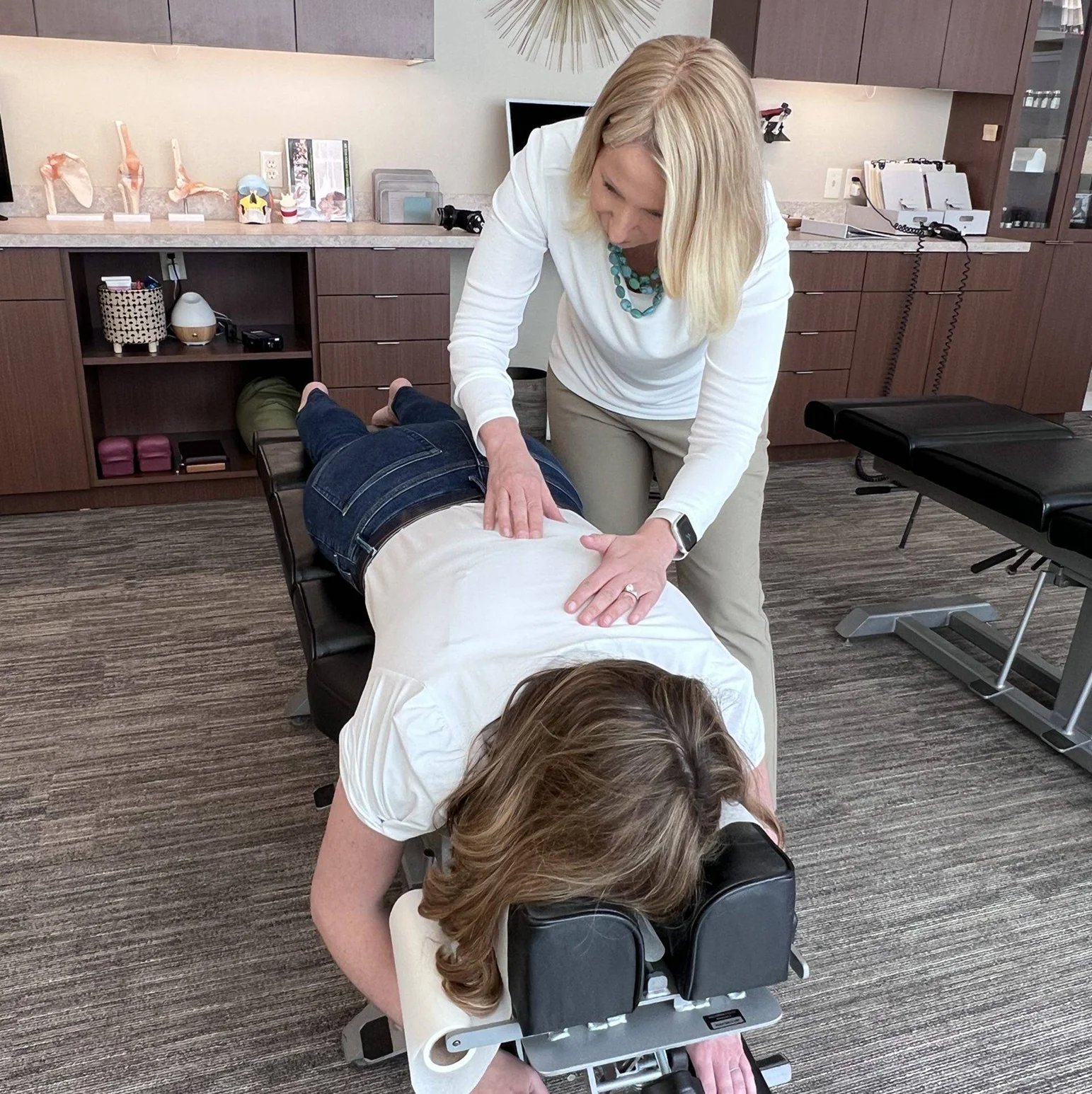
BrainCore Therapy

Functional Medicine
Burnout Recovery
Exhausted Mom And Teen
ChiroThin

Who We See
Balance Atlanta serves patients of all ages
from newborns and children to teens, adults, business professionals, athletes, and seniors. Families are welcome, and many patients find that more than one service applies to their situation. There is no single type of Balance Atlanta patient; what they share is a desire for genuine answers and a provider who takes the time to listen.
Request Appointment