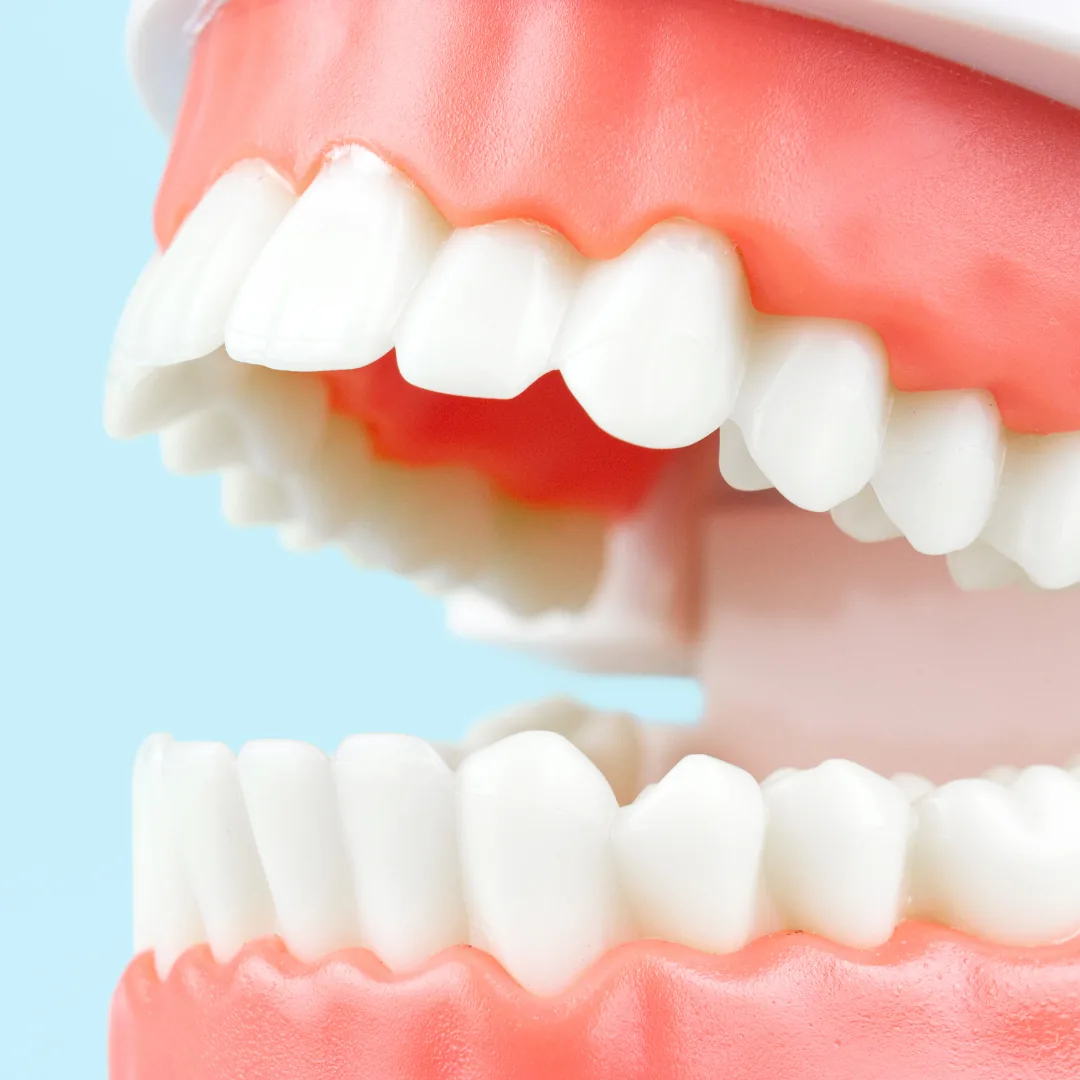



TMJ dysfunction is one of those conditions that tends to get minimized even though it affects nearly everything involving your head and jaw. The clicking when you open your mouth, the ache after a meal, the headaches that seem to start at your temple or behind your ear, the sore jaw you wake up with from grinding, you have no control over during sleep. It is exhausting to deal with, and for many people, it has been going on for years.
The standard recommendation is a night guard, and while that protects your teeth, it does not explain why the jaw muscles are in constant tension and overwork in the first place. The jaw does not operate in isolation. It is directly connected to the cervical spine, the surrounding musculature, and the nervous system, and dysfunction in any of these areas can drive what happens in the joint. Treating the symptom without understanding that connection is why so many people wear their night guard faithfully and still wake up with a sore jaw every morning.
The cervical spine and the TMJ are directly connected through shared nerve pathways and overlapping muscle systems. When the neck is restricted, misaligned, or chronically tense, that tension travels into the jaw. Treating the jaw alone, without addressing the neck, is why most TMJ patients find only partial relief.
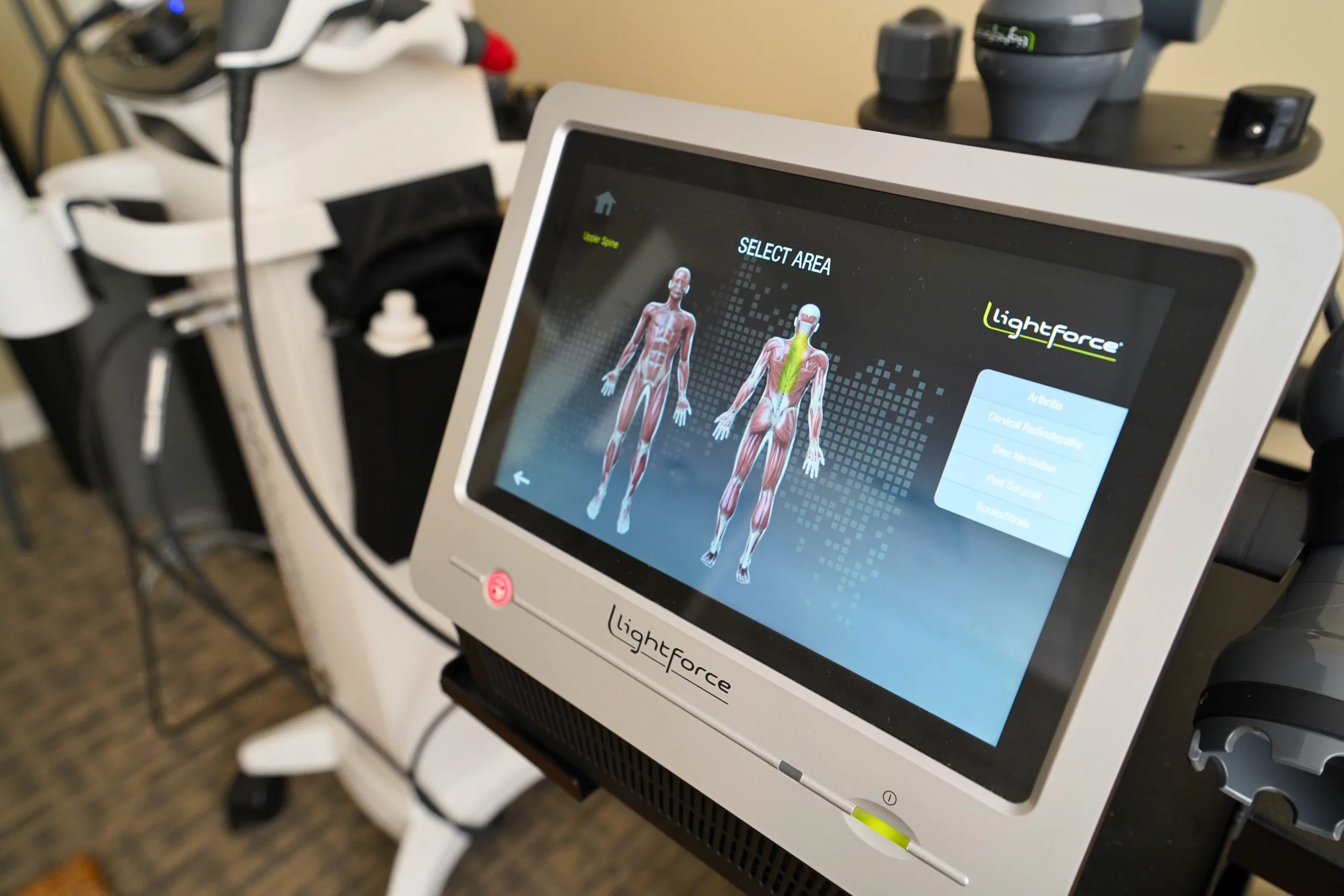
At Balance Atlanta, Dr. Caroline von Fluegge-Chen evaluates the jaw and the cervical spine together. She uses chiropractic adjustments, craniosacral therapy, Class IV laser, and trigger point work to address both, and coordinates with dentists when dental care is part of the picture. For people who have had TMJ symptoms for years and not found lasting relief, this combined approach is often what finally works.