Diabetic Neuropathy

Diabetic Neuropathy Treatment in Atlanta

Hands pressing a foot with a red glowing area and stylized nerve lines illustrating neuropathic pain in the toes.

Most people with diabetic neuropathy describe a burning or tingling sensation in their feet that tends to get worse at night. The numbness that follows might sound like relief, but it creates a different problem: every step feels unsteady. What makes this condition so frustrating is that the symptoms often persist even when blood sugar is managed and medication is taken consistently. You are taking your medication. And the symptoms are still there.

That is because diabetic neuropathy is not only a blood sugar problem. Spinal compression, disc degeneration, nerve inflammation, and poor circulation all contribute to how bad symptoms feel, independently of glucose levels. Addressing only blood sugar leaves these other drivers untouched.

At Balance Atlanta in Buckhead, Dr. Caroline von Fluegge-Chen works alongside your medical team to address the neurological and structural contributors to neuropathy symptoms that medication alone cannot reach. Chiropractic adjustments, spinal decompression, Class IV laser therapy, and functional medicine target what is compressing, inflaming, and reducing blood flow to the affected nerves. The goal is reduced pain, tingling, and numbness, and slower progression.

Request Appointment
Hand resting on the back of the neck with an orange glowing cervical spine overlay showing nerve irritation and neck pain related to diabetic neuropathy

Why Neuropathy Symptoms Persist Even with Controlled Blood Sugar

Blood sugar control is the most important factor in preventing diabetic neuropathy from worsening. But once nerve damage has begun, controlling glucose does not fully reverse it, and several other factors actively continue to make symptoms worse.

Spinal disc degeneration and bulging discs in the lumbar spine can compress the nerve roots that supply the legs and feet. This compression adds to the nerve stress that diabetes has already created. A nerve that is being compressed at the spine and damaged by high glucose is under far more stress than one dealing with only one of those problems.

Inflammation along the nerve pathway, impaired circulation to the peripheral nerves, and the chronic tension and postural changes that develop when pain alters how a person moves all contribute to persistent symptoms. These are addressable. They are not simply the inevitable course of the disease.

The approach at Balance Atlanta identifies which of these factors are present for each patient and addresses them specifically, alongside the diabetes management their physician is already providing.

What is Diabetic Neuropathy?

Diabetic neuropathy is nerve damage caused by chronically elevated blood sugar. High glucose levels damage the small blood vessels that supply oxygen and nutrients to nerves. Over time, the nerves themselves deteriorate. The result is the burning, tingling, numbness, and pain that are the hallmarks of the condition.

Peripheral neuropathy, which affects the feet, legs, and hands, is the most common form. It typically begins in the feet and moves upward as the condition progresses. The numbness it produces is particularly dangerous because it reduces the ability to feel injuries, leading to wounds that go unnoticed and heal poorly.

Other forms of diabetic neuropathy affect the autonomic nervous system, which controls digestion, blood pressure, and bladder function. Proximal neuropathy affects the hips and thighs. Focal neuropathy involves a single nerve, often in the head, torso, or leg. The approach to care depends on the type and contributing factors present.

How Common Is Diabetic Neuropathy?

Up to 50 percent of people with diabetes develop some form of neuropathy, according to the National Institute of Diabetes and Digestive and Kidney Diseases. The Centers for Disease Control and Prevention estimates that one in three diabetics over age 50 has peripheral neuropathy.

Diabetic neuropathy is one of the leading causes of lower limb amputations. Nerve damage reduces sensation so thoroughly that wounds and infections develop without the person knowing until serious damage has been done. Protecting the nerves and slowing the progression of damage is a genuine medical priority, not a quality-of-life preference.


Request Appointment

What Causes Neuropathy Symptoms to Worsen?

Elevated blood sugar is the root cause of diabetic neuropathy. But several additional factors accelerate damage and intensify symptoms.

Spinal Disc Compression

Bulging or degenerated discs in the lumbar spine can compress the nerve roots that feed the legs and feet. This adds mechanical nerve stress on top of the metabolic damage diabetes has already caused. Spinal decompression therapy at Balance Atlanta directly addresses this by relieving pressure on affected discs and nerve roots, reducing the total burden on already compromised nerves.

Reduced Circulation

High blood sugar damages blood vessels, reducing blood flow to the peripheral nerves. Without adequate circulation, nerves cannot receive the oxygen and nutrients they need to function and repair. Poor circulation is both a cause of neuropathy and a reason symptoms worsen. Therapies that improve local circulation, including laser therapy and movement-based interventions, directly support nerve health.

Inflammation

Chronic inflammation in the nerves and surrounding tissues contributes to pain and accelerates nerve damage. Anti-inflammatory strategies in functional medicine, including dietary changes, targeted supplementation, and blood sugar stabilization, reduce this inflammatory load from within.

High Blood Pressure

Hypertension, common in people with diabetes, damages blood vessels and further reduces blood flow to peripheral nerves. Managing blood pressure is part of slowing neuropathy progression and is addressed through the functional nutrition component of care at Balance Atlanta.

Postural and Mechanical Stress

Pain changes how people move. People with neuropathy often alter their gait to avoid discomfort, which creates secondary strain on the spine, hips, and knees. These compensatory patterns add mechanical stress to already irritated nerves. Postural correction and rehabilitation address these patterns directly.

Obesity and Inactivity

Excess weight increases pressure on peripheral nerves, particularly in the feet and legs. Inactivity impairs circulation and worsens insulin resistance. Gentle, guided movement and exercise recommendations are part of every neuropathy care plan.

Smoking and Alcohol

Both impair circulation and contribute to inflammation, making neuropathy symptoms worse and healing slower. Functional medicine guidance includes addressing these factors as part of the overall recovery plan.
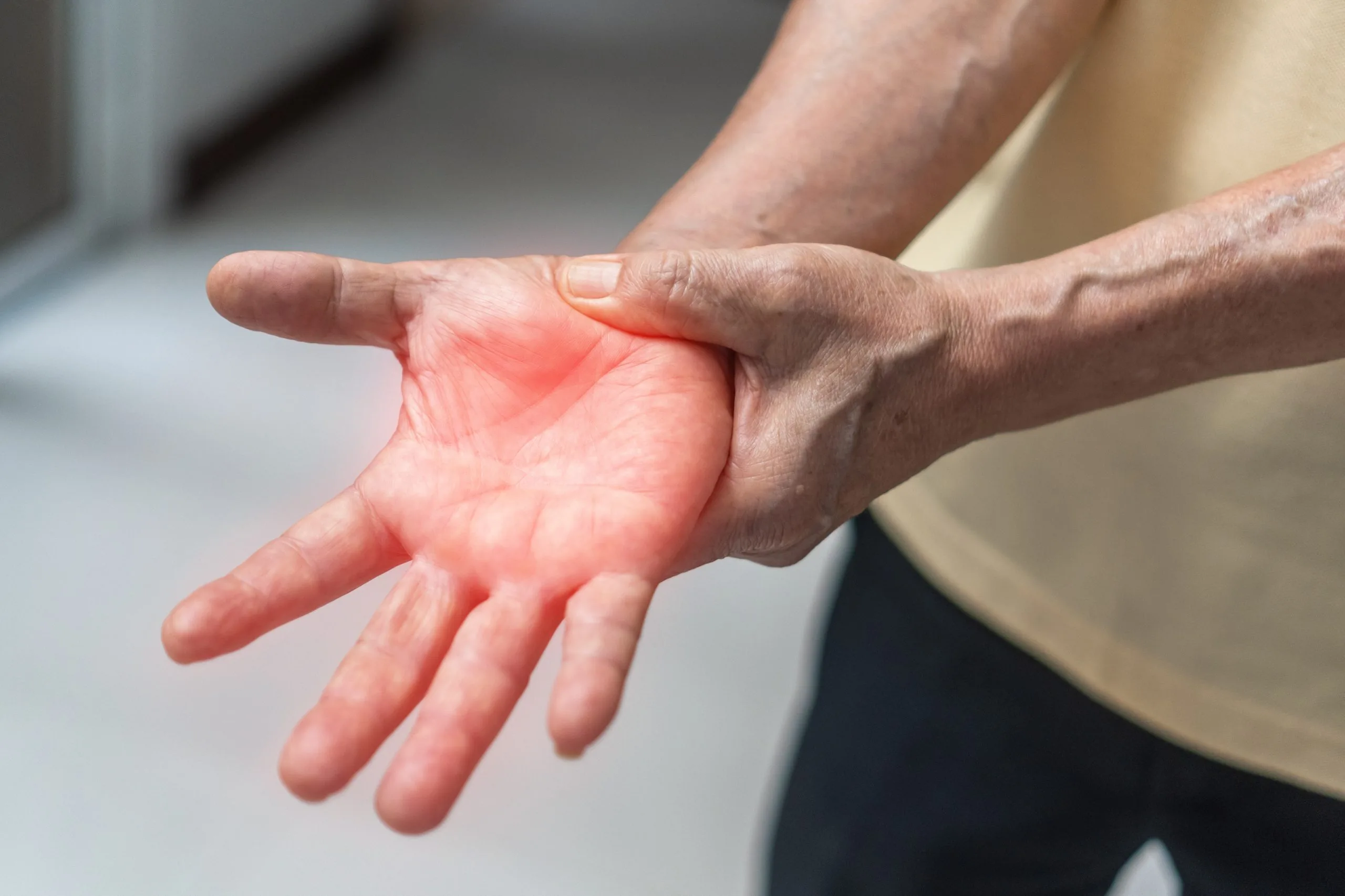
Close-up of hands clasping fingers and wrist, illustrating hand numbness or tingling associated with diabetic neuropathy

Symptoms of Diabetic Neuropathy

Symptoms vary by type and severity, but these are the most common patterns.

Burning, Tingling, or Electric Sensations

Most commonly in the feet and lower legs. Often worse at night. The sensations can range from mild to severe and are frequently the first sign that neuropathy is developing.

Numbness

Reduced or absent sensation, particularly in the feet. This is dangerous because it allows injuries, pressure sores, and infections to develop unnoticed. Regular foot inspection is essential for anyone with numbness in the feet.

Sharp or Shooting Pain

Sudden, intense pain that can occur without warning. It often has an electric or stabbing quality and can be disproportionate to any apparent cause.

Increased Sensitivity to Touch

Allodynia, in which normally non-painful sensations like light touch or the pressure of sheets become painful. This reflects abnormal nerve signaling in the affected area.

Muscle Weakness

Particularly in the feet and lower legs. Weakness affects balance and gait, increasing the risk of falls. Strengthening exercises and postural correction address this specifically.

Balance and Coordination Problems

Reduced proprioception, the sense of where the body is in space, leads to unsteady walking. Balance training and correction of spinal and lower-extremity mechanics support proprioceptive function.

Loss of Reflexes

Diminished or absent ankle reflexes are a characteristic finding in peripheral neuropathy. They reflect reduced nerve conduction in the affected pathways.

Request Appointment

How Balance Atlanta Supports Diabetic Neuropathy

Care at Balance Atlanta begins with a thorough evaluation of the spine, posture, circulation, and neurological function. Dr. Caroline identifies the specific contributors to each patient’s symptoms and develops a plan that addresses them alongside ongoing diabetes management. This care is not a replacement for medication or diabetes management. It addresses the structural, inflammatory, and circulatory dimensions of neuropathy that medical treatment does not directly reach.

Chiropractic Spinal Adjustments

Misalignments in the lumbar spine and pelvis create compression and irritation in the nerve roots that supply the legs and feet. This mechanical stress compounds the nerve damage already caused by elevated blood sugar. Precise, gentle adjustments restore normal joint mechanics, reduce nerve root compression, and improve the nervous system’s ability to communicate with the affected extremities. Adjustments also improve circulation to the spinal and peripheral tissues by reducing the mechanical restrictions that impede blood flow. Better circulation supports the nerve’s capacity to receive oxygen and nutrients.

Spinal Decompression Therapy

When disc degeneration or bulging discs in the lower back are contributing to leg and foot symptoms, spinal decompression therapy addresses them directly. Decompression gently stretches the lumbar spine to reduce pressure on compressed discs and nerve roots, creating the conditions that allow disc material to retract and nerve irritation to decrease. For patients with neuropathy whose symptoms are worsened by lumbar disc involvement, this is often the treatment that produces the most noticeable improvement in the quality of sensation in the legs and feet. It is non-invasive, painless, and specifically effective for disc-related nerve compression.

Class IV Laser Therapy

Deep tissue laser therapy delivers targeted light energy along the lumbar spine, along the course of the sciatic nerve, and to the feet and lower legs. This reduces neurological inflammation in affected nerve pathways, stimulates cellular repair in damaged nerve tissue, and improves local circulation in peripheral tissues where nerve damage is most pronounced. Laser therapy is painless and non-invasive. Sessions are brief. Many patients notice reduced burning and tingling, a sense of warmth, and improved circulation in the treated areas during and after sessions. Regular treatment during the course of care produces cumulative benefit.

Postural Correction

Pain from neuropathy alters gait and posture, creating secondary compression throughout the spine and lower extremities. These compensatory patterns add mechanical stress to already irritated nerves and are often a significant, unrecognized contributor to how bad symptoms feel. Dr. Caroline assesses posture and movement patterns as part of every neuropathy evaluation and prescribes targeted corrective exercises to address them.

Stretching and Rehabilitation

Gentle stretching of the lower extremities, lumbar spine, and hip flexors reduces the mechanical tension that contributes to nerve compression. Progressive strengthening exercises for the feet, ankles, and lower legs address the muscle weakness caused by neuropathy and improve balance and proprioception. These are not generic exercises but a specific program built around each patient’s capacity and the structures involved in their symptoms.

Functional Medicine

The systemic drivers of neuropathy progression, blood sugar instability, chronic inflammation, nutritional deficiencies, and vascular damage are addressed through the functional medicine component of care. Dr. Caroline provides specific dietary recommendations to stabilize blood sugar and reduce inflammation. Any changes to medications or significant dietary modifications should be made in coordination with the patient’s physician. Dr. Caroline works alongside the medical team, not independently.

Request Appointment

Why Choose Balance Atlanta for Diabetic Neuropathy?

Addresses What Blood Sugar Management Alone Cannot

Controlling glucose slows neuropathy progression. It does not address the spinal compression, nerve inflammation, circulatory impairment, and postural compensation patterns that are actively worsening symptoms. Balance Atlanta treats those specific contributors.

A Combination of Therapies Working Together

Spinal adjustments, decompression, Class IV laser, postural correction, and functional medicine each address a different dimension of neuropathy. Together, they produce more meaningful symptom improvement than any single approach can achieve.

Designed to Work Alongside Medical Care

Dr. Caroline does not ask patients to change or stop any diabetes medication or management. The approach at Balance Atlanta is specifically designed to complement medical treatment. Many patients find that the combination of medical and supportive chiropractic care produces better outcomes than either alone.

Non-Invasive and Drug-Free

For patients who are already managing multiple medications and their side effects, the non-pharmaceutical nature of this care matters. There are no additional drugs, no injections, and no procedures with recovery time involved.

Early Intervention Slows Progression

The earlier supportive care begins, the more of the remaining nerve function can be preserved. Neuropathy that has progressed significantly is harder to manage than neuropathy that is addressed early. If symptoms are present and you are not yet receiving supportive care beyond medication, beginning now produces better outcomes than waiting.

Common Questions

Have questions? We have honest answers.

We understand you’ve already been through the system—appointments, mixed answers, and limited results.That’s why Balance Atlanta takes a different approach, focusing on root causes, not just symptoms


Every plan is personalized, with clear guidance and honest communication at every step. The goal is simple: real, lasting improvements in how you feel and function every day.

Request Appointment
  • What is diabetic neuropathy?

    Diabetic neuropathy is nerve damage caused by chronically high blood sugar. Over time, elevated glucose damages the small blood vessels that supply nerves with oxygen and nutrients. Without adequate supply, nerves deteriorate. The result is burning, tingling, numbness, weakness, and pain, most often beginning in the feet and lower legs. There are four main types. Peripheral neuropathy affects the feet, legs, and hands. Autonomic neuropathy affects the systems controlling digestion, blood pressure, and bladder function. Proximal neuropathy affects the hips and thighs. Focal neuropathy involves a single nerve. The most common and the one most people are asking about when they search for help is peripheral neuropathy.
  • What causes diabetic neuropathy?

    The primary cause is prolonged high blood sugar. But several factors beyond glucose levels accelerate the damage and intensify symptoms. High blood pressure damages the blood vessels feeding the nerves. Chronic inflammation in and around the nerve tissue adds to deterioration. Obesity increases pressure on peripheral nerves. Spinal disc degeneration or bulging discs in the lumbar spine can mechanically compress nerve roots that are already under metabolic stress. Smoking and alcohol impair circulation and contribute to inflammation. Poor posture and altered gait create secondary mechanical stress. Addressing these contributors specifically is what distinguishes Balance Atlanta’s approach from blood sugar management alone.
  • Can chiropractic care help diabetic neuropathy?

    Chiropractic care does not reverse nerve damage or treat diabetes itself. What it does is address the structural and inflammatory contributors to neuropathy symptoms that medical treatment does not directly reach. Adjustments reduce lumbar nerve root compression. Spinal decompression relieves disc-related pressure on the nerve pathways supplying the legs. Laser therapy reduces nerve inflammation and supports circulation. Postural correction removes the secondary mechanical stress that the altered gait places on an already compromised nervous system. Functional medicine addresses systemic inflammation and nutritional deficiencies that affect nerve health. Together, these produce real reductions in pain, tingling, and numbness for many patients, as well as better preservation of nerve function over time.
  • How does spinal decompression help neuropathy?

    Degenerated or bulging discs in the lower back compress the nerve roots that supply the legs and feet. This mechanical compression adds to the nerve stress already caused by diabetes. A nerve dealing with both metabolic damage and physical compression is under significantly more stress than one dealing with only one of those problems. Spinal decompression therapy gently stretches the lumbar spine to relieve disc pressure and allow compressed nerve roots to decompress. For patients whose leg and foot symptoms are being worsened by lumbar disc involvement, this often produces noticeable improvement in the character and intensity of neuropathy symptoms.
  • What does Class IV laser therapy do for neuropathy?

    Laser therapy delivers light energy deep into tissues along nerve pathways, reducing neurological inflammation, stimulating cellular repair in nerve tissue, and improving circulation to peripheral structures where neuropathy causes the most damage. For patients with neuropathy, it targets the inflammatory environment that accelerates nerve deterioration and the circulatory impairment that deprives nerves of the oxygen and nutrients they need to function. Sessions are painless. Many patients notice reduced burning and improved sensation in the treated areas with consistent treatment throughout care.
  • What lifestyle changes help diabetic neuropathy?

    Blood sugar control is the most important factor. Beyond that, regular gentle exercise improves circulation, reduces insulin resistance, and supports nerve health. Low-impact activities like walking, swimming, or cycling are appropriate for most people with neuropathy. Quitting smoking and limiting alcohol removes two significant contributors to nerve and vascular damage. Diet changes that stabilize blood sugar and reduce inflammation have a direct effect on the progression of neuropathy. Maintaining a healthy weight reduces mechanical pressure on peripheral nerves. Dr. Caroline provides specific guidance on all of these as part of the care plan, coordinating with the patient’s physician rather than substituting for medical guidance.
  • Is numbness in the feet always from diabetic neuropathy?

    Not necessarily. Lumbar disc problems, circulation issues, tarsal tunnel syndrome, and other conditions can also produce foot numbness. This is one reason evaluation matters. Treating the right cause produces better outcomes than assuming all foot symptoms in a diabetic patient come from neuropathy. Dr. Caroline’s evaluation distinguishes between spinal, vascular, and nerve-level contributors to foot symptoms. Where lumbar disc involvement is present alongside diabetic neuropathy, treating both produces better results than treating either alone.
  • How long does it take to see improvement?

    It depends on how long neuropathy has been present and how much nerve damage has occurred. Patients with earlier-stage neuropathy typically respond faster than those with long-standing, advanced damage. Some notice a reduction in burning and tingling within the first few weeks of care. More significant improvement in numbness and nerve function takes longer. Neuropathy is a progressive condition. The goal is not only symptom reduction but also slowing the progression rate. Even patients whose symptoms do not fully resolve often find that consistent supportive care keeps them stable rather than worsening.
  • When should someone with diabetes seek help for neuropathy symptoms?

    Anyone with diabetes who notices tingling, burning, numbness, or weakness in the feet, legs, or hands should seek evaluation promptly. These symptoms indicate nerve damage is occurring. The sooner supportive care begins alongside medical diabetes management, the more nerve function can be preserved. Do not wait for symptoms to become severe before seeking evaluation. Earlier intervention consistently produces better outcomes than waiting until the condition is advanced and harder to manage.